(7% discount is applied at checkout)
Cart is empty
Your go-to destination for cutting-edge server products
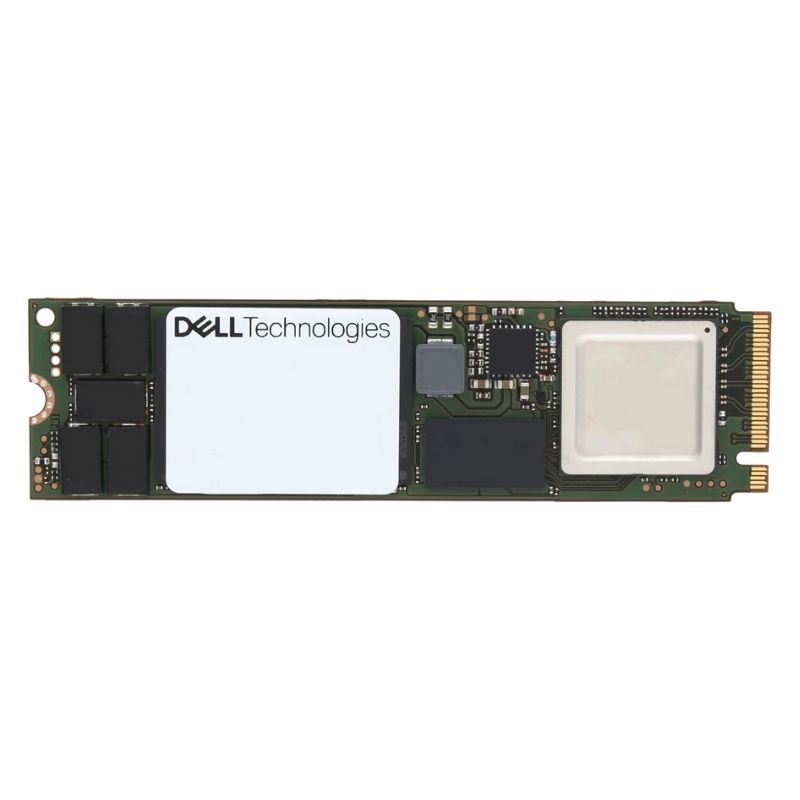


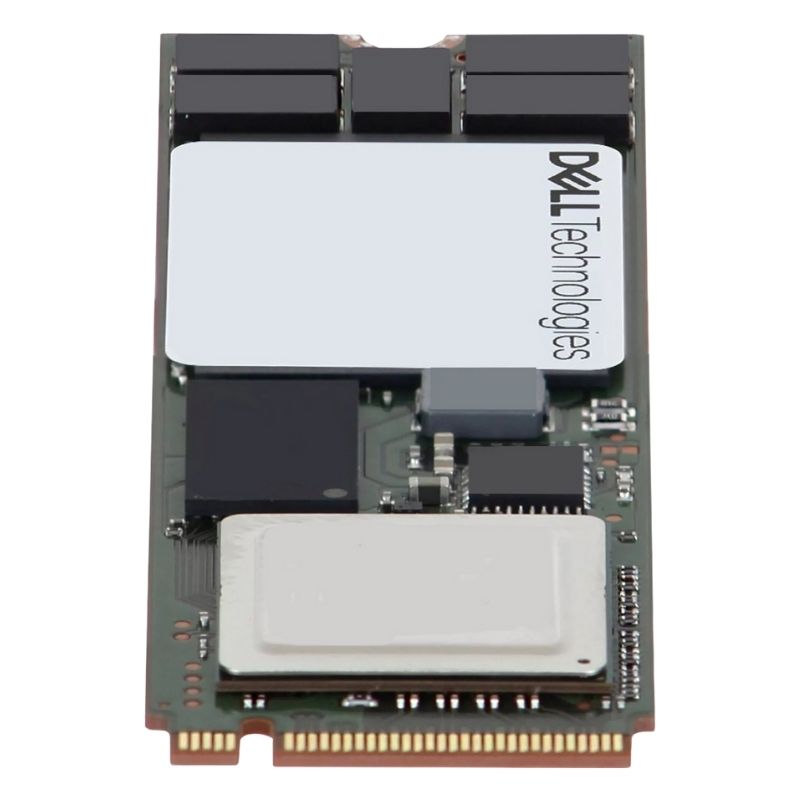
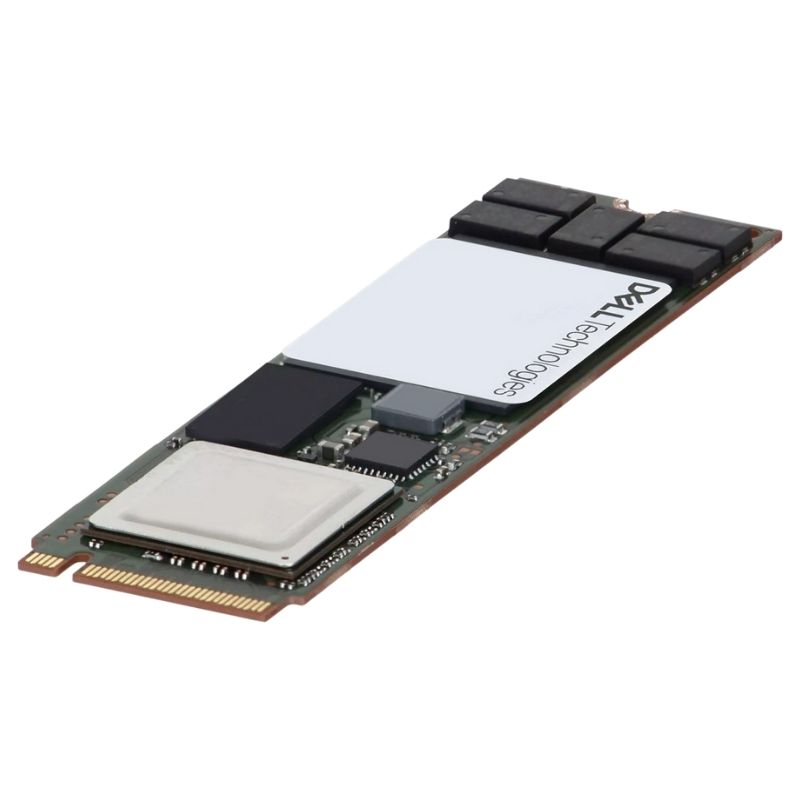
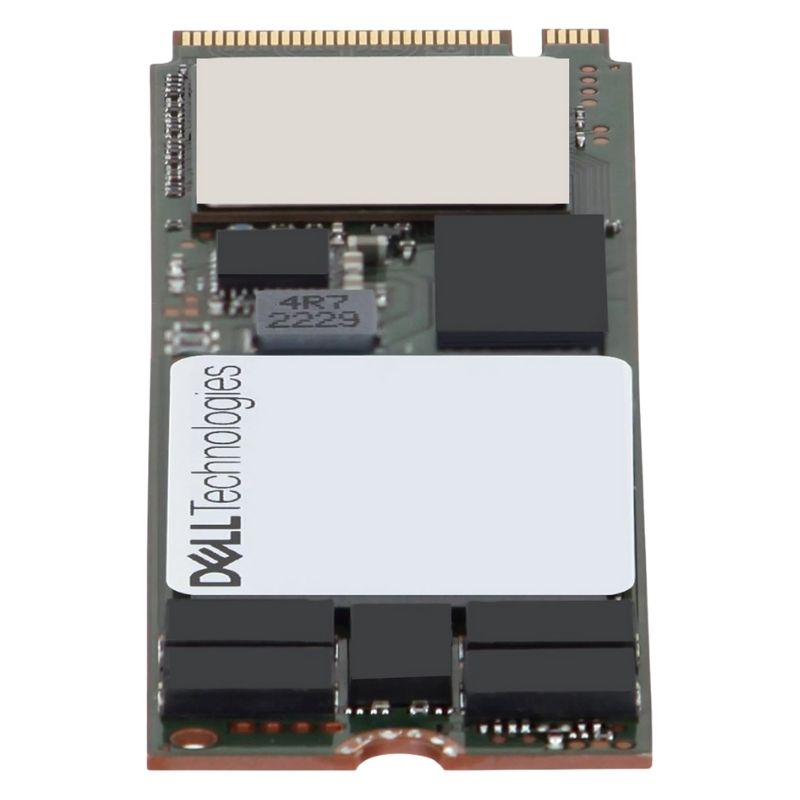
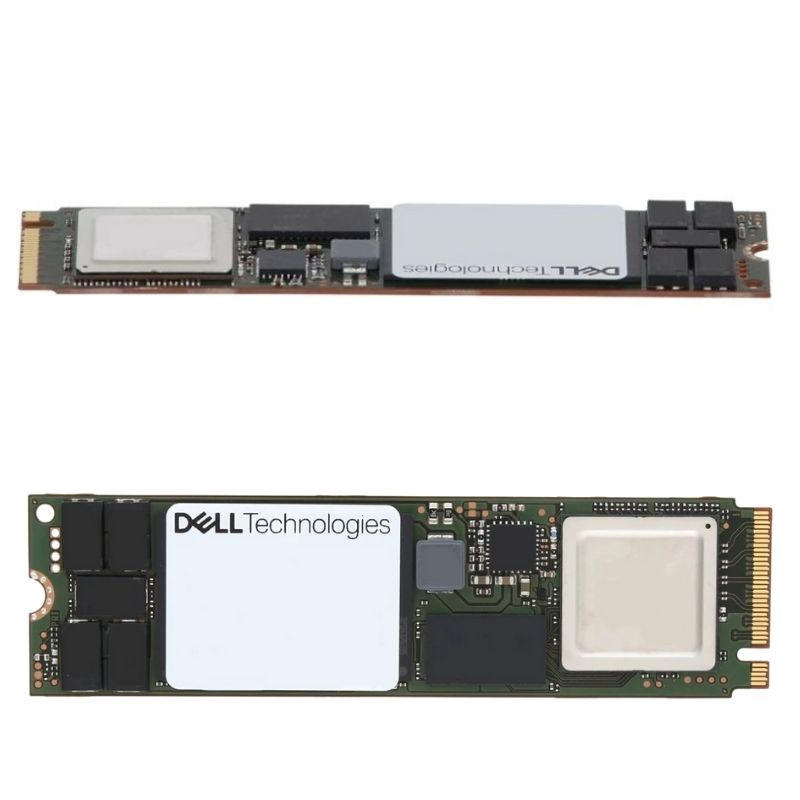
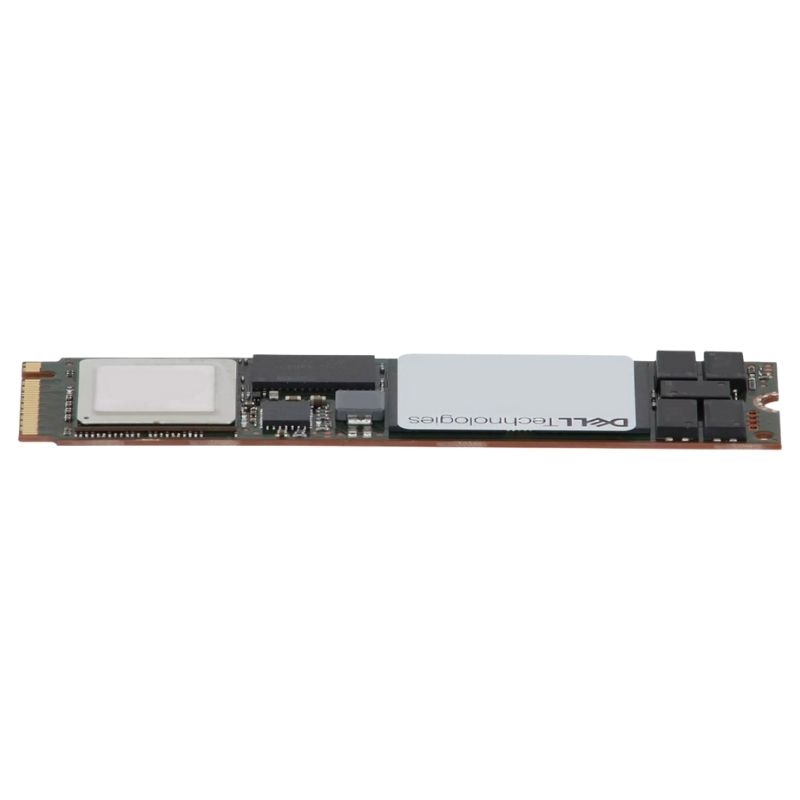
Dell GW1CH 480GB PCIe Gen4 M.2 2280 NVMe Read Intensive TLC Enterprise Class Solid State Drive. New Sealed in Box (NIB) with 1-Year Replacement Warranty
The Dell GW1CH 480GB PCIe Gen4 M.2 2280 NVMe solid state drive is engineered for enterprise environments that demand dependable read-centric storage with consistent performance. Designed as an internal SSD, this enterprise-class solution delivers high throughput, low latency, and efficient endurance characteristics suitable for modern data centers, cloud platforms, and business-critical workloads.
The Dell GW1CH 480GB PCIe Gen4 M.2 2280 NVMe Read Intensive TLC Enterprise Class Solid State Drive belongs to a high-performance storage category engineered for modern data centers, enterprise servers, and business-critical computing environments. This category focuses on delivering ultra-fast data access, low latency, and consistent reliability for read-centric workloads while maintaining enterprise-grade endurance and stability. PCIe Gen4 NVMe solid state drives represent a major evolution in storage architecture, enabling significantly higher bandwidth and throughput compared to previous generations, which directly impacts application responsiveness, system efficiency, and overall infrastructure scalability.
Enterprise-class NVMe SSDs are designed to operate continuously under demanding conditions, supporting workloads such as virtualization, database querying, cloud infrastructure, content delivery networks, analytics platforms, and enterprise operating systems. The Dell GW1CH fits squarely into this category by combining optimized read-intensive endurance, advanced NAND technology, and a compact M.2 2280 form factor that supports dense server configurations without compromising performance or reliability.
Read intensive NVMe SSDs occupy a crucial segment of enterprise storage solutions, balancing high-speed performance with optimized endurance tailored for read-heavy data access patterns. This category is particularly relevant for applications where data is frequently accessed but written less often, such as boot drives, operating system storage, application binaries, reference databases, and virtual desktop infrastructure. By focusing endurance characteristics on read operations, these SSDs deliver cost-efficient performance while maintaining long operational lifespans.
The Dell GW1CH 480GB NVMe SSD exemplifies this positioning by offering a 1 drive write per day endurance rating, which aligns with typical enterprise read-intensive use cases. This specialization allows organizations to deploy high-speed storage without overprovisioning endurance beyond actual workload requirements, thereby optimizing total cost of ownership across large-scale deployments.
The PCIe Gen4 x4 NVMe interface defines the core performance capabilities of this storage category. PCIe Gen4 effectively doubles the bandwidth of PCIe Gen3, enabling significantly higher data transfer rates and lower latency. NVMe protocol support ensures streamlined communication between the SSD and the host system, minimizing command overhead and enabling parallel processing across multiple queues.
In enterprise environments, this interface architecture translates into faster boot times, reduced application load latency, and improved transactional throughput. Systems equipped with PCIe Gen4 NVMe drives benefit from enhanced IOPS capabilities and sustained performance even under heavy multitasking conditions. The Dell GW1CH aligns with this architectural framework, making it suitable for next-generation servers and platforms that demand maximum storage efficiency.
NVMe-based SSDs outperform legacy SATA and SAS-based storage solutions by leveraging a protocol designed specifically for solid-state media. Unlike older interfaces that were originally optimized for mechanical drives, NVMe supports deep command queues and parallelism that fully utilize modern multi-core processors. This category advantage enables enterprise systems to handle thousands of concurrent requests with minimal latency.
The Dell GW1CH benefits from this NVMe advantage by delivering consistent responsiveness across a wide range of enterprise workloads. This makes it particularly effective in environments where predictable performance and low latency are critical, such as transactional databases, containerized applications, and high-availability server infrastructures.
The M.2 2280 form factor defines a compact and efficient physical design that supports high-density storage configurations. In enterprise servers and workstations, this form factor allows for increased storage capacity within limited physical space, enabling more efficient use of system resources. The Dell GW1CH is engineered to integrate seamlessly into platforms that support M.2 NVMe drives, providing flexibility in system design and deployment.
Enterprise adoption of the M.2 2280 form factor continues to grow due to its ability to reduce cabling complexity, improve airflow, and support modular storage upgrades. This category is particularly relevant for blade servers, edge computing systems, and compact enterprise appliances where space efficiency and thermal management are critical considerations.
Thermal performance is a key consideration within the M.2 enterprise SSD category. PCIe Gen4 drives generate more heat due to higher throughput, requiring careful design to maintain stable operation. Enterprise-class SSDs like the Dell GW1CH are validated for compatibility with server-grade cooling solutions, ensuring sustained performance without throttling.
System integrators benefit from the standardized M.2 2280 design, which simplifies installation and maintenance while supporting consistent thermal profiles across deployments. This contributes to predictable performance and long-term reliability in mission-critical environments.
The 480GB capacity segment serves a strategic role within enterprise storage architectures. This capacity range is commonly deployed for operating system drives, application storage, caching layers, and dedicated read-focused datasets. By offering sufficient space for essential system components while maintaining a cost-effective footprint, 480GB NVMe SSDs enable scalable and modular infrastructure designs.
The Dell GW1CH 480GB SSD addresses this segment by delivering enterprise-grade performance in a capacity optimized for targeted workloads. This allows organizations to deploy multiple drives across servers, balancing performance, redundancy, and cost efficiency.
Mid-capacity NVMe SSDs are frequently used in virtualization hosts to store hypervisors and core virtual machine images. They are also deployed in application servers where fast access to executables and configuration files is essential. In database environments, these drives can host frequently accessed indexes or reference tables, improving query performance without incurring the cost of higher-capacity storage tiers.
The Dell GW1CH supports these use cases by combining fast PCIe Gen4 access with read-intensive endurance characteristics, making it well-suited for performance-sensitive but write-light workloads.
Read intensive endurance classification defines a critical aspect of this SSD category. These drives are engineered to handle frequent read operations while supporting a controlled level of write activity. With a 1 DWPD endurance rating and a total bytes written specification of 800 TB, the Dell GW1CH aligns with enterprise standards for read-focused applications.
This endurance profile ensures predictable lifespan and reliability when deployed in appropriate workloads. By matching endurance characteristics to real-world usage patterns, organizations can achieve optimal performance without unnecessary overprovisioning.
Enterprise read-intensive SSDs are optimized at the firmware and NAND management level to prioritize read performance and data integrity. Advanced wear leveling, error correction, and background management processes help maintain consistent performance over time. The Dell GW1CH benefits from these enterprise-grade optimizations, ensuring stable operation throughout its service life.
This focus on endurance optimization supports long-term deployments in data centers where downtime and unpredictable performance are unacceptable. As part of this category, the drive is designed to meet rigorous validation and quality standards.
Modern enterprise SSD categories rely heavily on advanced NAND flash technology to deliver higher density, improved endurance, and better power efficiency. The use of 176-layer 3D TLC NAND represents a significant advancement in flash memory design, enabling greater storage density within a compact footprint while maintaining enterprise-grade reliability.
The Dell GW1CH leverages this NAND technology to provide consistent read performance and enhanced durability. Multi-layer 3D NAND architecture allows for improved signal integrity and reduced interference, contributing to stable operation under continuous workloads.
TLC NAND offers an effective balance between performance, capacity, and cost, making it a popular choice for enterprise read-intensive SSDs. While higher endurance NAND types exist, TLC provides sufficient durability for read-focused workloads when combined with advanced controller technology and firmware optimization.
In the context of the Dell GW1CH category, TLC NAND enables scalable deployments that deliver high performance without the premium cost associated with alternative flash types. This makes it suitable for widespread adoption across enterprise infrastructures.
Enterprise class SSDs are distinguished by rigorous validation, compatibility testing, and reliability standards. This category emphasizes predictable behavior under sustained workloads, compatibility with server platforms, and compliance with enterprise operational requirements. Dell enterprise SSDs undergo extensive testing to ensure seamless integration with supported systems.
The Dell GW1CH reflects this enterprise focus by offering firmware stability, power loss protection features, and consistent performance metrics. These attributes are essential for maintaining data integrity and system uptime in mission-critical environments.
Enterprise SSDs designed for Dell platforms are validated to operate within specific power, thermal, and performance parameters. This ensures optimal compatibility with Dell PowerEdge servers and enterprise workstations. The Dell GW1CH benefits from this ecosystem alignment, enabling straightforward deployment and predictable performance outcomes.
System administrators gain confidence from using validated components that integrate seamlessly with existing infrastructure, reducing deployment risks and simplifying lifecycle management.
Consistency and low latency are defining characteristics of enterprise NVMe SSD categories. Unlike consumer-grade drives that may exhibit performance variability under sustained workloads, enterprise SSDs are engineered to deliver stable throughput and response times. This consistency is critical for applications that rely on predictable storage behavior.
The Dell GW1CH is optimized to maintain low latency across read-intensive workloads, ensuring smooth application performance and responsive system behavior. This makes it suitable for environments where even minor latency fluctuations can impact user experience or application efficiency.
In virtualized and cloud environments, storage performance directly affects resource utilization and service quality. Enterprise NVMe SSDs enable higher virtual machine density and faster provisioning by reducing storage-related bottlenecks. The Dell GW1CH contributes to these benefits by providing fast access to frequently used data and system components.
This category advantage supports scalable cloud architectures and modern IT strategies that prioritize agility and performance.
Power efficiency is an increasingly important consideration in enterprise storage categories. PCIe Gen4 NVMe SSDs are designed to deliver higher performance per watt compared to legacy storage solutions. This contributes to reduced operational costs and improved thermal management within data centers.
The Dell GW1CH balances performance and power consumption, supporting continuous operation without excessive energy usage. This efficiency aligns with enterprise sustainability goals and supports high-density deployments.
Enterprise SSDs are built for continuous 24x7 operation, with components and firmware optimized for long-term stability. The Dell GW1CH is suitable for always-on environments, supporting mission-critical systems that require uninterrupted access to data.
This data center readiness underscores the value of enterprise-class NVMe SSDs as foundational components in modern IT infrastructures.
Scalability is a defining attribute of enterprise storage categories. PCIe Gen4 NVMe SSDs provide a future-proof foundation that supports evolving workloads and next-generation platforms. As application demands increase, these drives offer the performance headroom required to adapt without major infrastructure changes.
The Dell GW1CH contributes to scalable storage architectures by enabling modular expansion and performance-driven deployment strategies. Its compatibility with modern platforms ensures relevance as enterprise environments continue to evolve.


 Contact Us
 Information
 Catalog
 Solid State Drives (SSD)
 Network Switches
 Hard Disk Drives
 HBA & Controllers
 PC & Servers
 PC & Server Memory
 CPU & Processors
 Network Routers
 Power Supplies
 Tape Drives & Libraries
 Network Devices
 Computer & Network Cables