(7% discount is applied at checkout)
Cart is empty
Your go-to destination for cutting-edge server products
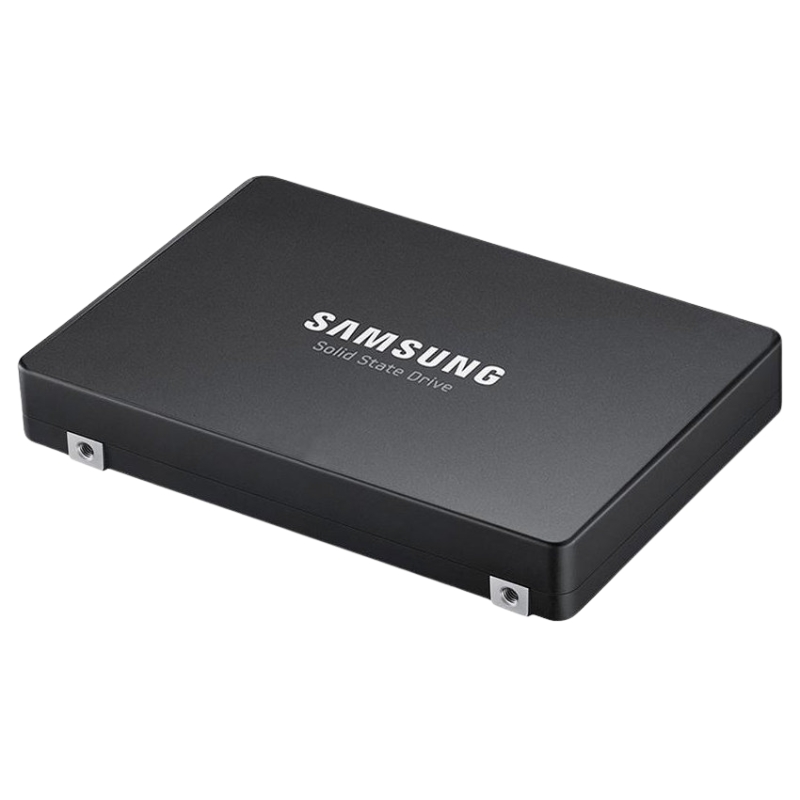


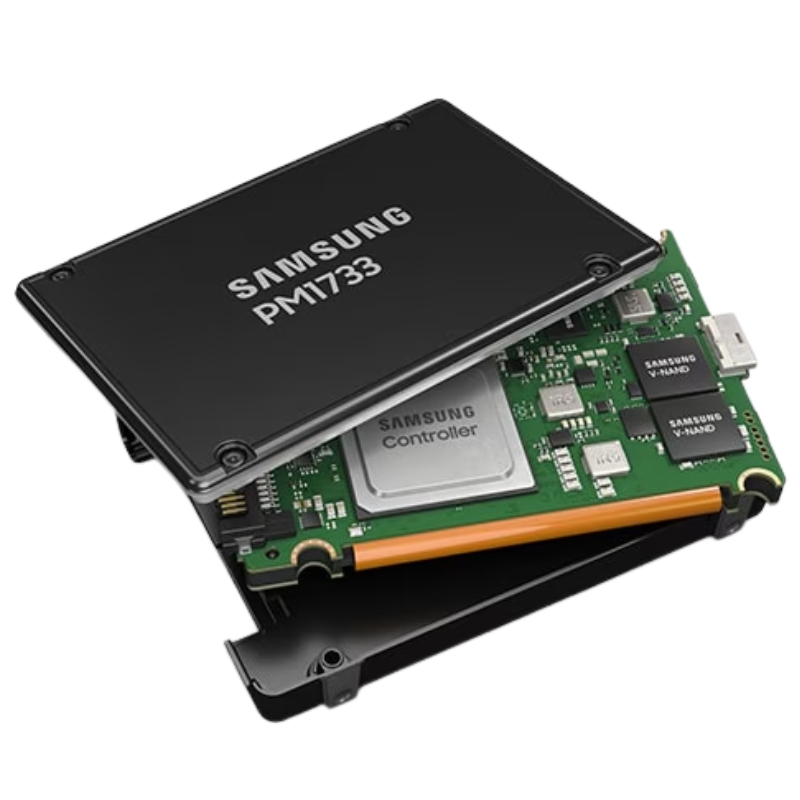
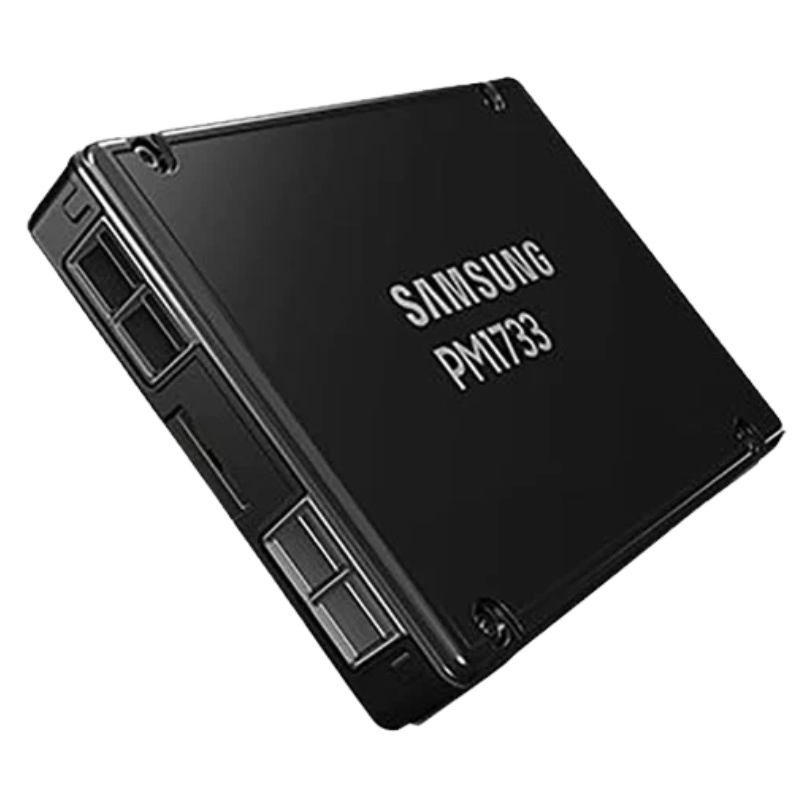
Samsung MZXL515HALA-00AH3 15.36TB Pm1733 SFF PCI-Express 4.0 X4 NVMe Dual Port X2 Enterprise SSD. Excellent Refurbished with 1-Year Replacement Warranty - HPE Version
The Samsung MZXL515HALA-00AH3 15.36TB PM1733 Enterprise SSD delivers exceptional speed, reliability, and endurance for demanding workloads. Designed with advanced PCIe 4.0 NVMe technology, this dual-port drive ensures seamless performance in mission-critical environments.
The Samsung MZXL515HALA-00AH3 15.36TB PM1733 SFF PCI-Express 4.0 x4 NVMe Dual Port x2 Enterprise SSD belongs to the highest tier of enterprise solid-state storage solutions, designed specifically for data centers, hyperscale infrastructure, virtualization environments, and mission-critical workloads. This category of storage devices is defined by uncompromising performance, advanced reliability mechanisms, and compatibility with modern server platforms that demand sustained throughput, ultra-low latency, and exceptional endurance. The PM1733 family exemplifies Samsung’s leadership in enterprise flash technology by integrating next-generation PCIe Gen4 interfaces with NVMe protocol optimization and dual-port connectivity for high availability architectures. Enterprise NVMe SSDs represent a fundamental shift from traditional SATA and SAS storage interfaces. While legacy protocols were originally designed for mechanical hard drives and later adapted for solid-state media, NVMe was engineered from the ground up to exploit the inherent parallelism of NAND flash memory. By connecting directly to the PCI Express bus, devices such as the PM1733 eliminate unnecessary protocol translation layers, reduce command overhead, and enable thousands of concurrent queues. This architecture allows the drive to scale performance linearly with CPU cores and workloads, making it ideal for virtualization, database management systems, artificial intelligence pipelines, and real-time analytics platforms. The category also reflects a broader industry transition toward software-defined storage and disaggregated infrastructure, where storage devices must deliver predictable performance under mixed workloads while maintaining robust data integrity.
PCI Express 4.0 represents a significant leap in bandwidth compared to previous generations, doubling the per-lane throughput of PCIe 3.0 and enabling a theoretical maximum of approximately 8 GT/s per lane. With a x4 lane configuration, the PM1733 SSD is capable of delivering exceptional sequential and random performance, supporting workloads that require rapid data movement and sustained throughput. This interface is especially relevant in modern data centers, where CPU, GPU, and accelerator resources are increasingly interconnected through high-speed fabrics. In the context of enterprise storage, PCIe 4.0 is not merely about raw bandwidth but also about reducing latency and improving efficiency at scale. High-performance NVMe SSDs such as the PM1733 leverage this interface to minimize I/O wait times, enabling faster application response, higher transaction rates, and improved quality of service for latency-sensitive workloads. This becomes particularly critical in environments where storage performance directly impacts revenue, such as financial trading platforms, e-commerce infrastructures, and high-performance computing clusters. The PCIe 4.0 interface also ensures future-proofing for organizations investing in next-generation servers and storage networks. As CPU architectures evolve to support higher core counts and faster memory subsystems, the storage layer must keep pace. The PM1733 category aligns with these trends, offering a storage solution that remains relevant as enterprise platforms continue to scale upward in performance and complexity.
NVMe, or Non-Volatile Memory Express, is a storage protocol designed specifically for non-volatile memory technologies such as NAND flash and emerging persistent memory. Unlike legacy protocols that were constrained by the limitations of spinning disks, NVMe supports thousands of command queues, each with thousands of commands, enabling highly parallelized I/O operations. This design reduces latency, increases throughput, and improves CPU efficiency by minimizing interrupt overhead and command processing bottlenecks. The Samsung PM1733 series implements advanced NVMe features tailored for enterprise use cases. These include namespace management for multi-tenant environments, persistent reservations for clustered applications, and support for advanced power management states. Such capabilities allow storage administrators to allocate and manage capacity dynamically while ensuring consistent performance and data integrity across virtual machines, containers, and bare-metal workloads. NVMe’s scalability also makes it an ideal foundation for emerging storage architectures such as NVMe over Fabrics (NVMe-oF), which extends the NVMe protocol across network fabrics like RDMA, Fibre Channel, and TCP. While the PM1733 is a direct-attached device, its compliance with NVMe standards ensures compatibility with future storage architectures and software-defined storage platforms, providing a smooth migration path as enterprise infrastructure evolves.
One of the defining characteristics of NVMe-based enterprise SSDs is their ability to maintain high performance across a wide range of queue depths. Traditional storage interfaces often exhibit significant performance degradation as queue depth increases, leading to unpredictable latency and reduced throughput under heavy load. In contrast, NVMe devices such as the PM1733 are engineered to handle deep queues efficiently, ensuring consistent performance even during peak workload periods. This capability is particularly valuable in virtualized and containerized environments, where multiple workloads share the same storage resources. Each virtual machine or container may generate independent I/O streams, resulting in high aggregate queue depths. The PM1733’s NVMe architecture allows it to service these concurrent requests with minimal latency, improving overall system responsiveness and enabling higher consolidation ratios.
As data volumes continue to grow exponentially across industries, organizations require storage devices that can accommodate large datasets while maintaining high performance and reliability. By integrating 15.36TB of flash storage into a compact small form factor (SFF) enclosure, the PM1733 enables organizations to deploy petabyte-scale storage systems within standard server racks, optimizing space utilization and simplifying infrastructure management. This capacity tier is particularly well-suited for applications such as large-scale databases, data warehouses, content delivery networks, and cloud storage platforms. These workloads require not only high performance but also the ability to store vast amounts of data reliably over extended periods. The PM1733 category addresses these requirements by combining high-density NAND flash with enterprise-grade endurance and data protection mechanisms.
At the core of the PM1733’s high capacity is Samsung’s advanced NAND flash technology, which leverages multi-layer cell architectures to achieve unprecedented storage density. By stacking multiple layers of memory cells vertically, Samsung is able to increase capacity without proportionally increasing the physical footprint of the device. This approach allows the PM1733 to deliver 15.36TB of storage within a standard SFF form factor, making it compatible with existing server designs and storage enclosures. Enterprise-grade NAND flash differs from consumer-grade flash in several key aspects, including endurance, reliability, and consistency. The PM1733 utilizes NAND designed specifically for data center workloads, offering higher program/erase cycle endurance, lower error rates, and improved performance stability over the life of the device. These characteristics are essential for environments where storage devices are subjected to continuous write operations, high utilization rates, and mission-critical workloads.
The small form factor (SFF) design of the PM1733 is optimized for integration into standard enterprise server platforms, storage arrays, and hyperconverged infrastructure systems. This form factor provides a balance between capacity density and thermal management, allowing the drive to operate reliably within the constraints of densely populated server environments. By offering high capacity in an SFF enclosure, the PM1733 enables organizations to achieve higher storage density per rack unit, reducing the number of drives required to meet capacity requirements.
High-capacity enterprise SSDs such as the PM1733 play a critical role in long-term data growth strategies. As organizations accumulate increasing volumes of structured and unstructured data, they require storage solutions that can scale seamlessly without compromising performance or reliability. The 15.36TB capacity tier provides a foundation for building large, scalable storage pools that can accommodate future growth while maintaining consistent service levels. Capacity planning in enterprise environments involves balancing performance requirements, data retention policies, and budget constraints. The PM1733’s high capacity allows organizations to reduce the number of drives needed to achieve target storage volumes, simplifying capacity management and reducing the complexity of storage provisioning. This is particularly beneficial in cloud and virtualization environments, where dynamic allocation of storage resources is essential for maintaining operational agility.
The dual-port capability of the Samsung MZXL515HALA-00AH3 is a defining feature of its enterprise classification, enabling high availability and fault-tolerant storage architectures. Dual-port SSDs provide two independent data paths to the same storage device, allowing redundant connections to separate controllers or hosts. This design ensures continuous data access in the event of a path failure, controller malfunction, or maintenance operation, making it essential for mission-critical environments where downtime is unacceptable. High availability storage architectures rely on redundancy at multiple levels, including power supplies, network connections, and storage interfaces. Dual-port SSDs play a crucial role in this ecosystem by eliminating single points of failure within the storage layer. In clustered server environments, storage arrays, and software-defined storage platforms, dual-port connectivity enables seamless failover and load balancing, ensuring uninterrupted service delivery. The PM1733’s dual-port design also supports advanced storage protocols and topologies, such as active-active configurations and multipathing. These capabilities allow storage administrators to design resilient systems that maintain consistent performance and data integrity even during hardware failures or maintenance windows. This level of reliability is a cornerstone of enterprise storage solutions and a key differentiator between enterprise and consumer-grade SSDs.
Multipathing is a critical component of enterprise storage architectures, enabling multiple I/O paths between hosts and storage devices. By providing dual-port connectivity, the PM1733 supports multipathing configurations that enhance both performance and reliability. In such setups, I/O traffic can be distributed across multiple paths, reducing congestion and improving throughput while maintaining redundancy in case one path becomes unavailable. Failover mechanisms are essential for ensuring continuous data access in the event of hardware failures or network disruptions. Dual-port SSDs allow storage controllers or host systems to switch seamlessly between ports without interrupting ongoing operations. This capability is particularly important in environments such as financial institutions, healthcare systems, and telecommunications networks, where even brief interruptions can have significant consequences. Redundancy at the storage interface level complements other redundancy mechanisms within the data center, such as RAID configurations, erasure coding, and data replication. Together, these technologies create a layered defense against data loss and service disruption, ensuring that enterprise systems remain resilient under a wide range of failure scenarios.
The PM1733’s dual-port design ensures compatibility with a wide range of enterprise storage topologies, including shared storage arrays, hyperconverged infrastructure, and clustered file systems. In shared storage environments, dual-port SSDs enable multiple hosts to access the same storage device concurrently or redundantly, supporting high availability and load balancing requirements. In hyperconverged systems, where compute, storage, and networking resources are integrated into a single platform, dual-port SSDs contribute to system resilience by providing redundant storage paths within each node. This ensures that storage services remain available even if individual components fail, enhancing the overall reliability of the infrastructure. Clustered file systems and distributed storage platforms also benefit from dual-port connectivity, as it allows multiple nodes to maintain consistent access to shared data while supporting failover and recovery mechanisms.
Power loss protection is a critical feature of enterprise SSDs, ensuring that data in transit is preserved in the event of an unexpected power interruption. The PM1733 incorporates onboard capacitors or other energy storage mechanisms that provide sufficient power to flush volatile data from internal buffers to non-volatile memory when power is lost. This prevents data corruption and ensures that write operations are completed safely, even during sudden outages.
Excessive heat can adversely affect both performance and endurance, leading to thermal throttling, accelerated wear of memory cells, and increased risk of hardware failure. Enterprise SSDs must therefore incorporate effective heat dissipation mechanisms, such as optimized controller designs, thermal sensors, and firmware-based thermal management algorithms. These features work together to monitor temperature in real time and adjust performance parameters as needed to maintain safe operating conditions.


 Contact Us
 Information
 Catalog
 Solid State Drives (SSD)
 Network Switches
 Hard Disk Drives
 HBA & Controllers
 PC & Servers
 PC & Server Memory
 CPU & Processors
 Network Routers
 Power Supplies
 Tape Drives & Libraries
 Network Devices
 Computer & Network Cables