(7% discount is applied at checkout)
Cart is empty
Your go-to destination for cutting-edge server products
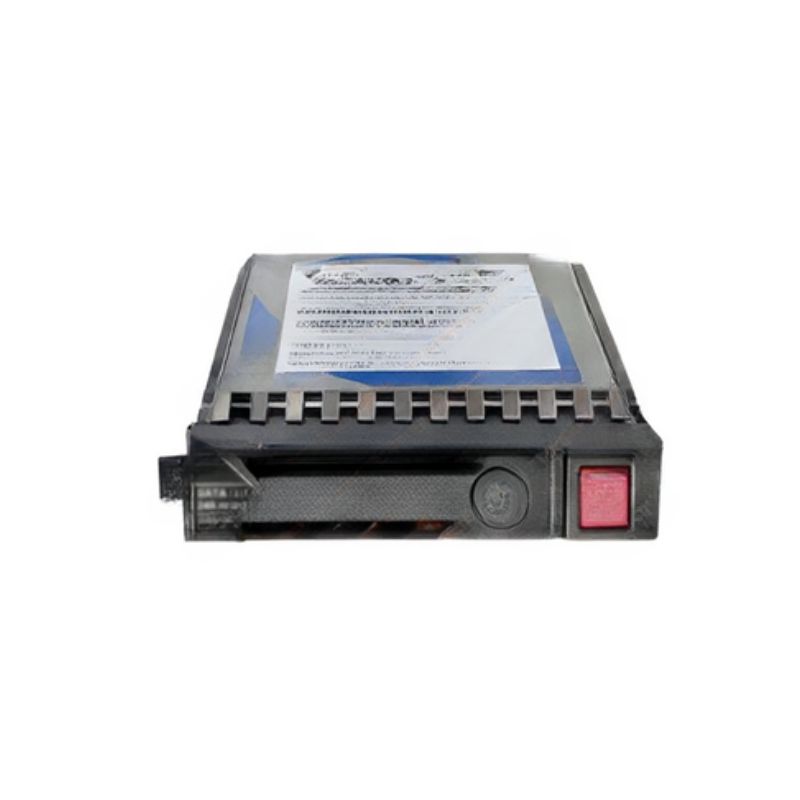


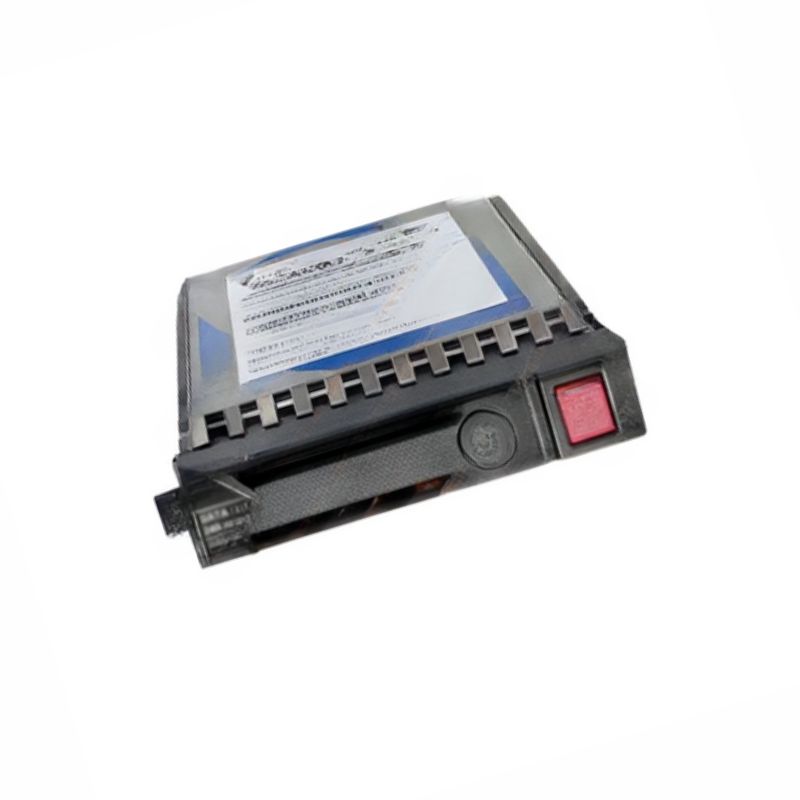
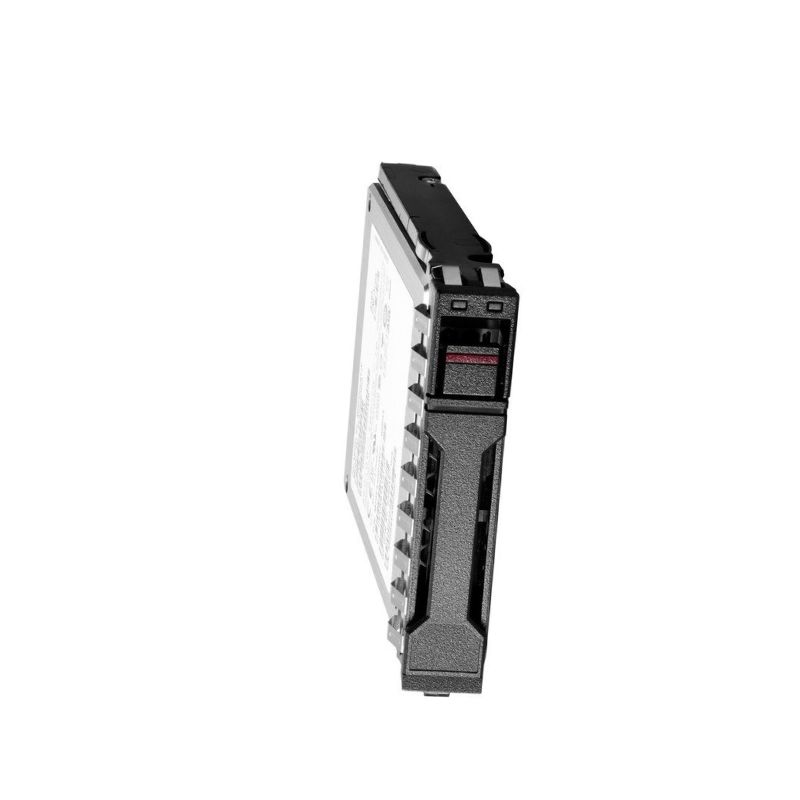
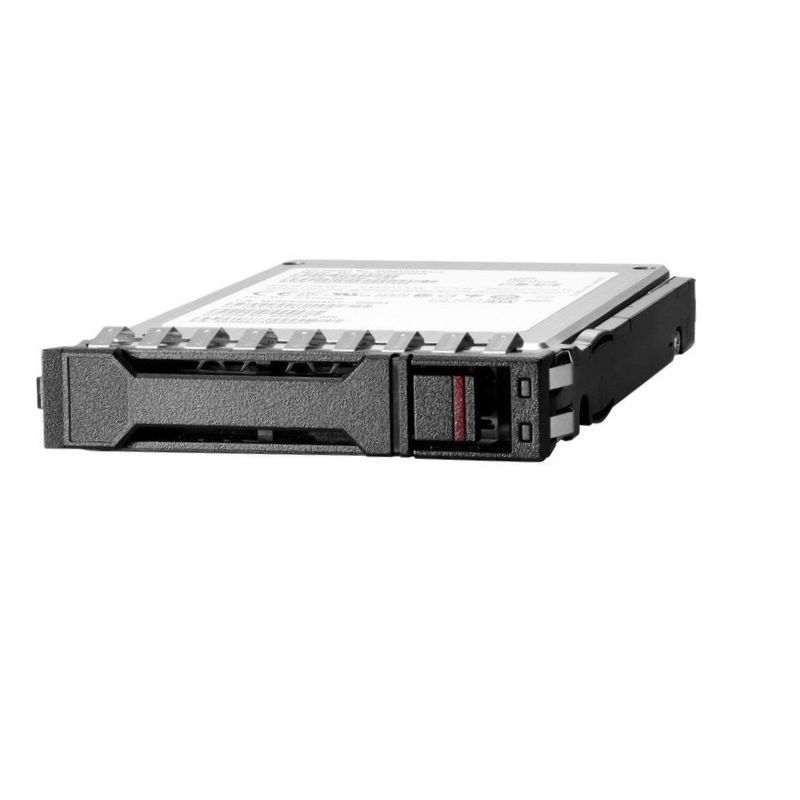
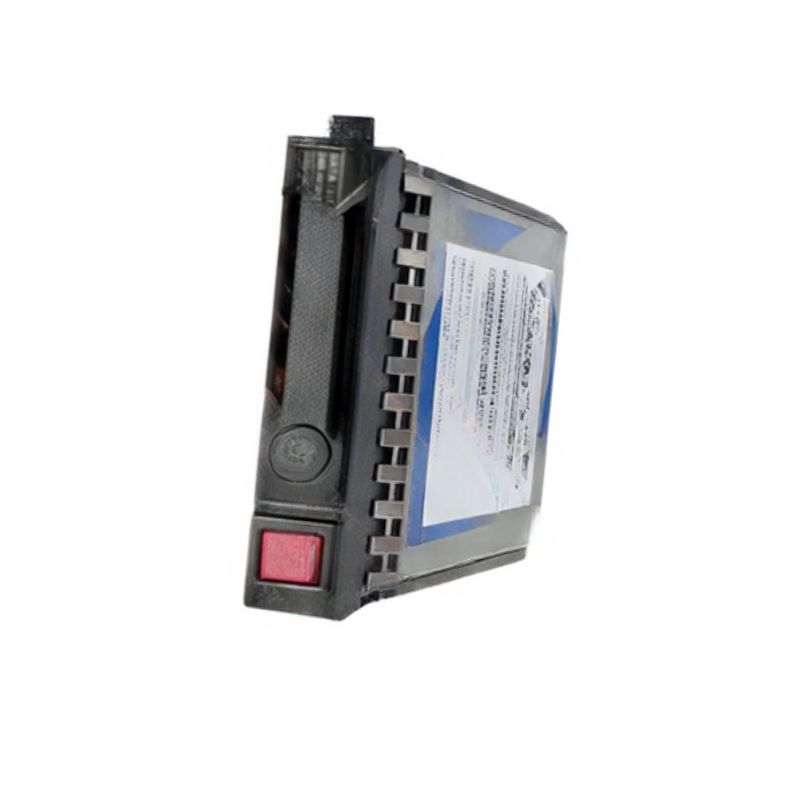
HPE VO003840KXPTP 3.84TB NVMe Mainstream Performance Read Intensive SFF Static V2 Multi Vendor SSD. Excellent Refurbished with 1 year replacement warranty
Outline of HPE Enterprise-Grade NVMe SSD Architecture
The HPE 3.84TB NVMe Gen4 Mainstream Performance Read Intensive SSD is engineered to meet the demanding requirements of data-driven enterprise environments. Designed specifically for HPE Gen10 Plus and Gen11 servers, this solid state drive leverages the U.3 NVMe interface to deliver high-throughput, low-latency storage optimized for read-focused workloads. Its compact small form factor (SFF) design ensures seamless integration into dense server architectures while maintaining exceptional reliability and consistency.
The enterprise NVMe solid state storage category represents a critical foundation for modern data center architectures, cloud platforms, virtualization environments, and high-performance computing infrastructures. Products within this category are engineered to deliver extremely low latency, high throughput, and consistent quality of service under sustained workloads. The HPE VO003840KXPTP 3.84TB NVMe Mainstream Performance RI SFF BC U.3 Static V2 Multi Vendor SSD fits squarely into this segment, designed to support business-critical applications that demand predictable performance, reliability, and compatibility with HPE ProLiant and supported multi-vendor platforms.
This category focuses on read-intensive NVMe SSDs optimized for enterprise workloads such as analytics, database acceleration, virtual desktop infrastructure, content delivery, and transactional systems. NVMe over PCIe removes legacy protocol bottlenecks associated with SATA and SAS, enabling higher parallelism and reduced CPU overhead. As data volumes continue to expand and real-time processing becomes a baseline expectation, enterprise NVMe SSDs have become a strategic investment rather than a niche upgrade.
Mainstream Performance NVMe SSDs are positioned to balance cost efficiency with enterprise-class performance and endurance. The HPE VO003840KXPTP model is engineered to serve organizations that require more than entry-level flash storage but do not necessarily need the premium endurance levels of write-intensive or mission-critical tiers. This positioning makes it suitable for a wide range of production workloads where read operations dominate and predictable latency is essential.
Within this category, HPE emphasizes platform compatibility, firmware validation, and lifecycle stability. The Static V2 designation reflects a controlled bill of materials and firmware alignment, ensuring consistency across deployments and simplifying long-term maintenance strategies. This approach reduces operational risk, especially in large environments where mixed firmware behavior can lead to performance variability.
Read-intensive NVMe SSDs are optimized for scenarios where data is accessed far more frequently than it is written. Examples include search indexes, reporting databases, streaming media repositories, and virtual machine boot volumes. The HPE VO003840KXPTP category prioritizes high read throughput and low access latency while maintaining sufficient write endurance for normal operational updates and background processes.
By focusing on read-intensive optimization, this category enables organizations to allocate storage budgets efficiently while still achieving substantial performance gains compared to traditional SAS or SATA SSDs. The result is a storage layer capable of supporting high concurrency and fast response times without the cost overhead of higher write endurance tiers.
Non-Volatile Memory Express technology was developed specifically for solid state storage, leveraging the parallelism of PCI Express. Enterprise NVMe SSDs in this category take advantage of multiple queues and deep queue depths, allowing thousands of commands to be processed simultaneously. This architectural advantage translates into higher IOPS, lower latency, and improved CPU utilization.
The HPE VO003840KXPTP NVMe SSD category benefits from PCIe connectivity that reduces protocol translation layers. This streamlined data path minimizes latency and enhances consistency under load, which is particularly important for latency-sensitive applications such as real-time analytics and high-frequency transaction processing.
The U.3 interface standard represents a unified connector that supports NVMe, SAS, and SATA signaling within the same backplane design. SSDs in this category, including the HPE VO003840KXPTP, are designed to integrate seamlessly into U.3-enabled servers, offering flexibility for mixed storage environments.
This flexibility simplifies infrastructure planning and enables gradual migration strategies. Organizations can deploy NVMe SSDs alongside existing storage technologies without redesigning server chassis or backplanes. The U.3 standard also enhances future-proofing, allowing data centers to adapt to evolving storage requirements with minimal disruption.
The Small Form Factor design of enterprise NVMe SSDs enables higher storage density within server chassis. This category supports compact drive bays that maximize capacity per rack unit, which is critical in space-constrained data centers. The 2.5-inch SFF format balances thermal management, serviceability, and density.
HPE designs this category with attention to airflow and thermal characteristics, ensuring sustained performance even under continuous workloads. Proper thermal behavior contributes to drive longevity and consistent performance, which are essential attributes for enterprise deployments.
The 3.84TB capacity tier represents a strategic balance between performance, density, and cost. Enterprise NVMe SSDs in this category provide sufficient capacity for large datasets, virtual machine clusters, and application stacks without requiring excessive drive counts. Fewer drives per server can reduce power consumption, simplify cabling, and lower management overhead.
This capacity tier is particularly well suited for consolidation initiatives, where multiple workloads are aggregated onto fewer servers. By combining high capacity with NVMe performance, organizations can achieve both scalability and responsiveness in a single storage layer.
Virtualization platforms benefit significantly from high-capacity NVMe SSDs. The HPE VO003840KXPTP category supports dense virtual machine deployments by providing fast access to shared storage pools. Rapid boot times, responsive guest operating systems, and efficient snapshot handling are direct outcomes of NVMe performance characteristics.
Data consolidation efforts also gain from reduced drive counts and simplified management. High-capacity NVMe SSDs allow administrators to centralize data while maintaining performance isolation through software-defined storage and hypervisor features.
Enterprise SSD categories emphasize reliability and predictable endurance characteristics. Read-intensive NVMe SSDs are engineered with endurance ratings aligned to their intended workloads, ensuring long service life when deployed appropriately. The HPE VO003840KXPTP category is validated for enterprise duty cycles and sustained operation.
HPE validation processes include extensive compatibility testing, firmware qualification, and integration with server management tools. This ensures that SSDs behave consistently across supported platforms and that health monitoring data is accurately reported to administrators.
The Multi Vendor classification indicates that this category includes SSDs sourced from multiple approved manufacturers while adhering to HPE performance and reliability specifications. This strategy enhances supply chain resilience and availability without compromising quality or compatibility.
For customers, multi vendor qualification provides assurance that replacements and expansions will meet the same standards as original deployments. This approach supports long-term scalability and reduces dependency on a single component supplier.
Enterprise NVMe SSDs in this category are designed for seamless integration with HPE ProLiant servers and compatible enterprise platforms. This integration extends beyond physical fit to include firmware recognition, monitoring, and management through HPE tools.
Server integration ensures that administrators can monitor drive health, temperature, and performance metrics from centralized management interfaces. Proactive alerts and predictive analytics help prevent unplanned downtime and optimize maintenance schedules.
The category supports hot plug capabilities, allowing drives to be replaced or added without shutting down servers. This feature is critical for maintaining uptime in production environments and supports continuous service delivery.
Serviceability is further enhanced through standardized carriers and tool-less installation mechanisms. These design elements reduce the time required for maintenance operations and minimize the risk of human error.
Enterprise NVMe SSD categories are defined by their ability to deliver consistent performance under load. Low latency and high throughput directly impact application responsiveness, user experience, and overall system efficiency. The HPE VO003840KXPTP category is optimized to maintain performance stability even during peak utilization.
Applications that rely on rapid data access, such as online transaction processing systems and real-time analytics engines, benefit from reduced response times. This performance advantage can translate into measurable business outcomes, including increased productivity and improved customer satisfaction.
Enterprise storage categories increasingly incorporate security and data protection features to address regulatory and operational requirements. While the primary focus of this category is performance, integration with platform-level security mechanisms enhances overall data protection strategies.
Secure firmware, authenticated updates, and compatibility with system-level encryption technologies contribute to a comprehensive security posture. These features help safeguard sensitive data and maintain compliance with industry standards.
Enterprise NVMe SSDs include advanced error correction and data integrity mechanisms. These technologies detect and correct errors at the hardware level, ensuring data accuracy throughout the drive’s lifecycle.
Robust error management is particularly important in large-scale deployments where even rare errors can have significant cumulative impact. This category is designed to minimize such risks through proven enterprise-grade technologies.
Scalability is a defining characteristic of enterprise storage categories. The HPE VO003840KXPTP NVMe SSD category supports incremental expansion and performance scaling as organizational needs evolve. NVMe architecture ensures that adding drives increases parallelism rather than creating bottlenecks.
Future-ready design principles, such as U.3 compatibility and PCIe connectivity, allow this category to remain relevant as server platforms advance. Organizations can adopt newer processors and chipsets while retaining their investment in NVMe storage.
Software-defined storage platforms rely heavily on underlying hardware performance. Enterprise NVMe SSDs in this category provide the performance foundation required for features such as tiering, replication, and data reduction.
By combining NVMe performance with software intelligence, organizations can build flexible storage architectures that adapt to changing workload demands.
High-performance NVMe SSDs consume less power per I/O operation compared to legacy storage technologies. This energy efficiency supports data center optimization initiatives aimed at reducing operating expenses and environmental impact.
By consolidating workloads onto fewer, more efficient drives, organizations can achieve measurable reductions in power and cooling requirements.
This enterprise NVMe SSD category is applicable across a wide range of industries, including finance, healthcare, manufacturing, education, and digital services. Each sector benefits from improved data access speeds, reliability, and scalability.
In financial services, fast data retrieval supports real-time risk analysis and transaction processing. In healthcare, responsive storage enables rapid access to imaging and patient records. Across all industries, the ability to process and analyze data quickly is a competitive advantage.
Enterprise NVMe SSDs are increasingly deployed beyond traditional core data centers. Edge computing environments benefit from compact, high-performance storage that supports localized processing. Cloud and hybrid architectures leverage NVMe performance to deliver consistent service levels across distributed infrastructures.
The versatility of this category allows it to serve as a common storage building block across diverse deployment models.


 Contact Us
 Information
 Catalog
 Solid State Drives (SSD)
 Network Switches
 Hard Disk Drives
 HBA & Controllers
 PC & Servers
 PC & Server Memory
 CPU & Processors
 Network Routers
 Power Supplies
 Tape Drives & Libraries
 Network Devices
 Computer & Network Cables