(7% discount is applied at checkout)
Cart is empty
Your go-to destination for cutting-edge server products
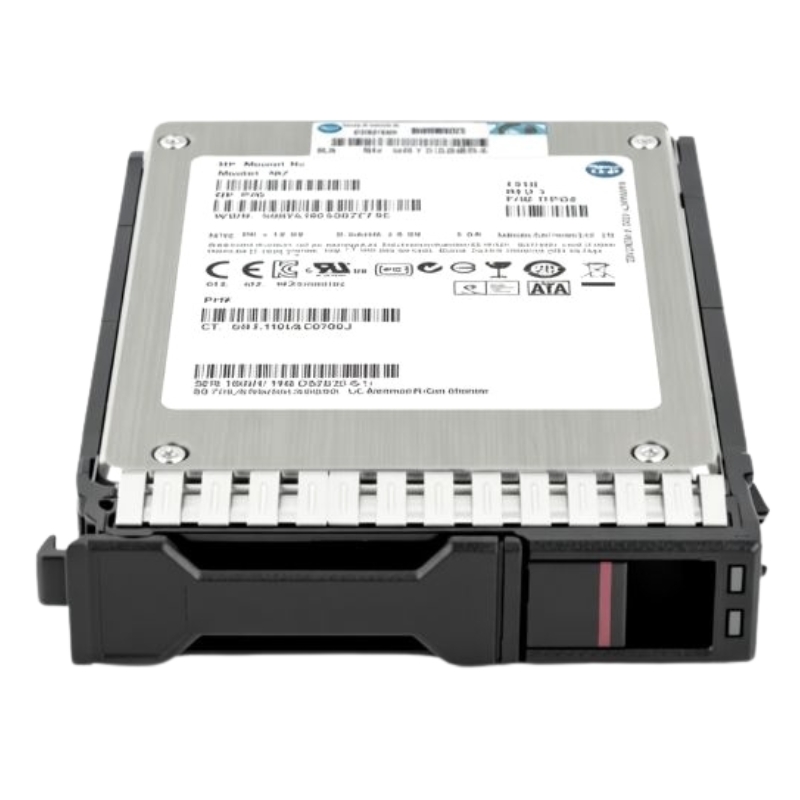


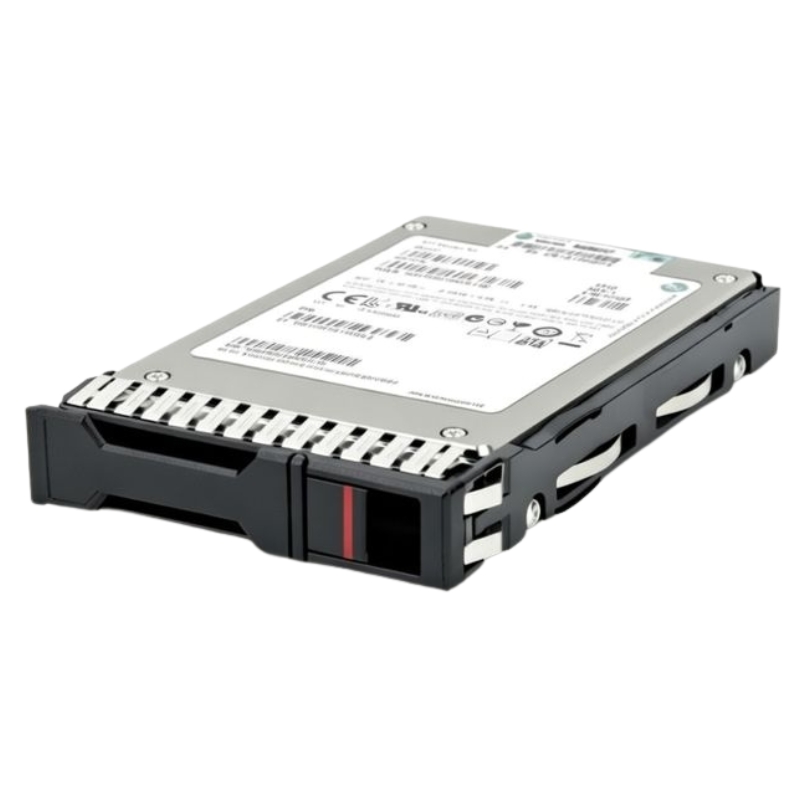
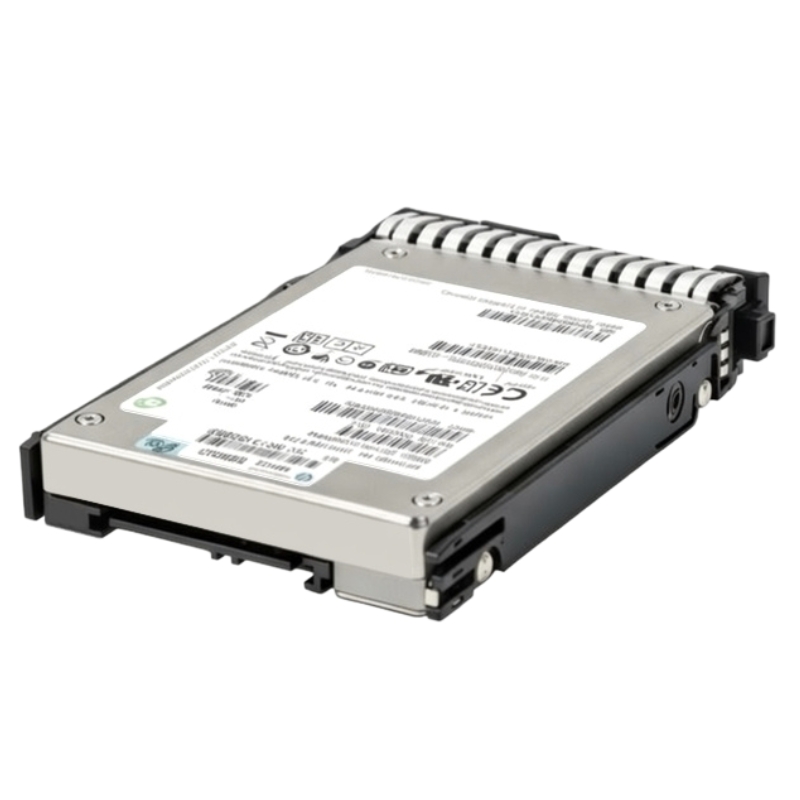
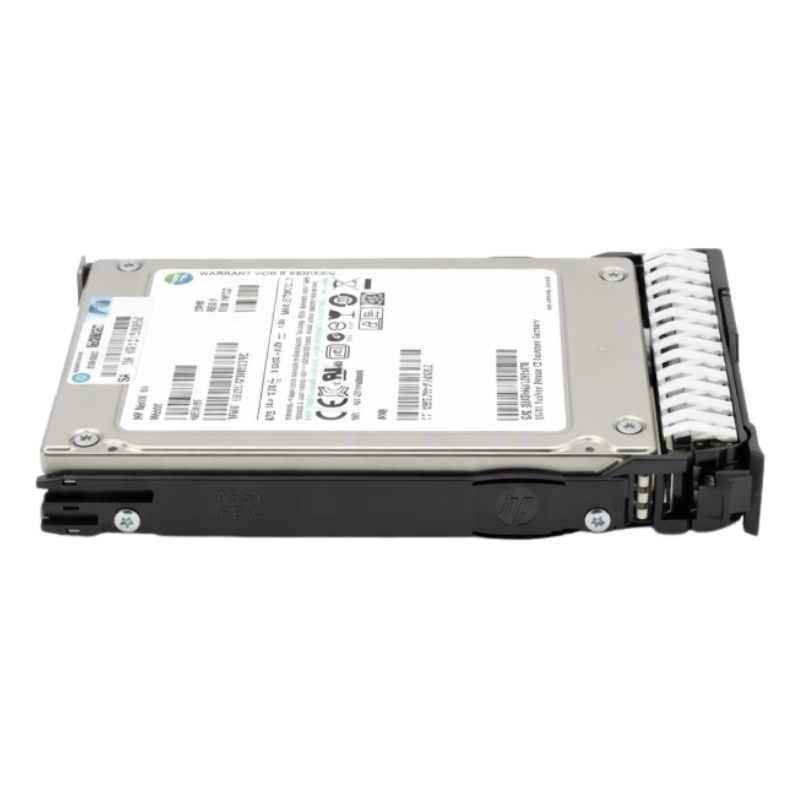
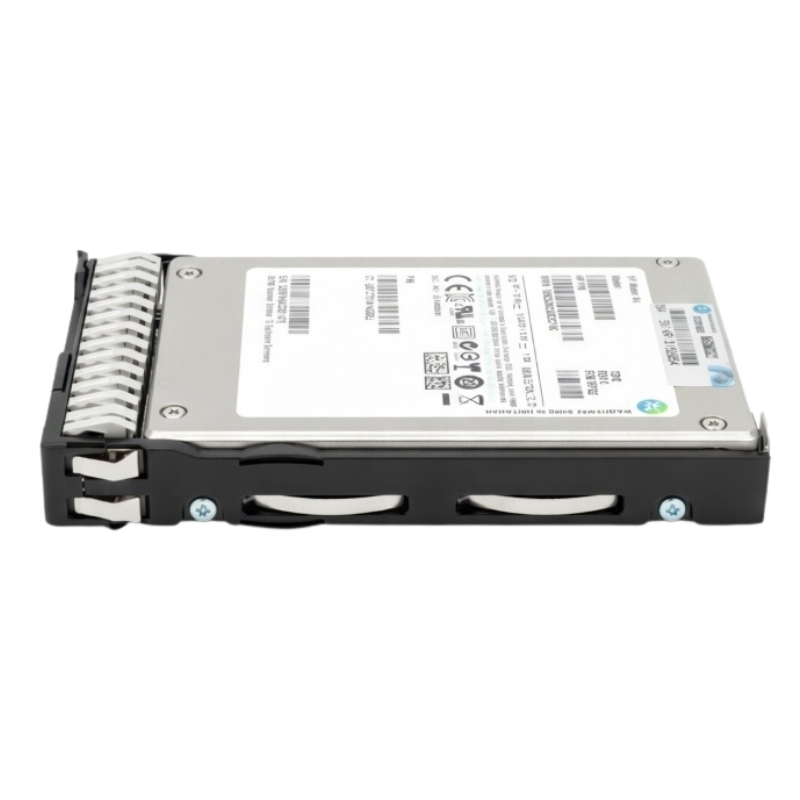
HPE P64860-001 3.84TB NVMe Gen4 Read Intensive SFF Bc U.3 Static V2 Multi Vendor Solid State Drive for Server. Excellent Refurbished with 1 Year Replacement Warranty
The HPE P64860-001 3.84TB NVMe Gen4 Read Intensive SFF BC U.3 Static V2 Solid State Drive is a high-performance server SSD engineered for enterprise environments. Built to deliver fast data access, low latency, and dependable endurance, this NVMe Gen4 drive is ideal for read-centric workloads in modern data centers.
The transition from NVMe Gen3 to Gen4 is a quantum leap in storage interface technology. NVMe (Non-Volatile Memory Express) is a protocol built from the ground up for flash storage, bypassing the bottlenecks of legacy SAS and SATA interfaces. Gen4 doubles the available bandwidth per lane, with theoretical speeds of up to 32 GT/s (Giga Transfers per second).
For a drive like the HPE P64860-001, Gen4 translates into sequential read/write speeds that can significantly exceed 7,000 MB/s, depending on the specific workload and host configuration. This performance is not about benchmark numbers alone; it directly reduces data retrieval times, accelerates database queries, speeds up virtual machine boot storms, and allows for faster processing of large datasets in analytics and AI pipelines. The high IOPS (Input/Output Operations Per Second) capability, especially for read-centric tasks, ensures that storage is rarely the limiting factor in application performance.
Perhaps more critical than pure throughput is latency reduction. NVMe Gen4 drives exhibit drastically lower latency compared to prior generations. This means the time it takes for the server's CPU to request data and receive it is minimized, leading to snappier application response times and improved efficiency for transactional workloads like online transaction processing (OLTP) and financial trading platforms.
Not all enterprise workloads are created equal. The HPE P64860-001 is specifically engineered as a Read-Intensive drive, a crucial categorization that balances performance, endurance, and cost.
Endurance is measured in Drive Writes Per Day (DWPD) or Total Bytes Written (TBW). A read-intensive drive like this one is optimized for workloads where data is read far more frequently than it is written—typically with an endurance rating in the range of 0.5 to 1 DWPD over its warranty period. For the 3.84TB capacity, this translates to a substantial TBW rating, ensuring years of reliable service in its intended role.
Boot Drives & Operating System Images: Hosting the server OS and hypervisor (e.g., VMware ESXi, Microsoft Hyper-V) for rapid system startup and management.
Database Servers (Read Replicas, Reporting): Accelerating SELECT queries, business intelligence dashboards, and data warehousing operations where read actions dominate.
Virtual Desktop Infrastructure (VDI): Storing "gold images" for thousands of virtual desktops, where boot storms and concurrent user logins create massive random read loads.
Content Delivery Networks (CDN) & Web Servers: Delivering static and dynamic web content, media files, and software downloads with ultra-low latency.
Application Hosting: Running enterprise applications where the executable files and libraries are frequently accessed but data writes are transactional and less voluminous.
The physical and logical interface of a drive determines its flexibility and deployment scope. The HPE P64860-001 excels in interoperability through its thoughtful design choices.
The U.3 interface is a groundbreaking unified interface for server storage bays. A U.3 port is a single, tri-mode port that can natively support SAS, SATA, and NVMe protocols over the same physical connector and backplane. This is achieved using the SFF-TA-1001 connector standard. For the HPE P64860-001, being a U.3 drive means it can be deployed in modern, flexible server platforms (like HPE ProLiant Gen10 Plus, Gen11, and similar multi-vendor systems) that feature U.3 bays, freeing administrators from the need to match a specific drive to a specific bay type.
The SFF (2.5-inch) form factor is the industry standard for dense server storage. It allows a high number of drives to be packed into a single 1U or 2U chassis, maximizing storage capacity and performance per rack unit. This drive's 2.5-inch size ensures broad compatibility with existing server infrastructure and storage enclosures.
The "Multi Vendor" label on this HPE drive is exceptionally important for procurement and deployment. It indicates that while the drive is branded and qualified by HPE, it is not locked to HPE servers via a proprietary firmware handshake. It uses a standard NVMe specification and U.3 interface, allowing it to be recognized and utilized in compliant servers from other major OEMs like Dell, Cisco, and Supermicro, provided the system's U.3 backplane and BIOS/UEFI support NVMe. This offers IT departments greater flexibility, reduces spare part inventory complexity, and can lead to cost savings.
Beyond specifications, the real value of an enterprise SSD lies in its underlying firmware and management features that guarantee data integrity and longevity.
Wear leveling is a critical algorithm that distributes write and erase cycles evenly across all the NAND flash blocks to prevent any single block from wearing out prematurely. Static Wear Leveling V2 is an advanced implementation that manages not only actively written data but also data that is static (rarely changed). It may periodically relocate cold data to refresh blocks and ensure all NAND media wears uniformly. This sophisticated management extends the drive's usable life beyond basic wear leveling, especially important for read-intensive drives that may hold large volumes of static data.
Enterprise drives are equipped with robust Power-Loss Protection circuits, typically comprising capacitors that provide hold-up energy in the event of a sudden power failure. This allows the drive's controller to complete any in-flight writes, commit data from the volatile cache to the non-volatile NAND, and maintain metadata consistency. This feature is essential for preventing data corruption and is a key differentiator from client SSDs.
Understanding how this drive integrates into a server architecture clarifies its role in the data center.
When installed in a U.3 bay configured for NVMe mode, the HPE P64860-001 can serve as an extremely fast and reliable boot drive. The server's firmware will recognize it as an NVMe PCIe device. The high random read performance ensures the hypervisor or operating system loads quickly, and the high endurance guarantees longevity despite frequent system reboots and updates.
Multiple drives of this type can be pooled together using SDS solutions like VMware vSAN, Windows Storage Spaces Direct, or Linux-based Ceph. In such a configuration, they form a high-performance, read-optimized tier. Their consistent low latency and high throughput are ideal for hosting the capacity tier of a hybrid vSAN cluster or accelerating read-heavy VMs in a hyper-converged infrastructure.
While not typically a write-intensive cache device, its Gen4 speed could make it suitable for a primary read cache in a larger storage hierarchy. It could also serve as a high-performance primary tier, with slower QLC or hard disk drives acting as a capacity tier below it, all managed automatically by storage software.
Placing the HPE P64860-001 within the broader landscape of enterprise storage helps in making an informed selection.
HPE's portfolio typically includes Mixed-Use (balanced read/write, ~3-5 DWPD) and Write-Intensive (10+ DWPD) models. The P64860-001 offers a cost-optimized solution for read-dominant tasks, where paying for extreme write endurance would be unnecessary. It provides the same high read performance as many mixed-use drives but at a lower price point due to its optimized NAND and endurance specification.
Compared to SATA SSDs (capped at ~600 MB/s) or even 12Gb/s SAS SSDs, the NVMe Gen4 interface provides an order-of-magnitude improvement in bandwidth and a dramatic reduction in latency. For modernizing an aging server fleet, upgrading from SATA/SAS boot drives to a U.3 NVMe boot drive like this one is one of the most impactful performance upgrades available.


 Contact Us
 Information
 Catalog
 Solid State Drives (SSD)
 Network Switches
 Hard Disk Drives
 HBA & Controllers
 PC & Servers
 PC & Server Memory
 CPU & Processors
 Network Routers
 Power Supplies
 Tape Drives & Libraries
 Network Devices
 Computer & Network Cables