(7% discount is applied at checkout)
Cart is empty
Your go-to destination for cutting-edge server products
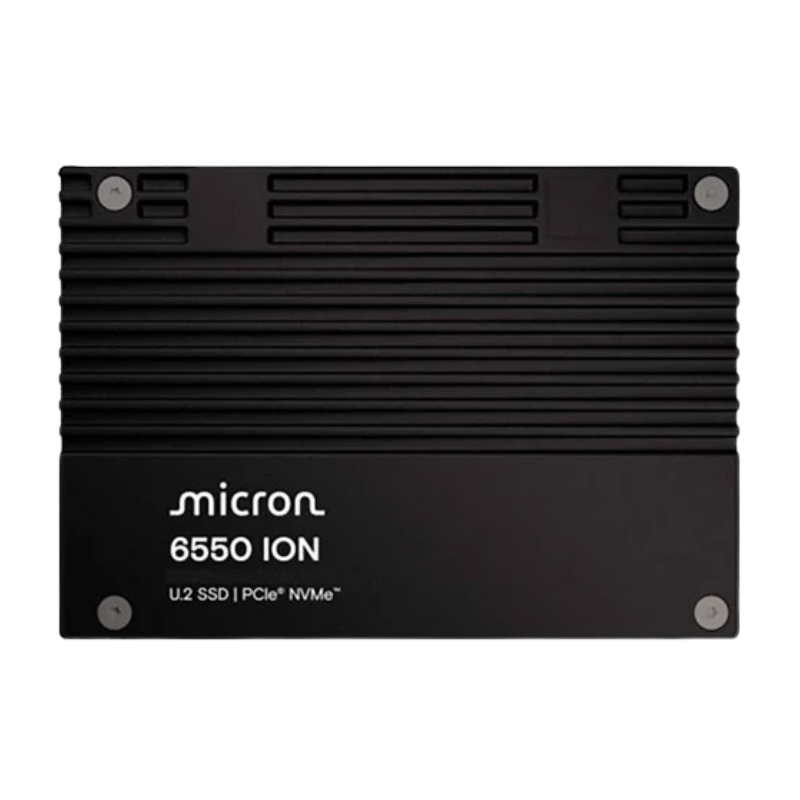


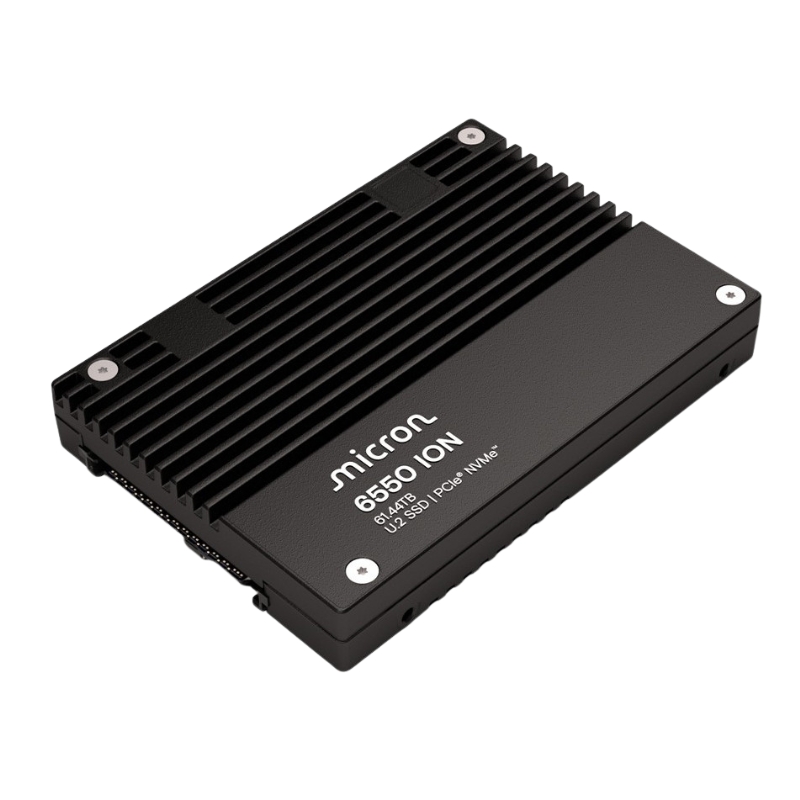
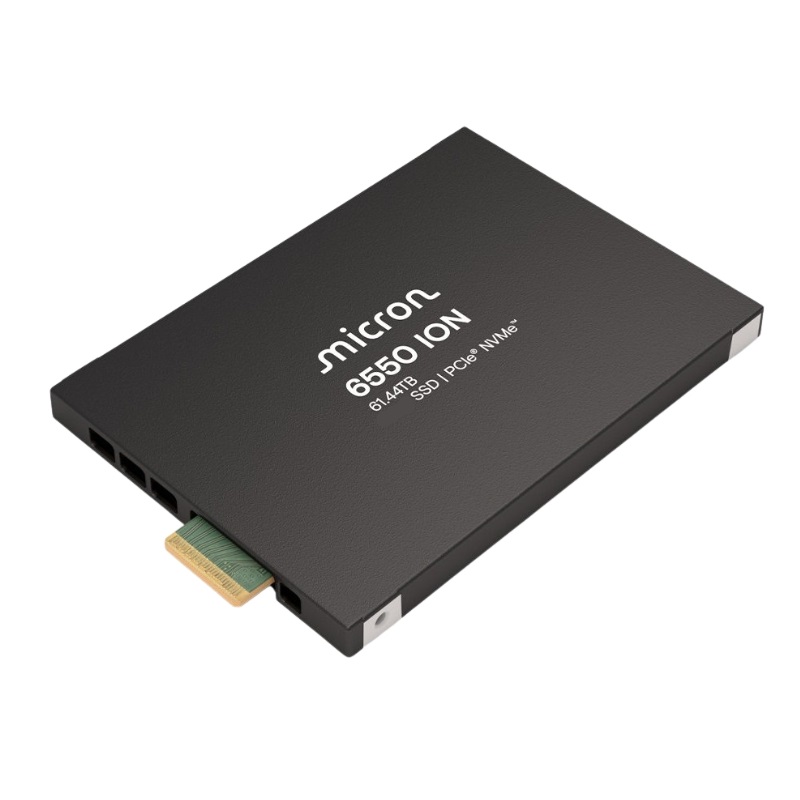
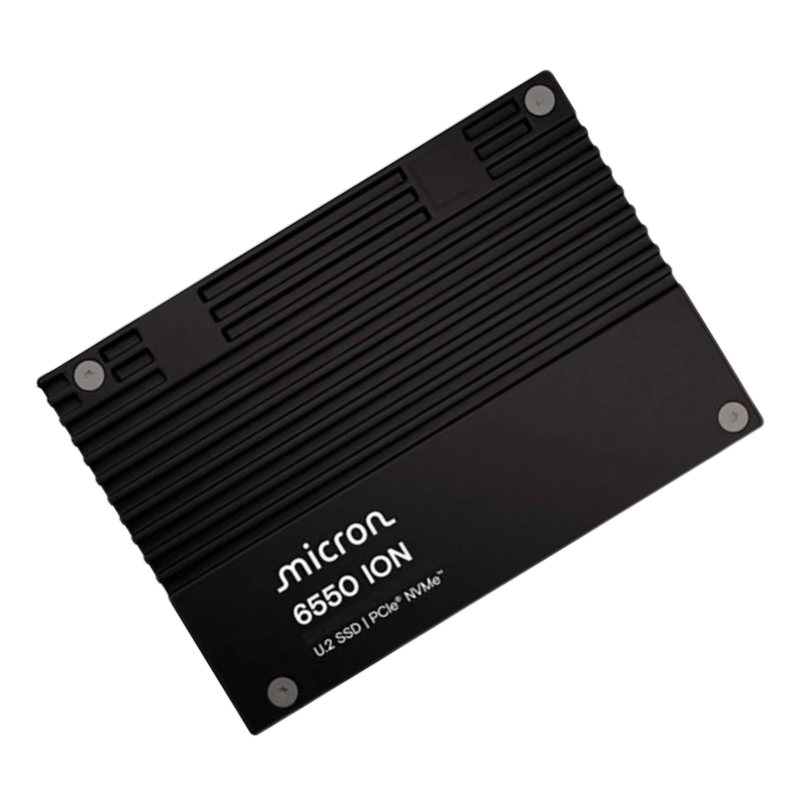
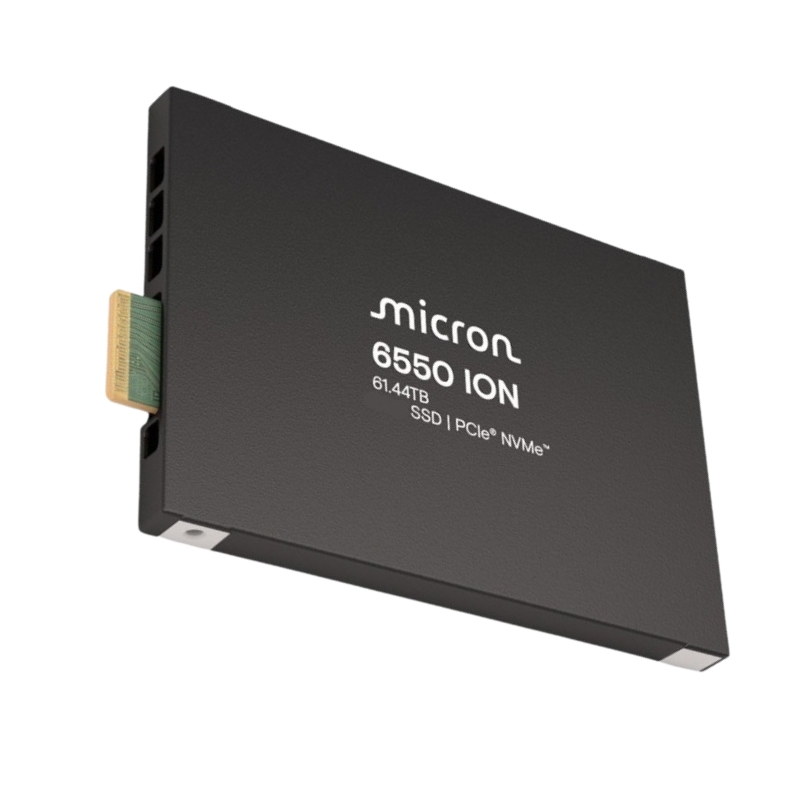
Micron MTFDLAL61T4THL-1BK4JABYY 61.44TB Nvme U.2 2.5Inch 15mm 6550 ION Enterprise Solid State Drive. New Sealed with 1-Year Replacement Warranty
The Micron MTFDLAL61T4THL-1BK4JABYY is a high-capacity enterprise-grade solid state drive engineered for superior performance, reliability, and scalability in data-intensive environments.
Enterprise NVMe U.2 solid state drives represent a specialized category of high-performance storage solutions designed to support data-intensive workloads in modern data centers, cloud infrastructure environments, and mission-critical enterprise applications. The Micron MTFDLAL61T4THL-1BK4JABYY 61.44TB NVMe U.2 2.5-inch 15mm 6550 ION Enterprise Solid State Drive belongs to this advanced storage category, where reliability, endurance, consistency, and extreme capacity converge to meet the evolving demands of large-scale digital operations. Within this category, storage devices are engineered to deliver exceptional throughput, ultra-low latency, and sustained performance under continuous load, enabling organizations to process, analyze, and store massive datasets efficiently.
The NVMe U.2 enterprise SSD category is distinguished by its ability to leverage the PCIe interface directly, bypassing traditional storage bottlenecks associated with legacy protocols. This architectural advantage allows drives like the Micron 6550 ION series to achieve significantly higher input/output operations per second while maintaining predictable performance characteristics. The category is particularly suited for environments where performance consistency is as critical as peak throughput, such as virtualization platforms, database clusters, and real-time analytics engines.
A defining characteristic of this category is its emphasis on extremely high storage capacities within a compact 2.5-inch form factor. With capacities reaching tens of terabytes, enterprise NVMe U.2 SSDs are designed to reduce physical storage footprints while maximizing usable capacity per server node. The Micron MTFDLAL61T4THL-1BK4JABYY 61.44TB drive exemplifies this approach by enabling organizations to consolidate storage resources, minimize rack space consumption, and simplify infrastructure management.
High-capacity enterprise SSDs are particularly valuable in data-driven environments where the volume of stored information continues to grow exponentially. Applications such as large-scale content repositories, big data analytics, machine learning training datasets, and archival systems benefit from the ability to store vast amounts of data locally without sacrificing performance. This category supports scalable storage architectures that can adapt to increasing demands without requiring frequent hardware expansion or complex storage tiering strategies.
The Non-Volatile Memory Express interface is a foundational element of this storage category. NVMe is specifically designed for solid-state storage, enabling parallel command processing and reduced latency compared to legacy storage protocols. In the context of enterprise U.2 SSDs, NVMe unlocks the full potential of high-speed NAND flash memory, delivering superior performance across a wide range of applications.
Enterprise NVMe U.2 SSDs utilize the PCIe bus to communicate directly with the CPU, eliminating intermediate controllers that can introduce latency. This direct connection allows for faster data transfers, improved scalability, and better overall system efficiency. The Micron 6550 ION enterprise SSD leverages these NVMe advantages to support demanding enterprise workloads that require rapid data access and processing.
The NVMe protocol supports a large number of parallel queues, each capable of handling thousands of commands simultaneously. This level of parallelism is essential for multi-threaded enterprise applications that generate high I/O concurrency. Within this category, storage devices are optimized to handle simultaneous requests from multiple virtual machines, containers, or application threads without performance degradation.
Scalability is another key benefit of NVMe-based enterprise SSDs. As organizations expand their infrastructure, the ability to scale storage performance linearly becomes increasingly important. The category supports scalable architectures where additional drives can be integrated seamlessly, allowing performance and capacity to grow in tandem with business requirements.
The U.2 2.5-inch form factor is a critical component of this enterprise SSD category, offering a balance between performance, capacity, and deployment flexibility. U.2 drives are designed to fit into standard 2.5-inch drive bays commonly found in enterprise servers and storage systems. This compatibility simplifies integration and allows organizations to upgrade existing infrastructure without extensive hardware modifications.
The 15mm height specification further enhances deployment options by providing sufficient space for high-density NAND configurations and advanced thermal management components. Drives like the Micron MTFDLAL61T4THL-1BK4JABYY utilize this form factor to deliver exceptional capacity while maintaining compatibility with industry-standard server designs.
A significant advantage of the U.2 form factor within this category is its support for hot-swapping. Enterprise environments often require continuous operation with minimal downtime, and the ability to replace or upgrade drives without shutting down systems is essential. U.2 NVMe SSDs are designed to support hot-swap functionality, allowing IT teams to perform maintenance tasks efficiently.
This serviceability is particularly valuable in large-scale data centers where uptime is critical. The category’s focus on ease of maintenance helps organizations reduce operational costs and improve overall system reliability. Drives such as the Micron 6550 ION enterprise SSD align with these requirements by supporting seamless integration into hot-swappable server configurations.
The enterprise NVMe U.2 SSD category plays a strategic role in enabling digital transformation initiatives across industries. As organizations increasingly rely on data-driven decision-making, the need for high-performance, high-capacity, and reliable storage becomes paramount. Drives like the Micron MTFDLAL61T4THL-1BK4JABYY 61.44TB NVMe U.2 enterprise SSD exemplify the capabilities of this category by delivering the performance and scalability required to support modern workloads.
By investing in enterprise-grade NVMe U.2 storage solutions, organizations can build resilient, scalable, and future-ready infrastructure. This category provides the foundation for innovation by ensuring that storage performance keeps pace with advances in compute and networking technologies, enabling enterprises to unlock the full potential of their data assets.


 Contact Us
 Information
 Catalog
 Solid State Drives (SSD)
 Network Switches
 Hard Disk Drives
 HBA & Controllers
 PC & Servers
 PC & Server Memory
 CPU & Processors
 Network Routers
 Power Supplies
 Tape Drives & Libraries
 Network Devices
 Computer & Network Cables