(7% discount is applied at checkout)
Cart is empty
Your go-to destination for cutting-edge server products
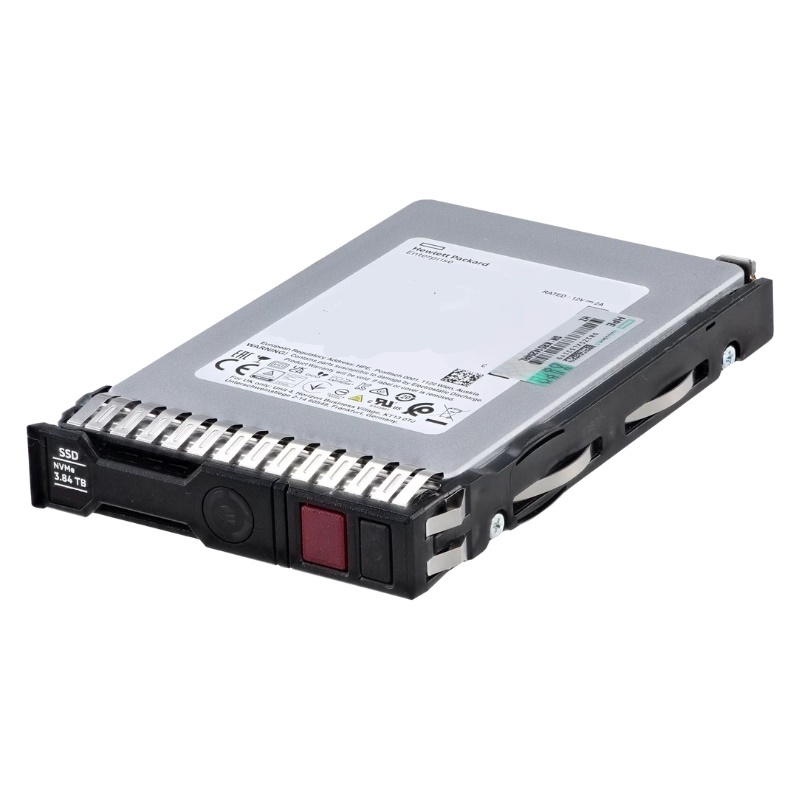


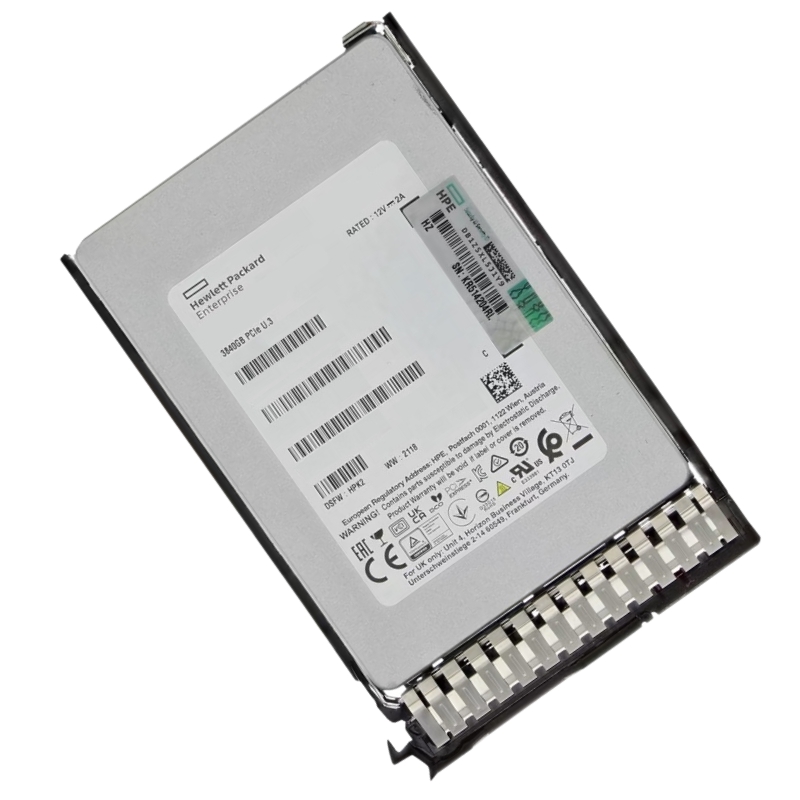
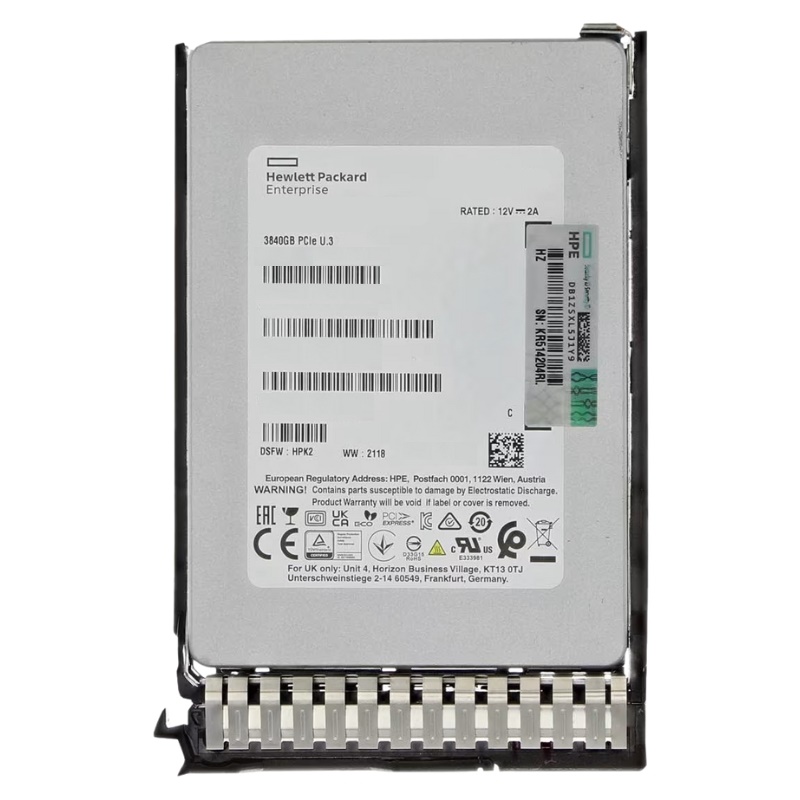
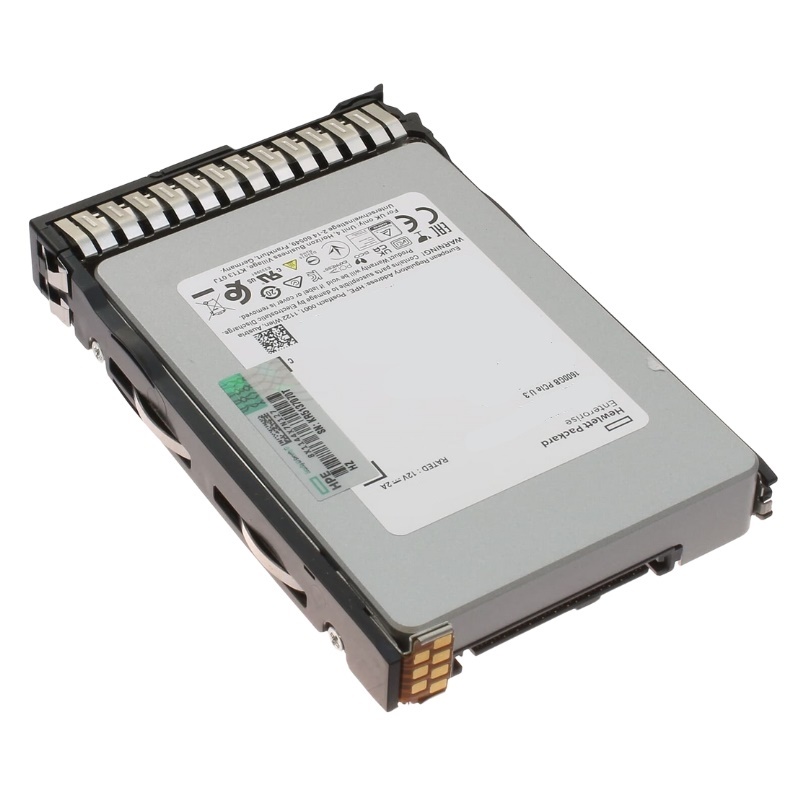
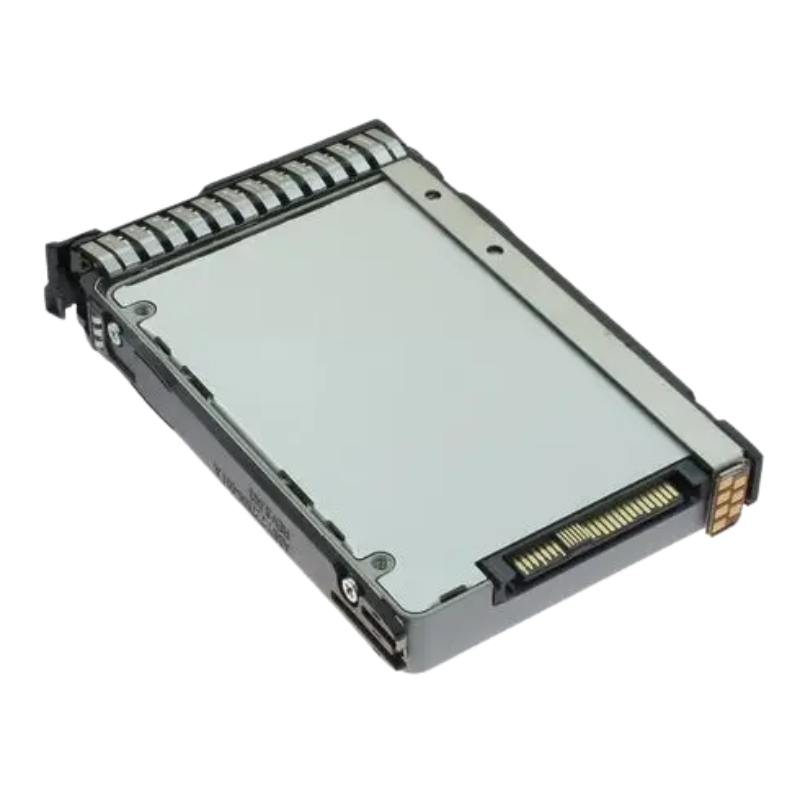
HPE P61429-001 3.84TB NVMe Gen4 High Performance Read Intensive SFF BC U.3 SSD. Factory-Sealed New in Original Box (FSB) with 3 Years Warranty
The HPE P61429-001 3.84TB NVMe Gen4 RI SFF SC U.3 SSD is a high-performance solid-state drive engineered for enterprise workloads. Designed with advanced NVMe technology, it ensures rapid data access, reliability, and scalability for modern IT infrastructures.
The HPE 3.84TB NVMe Gen4 High Performance Read Intensive SFF BC U.3 Self Encrypting FIPS 140-3 SSD category represents a specialized class of enterprise solid state storage engineered for modern data centers that demand extreme throughput, low latency, and uncompromising security. This category focuses on NVMe-based solutions that leverage PCIe Gen4 bandwidth, enabling substantially higher performance than legacy SATA or SAS SSDs. Designed for read-intensive workloads, these drives are optimized to deliver consistent performance in environments where data is accessed frequently but written less often, such as analytics platforms, virtualization layers, content delivery infrastructures, and large-scale database systems.
This category is defined by the Small Form Factor design combined with U.3 backplane compatibility, allowing seamless integration across NVMe, SAS, and SATA infrastructures while maintaining forward compatibility. By utilizing HPE’s Bootable Carrier architecture, the drive ensures simplified serviceability, enhanced airflow management, and reliable hot-swap functionality in supported HPE ProLiant servers. The inclusion of self-encrypting drive technology compliant with FIPS 140-3 standards positions this category as a cornerstone for security-sensitive deployments.
The read intensive design approach within this category prioritizes endurance efficiency and sustained read throughput. HPE engineers these SSDs to maximize read IOPS and sequential read bandwidth while maintaining controlled write amplification. This balance is critical for applications where the data set is frequently queried, indexed, or streamed, but experiences relatively fewer write operations. Examples include data warehouses, business intelligence dashboards, machine learning inference engines, and web-scale content platforms.
By utilizing advanced NAND flash management and optimized firmware algorithms, the category delivers predictable latency profiles even under heavy parallel access. This consistency is essential for enterprise workloads that rely on deterministic performance to meet service-level agreements. The 3.84TB capacity further enhances consolidation strategies by allowing more data to reside on fewer physical drives, reducing rack space usage and simplifying storage management.
The NVMe Gen4 interface is a defining feature of this category, offering double the bandwidth of PCIe Gen3. This increase enables significantly higher data transfer rates, making it possible to process large datasets with minimal delay. NVMe’s streamlined command set and reduced protocol overhead allow the SSD to communicate directly with the CPU, bypassing traditional storage bottlenecks and improving overall system efficiency.
Within enterprise environments, this translates to faster boot times, accelerated application launches, and improved responsiveness for latency-sensitive workloads. The Gen4 interface also ensures future-ready compatibility, allowing organizations to scale performance as server architectures evolve without replacing core storage assets prematurely.
U.3 technology enables a single connector interface that supports NVMe, SAS, and SATA protocols, providing exceptional deployment flexibility. In this category, U.3 compatibility ensures that the HPE 3.84TB NVMe SSD can be integrated into mixed-drive environments without requiring specialized backplanes or adapters. This capability is particularly valuable for data centers transitioning from legacy storage protocols to NVMe-based architectures.
By supporting tri-mode backplanes, the category allows IT teams to standardize on a single drive bay design while choosing the most appropriate storage protocol for each workload. This approach reduces infrastructure complexity, minimizes upgrade costs, and enhances long-term scalability.
Security is a foundational pillar of this category, with self-encrypting drive functionality embedded at the hardware level. The SSD automatically encrypts all data written to the drive using advanced cryptographic algorithms, ensuring that sensitive information remains protected even if the physical device is removed from the server. This hardware-based encryption operates transparently, eliminating performance penalties typically associated with software encryption solutions.
Compliance with FIPS 140-3 standards underscores the category’s suitability for regulated industries such as finance, healthcare, government, and defense. This certification validates the cryptographic module’s robustness and adherence to stringent security requirements, providing organizations with confidence in their data protection strategies.
FIPS 140-3 compliance ensures that the cryptographic mechanisms used within the drive meet internationally recognized security benchmarks. This is particularly important for enterprises that must adhere to compliance frameworks requiring validated encryption methods. The category supports secure key management processes and enables rapid data sanitization through cryptographic erase functions.
These features simplify compliance audits and reduce operational risk by ensuring that sensitive data cannot be accessed without proper authorization. The integration of security at the drive level also reduces dependency on external encryption appliances or complex software configurations.
Hardware-based encryption within this category operates independently of the host system, preserving CPU resources for application processing. This efficiency is critical in high-density server environments where maximizing compute utilization directly impacts performance and cost-effectiveness. By offloading encryption tasks to the drive controller, the SSD maintains consistent throughput even under heavy load.
The Small Form Factor design of this category enables high storage density within compact server chassis. This is particularly beneficial for space-constrained data centers and edge deployments where maximizing capacity per rack unit is a priority. The integration with HPE’s Bootable Carrier enhances operational reliability by providing standardized mounting, clear drive status indicators, and improved thermal characteristics.
Hot-plug capability allows drives to be replaced or upgraded without system downtime, supporting continuous availability requirements. This feature is essential for mission-critical applications where maintenance windows are limited or non-existent.
Thermal management is a critical consideration for high-performance NVMe SSDs. This category incorporates advanced thermal monitoring and airflow-optimized carrier designs to maintain optimal operating temperatures. By preventing thermal throttling, the SSD delivers sustained performance over extended periods, even in densely populated server configurations.
Reliability is further enhanced through rigorous validation with HPE ProLiant servers, ensuring compatibility and stability across supported platforms. This tight integration reduces the risk of firmware conflicts and simplifies lifecycle management.
This category is engineered to support a wide range of enterprise workloads that demand high read throughput and low latency. Virtualized environments benefit from rapid VM provisioning and responsive storage access, while database systems experience faster query execution and reduced transaction latency. Content delivery networks leverage the SSD’s read performance to serve large volumes of data efficiently to end users.
In analytics and big data platforms, the ability to scan and process massive datasets quickly enhances insight generation and decision-making. The 3.84TB capacity allows organizations to keep more active data on high-performance storage tiers, reducing reliance on slower secondary storage.
Scalability is a defining characteristic of this category, enabling seamless expansion as data requirements grow. NVMe Gen4 performance ensures that adding more drives does not introduce bottlenecks, while U.3 compatibility supports heterogeneous storage configurations. This flexibility allows data centers to evolve incrementally without disruptive infrastructure overhauls.
The category aligns well with cloud-native and hybrid infrastructure models, where performance consistency and security are paramount. The SSD’s capabilities support containerized workloads, microservices architectures, and software-defined storage solutions that rely on fast, reliable underlying hardware.
The read intensive endurance profile of this category is tailored to workloads with high read-to-write ratios. By optimizing NAND utilization and minimizing unnecessary write cycles, the SSD achieves a balance between longevity and performance. This design ensures a cost-effective solution for applications that do not require heavy write endurance but demand exceptional read speed.
Power efficiency is an often-overlooked advantage of this category. NVMe SSDs consume less power per IOPS compared to traditional spinning disks or older SSD technologies. This efficiency reduces overall energy consumption and cooling requirements, contributing to lower operational costs and supporting sustainability initiatives within the data center.
This category is purpose-built for compatibility with HPE ProLiant Gen10 Plus and Gen11 servers, ensuring optimal performance and reliability. Extensive testing and validation guarantee seamless integration with server firmware, BIOS, and management utilities. This ecosystem alignment reduces deployment complexity and accelerates time to value for enterprise customers.
By choosing storage solutions within this category, organizations benefit from HPE’s unified support model, simplifying troubleshooting and ensuring consistent firmware updates. This integrated approach enhances confidence in long-term platform stability and performance.


 Contact Us
 Information
 Catalog
 Solid State Drives (SSD)
 Network Switches
 Hard Disk Drives
 HBA & Controllers
 PC & Servers
 PC & Server Memory
 CPU & Processors
 Network Routers
 Power Supplies
 Tape Drives & Libraries
 Network Devices
 Computer & Network Cables