(7% discount is applied at checkout)
Cart is empty
Your go-to destination for cutting-edge server products
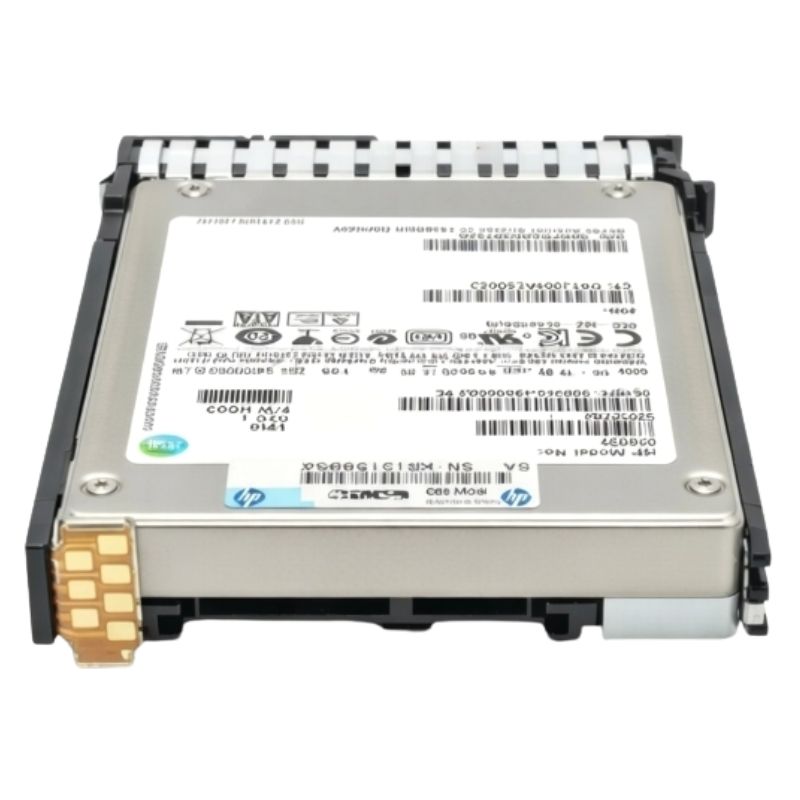


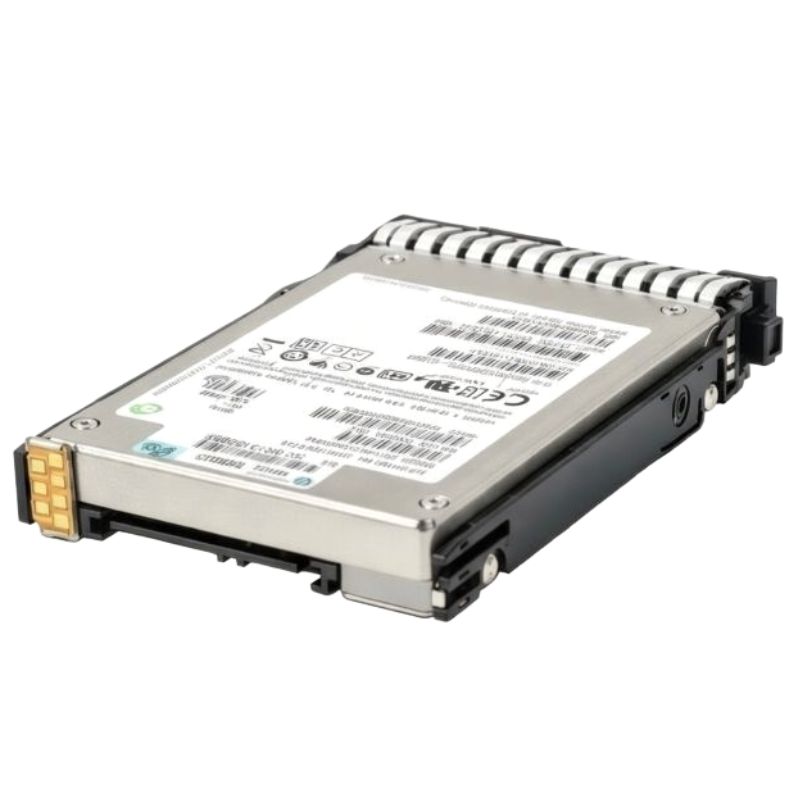
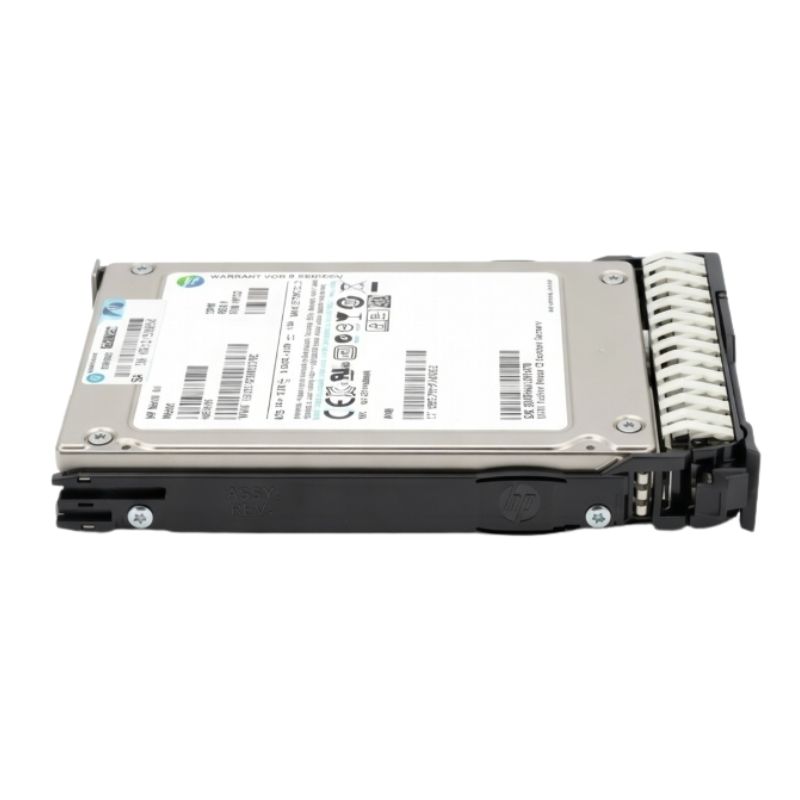
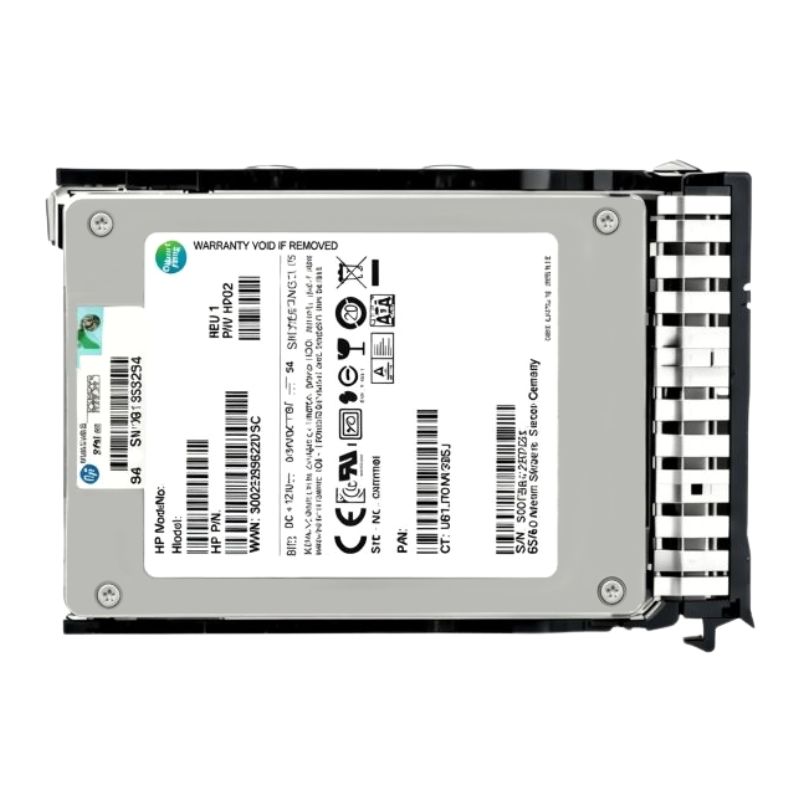
HPE P41562-001 960GB Nvme Gen4 BC Read Intensive PM1733 SFF Solid State Drive. New (System) Pull with 1-Year Replacement Warranty
The HPE P41562-001 960GB NVMe Gen4 Read Intensive Solid State Drive is designed to address the growing performance demands of modern enterprise workloads. Built for reliability, speed, and efficiency, this SFF (Small Form Factor) SSD integrates seamlessly into data center environments where low latency and high throughput are critical. Leveraging next-generation NVMe Gen4 connectivity, it delivers exceptional responsiveness for read-heavy applications while maintaining consistent performance under sustained load.
The HPE P41562-001 is not a generic drive; it is a tightly integrated component built on the proven Samsung PM1733 platform and validated exhaustively by HPE. This ensures peak performance, manageability, and reliability within the HPE ecosystem.
Understanding the NVMe Gen4 Advantage
NVMe Gen4 represents a quantum leap in storage interconnect technology. Doubling the bandwidth of the previous Gen3 standard, it delivers PCIe lane speeds of up to 32 GT/s (Giga transfers per second), enabling unprecedented sequential read/write throughput. For enterprises, this translates to drastically reduced application load times, accelerated database queries, and the ability to handle more virtual machines and containers per server. The HPE PM1733 series leverages this interface to its full potential, ensuring that storage is no longer the bottleneck in data-centric workflows.
The integration of Triple-Level Cell (TLC) flash memory allows this NVMe SSD to achieve an effective balance between durability and storage density. TLC technology enables higher capacities within a compact footprint while maintaining dependable endurance for business-critical systems. Combined with intelligent firmware management, the drive ensures stable performance throughout its operational lifecycle.
The "Read-Intensive" classification is a critical subcategory within enterprise SSDs. It signifies an optimized design philosophy prioritizing endurance, cost-effectiveness, and stellar read performance for data retrieval-dominated environments.
The HPE P41562-001 960GB drive is engineered to excel in scenarios where data is frequently accessed and referenced, but written less often. Common deployment scenarios include. In virtualized infrastructures using VMware vSphere, Microsoft Hyper-V, or KVM, fast, reliable boot drives for the hypervisor are essential. This drive ensures quick host boot times and snappy response from the management layer.
Read-Intensive drives like the PM1733 are optimized with a focus on a specific endurance profile, measured in Drive Writes Per Day (DWPD). While offering slightly lower write endurance compared to Mixed-Use or Write-Intensive drives, they provide exceptional value and more than sufficient durability for their target workloads, often backed by a robust 5-year warranty.
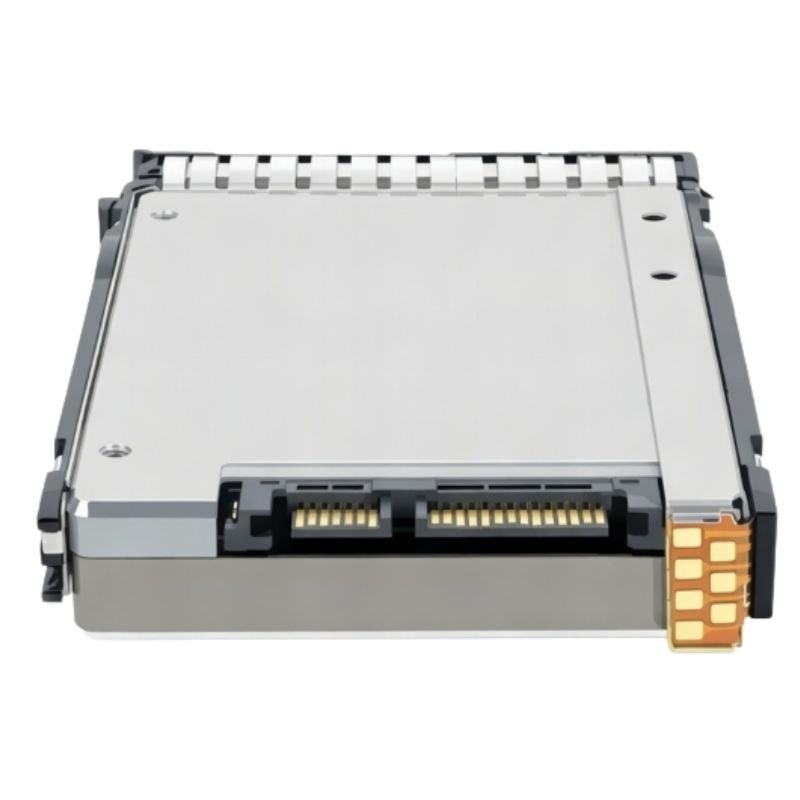
The 2.5-inch SFF form factor with a U.2 (SFF-8639) connector is the industry standard for hot-swappable enterprise NVMe drives. It allows for seamless integration into existing HPE Gen10, Gen10 Plus, and Gen11 server bays (like those in ProLiant DL and Apollo systems) and HPE storage arrays, providing a familiar tool-less service experience for IT staff.
The 960GB capacity point is strategically chosen. It offers substantial space for operating systems, hypervisors, application binaries, and cache data, while maintaining an attractive price-per-gigabyte ratio. It serves as an ideal balance between cost and capability for boot, staging, and targeted read-cache roles.
At its core, the drive utilizes high-quality 3D TLC (Triple-Level Cell) NAND flash. HPE enhances this with sophisticated firmware algorithms for wear leveling, bad block management, and garbage collection.
HPE provides certified, tested firmware updates for the drive through standard HPE support channels. These updates are designed to work in harmony with specific server generations and are often bundled in Smart Update Manager (SUM) catalogs. The drive's detailed telemetry feeds into HPE's predictive analytics stack, enhancing overall system reliability.
Mixed-Use drives, such as the HPE PM1653, are built for a balanced 50/50 or 70/30 read/write workload. They feature higher write endurance (e.g., 3-5 DWPD) and often use more expensive components. The Read-Intensive drive offers a more cost-optimal solution when write cycles are known to be lower.
Write-Intensive drives, like those based on SLC or special Z-NAND, are designed for extreme write workloads (10+ DWPD) such as heavy logging, write-back caching, or high-frequency trading. They command a significant price premium. The RI category avoids this over-provisioning for writes, saving costs.
Some manufacturers offer a tier below RI, often called Value Endurance. While cost-effective, these may have significantly lower endurance (e.g., < 1 DWPD) and may lack full enterprise features like PLP. The HPE P41562-001 sits comfortably in the mainstream RI tier, offering the full enterprise feature set with optimized endurance.
Before deployment, profile the intended workload's read/write ratio. Tools like HPE iLO performance graphs or OS-level monitoring can help. Workloads with a sustained write rate exceeding 1-2 DWPD should be considered for a Mixed-Use drive instead.
NVMe Gen4 drives can generate significant heat under load. Ensuring proper server airflow, as per HPE's thermal guidelines, is critical to maintain performance and longevity. HPE servers are designed with optimized airflow paths for these components.
The drive is fully discoverable and monitorable through HPE Integrated Lights-Out (iLO) and HPE One View. Administrators can view drive health, temperature, SMART attributes, and predicted failure alerts directly from these management interfaces, enabling proactive support and simplifying fleet management.


 Contact Us
 Information
 Catalog
 Solid State Drives (SSD)
 Network Switches
 Hard Disk Drives
 HBA & Controllers
 PC & Servers
 PC & Server Memory
 CPU & Processors
 Network Routers
 Power Supplies
 Tape Drives & Libraries
 Network Devices
 Computer & Network Cables