(7% discount is applied at checkout)
Cart is empty
Your go-to destination for cutting-edge server products
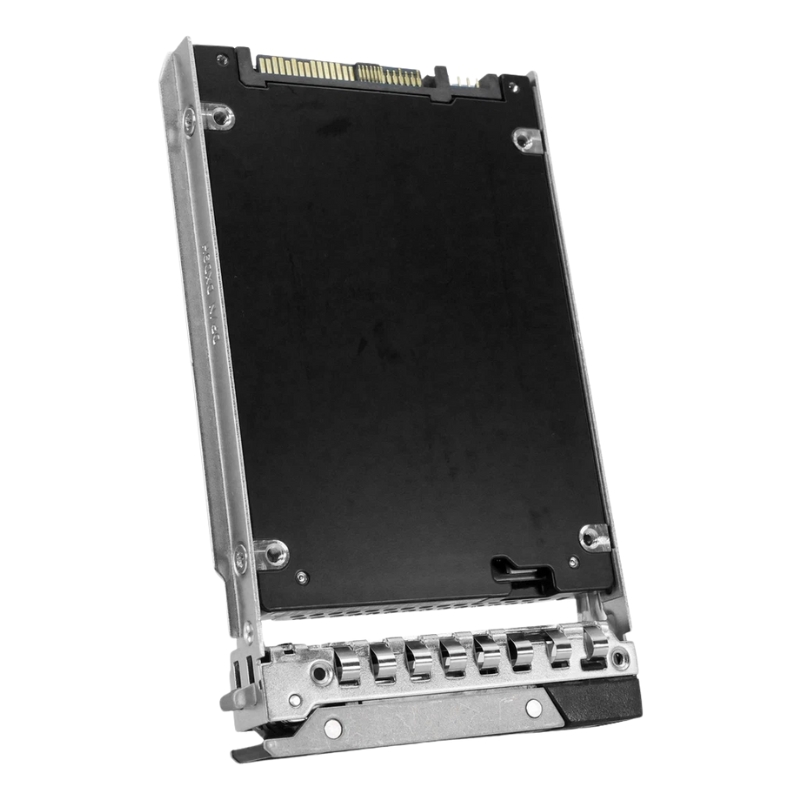


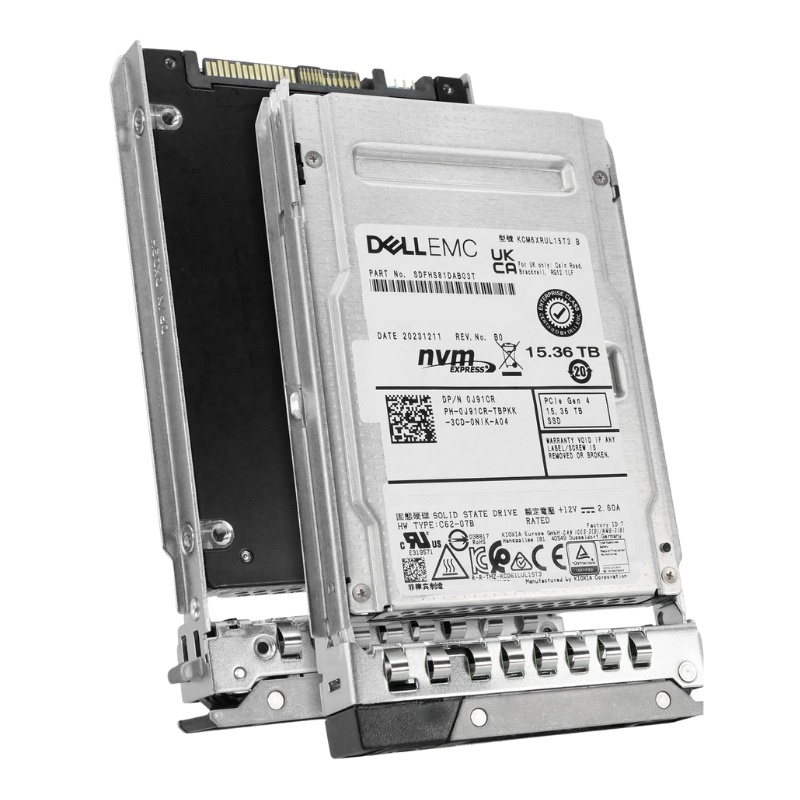
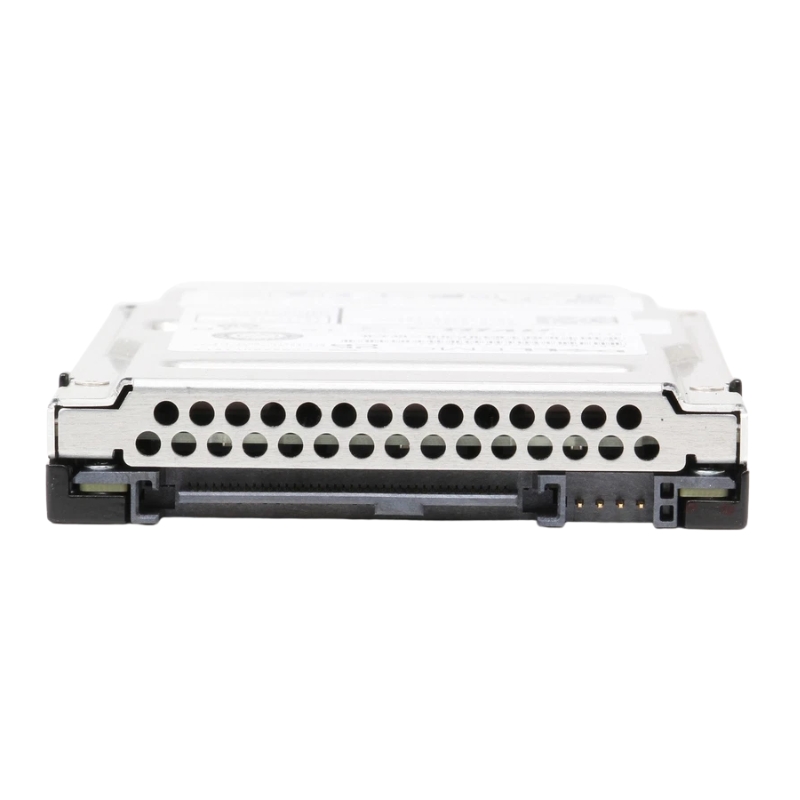
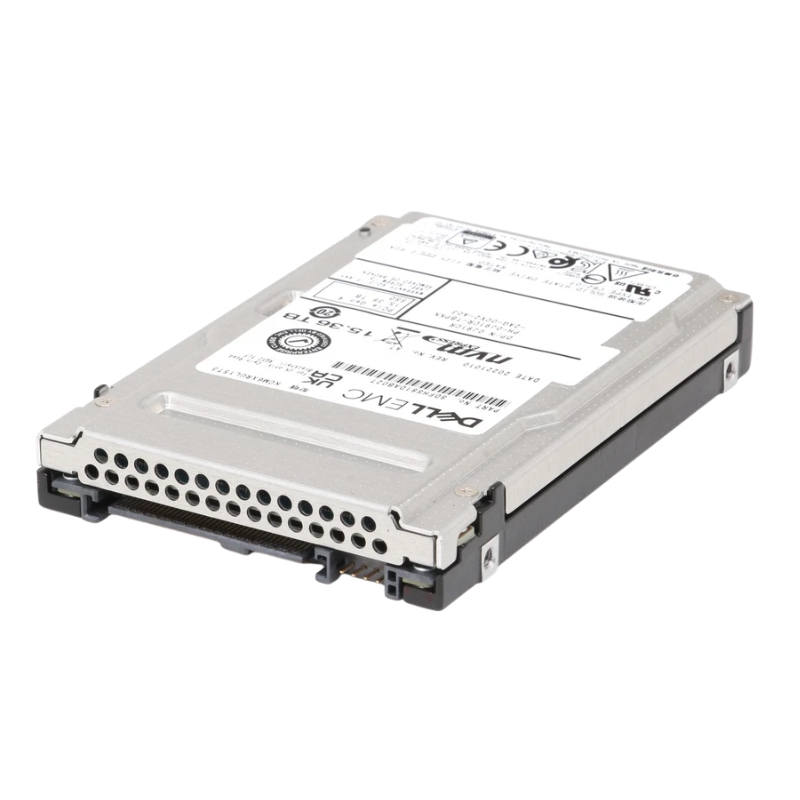
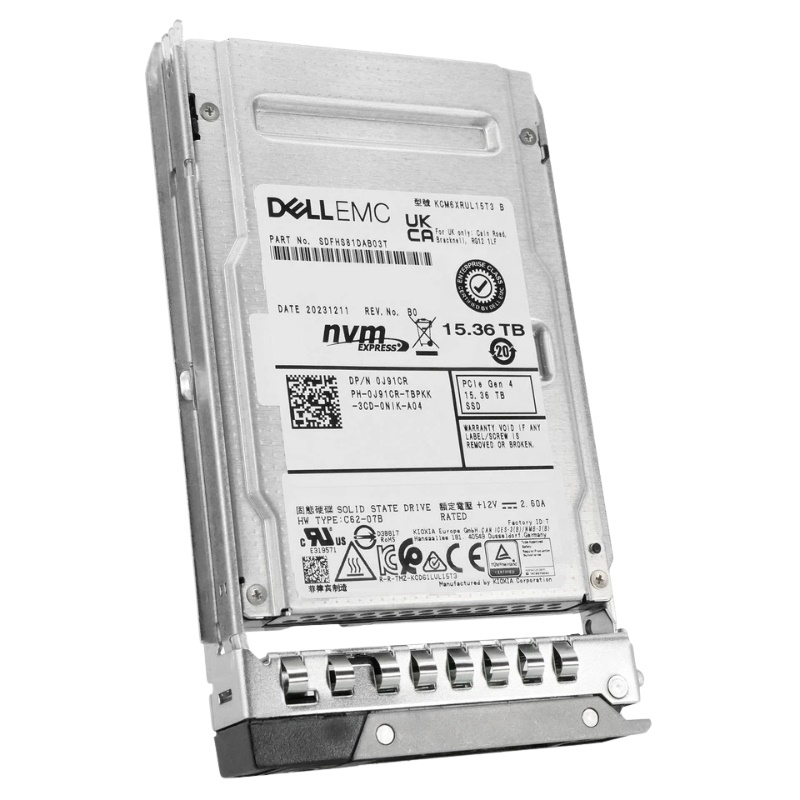
Dell 345-BMNP 15.36TB NVMe U.2 PCIe Gen4 2.5-Inch SFF Read Intensive TLC Solid State Drive. New Sealed in Box (NIB) with 1 Year Replacement Warranty
The Dell 345-BMNP 15.36TB NVMe SSD is an enterprise-grade, read-intensive storage solution designed for high-performance Dell PowerEdge servers. Featuring a PCIe Gen4 NVMe interface and a compact 2.5-inch U.2 form factor, this solid state drive delivers fast data access, low latency, and dependable reliability for modern data center workloads.
The Dell 345-BMNP 15.36TB NVMe U.2 PCIe Gen4 2.5-Inch SFF Read Intensive TLC Solid State Drive is part of a well-established enterprise storage category that delivers high-capacity NVMe performance within the widely adopted U.2 small form factor. This category is designed for organizations that require reliable, high-throughput storage while maintaining compatibility with traditional 2.5-inch server architectures. By combining PCIe Gen4 bandwidth, NVMe protocol efficiency, and read-intensive TLC NAND technology, this category supports modern enterprise workloads that demand fast data access, predictable latency, and operational stability.
Many enterprise data centers operate across multiple hardware generations, making flexibility and backward compatibility critical considerations. The Dell 345-BMNP category serves as a bridge between legacy SAS or SATA SSDs and newer PCIe-based storage technologies. By offering NVMe performance in a familiar 2.5-inch U.2 form factor, this category allows organizations to upgrade storage tiers without redesigning server layouts or retraining operational staff. This category is commonly deployed in environments where long-term stability, vendor support, and predictable performance are prioritized. The U.2 interface has become a trusted standard in enterprise storage, enabling straightforward integration into a wide range of server platforms and storage backplanes.
Enterprise storage architectures frequently employ tiered designs to balance performance, capacity, and cost. The Dell 345-BMNP category is well suited for read-optimized performance tiers, where rapid access to large datasets is more important than extreme write endurance. This placement allows organizations to allocate storage resources efficiently, matching drive characteristics to workload requirements. By clearly defining its role within the storage hierarchy, this category simplifies capacity planning and enables predictable application performance across diverse workloads.
The PCIe Gen4 NVMe interface is a defining feature of the Dell 345-BMNP category, delivering a substantial improvement in bandwidth and efficiency compared to PCIe Gen3-based storage. PCIe Gen4 doubles the per-lane transfer rate, enabling higher aggregate throughput and reducing the likelihood of interface bottlenecks. This performance uplift ensures that high-capacity drives can sustain fast data access even under heavy load. The NVMe protocol complements PCIe Gen4 by providing a streamlined command set designed specifically for solid state storage. NVMe reduces latency, minimizes CPU overhead, and supports extensive parallelism, allowing enterprise applications to access data more efficiently.
Enterprise environments often involve simultaneous access from multiple applications, users, or virtual machines. The Dell 345-BMNP category supports NVMe’s multi-queue architecture, enabling thousands of concurrent I/O commands to be processed in parallel. This capability is essential for maintaining consistent performance in multi-tenant and virtualized environments. Advanced controllers within this category manage deep queue depths effectively, distributing workloads across internal resources to prevent congestion. This design ensures that performance scales smoothly as demand increases.
Predictable latency is a core requirement for enterprise storage. Drives in the Dell 345-BMNP category are engineered to deliver stable low-latency performance, particularly for read-dominant workloads. Firmware optimizations prioritize read operations and manage background processes to minimize latency variation. This emphasis on quality of service benefits applications such as databases, reporting platforms, and virtualization hosts, where consistent response times are critical for maintaining user experience and service-level objectives.
The U.2 2.5-inch small form factor is a cornerstone of this storage category, offering broad compatibility with existing enterprise server designs. The Dell 345-BMNP category leverages this widely adopted form factor to deliver NVMe performance without requiring specialized chassis or backplanes. This compatibility simplifies deployment and reduces the cost and complexity of storage upgrades. The physical design supports front-accessible installation, standardized cabling, and hot-swap capability, all of which are familiar to enterprise IT teams. This familiarity reduces operational risk and accelerates maintenance and replacement procedures.
High-capacity NVMe drives generate more heat than traditional storage devices, making thermal management a critical consideration. The Dell 345-BMNP category is designed to operate within the thermal constraints of 2.5-inch SFF environments, ensuring stable performance during continuous operation. Power management features dynamically adjust energy consumption based on workload intensity, helping organizations balance performance requirements with power efficiency. This is particularly important in large-scale deployments where cumulative power usage can significantly impact operating costs.
Enterprise storage solutions must support maintenance without interrupting active workloads. The Dell 345-BMNP category includes full hot-swap functionality, allowing drives to be installed or removed while systems remain online. This capability supports high-availability architectures and minimizes downtime. Robust connectors and firmware safeguards ensure that hot-swap operations are performed safely, preserving data integrity and system stability.
The Dell 345-BMNP category is built on triple-level cell NAND flash technology, which stores three bits of data per cell to achieve high storage density and cost efficiency. TLC NAND enables large capacities such as 15.36TB within a compact 2.5-inch drive, supporting enterprise storage consolidation strategies. Read-intensive optimization ensures that the endurance characteristics of TLC NAND align with intended use cases. Drives in this category are designed for workloads where data is written relatively infrequently but accessed repeatedly, making them ideal for analytics datasets, reference databases, and content libraries.
Advanced wear-leveling algorithms are essential for maintaining the longevity of TLC-based enterprise SSDs. The Dell 345-BMNP category distributes write activity evenly across NAND cells, reducing localized wear and extending overall drive lifespan. Firmware continuously monitors usage patterns and NAND health metrics, adjusting operation to balance performance and endurance. This proactive approach ensures reliable operation throughout the drive’s service life.
Enterprise storage reliability depends on robust data integrity mechanisms. The Dell 345-BMNP category incorporates advanced error correction technologies that detect and correct data errors before they affect applications. These mechanisms operate transparently, preserving performance while ensuring data accuracy. End-to-end data protection frameworks further enhance reliability by maintaining consistency across the entire data path, from host interface to NAND flash memory.
The 15.36TB capacity offered by the Dell 345-BMNP category provides significant storage density within a single 2.5-inch drive. This high capacity allows organizations to store more data using fewer physical devices, simplifying infrastructure design and reducing management overhead. By consolidating storage onto fewer drives, enterprises can improve airflow within server chassis, reduce cabling complexity, and lower overall power consumption. These factors contribute to improved data center efficiency and reduced total cost of ownership.
Virtualized environments, including virtual desktop infrastructure and server virtualization platforms, benefit greatly from high-capacity NVMe storage. The Dell 345-BMNP category supports dense storage pools that can be dynamically allocated to virtual machines, enhancing flexibility and resource utilization. Consistent read performance across large capacities ensures predictable behavior for enterprise applications, supporting performance isolation and service-level agreements.
Analytics and reporting workloads often involve scanning large datasets multiple times, making read performance a critical factor. The Dell 345-BMNP category delivers the throughput and low-latency characteristics required to accelerate data access and query execution. Faster read performance enables quicker insights and more responsive reporting systems, supporting data-driven decision-making across the organization.
Firmware plays a central role in defining the performance, reliability, and manageability of enterprise NVMe storage. The Dell 345-BMNP category incorporates intelligent firmware that actively manages workload behavior, endurance, and error handling. This firmware adapts dynamically to changing access patterns, ensuring optimal operation under varying conditions. Comprehensive telemetry reporting provides administrators with detailed insight into drive health, temperature, wear levels, and error statistics. This visibility supports proactive maintenance strategies and informed capacity planning.
Seamless compatibility with Dell PowerEdge servers is a defining attribute of the Dell 345-BMNP category. The drive is designed to operate harmoniously with Dell server BIOS, firmware, and management tools, ensuring consistent behavior across supported configurations. Validated firmware and certified compatibility reduce deployment risk and simplify system integration, enabling faster rollout and stable long-term operation.
Enterprise storage solutions must deliver value throughout extended operational lifecycles. The Dell 345-BMNP category benefits from structured lifecycle support that includes firmware updates, technical assistance, and long-term product availability. These elements contribute to predictable ownership costs and reduced operational risk. Regular firmware updates help maintain compatibility with evolving server platforms and address emerging performance or security requirements.
Security and reliability are integral to the design of the Dell 345-BMNP category. Drives incorporate features that protect data at rest and support secure decommissioning when retired or repurposed. These capabilities align with enterprise security policies and regulatory compliance requirements. Extensive validation and quality assurance processes ensure that drives can operate continuously under demanding data center conditions, delivering consistent performance and reliability.
High availability is a fundamental requirement for enterprise storage deployments. The Dell 345-BMNP category supports architectures that minimize downtime through hot-swap capability, predictive failure monitoring, and integration with redundancy mechanisms. These features enable organizations to maintain service continuity and protect mission-critical applications from disruption.
The combination of PCIe Gen4 NVMe performance and the widely adopted U.2 2.5-inch form factor positions the Dell 345-BMNP category as a scalable and future-ready storage solution. As data volumes and performance demands continue to grow, this category provides a stable foundation that can evolve alongside enterprise infrastructure. Support for dense deployments and high-speed NVMe connectivity ensures that capacity and performance can scale efficiently, protecting infrastructure investments and supporting long-term growth strategies.


 Contact Us
 Information
 Catalog
 Solid State Drives (SSD)
 Network Switches
 Hard Disk Drives
 HBA & Controllers
 PC & Servers
 PC & Server Memory
 CPU & Processors
 Network Routers
 Power Supplies
 Tape Drives & Libraries
 Network Devices
 Computer & Network Cables