(7% discount is applied at checkout)
Cart is empty
Your go-to destination for cutting-edge server products
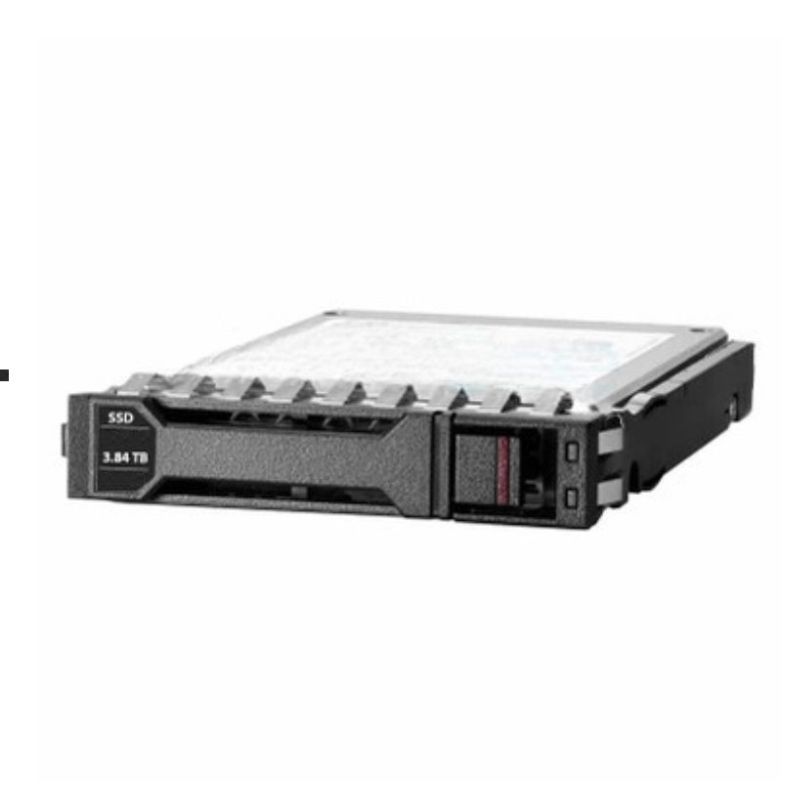


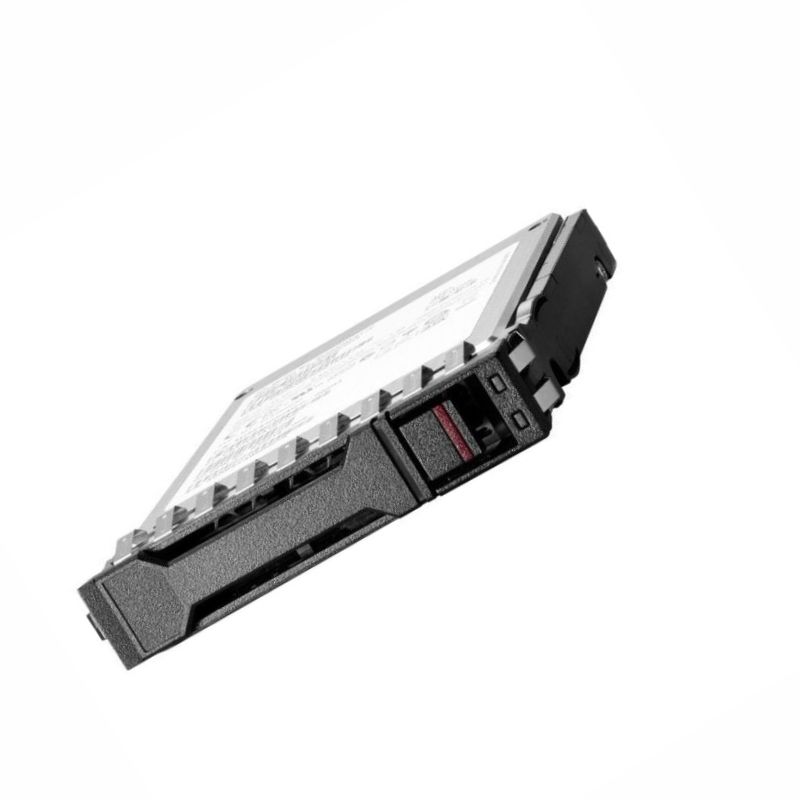
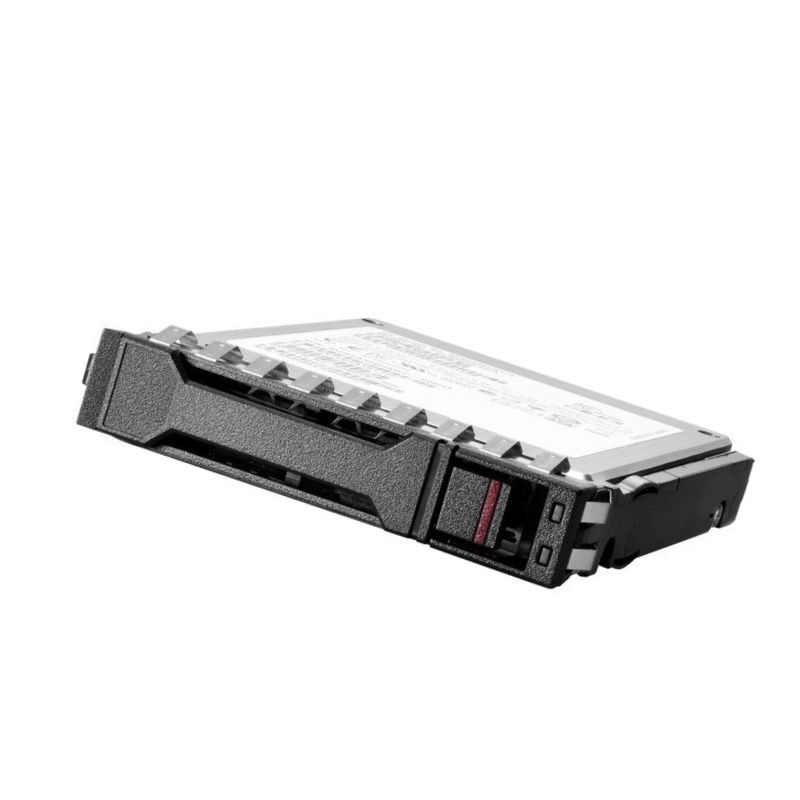
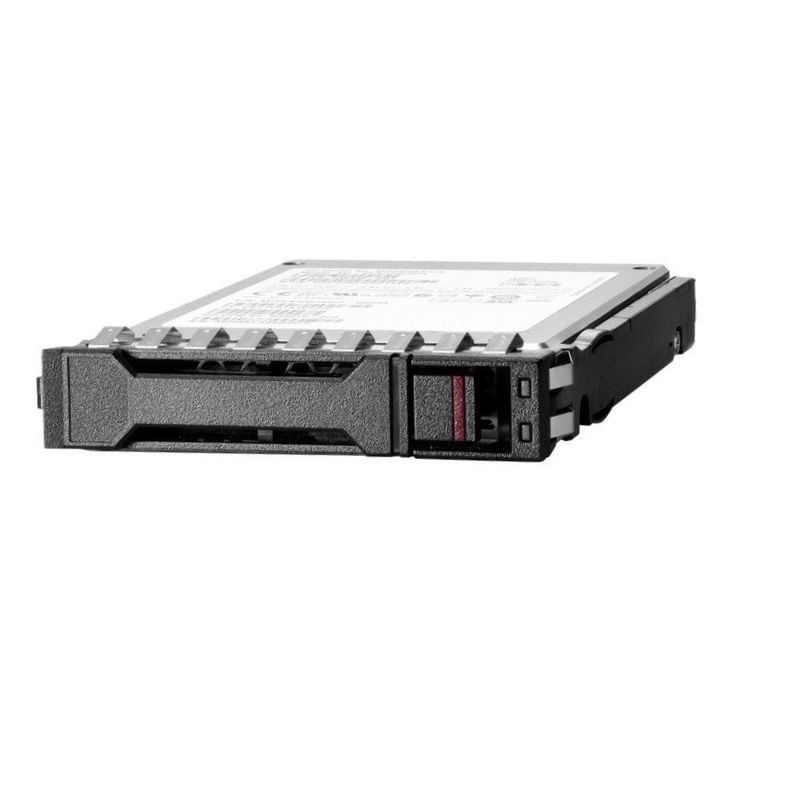
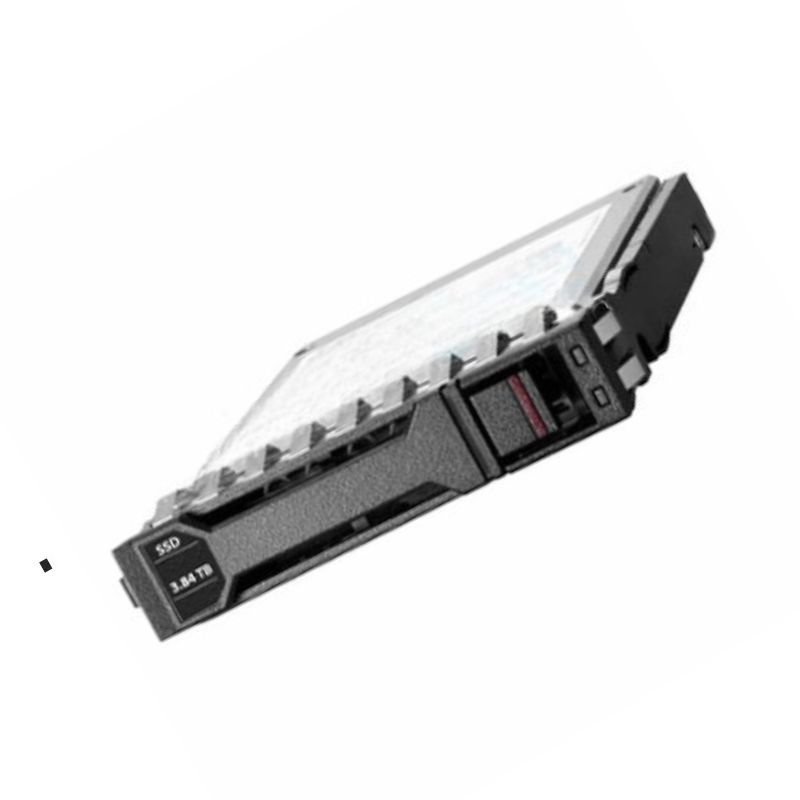
HPE VO003840YXUHV 3.84TB NVMe High Performance RI SFF BC U.3 Self Encrypting SSD. Factory-Sealed New in Original Box (FSB) with 3 year replacement warranty
Overview of HPE 3.84TB High-Capacity NVMe SSD
The HPE 3.84TB NVMe Gen4 read-optimized solid state drive is engineered to deliver exceptional throughput and reliability for modern data center workloads. Designed specifically for HPE Gen10 Plus and Gen11 servers, this drive combines speed, security, and endurance in a compact small form factor.
The enterprise NVMe solid state drive category represented by the HPE VO003840YXUHV 3.84TB NVMe High Performance Read Intensive SFF BC U.3 Self Encrypting FIPS 140-3 SSD focuses on delivering consistent low-latency performance, advanced data protection, and seamless compatibility with modern data center architectures. This category is designed to address the evolving requirements of organizations running virtualization platforms, cloud-native workloads, data analytics pipelines, and mission-critical databases. NVMe technology enables direct communication between storage media and the CPU over PCIe, removing traditional bottlenecks associated with legacy interfaces and ensuring predictable throughput even under heavy read-intensive workloads.
Within enterprise server infrastructures, NVMe SSDs have become a foundational component for performance-driven deployments. The category emphasizes parallelism, queue depth efficiency, and minimal protocol overhead, which are critical in environments that demand fast access to structured and unstructured data. By leveraging NVMe over PCIe, this class of drives reduces latency and maximizes bandwidth, allowing servers to handle higher transaction volumes while maintaining responsiveness across virtual machines and containerized services.
Read intensive NVMe SSDs are optimized for scenarios where data is read far more frequently than it is written. This category targets applications such as content delivery networks, online transaction processing systems, search indexes, and business intelligence platforms. The HPE VO003840YXUHV belongs to this category by balancing endurance and performance to ensure long operational life while delivering rapid access to stored data.
Read intensive SSD categories are engineered with NAND flash configurations and firmware algorithms that prioritize read throughput and endurance efficiency. While write-intensive workloads require higher write endurance, read-focused environments benefit from optimized wear leveling and error correction mechanisms that preserve drive health over extended deployment periods. This balance allows enterprises to deploy high-capacity NVMe storage without over-provisioning for unnecessary write endurance.
Low latency is a defining attribute of read intensive NVMe SSDs. By minimizing command processing delays and supporting high queue depths, these drives ensure rapid response times for applications that rely on frequent data retrieval. This category is particularly valuable in environments where microsecond-level latency improvements translate into measurable gains in application performance and user experience.
The U.3 interface standard plays a central role in the enterprise SSD category by offering backward compatibility with SAS and SATA while enabling NVMe performance over a single connector. The small form factor design allows high-density storage configurations within rack-mounted servers, making efficient use of physical space without compromising thermal management or serviceability.
U.3 SSDs are designed to integrate seamlessly into multi-protocol backplanes, simplifying server design and inventory management. This compatibility ensures that data center operators can standardize on a single drive bay architecture while supporting multiple storage technologies. The category benefits from reduced complexity during upgrades and replacements, enabling smoother transitions to NVMe-based infrastructures.
Small form factor enterprise SSDs are engineered to operate reliably under sustained workloads and elevated temperatures. Advanced thermal management techniques, including optimized airflow paths and temperature-aware firmware, help maintain consistent performance. Mechanical durability is also emphasized, ensuring the drive can withstand vibrations and handling associated with enterprise server environments.
Self-encrypting drives represent a critical subcategory within enterprise storage, addressing data security and compliance requirements. The HPE VO003840YXUHV exemplifies this category by integrating hardware-based encryption that operates transparently to the host system. Data is encrypted at rest using dedicated cryptographic engines, ensuring protection without introducing performance overhead.
Hardware encryption offloads cryptographic processing from the CPU, preserving system resources for application workloads. This approach provides consistent encryption performance regardless of data access patterns. Enterprises benefit from simplified key management and immediate data protection upon drive initialization, reducing the risk of data exposure during deployment or decommissioning.
Self-encrypting SSD categories support rapid secure erase capabilities by destroying encryption keys, rendering stored data unreadable. This feature is essential for organizations that frequently repurpose or retire storage assets while maintaining strict data protection policies. The ability to securely sanitize drives without lengthy overwrite processes enhances operational efficiency.
FIPS 140-3 compliance defines stringent standards for cryptographic modules used by government and regulated industries. SSDs within this category are validated to meet rigorous security requirements, ensuring that encryption mechanisms adhere to recognized best practices. This compliance is critical for sectors such as finance, healthcare, defense, and public services.
Organizations operating under regulatory frameworks must ensure that their storage infrastructure meets mandated security standards. FIPS 140-3 compliant SSDs provide assurance that data encryption aligns with regulatory expectations, reducing audit complexity and compliance risk. This category enables enterprises to deploy high-performance storage while maintaining adherence to security mandates.
By incorporating certified cryptographic modules, enterprise SSDs in this category help mitigate risks associated with data breaches and unauthorized access. The combination of hardware encryption and compliance validation builds trust in the storage layer, supporting broader organizational security strategies.
HPE enterprise SSD categories are designed to integrate tightly with HPE server platforms, management tools, and support ecosystems. Firmware optimization ensures compatibility, stability, and predictable behavior across supported systems. This integration simplifies deployment and enhances long-term reliability in enterprise environments.
The 3.84TB capacity class represents a balance between density and performance, making it a popular choice for enterprise deployments. This category enables organizations to consolidate data while maintaining high-speed access, reducing the number of drives required per server and optimizing total cost of ownership.
High-capacity NVMe SSD categories are well-suited for virtualization clusters, software-defined storage, and data analytics platforms. The ability to store large datasets on fast media improves application responsiveness and simplifies storage architecture. Enterprises can achieve higher storage density without sacrificing performance.
Deploying SSDs within this capacity class supports scalable infrastructure growth. As data demands increase, organizations can expand storage pools without redesigning server layouts. NVMe performance ensures that future workloads continue to benefit from low latency and high throughput.
Enterprise NVMe SSD categories prioritize data integrity through robust error correction, power-loss protection, and redundancy mechanisms. These features ensure data consistency even during unexpected power events or system failures. Reliability is a cornerstone of this category, supporting continuous operation in mission-critical environments.
Modern SSD controllers implement sophisticated error correction codes and wear management algorithms to maintain data accuracy and extend drive lifespan. These technologies are essential in read intensive environments where large volumes of data are accessed repeatedly over time.
Power-loss protection safeguards in-flight data during sudden power interruptions. By ensuring that cached data is securely written to non-volatile memory, enterprise SSDs prevent corruption and maintain file system integrity. This capability is vital for transactional applications and databases.
The category encompassing the HPE VO003840YXUHV is tailored to align storage performance with application requirements. Read intensive NVMe SSDs deliver consistent throughput for workloads that demand fast data retrieval, enabling predictable application behavior and efficient resource utilization.
Virtualized environments benefit significantly from NVMe read intensive SSDs due to their ability to handle multiple concurrent I/O streams. This category supports higher virtual machine density and faster boot times, enhancing overall infrastructure efficiency.
Analytics platforms rely on rapid access to large datasets. High-performance NVMe SSDs reduce query execution times and improve data processing efficiency. This category enables organizations to extract insights more quickly and respond to business demands with agility.
The category integrates seamlessly with enterprise operating systems, hypervisors, and storage software stacks. Compatibility ensures that organizations can deploy NVMe SSDs across diverse environments without extensive customization or performance tuning.
Enterprise NVMe SSDs are supported by major operating systems and virtualization platforms, enabling consistent performance across deployments. This broad compatibility simplifies integration and reduces administrative overhead.
Software-defined storage solutions leverage NVMe performance to deliver flexible, scalable storage services. The category supports automation and orchestration tools that streamline provisioning, monitoring, and scaling operations.


 Contact Us
 Information
 Catalog
 Solid State Drives (SSD)
 Network Switches
 Hard Disk Drives
 HBA & Controllers
 PC & Servers
 PC & Server Memory
 CPU & Processors
 Network Routers
 Power Supplies
 Tape Drives & Libraries
 Network Devices
 Computer & Network Cables