(7% discount is applied at checkout)
Cart is empty
Your go-to destination for cutting-edge server products
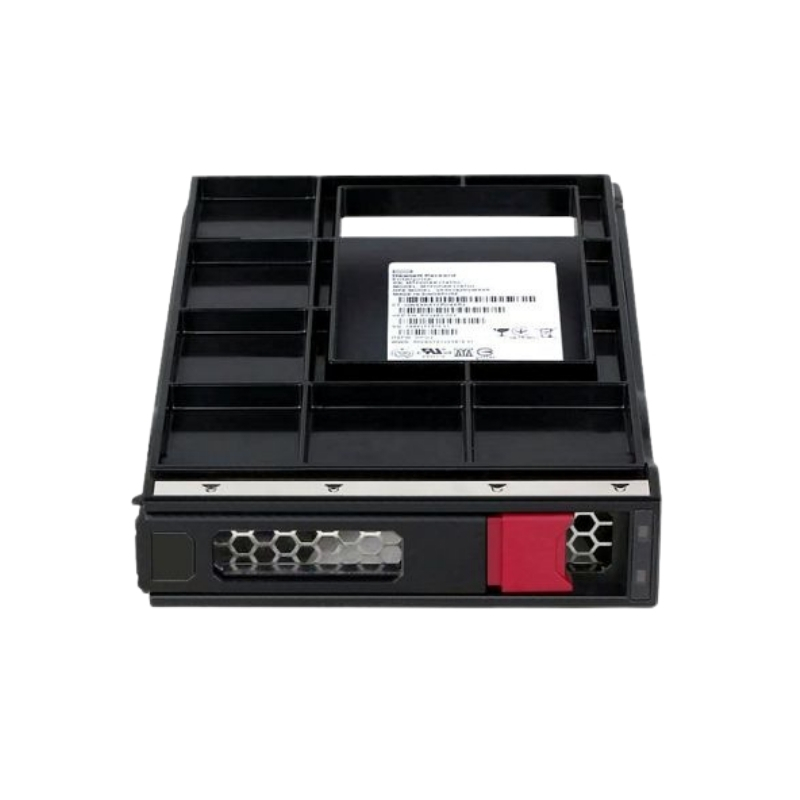


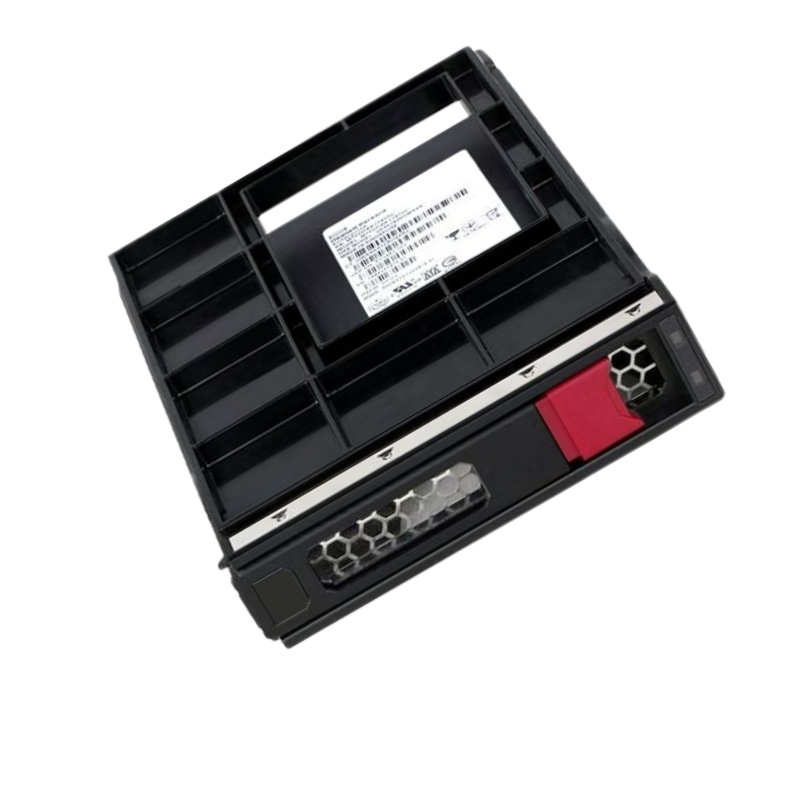
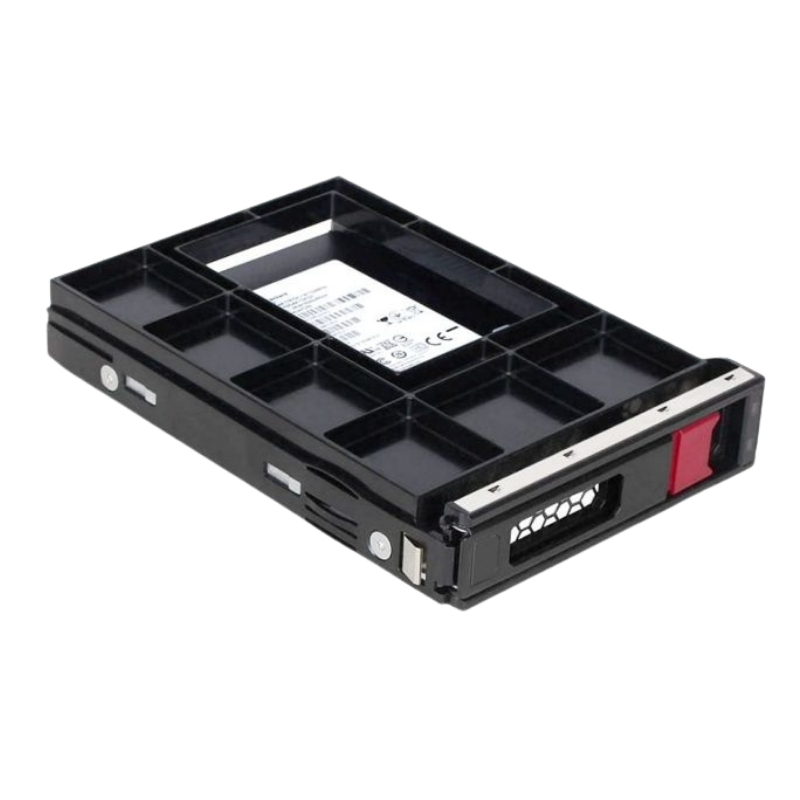
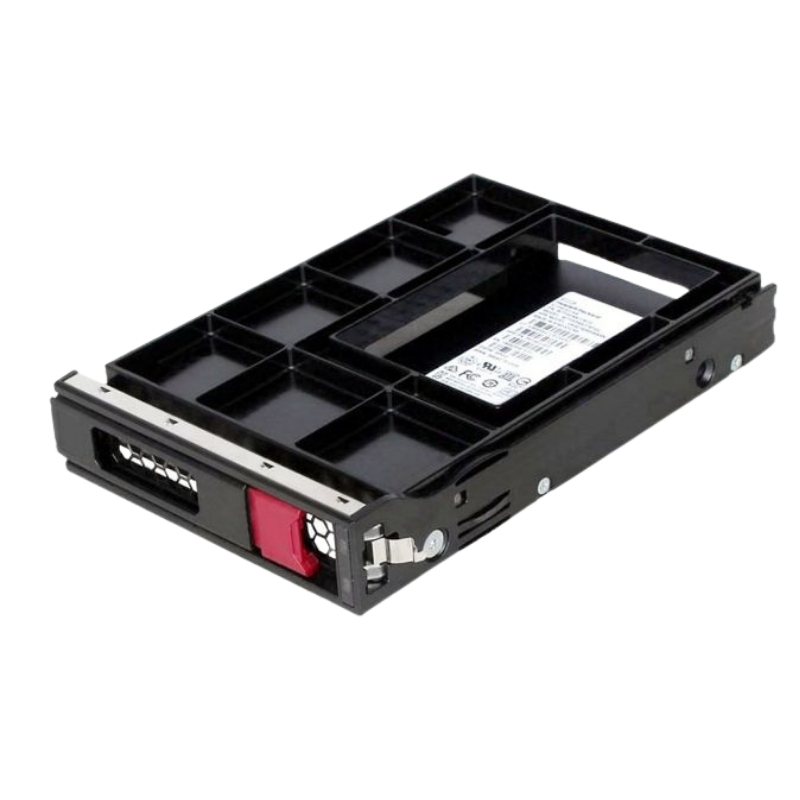
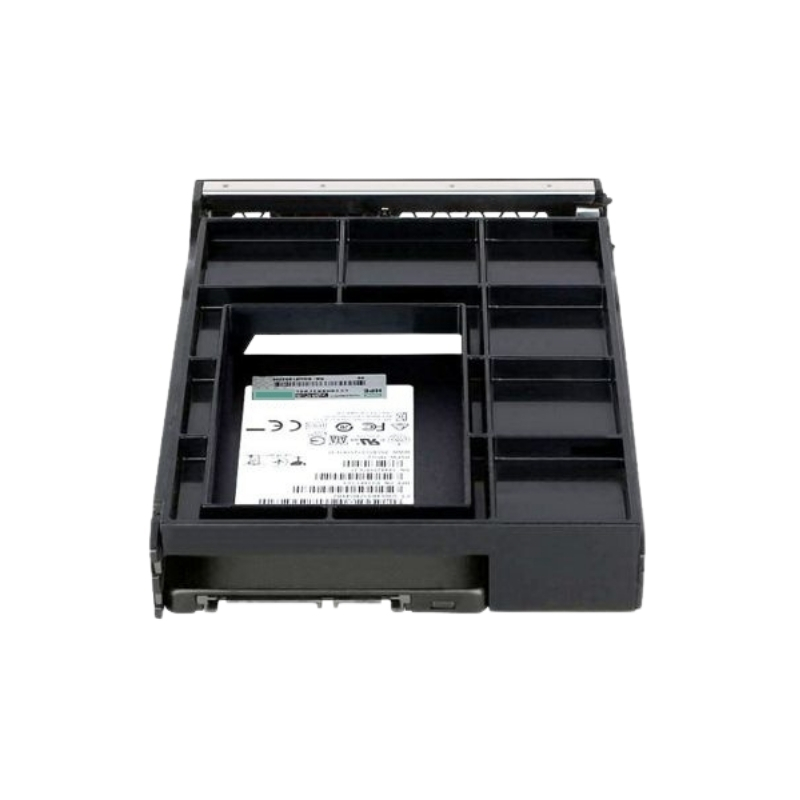
HPE P25243-001 7.68TB SATA 6Gbps Read Optimized QLC LFF 3.5Inch Hot-Plug LPC For Proliant Gen10 And Gen10.5 Servers Single Port SSD. New Sealed in Box (NIB) with 3 Years Warranty
The HPE P25243-001 7.68TB SATA solid state drive is designed to deliver dependable, read-optimized storage for enterprise server environments. Built specifically for HPE ProLiant Gen10 and Gen10.5 platforms, this large form factor SSD combines high-capacity QLC NAND technology with a hot-plug capable carrier, making it an efficient solution for data-intensive workloads where read performance, reliability, and scalability are critical.
The enterprise SATA read optimized solid state drive category is designed to address the growing demand for cost-efficient, high-capacity flash storage in modern data centers. This category focuses on delivering consistent read performance, dependable endurance for read-heavy workloads, and broad compatibility with established server platforms. Drives in this segment are commonly deployed in environments where data is accessed frequently but written less often, making them ideal for applications that prioritize data retrieval speed, reliability, and predictable latency over sustained write-intensive performance.
With a massive 7.68TB capacity, this enterprise-class SSD is engineered for organizations that require dense storage within a single drive bay. The high-capacity design reduces the need for multiple drives, simplifying storage management while optimizing rack space and power consumption.
Quad-Level Cell NAND technology represents a significant advancement in flash memory density, enabling enterprise SSDs to deliver multi-terabyte capacities within a single drive. By storing four bits of data per cell, QLC NAND dramatically increases storage density compared to TLC and MLC alternatives. This makes it possible to offer high-capacity SSDs that are well suited for data-intensive applications where read access dominates operational patterns.
Read optimized enterprise SSDs are engineered with firmware and controller logic that prioritizes read latency, sequential read throughput, and sustained performance consistency. These drives are designed to handle high volumes of read requests with minimal performance degradation, even under continuous operation. Advanced wear-leveling algorithms and intelligent caching mechanisms help maintain responsiveness while preserving the endurance of QLC NAND.
The SATA 6Gbps interface remains a cornerstone of enterprise storage due to its widespread adoption and proven reliability. SATA-based SSDs integrate seamlessly into existing server architectures, allowing organizations to modernize storage performance while leveraging familiar connectivity standards. This interface supports sufficient bandwidth for read optimized workloads, ensuring consistent data delivery without bottlenecks in typical enterprise use cases.
Single port SATA enterprise SSDs are designed for environments where redundancy is handled at the system or application level rather than through dual-port connectivity. This approach allows for simplified drive architecture while maintaining enterprise-grade reliability. When combined with RAID configurations or software-defined storage layers, single port drives provide robust data protection and fault tolerance.
Large form factor 3.5-inch enterprise SSDs are engineered to maximize storage capacity within standard server drive bays. This form factor is particularly advantageous for data centers that prioritize capacity density and ease of serviceability. By fitting into existing LFF bays, these drives enable organizations to transition from traditional hard disk drives to flash storage without modifying chassis designs.The 3.5-inch form factor also allows for improved thermal management compared to smaller drives. Increased surface area facilitates more effective heat dissipation, contributing to sustained performance and prolonged component lifespan. This is especially important for high-capacity QLC SSDs, where thermal stability plays a key role in maintaining consistent read performance.
Hot-plug support is a fundamental requirement in enterprise storage environments where uptime is critical. Drives equipped with hot-plug functionality can be inserted or removed from a running system without powering it down, enabling rapid maintenance, upgrades, or replacements. This capability minimizes service interruptions and supports continuous operation in mission-critical applications.In data centers with stringent availability requirements, hot-plug SSDs contribute to operational efficiency by allowing storage maintenance to be performed during normal business hours. This reduces the risk of unplanned downtime and supports service-level agreements that demand high system availability.
Enterprise SSD firmware is a critical component that governs performance behavior, reliability, and data integrity. Read optimized SSDs incorporate firmware tuned to manage QLC NAND characteristics effectively, ensuring stable operation across the drive’s service life. Advanced error correction, background maintenance routines, and intelligent block management contribute to consistent read performance.Data integrity features are particularly important in enterprise environments where data accuracy and availability are paramount. Enterprise-grade SSDs employ robust error detection and correction mechanisms to safeguard data against corruption, even under continuous operation and heavy read workloads.
Enterprise SSDs designed for ProLiant Gen10 and Gen10.5 servers are validated to meet strict compatibility and performance standards. Integration with these platforms ensures seamless installation, optimal firmware interaction, and reliable operation within supported configurations. This compatibility reduces deployment risk and simplifies lifecycle management for enterprise IT teams.
Power efficiency is a key consideration in modern data centers, where energy consumption directly impacts operational costs. Read optimized SATA SSDs consume significantly less power than traditional hard drives while delivering superior performance. This efficiency contributes to reduced cooling requirements and improved overall system efficiency.Thermal characteristics are equally important, particularly in dense server deployments. Large form factor SSDs are designed to operate within specified thermal envelopes, maintaining performance without excessive heat generation. Effective thermal management helps preserve component reliability and extend service life.
High-capacity read optimized enterprise SSDs enable scalable storage architectures that can grow alongside business needs. The ability to add large amounts of flash storage without significant infrastructure changes supports flexible expansion strategies. This scalability is particularly valuable in environments experiencing rapid data growth.


 Contact Us
 Information
 Catalog
 Solid State Drives (SSD)
 Network Switches
 Hard Disk Drives
 HBA & Controllers
 PC & Servers
 PC & Server Memory
 CPU & Processors
 Network Routers
 Power Supplies
 Tape Drives & Libraries
 Network Devices
 Computer & Network Cables