(7% discount is applied at checkout)
Cart is empty
Your go-to destination for cutting-edge server products
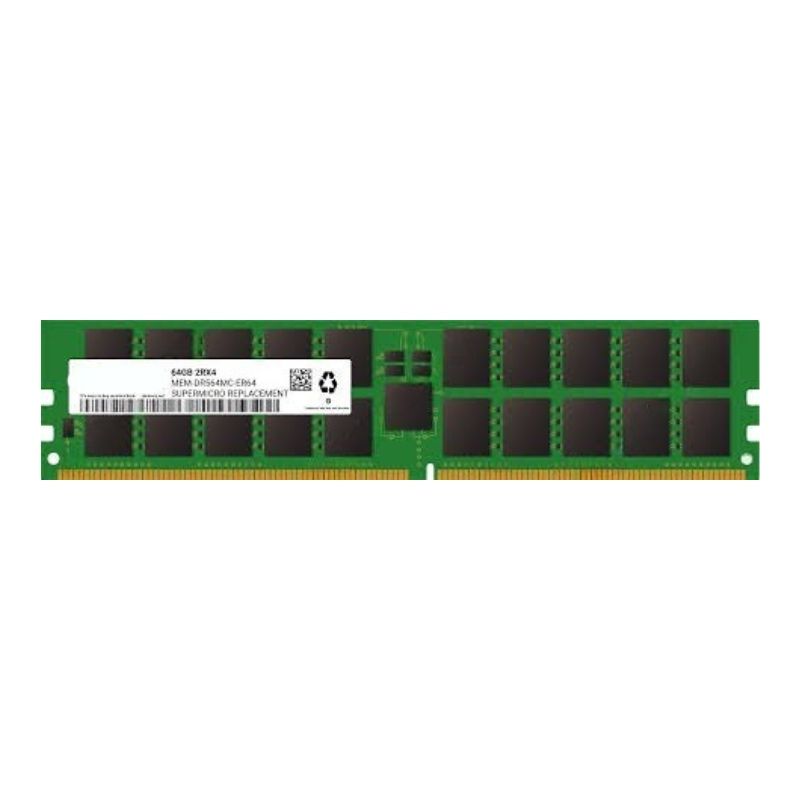


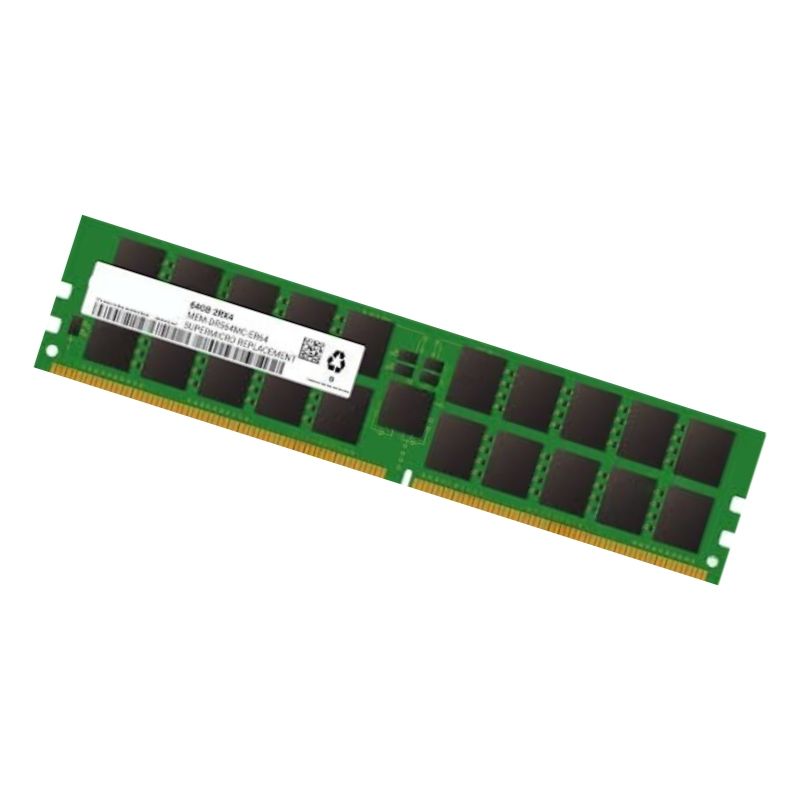
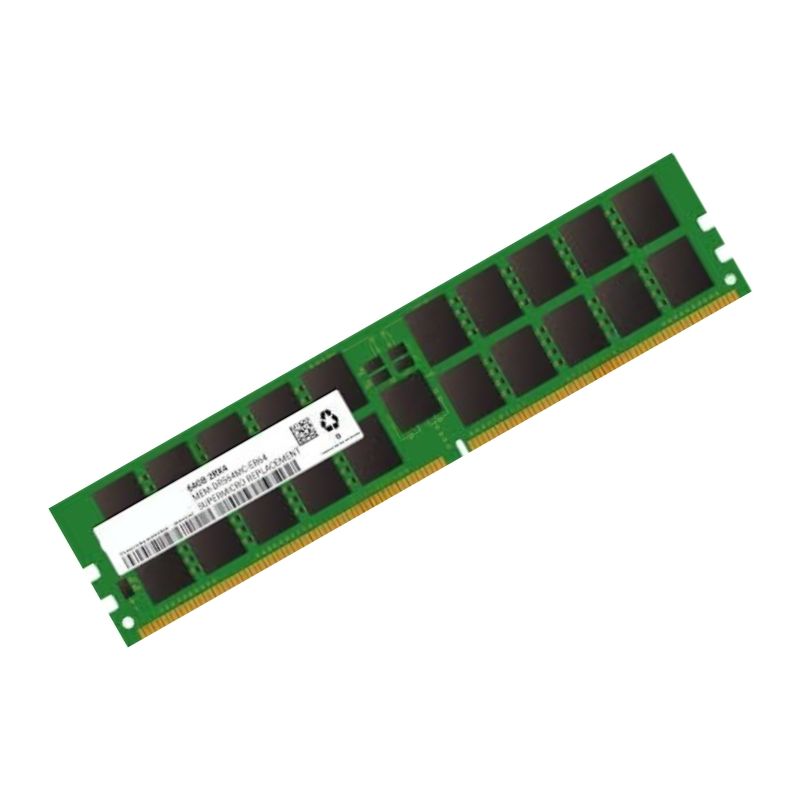
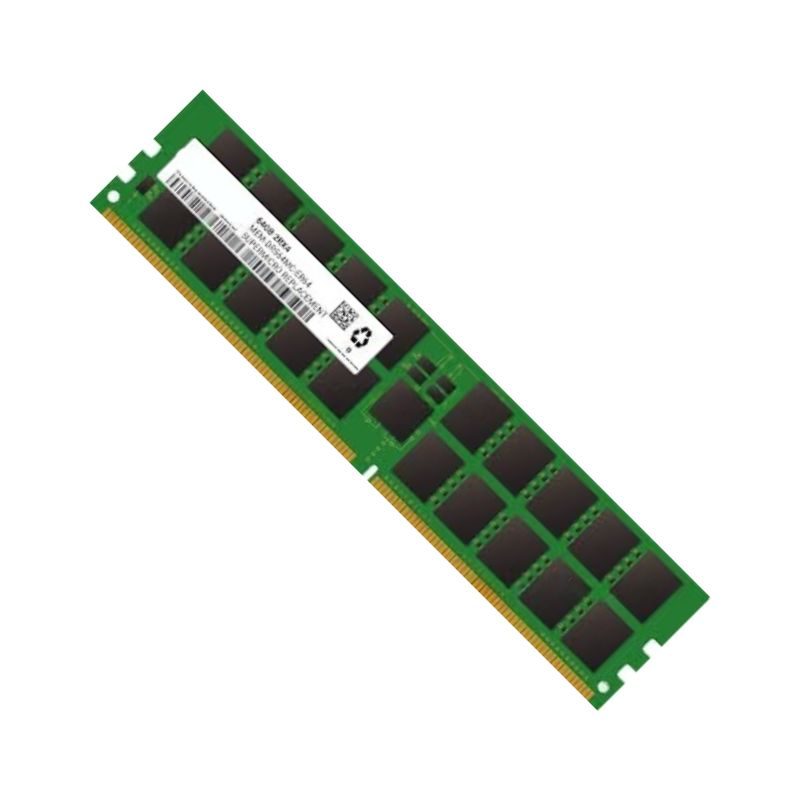
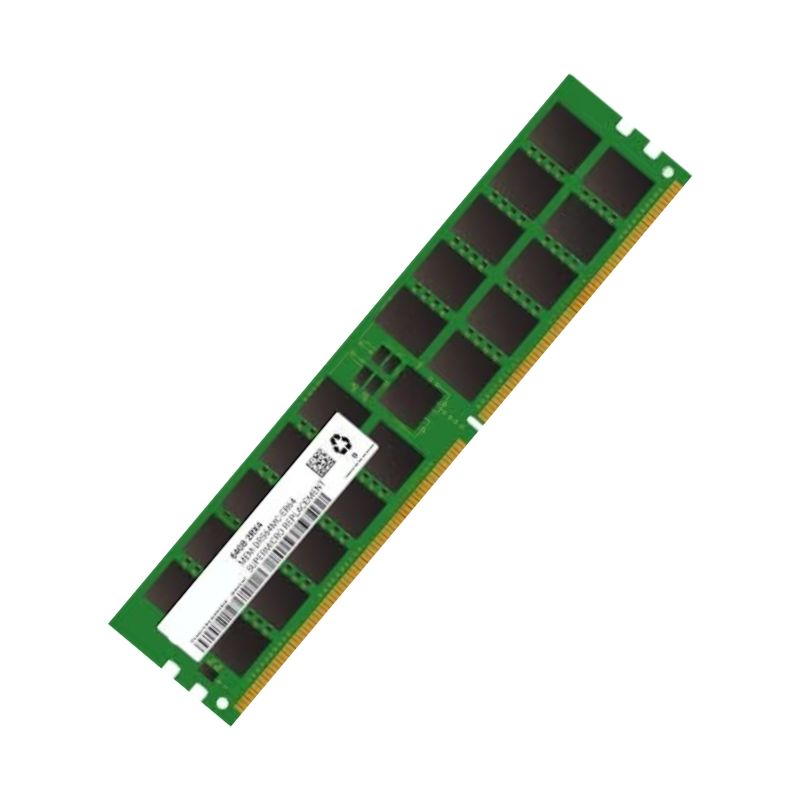
Supermicro MEM-DR564MC-MR88 64GB Dual Rank X4 DDR5-8800MHz PC5-70400 CL36 ECC Registered 1.1v 287-Pin MRDIMM Memory. New Sealed in Box (NIB) with 3-Years Warranty - Micron Version
The Supermicro MEM-DR564MC-MR88 64GB Dual Rank X4 DDR5-8800MHz PC5-70400 CL36 ECC Registered 1.1V 287-Pin MRDIMM Memory Module is engineered for enterprise-grade computing, offering ultra-fast speeds, advanced error correction, and dependable stability for servers and high-performance workstations.
The Supermicro MEM-DR564MC-MR88 64GB Dual Rank X4 DDR5-8800MHz PC5-70400 CL36 ECC Registered 1.1v 287-Pin MRDIMM Memory belongs to an advanced enterprise memory category designed to address the extreme bandwidth, latency, and scalability requirements of modern data center and high-performance computing environments. This category represents a significant evolution beyond traditional RDIMM and LRDIMM technologies by introducing Multiplexer Combined Rank Dual In-line Memory Module architecture, commonly known as MRDIMM. MRDIMM technology is engineered to overcome signal integrity and scalability limitations that arise as memory speeds approach and exceed the upper limits of conventional DDR5 registered modules.
MRDIMM memory integrates an on-module data buffer and advanced multiplexing logic that allows multiple DRAM ranks to operate in parallel while presenting a simplified electrical load to the memory controller. This architectural approach enables unprecedented memory data rates, such as DDR5-8800MHz, while maintaining stability and reliability in enterprise-class server platforms. The category is specifically targeted at next-generation processors that demand massive memory bandwidth to fully utilize increasing core counts and advanced instruction pipelines.
The DDR5-8800 performance tier defines one of the highest-speed memory categories currently available for enterprise systems. With an effective data transfer rate of 8800 MT/s and a theoretical bandwidth rating of PC5-70400, this category delivers a transformative increase in memory throughput compared to earlier DDR5 implementations. Such bandwidth is critical for workloads that are heavily memory-bound, including large-scale artificial intelligence training, in-memory analytics, high-frequency trading platforms, and scientific simulations that process massive datasets in real time.
Unlike conventional memory modules that experience diminishing returns at extreme speeds due to electrical noise and timing constraints, MRDIMM technology sustains high data rates by decoupling DRAM device signaling from the host memory bus. This allows the memory subsystem to scale in frequency without compromising signal quality, enabling processors to access data at speeds that closely match their internal execution capabilities.
The CL36 latency specification associated with this memory category reflects a carefully engineered balance between raw frequency and access timing. While higher data rates often result in increased nominal latency values, the reduced clock cycle duration at 8800MHz effectively lowers absolute access times. This results in faster real-world memory responsiveness, particularly in workloads that rely on rapid random access patterns and frequent data fetch operations.
Advanced timing optimization within MRDIMM modules ensures consistent latency behavior across all memory ranks, minimizing jitter and access variability. This predictability is essential for enterprise applications where deterministic performance is required, such as financial systems, telecommunications infrastructure, and real-time analytics platforms.
The ECC Registered memory category is fundamentally defined by its commitment to data integrity and system stability. The Supermicro MEM-DR564MC-MR88 module incorporates full ECC functionality, enabling real-time detection and correction of single-bit memory errors while identifying multi-bit faults. This capability is indispensable in enterprise environments where silent data corruption can lead to inaccurate results, system crashes, or long-term data integrity issues.
ECC protection operates transparently, ensuring that applications and operating systems benefit from enhanced reliability without performance penalties. In large memory configurations typical of data centers and cloud infrastructure, the probability of transient memory errors increases over time. ECC MRDIMM modules mitigate this risk, supporting uninterrupted operation and consistent system behavior.
As part of the ECC Registered category, MRDIMM modules include advanced register and buffer components that manage command, address, and data signaling. These components significantly reduce the electrical load placed on the CPU memory controller, allowing systems to populate more memory modules per channel while maintaining signal integrity. This is particularly important in high-density server configurations where maximizing memory capacity and bandwidth is a priority.
The registered design also improves timing margins, ensuring reliable operation at extreme frequencies such as DDR5-8800. By isolating the memory controller from the direct electrical characteristics of the DRAM devices, the category enables consistent performance across varying environmental conditions and workload intensities.
ECC MRDIMM memory supports advanced fault management features commonly implemented in enterprise platforms. These include memory scrubbing, error logging, and predictive failure analysis. Such features allow system administrators to identify degrading memory components before they cause system outages, enabling proactive maintenance and reducing unplanned downtime.
In mission-critical deployments, the ability to monitor and manage memory health is essential. This category aligns with enterprise-grade management frameworks, integrating seamlessly with platform-level diagnostics and monitoring tools.
The 64GB capacity of the Supermicro MEM-DR564MC-MR88 places it within a category optimized for high-capacity, high-bandwidth memory configurations. Dual rank X4 organization enables efficient utilization of DRAM devices while maintaining a balance between performance, reliability, and power consumption. This configuration supports increased parallelism within the memory module, allowing multiple memory banks to be accessed concurrently.
High-capacity MRDIMM modules reduce the total number of DIMM slots required to achieve large system memory footprints. This not only simplifies system design but also improves airflow and thermal management within server chassis. For enterprise environments seeking to maximize compute density per rack, such efficiency is a significant advantage.
This memory category is specifically engineered for multi-socket server platforms where memory scalability is a key performance determinant. As processors increase core counts and memory channels, the ability to populate each channel with high-speed, high-capacity modules becomes critical. MRDIMM technology enables consistent performance scaling as additional modules are installed, avoiding the frequency reductions commonly associated with traditional RDIMM configurations.
Scalable memory configurations support evolving workloads, allowing organizations to expand capacity and bandwidth without replacing existing infrastructure. This flexibility aligns with enterprise IT strategies focused on long-term investment protection and incremental upgrades.
The 287-pin MRDIMM form factor defines a distinct mechanical category designed to accommodate additional buffering and multiplexing components. Precision manufacturing ensures accurate pin alignment and robust physical integrity, which are essential for reliable operation at extreme data rates. The mechanical design also supports secure seating within compatible memory slots, minimizing the risk of intermittent connections.
This form factor is optimized for next-generation server motherboards specifically designed to support MRDIMM technology. Compatibility with these platforms ensures that the memory module can fully leverage its performance and reliability advantages.
Operating at a nominal voltage of 1.1V, this memory category reflects ongoing advancements in power efficiency within the DDR5 ecosystem. Lower operating voltage reduces overall power consumption, which is particularly important in large-scale data centers where energy efficiency directly impacts operational costs. Despite its high performance, DDR5-8800 MRDIMM memory maintains efficient power usage through advanced power management circuitry integrated on the module.
On-module power management improves voltage regulation accuracy and reduces electrical noise, contributing to stable operation at high frequencies. This design also simplifies motherboard power delivery requirements, allowing for more efficient system-level power architectures.
High-speed memory operation generates additional heat, making thermal management a critical consideration within this category. MRDIMM modules are designed with optimized PCB layouts and component placement to facilitate effective heat dissipation. This ensures sustained performance under continuous load, preventing thermal throttling that could otherwise limit memory bandwidth.
In enterprise server environments with high airflow and controlled cooling, this category of memory operates reliably even during prolonged periods of peak utilization. Effective thermal design supports consistent performance across a wide range of workloads.
Power-efficient memory contributes to reduced cooling requirements and improved overall system efficiency. In data centers pursuing sustainability goals, the adoption of advanced DDR5 MRDIMM memory aligns with initiatives aimed at reducing energy consumption and carbon footprint. This category supports higher performance per watt, enabling organizations to achieve more computational output within existing power budgets.
Cloud service providers and enterprise virtualization platforms depend on memory scalability and reliability to support dense multi-tenant environments. ECC MRDIMM memory enables higher consolidation ratios by providing ample bandwidth and capacity for virtual machines and containers. Reliable error correction ensures isolation between workloads, maintaining service quality and data integrity.
The ability to scale memory performance alongside compute resources supports dynamic workload allocation and rapid provisioning, which are essential characteristics of modern cloud infrastructure.
Transactional systems that require immediate data access, such as financial trading platforms and telecommunications systems, benefit from the reduced latency and high throughput of DDR5-8800 MRDIMM memory. The predictable performance characteristics of this category support deterministic response times, which are critical for real-time decision-making and service delivery.


 Contact Us
 Information
 Catalog
 Solid State Drives (SSD)
 Network Switches
 Hard Disk Drives
 HBA & Controllers
 PC & Servers
 PC & Server Memory
 CPU & Processors
 Network Routers
 Power Supplies
 Tape Drives & Libraries
 Network Devices
 Computer & Network Cables