(7% discount is applied at checkout)
Cart is empty
Your go-to destination for cutting-edge server products
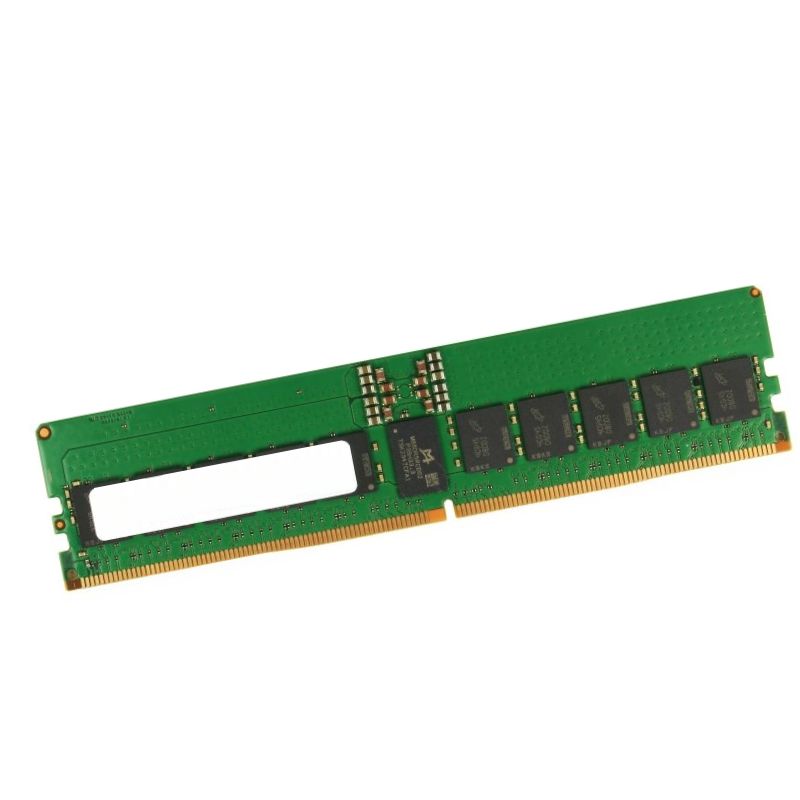


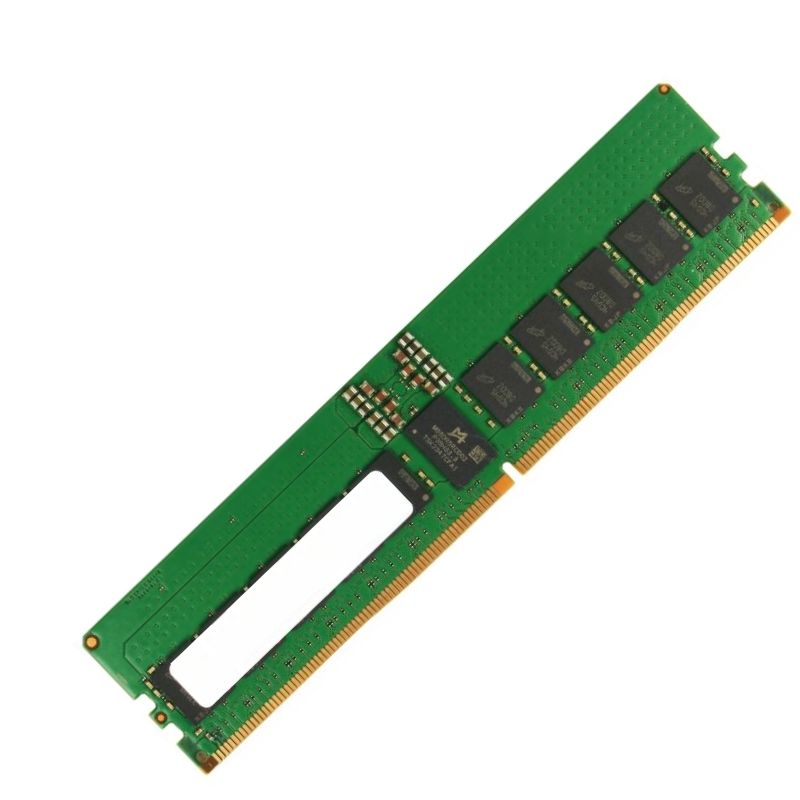
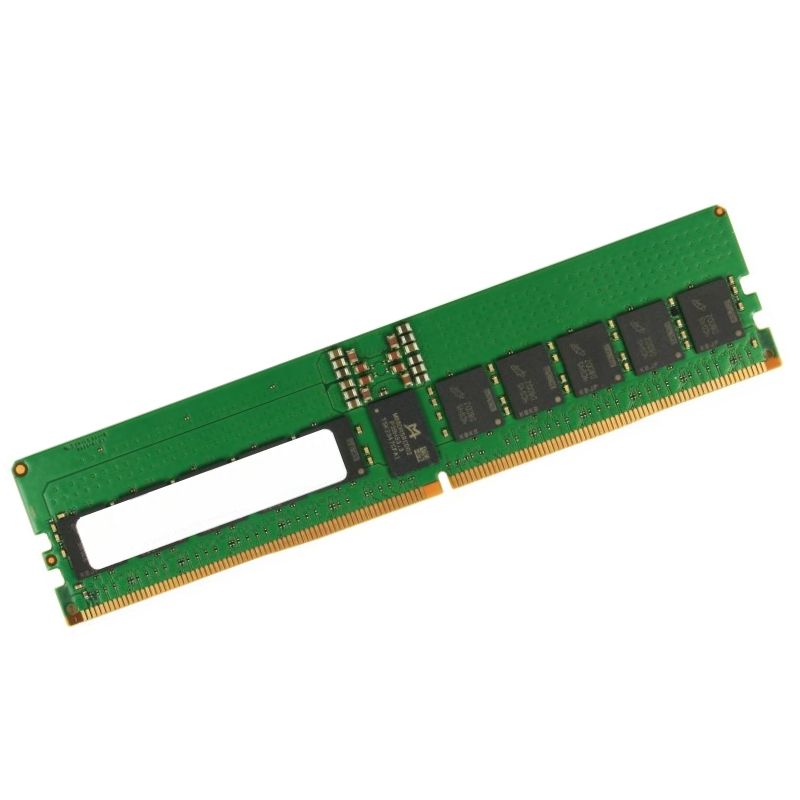
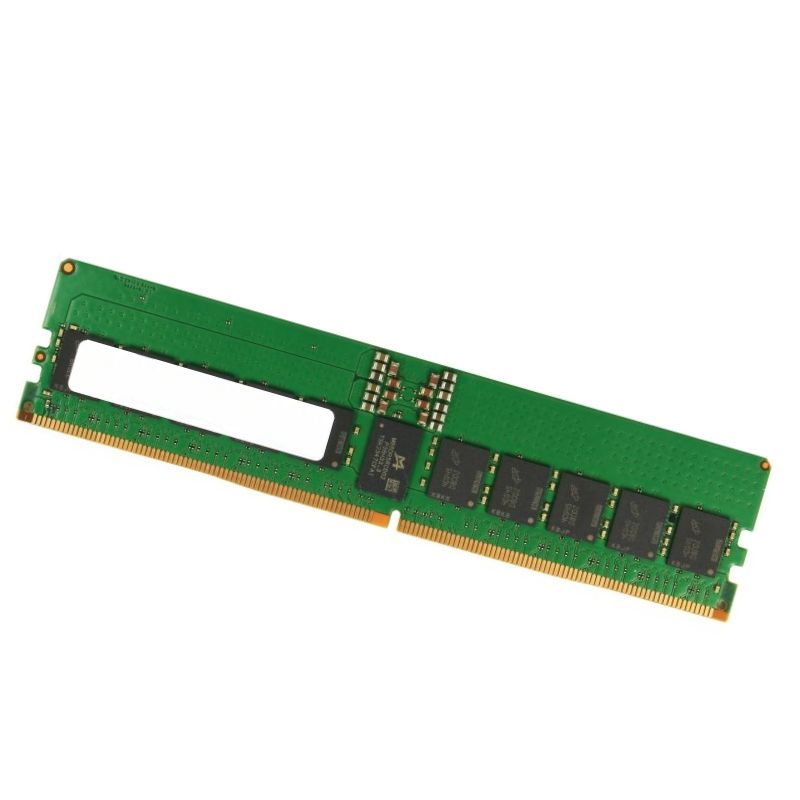
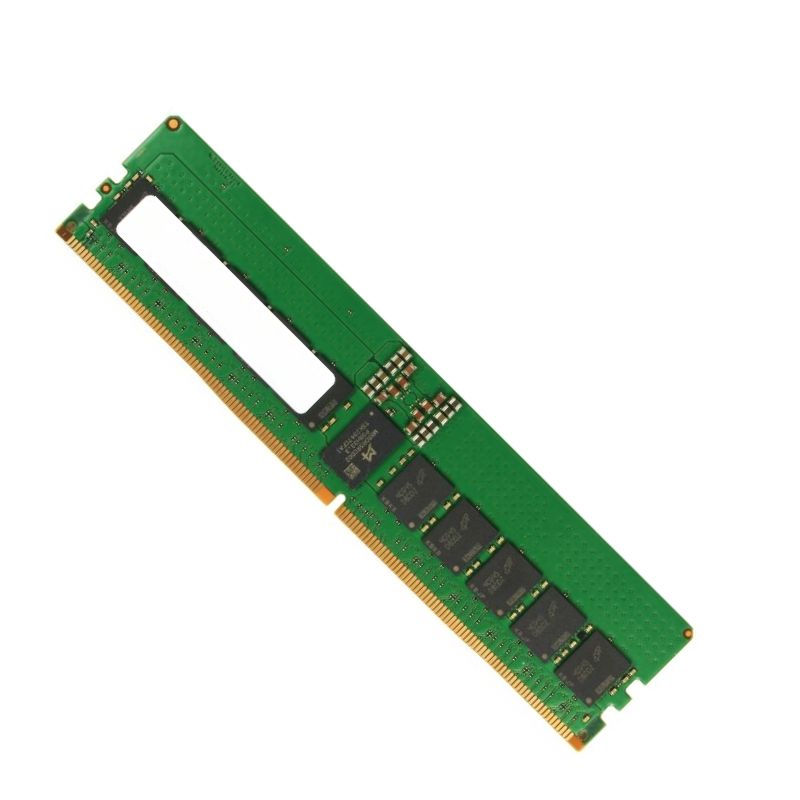
Supermicro MEM-DR596L-CL02-MR88 96GB PC5-70400 DDR5-8800MHz SDRAM Dual Rank X4 ECC Registered CL36 MRDIMM Memory. New Sealed in Box (NIB) with 3-Years Warranty - Micron Version.
The Supermicro MEM-DR596L-CL02-MR88 96GB PC5-70400 DDR5-8800MHz SDRAM Dual Rank X4 ECC Registered CL36 MRDIMM Memory Module is designed for enterprise-grade computing environments, delivering ultra-fast speeds, advanced error correction, and dependable stability for servers and high-performance workstations.
The Supermicro MEM-DR596L-CL02-MR88 96GB PC5-70400 DDR5-8800MHz SDRAM Dual Rank X4 ECC Registered CL36 MRDIMM Memory Module belongs to an advanced category of enterprise-class memory designed to address the rapidly growing demands of modern server and data center infrastructures. This category represents a significant evolution beyond traditional RDIMM and LRDIMM technologies, introducing Multiplexed Rank DIMM architecture that enables unprecedented memory speeds, capacities, and signal integrity. MRDIMM memory is purpose-built for next-generation CPU platforms that require extreme bandwidth, low latency, and uncompromising reliability in highly parallelized computing environments.
At the core of this category is the concept of rank multiplexing, which allows multiple memory ranks to share the same data bus more efficiently. By integrating a dedicated buffer chip on the module, MRDIMM technology reduces the electrical loading seen by the memory controller, enabling much higher operating frequencies compared to standard registered memory. This architectural shift positions MRDIMM as a critical component in future-proof server designs that must support artificial intelligence, real-time analytics, large-scale virtualization, and high-performance computing workloads.
DDR5 technology introduced sweeping changes to memory design, including higher base frequencies, improved power efficiency, and enhanced internal parallelism. The MRDIMM category builds upon these DDR5 foundations by addressing the physical and electrical limitations that traditionally constrain memory speed scaling in multi-DIMM configurations. Operating at an effective data rate of 8800MHz and delivering PC5-70400 bandwidth, this category dramatically expands the throughput available to modern processors.
DDR5 MRDIMM modules leverage dual independent subchannels per DIMM, each optimized for high-speed data transfers. This design allows the memory controller to schedule operations more efficiently, minimizing idle cycles and maximizing effective bandwidth utilization. The result is a memory subsystem capable of sustaining extreme data rates even under heavy, concurrent workloads that stress both compute and memory resources.
The defining characteristic of the MRDIMM category is the inclusion of a multiplexing buffer that actively manages communication between the memory controller and the DRAM devices. This buffer isolates the controller from the electrical complexity of multiple ranks, significantly reducing signal degradation and timing skew. By re-driving and optimizing signals locally on the module, MRDIMM memory achieves stable operation at frequencies far beyond what conventional RDIMM designs can support.
This buffer-based approach also enables higher effective rank counts without overwhelming the memory controller, allowing enterprise systems to scale memory capacity and performance simultaneously. The result is a category of memory that excels in environments where both high bandwidth and large memory footprints are essential.
The Supermicro MRDIMM memory category is engineered for environments where memory bandwidth is a primary performance limiter. With DDR5-8800 speeds and PC5-70400 throughput, this category provides a substantial leap in data transfer capability compared to lower-speed DDR5 RDIMM solutions. This increased bandwidth directly benefits applications that rely on rapid access to large datasets, including in-memory databases, real-time financial modeling, and scientific simulations.
High-frequency operation at CL36 latency reflects careful optimization of timing parameters to balance speed and responsiveness. While operating at extreme frequencies, MRDIMM memory maintains predictable access patterns that are crucial for latency-sensitive workloads. The ability to sustain such performance levels in enterprise systems highlights the robustness of this memory category.
Despite the high operating speed, MRDIMM modules are designed to minimize effective latency through architectural enhancements and precise timing control. The dual-rank X4 configuration allows for efficient interleaving of memory accesses, reducing wait times and improving overall throughput. This is particularly important in multi-core server CPUs where hundreds of threads may simultaneously request memory access.
The combination of high frequency and optimized latency ensures that compute resources remain fully utilized, reducing stalls and improving application scalability. In performance-critical environments, this balance between speed and responsiveness distinguishes MRDIMM memory from other DDR5 categories.
Operating at 8800MHz places significant demands on signal integrity, especially in densely populated server systems. The MRDIMM category addresses these challenges through advanced PCB design, precision impedance matching, and robust buffering technology. These features ensure clean signal transmission across the memory channel, even in configurations with multiple DIMMs per channel.
Stable signal integrity translates directly into consistent performance and reduced error rates, which are essential for enterprise systems that must operate continuously under heavy load. This focus on electrical stability underpins the reliability of the MRDIMM category.
Error Correction Code functionality is a foundational requirement for enterprise memory categories, and MRDIMM modules are no exception. The Supermicro MEM-DR596L-CL02-MR88 incorporates advanced ECC mechanisms that detect and correct single-bit errors while identifying more complex fault conditions. This level of protection is indispensable in systems that handle sensitive data, critical computations, and long-running processes.
ECC memory significantly reduces the risk of silent data corruption, which can compromise application accuracy and system stability. In large-scale deployments where memory error rates increase with capacity and uptime, ECC protection becomes a core component of system reliability strategies.
The dual rank X4 architecture used in this category enhances both performance and reliability. By distributing data across multiple DRAM devices, the memory subsystem can better tolerate individual component faults. The X4 data width configuration is particularly well-suited for ECC operation, as it allows more granular error detection and correction.
This architecture aligns with enterprise best practices for fault tolerance, supporting advanced memory management features such as patrol scrubbing and predictive failure analysis. These capabilities help system administrators identify and address potential issues before they result in downtime.
MRDIMM memory modules are validated for continuous 24/7 operation in controlled data center environments. Extensive testing ensures that they can withstand thermal cycling, sustained high utilization, and long operational lifespans without degradation. This reliability is essential for mission-critical systems where unplanned downtime carries significant operational and financial costs.
The ECC capabilities integrated into this category support system-level resilience strategies, enabling enterprise platforms to maintain data integrity even in the presence of hardware anomalies.
With a capacity of 96GB per module, the MRDIMM category enables exceptional memory density within a single server. This high per-DIMM capacity allows organizations to build systems with massive memory footprints while minimizing slot usage. Such configurations are ideal for virtualization hosts, large-scale databases, and analytics platforms that require extensive in-memory datasets.
Scalability is a defining attribute of this category, as MRDIMM technology allows servers to populate multiple high-capacity modules per channel without sacrificing speed. This combination of density and performance supports flexible system designs that can evolve alongside workload requirements.
Enterprise workloads increasingly demand both high capacity and high bandwidth, a combination that traditional memory technologies struggle to deliver simultaneously. MRDIMM memory addresses this challenge by enabling dense configurations that operate at extreme speeds. This capability is particularly valuable in environments where consolidating workloads onto fewer physical servers improves efficiency and reduces operational complexity.
By supporting large memory pools, this category enables more virtual machines, larger in-memory caches, and faster data processing pipelines. The result is improved resource utilization and enhanced application performance across diverse workloads.
The MRDIMM category is designed for compatibility with next-generation server platforms that explicitly support multiplexed rank memory. These platforms incorporate memory controllers and firmware optimized to take advantage of MRDIMM’s unique characteristics. Strict adherence to DDR5 and JEDEC standards ensures reliable integration and predictable behavior in validated configurations.
System vendors and integrators rely on this category to deliver consistent performance across certified hardware platforms, simplifying deployment and lifecycle management in enterprise environments.
DDR5 memory introduced on-DIMM power management, and the MRDIMM category extends this concept to support ultra-high-speed operation with precise voltage regulation. Integrated power management components ensure stable delivery of power to DRAM devices and buffer chips, reducing electrical noise and improving overall efficiency.
Despite operating at extreme frequencies, MRDIMM modules are engineered to manage power consumption effectively, balancing performance with thermal considerations. This efficiency is critical in data centers where power density and cooling capacity are limiting factors.
High-speed memory generates additional heat, and the MRDIMM category addresses this through optimized thermal design. Advanced PCB layouts, strategic component placement, and compatibility with server airflow patterns ensure effective heat dissipation. These design choices help maintain stable operating temperatures even under sustained workloads.
Effective thermal management contributes to consistent performance and extends the operational lifespan of memory modules, aligning with enterprise requirements for long-term reliability.
By delivering higher performance per watt, MRDIMM memory helps organizations optimize energy usage across their infrastructure. Higher bandwidth and capacity per module reduce the total number of components required, which can lower overall system power consumption and cooling demands. This efficiency supports sustainability initiatives and reduces total cost of ownership over the system lifecycle.


 Contact Us
 Information
 Catalog
 Solid State Drives (SSD)
 Network Switches
 Hard Disk Drives
 HBA & Controllers
 PC & Servers
 PC & Server Memory
 CPU & Processors
 Network Routers
 Power Supplies
 Tape Drives & Libraries
 Network Devices
 Computer & Network Cables