(7% discount is applied at checkout)
Cart is empty
Your go-to destination for cutting-edge server products
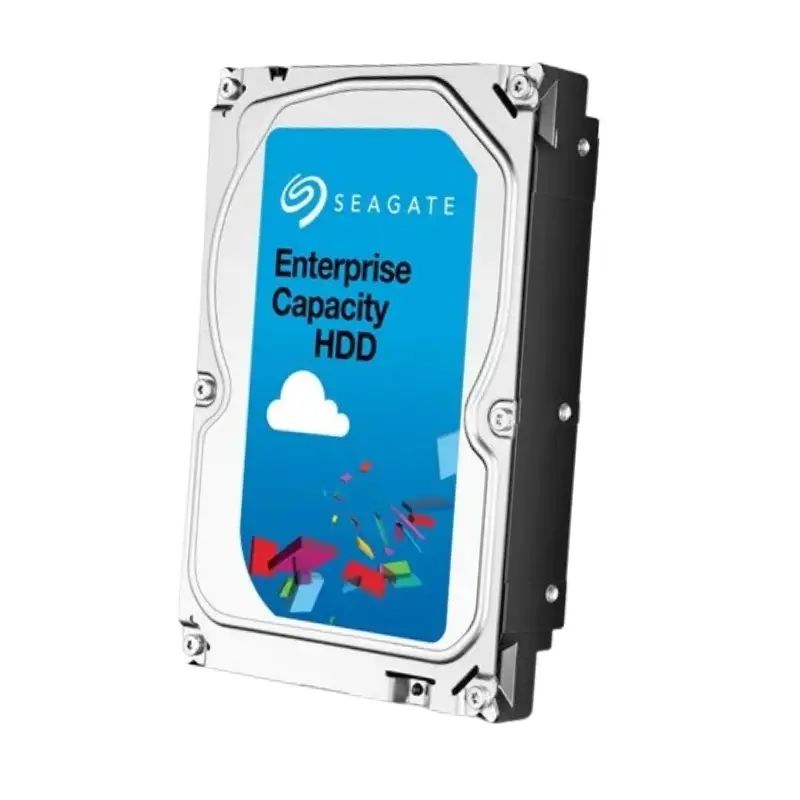


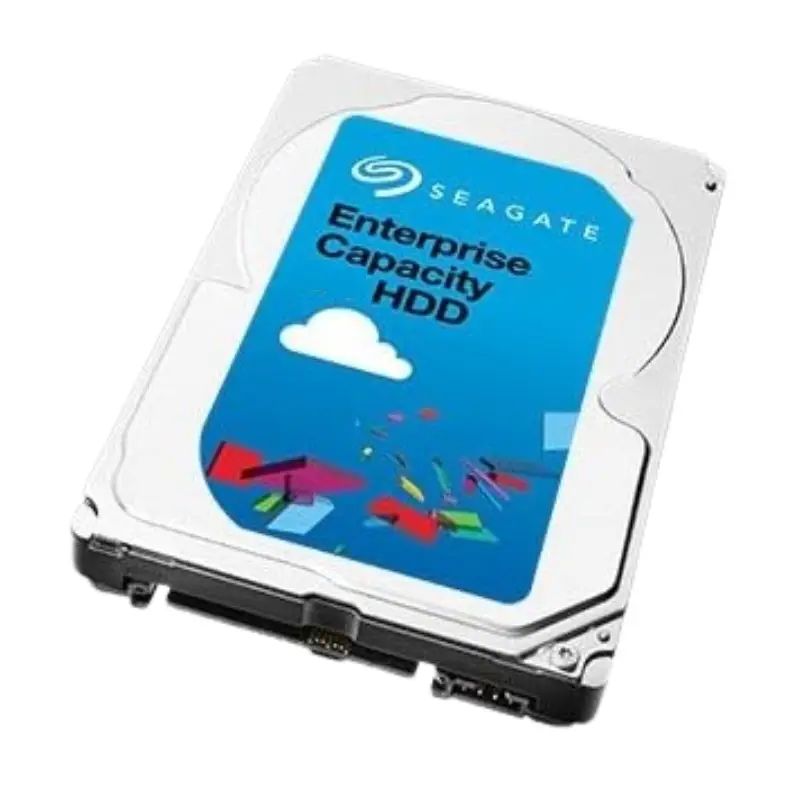
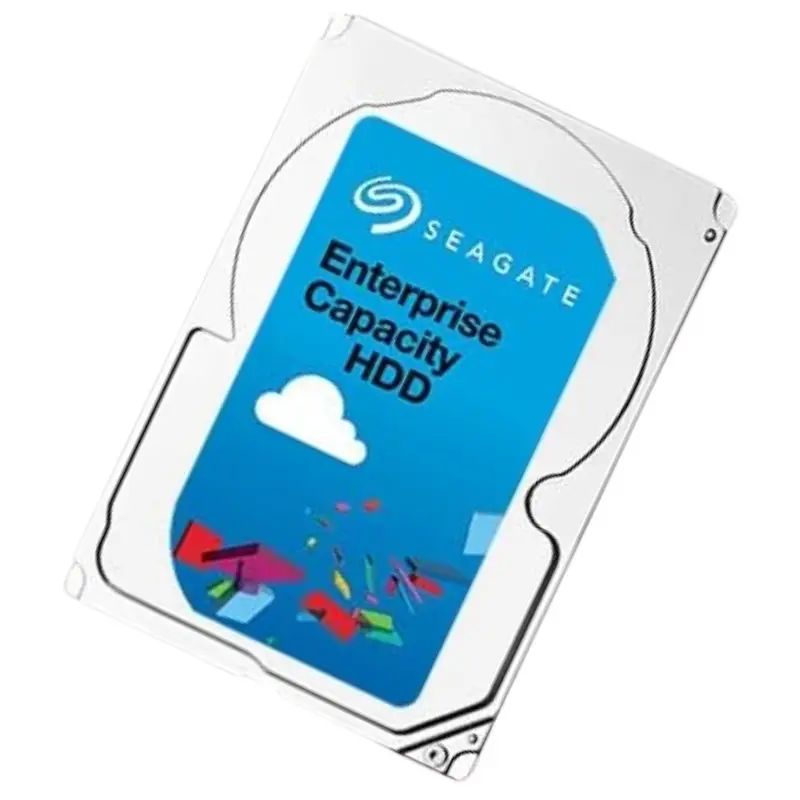
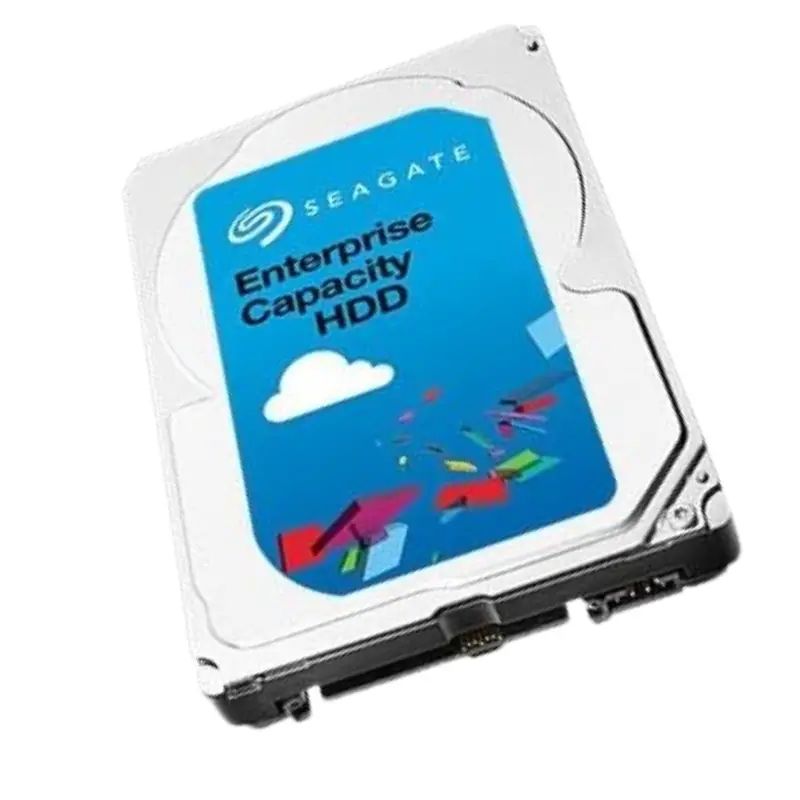
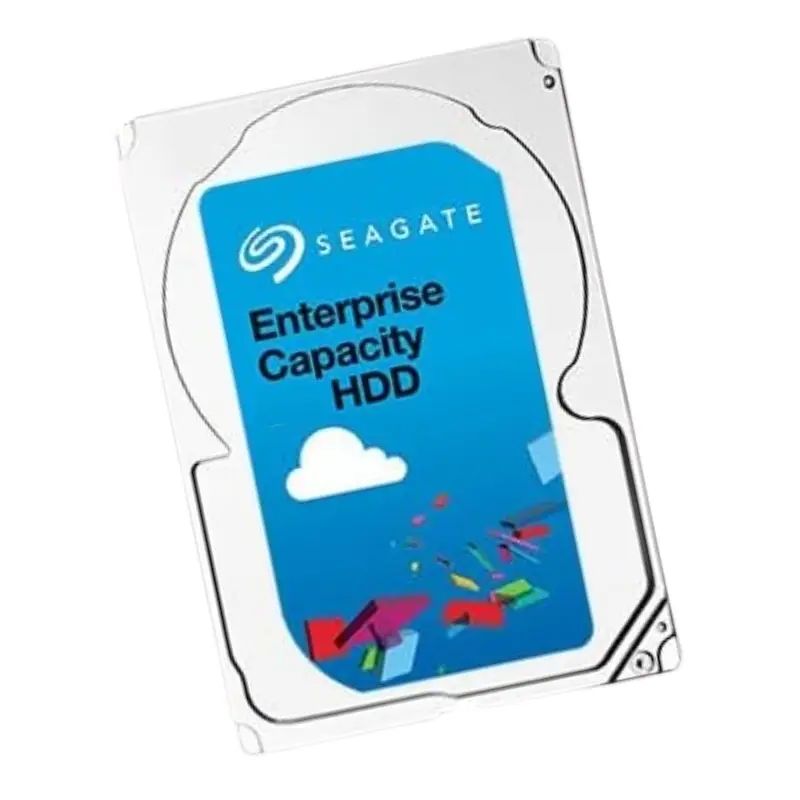
Seagate ST1000NM0005 1TB 7.2K RPM SAS-12GBPS 128MB Buffer 3.5Inch Enterprise HDD. Excellent Refurbished with 1-Year Replacement Warranty - Dell Version.
The Seagate ST1000NM0005 1TB enterprise hard drive is engineered for professional-grade storage environments. With 7.2K RPM rotational speed, SAS-12Gbps interface, and a 128MB buffer, this 3.5-inch internal HDD delivers dependable performance, high-speed data access, and reliable scalability for server workloads.
The Seagate ST1000NM0005 1TB 7.2K RPM SAS-12Gbps 128MB Buffer 3.5 Inch Enterprise HDD belongs to the enterprise hard disk drive category engineered for mission-critical server and storage environments. This category focuses on durability, predictable performance, and continuous operation rather than consumer-oriented burst speeds. Enterprise SAS hard drives are designed to function as the backbone of data centers, on-premise enterprise servers, and professional storage arrays where reliability, sustained throughput, and compatibility with advanced storage controllers are essential.
Within this category, Serial Attached SCSI technology defines the communication framework, enabling higher reliability, stronger error handling, and advanced command queuing compared to consumer SATA alternatives. Enterprise HDDs are expected to operate under constant workloads, support high availability architectures, and integrate seamlessly into redundant storage infrastructures. The Seagate ST1000NM0005 exemplifies this category by combining mechanical stability, firmware optimization, and SAS protocol advantages into a robust storage solution.
Compared to desktop storage interfaces, SAS incorporates advanced command queuing and error recovery mechanisms. Tagged Command Queuing allows the drive to optimize the execution order of read and write requests, improving performance under heavy concurrent workloads. This capability is particularly important in database servers, virtualization hosts, and transaction-heavy enterprise applications where numerous I/O requests occur simultaneously.
Error detection and correction at the protocol level further distinguish this category. SAS drives are designed to report detailed error information to the controller, allowing intelligent recovery strategies without system interruption. This level of communication between drive and host is fundamental to enterprise storage reliability.
The 7,200 RPM rotational speed places this HDD category in a performance tier optimized for balanced throughput and capacity efficiency. While higher RPM drives exist for latency-sensitive applications, 7.2K RPM enterprise drives offer an optimal mix of sustained data transfer rates, lower power consumption, and reduced mechanical stress. This balance makes them well suited for nearline storage, file servers, backup repositories, and data-intensive applications that prioritize reliability over extreme IOPS.
Mechanical components within this category are engineered for longevity. Enterprise HDDs use precision-balanced platters, robust spindle motors, and advanced vibration dampening techniques. These design elements ensure stable operation even when multiple drives are installed in dense rack-mounted enclosures where rotational vibration can impact performance.
Enterprise environments often deploy dozens or hundreds of drives within a single chassis. This category of HDD incorporates rotational vibration sensors and adaptive firmware algorithms to maintain performance consistency. By compensating for vibration caused by neighboring drives, the HDD can sustain accurate head positioning and reduce read/write errors.
Enhanced vibration tolerance contributes directly to data integrity and drive lifespan. Stable mechanical operation minimizes wear on internal components, ensuring that the drive meets enterprise endurance expectations across years of continuous use.
Thermal efficiency is a critical factor in enterprise HDD categories. Drives are designed to operate within a defined temperature range while maintaining consistent performance. Advanced thermal monitoring allows the drive to adjust operational parameters when necessary, preventing overheating without abrupt performance degradation.
Efficient thermal behavior reduces cooling requirements at the system level. In large data centers, this translates into lower operational costs and improved energy efficiency, reinforcing the value proposition of enterprise-grade HDDs.
The 1TB capacity of the Seagate ST1000NM0005 aligns with enterprise storage strategies that prioritize predictable performance and manageable data sets. Within this category, capacity is balanced against rebuild times, reliability, and redundancy planning. Smaller capacity drives can reduce the duration of RAID rebuilds, minimizing exposure to data loss during drive replacement scenarios.
Enterprise HDD categories emphasize consistent data density and uniform performance across the entire platter surface. This ensures that read and write speeds remain stable regardless of data location, which is essential for applications requiring predictable throughput.
Enterprise storage infrastructures often rely on tiered architectures that assign data to different storage media based on performance and access frequency. This HDD category commonly serves as nearline or capacity tiers, complementing solid-state drives used for high-performance workloads. By integrating enterprise HDDs into tiered systems, organizations can optimize cost efficiency without sacrificing reliability.
Automated data tiering solutions leverage the predictable behavior of enterprise HDDs to migrate less frequently accessed data while maintaining accessibility. This strategy maximizes the value of both HDD and SSD technologies within a unified storage environment.
Enterprise HDDs are well suited for long-term data retention and archival applications. Their mechanical design and firmware optimization support sustained sequential workloads, which are common in backup, archiving, and compliance-driven storage systems. Consistent performance during large data transfers ensures efficient backup windows and reliable restore operations.
The 128MB buffer integrated into this HDD category plays a significant role in smoothing data transfers and improving overall responsiveness. Cache memory temporarily stores frequently accessed data and manages write operations, reducing the mechanical overhead associated with disk access. In enterprise environments, this buffer contributes to stable throughput under mixed read and write workloads.
Enterprise HDD firmware utilizes cache intelligently, prioritizing data integrity and consistency over aggressive caching strategies that could risk data loss. Write cache management is designed to work in conjunction with controller-level caching and power-loss protection mechanisms commonly found in enterprise systems.
Firmware differentiates enterprise HDDs from consumer models within the broader storage category. Enterprise firmware emphasizes deterministic behavior, predictable latency, and compatibility with RAID controllers. Error recovery time limits prevent prolonged retries that could cause RAID timeouts, ensuring smooth operation in redundant storage arrays.
This optimization ensures that the HDD behaves consistently across different workload patterns, from sequential backups to random database access. Predictable firmware behavior simplifies storage planning and reduces the risk of unexpected performance anomalies.
Enterprise HDD categories are designed to integrate seamlessly with hardware RAID controllers and software-defined storage platforms. Support for advanced SCSI commands allows controllers to manage drive behavior effectively, coordinating error handling and data protection mechanisms across the array.
This compatibility is essential for maintaining array health and performance, particularly in environments where uptime and data availability are critical business requirements.
Enterprise HDDs are engineered for continuous operation, often rated for 24/7 usage with high annualized workload limits. This category is validated to withstand sustained read and write activity without compromising reliability. Components are selected and tested to meet stringent endurance standards, ensuring consistent performance throughout the drive’s service life.
Mean time between failures metrics and extensive qualification testing underscore the reliability focus of this category. Drives undergo environmental, mechanical, and electrical testing to verify their suitability for enterprise deployment.
The 3.5 inch form factor of this enterprise HDD category is widely supported across rack servers, storage enclosures, and JBOD systems. Mechanical and electrical specifications adhere to industry standards, ensuring seamless integration into enterprise hardware ecosystems.
Compatibility extends beyond physical dimensions to include firmware interoperability with leading server and storage vendors. This ensures that the HDD operates optimally within validated configurations, reducing deployment risks.
Enterprise HDDs are commonly deployed in data center environments where scalability and reliability are paramount. From small enterprise servers to large-scale storage clusters, this category provides a dependable foundation for data storage. The combination of SAS connectivity, enterprise firmware, and mechanical robustness supports diverse deployment scenarios.
Data centers benefit from the predictable behavior and standardized performance characteristics of enterprise HDDs, enabling consistent service delivery across multiple applications.
Power efficiency is an important consideration in enterprise storage categories. While mechanical drives inherently consume more power than solid-state alternatives, enterprise HDDs are optimized to balance performance with energy consumption. Efficient power management reduces heat output and contributes to lower cooling requirements.
In large deployments, incremental power savings across hundreds of drives translate into significant operational cost reductions, reinforcing the economic value of enterprise HDDs.


 Contact Us
 Information
 Catalog
 Solid State Drives (SSD)
 Network Switches
 Hard Disk Drives
 HBA & Controllers
 PC & Servers
 PC & Server Memory
 CPU & Processors
 Network Routers
 Power Supplies
 Tape Drives & Libraries
 Network Devices
 Computer & Network Cables