(7% discount is applied at checkout)
Cart is empty
Your go-to destination for cutting-edge server products
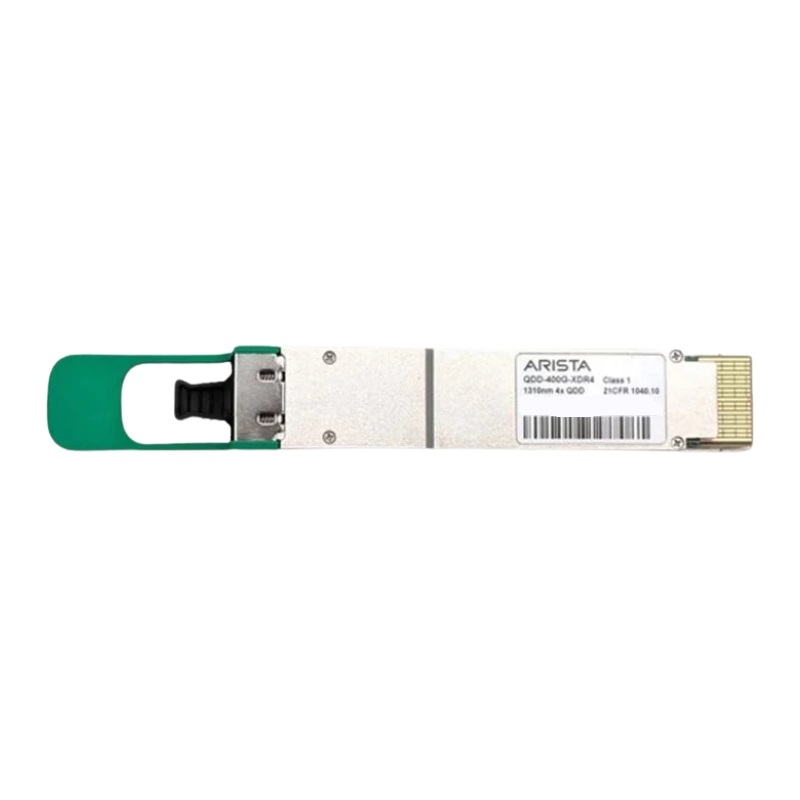


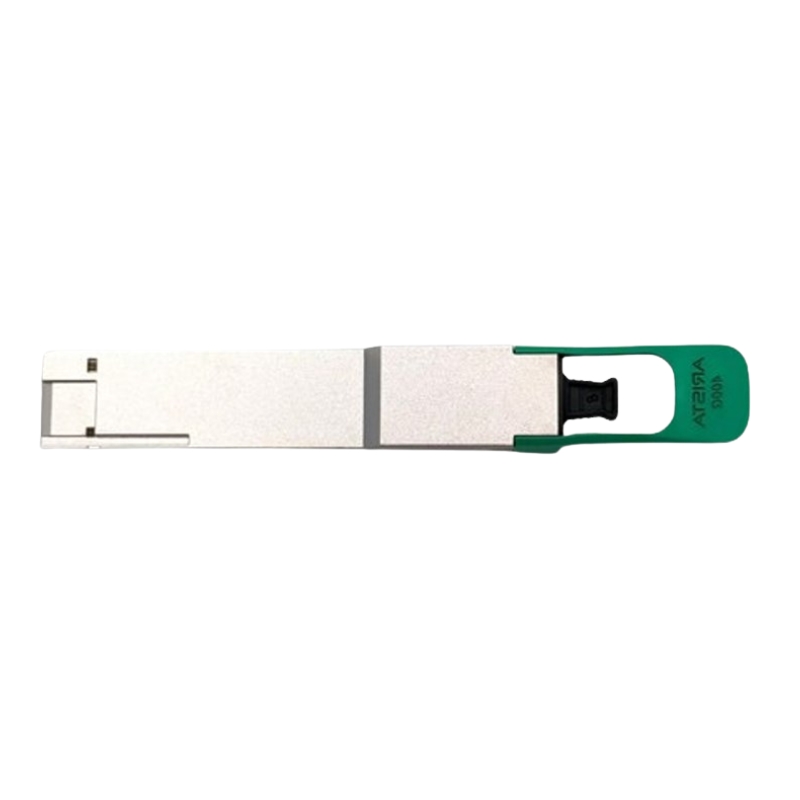
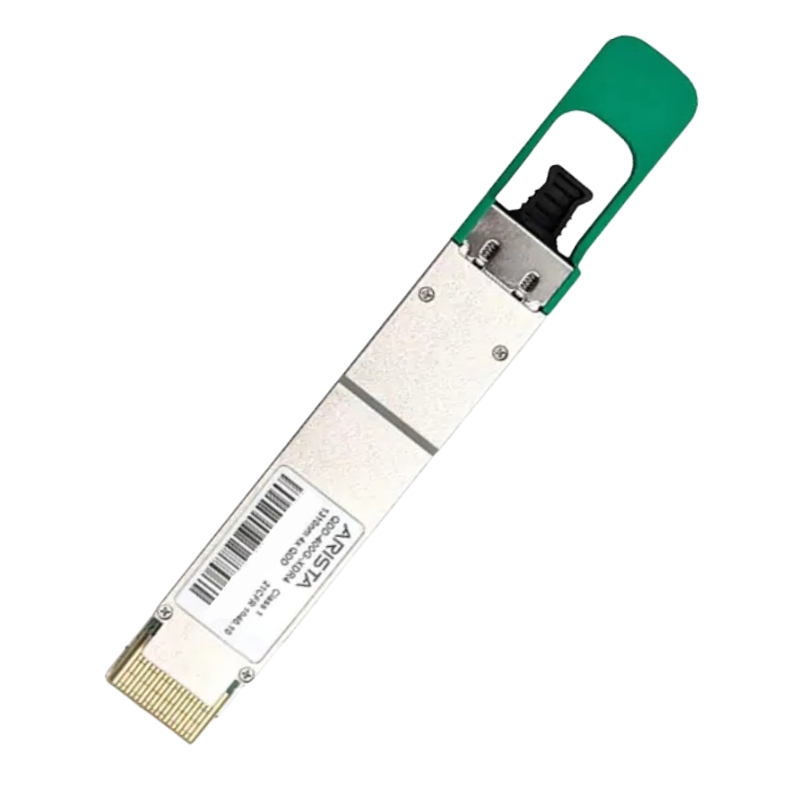
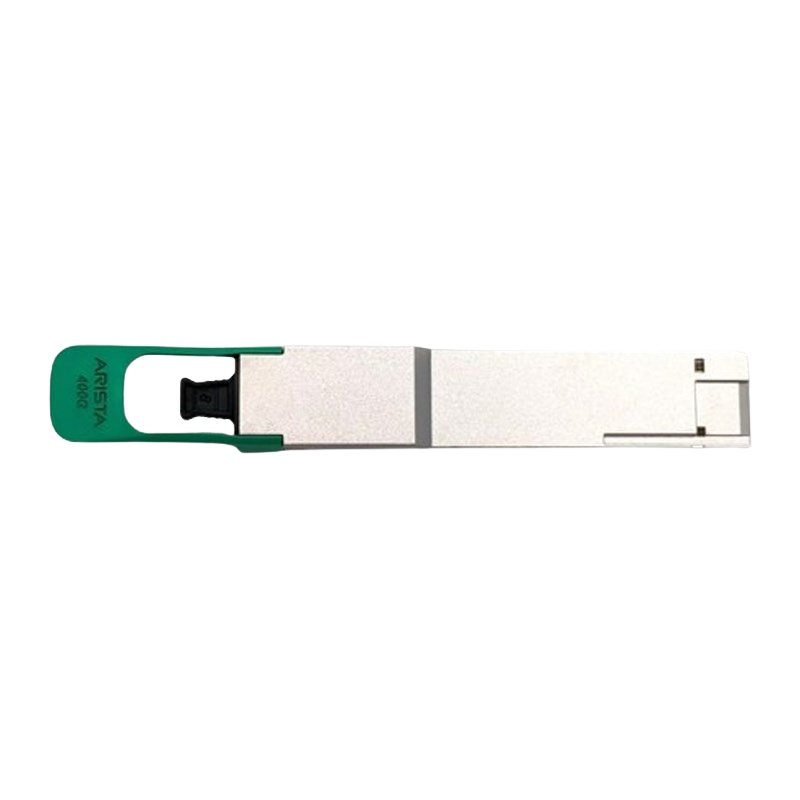
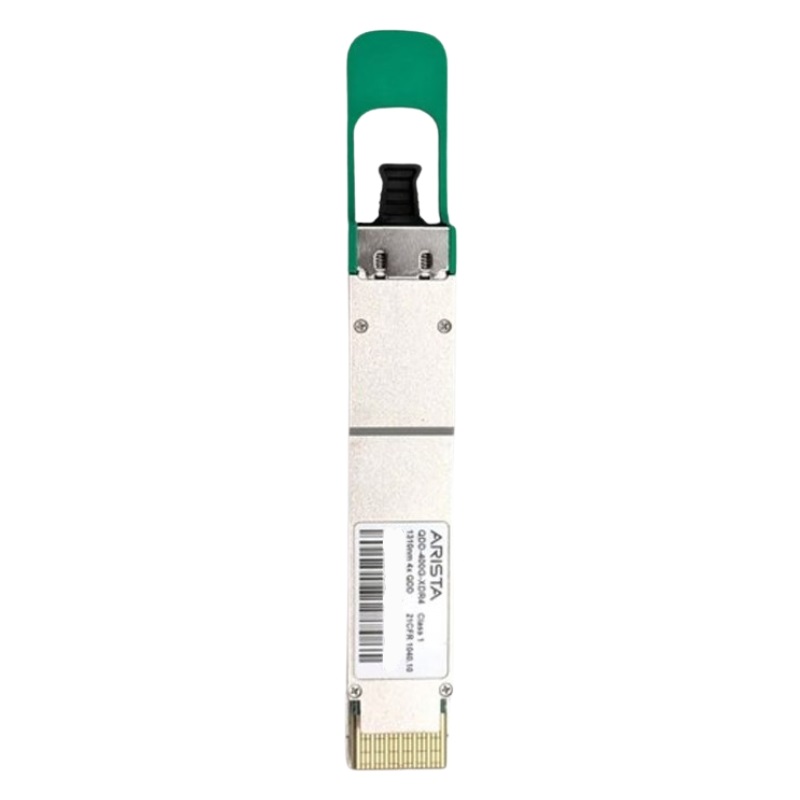
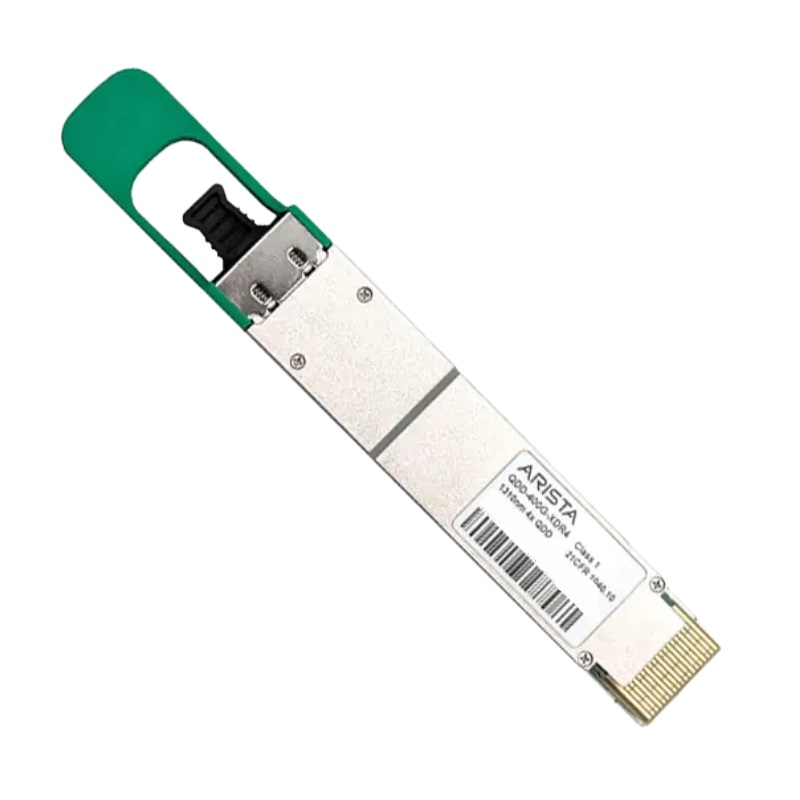
Arista XVR-10264-41 QSFP DD UP 400GBASE-XDR4 To 2km Over Parallel SMF Transceiver. Excellent Refurbished with 1 year Replacement Warranty
The Arista XVR-10264-41 is a high-performance optical transceiver engineered for advanced networking environments. It delivers reliable 400GBASE-XDR4 connectivity over parallel single-mode fiber (SMF) up to 2 kilometers, ensuring seamless data transmission for modern data centers and enterprise infrastructures.
The category encompassing the Arista XVR-10264-41 QSFP-DD UP 400GBASE-XDR4 transceiver represents a critical segment of next-generation optical networking hardware designed for ultra-high bandwidth, low-latency, and scalable data transport. This category focuses on 400 Gigabit Ethernet optical transceivers that utilize the QSFP-DD form factor and parallel single-mode fiber technology to enable high-capacity links over extended distances. Products within this category are engineered to support modern data center interconnects, cloud-scale architectures, service provider backbones, and high-performance enterprise networks where throughput, reliability, and interoperability are paramount.
The QSFP-DD UP form factor is a defining characteristic of this category, offering a compact yet powerful interface capable of supporting 400G data rates. QSFP-DD, or Quad Small Form Factor Pluggable Double Density, introduces an eight-lane electrical interface that doubles the channel count of previous QSFP designs. The UP designation indicates backward compatibility with earlier QSFP modules while enabling forward-looking performance. This form factor allows network designers to increase port density on switches and routers without sacrificing signal integrity or thermal efficiency, making it a foundational element for scalable network infrastructure.
Within this category, the mechanical design of QSFP-DD UP transceivers ensures robust insertion cycles, precise alignment, and effective heat dissipation. The electrical interface supports high-speed PAM4 modulation, enabling each lane to carry significantly more data than legacy NRZ-based designs. These advantages collectively allow network operators to deploy high-capacity links while maintaining manageable power consumption and physical space requirements.
The 400GBASE-XDR4 specification defines the optical signaling and performance parameters that distinguish this category. XDR4 technology uses four parallel optical lanes, each operating at 100 gigabits per second, to achieve an aggregate throughput of 400 gigabits per second. This approach balances complexity and efficiency by leveraging parallelism rather than pushing single-lane speeds beyond practical limits. The result is a stable, standards-aligned solution suitable for long-reach single-mode fiber applications.
Parallel single-mode fiber, or SMF, is a cornerstone of this category. Unlike duplex fiber solutions that rely on wavelength multiplexing, parallel SMF uses multiple discrete fibers to transmit data simultaneously. This architecture reduces optical complexity and improves signal robustness over extended distances. In the context of 400GBASE-XDR4 transceivers, parallel SMF enables consistent performance up to 2 kilometers, making it ideal for inter-building links, campus networks, and data center interconnect scenarios.
Maintaining signal integrity over parallel SMF requires precise optical alignment, high-quality laser sources, and advanced receiver sensitivity. Products in this category are engineered with these considerations in mind, incorporating rigorous manufacturing standards and extensive testing to ensure reliable operation across a wide range of environmental conditions. This focus on optical performance translates into lower bit error rates and improved overall network stability.
A defining attribute of the Arista XVR-10264-41 and similar transceivers in this category is their ability to support transmission distances of up to 2 kilometers. This reach capability fills a critical gap between short-reach multimode solutions and long-haul coherent optics. It enables network architects to design flexible topologies that span multiple facilities without incurring the cost or complexity of more advanced optical systems.
Compatibility is a central theme within this category, particularly for environments that incorporate equipment from multiple vendors. The Arista XVR-10264-41 QSFP-DD UP 400GBASE-XDR4 transceiver is designed to meet or exceed industry standards, ensuring seamless integration with compatible switches and routers. This standards compliance extends to electrical interfaces, optical signaling, and management protocols.
Transceivers in this category are optimized for use with high-performance network platforms that support QSFP-DD interfaces. Proper integration involves not only physical compatibility but also firmware recognition and thermal management. Vendors design these modules to work harmoniously with host systems, enabling features such as digital diagnostics monitoring and real-time performance reporting.
Power efficiency is a major consideration for any high-speed optical transceiver category, and 400GBASE-XDR4 QSFP-DD modules are no exception. Despite their high throughput, these transceivers are engineered to operate within strict power budgets. Efficient laser technology, optimized electronic components, and intelligent power management contribute to reduced energy consumption per bit transmitted.
Effective thermal design is essential to maintaining performance and longevity. Products in this category incorporate heat-spreading materials and mechanical designs that facilitate airflow within dense switch environments. By managing heat effectively, these transceivers maintain consistent performance even under sustained high-load conditions.
The category represented by the Arista XVR-10264-41 QSFP-DD UP 400GBASE-XDR4 transceiver plays a key role in future-proofing network infrastructure. As bandwidth demands continue to grow, 400G solutions provide a scalable foundation that can support evolving applications such as artificial intelligence, machine learning, and large-scale data analytics. The modular nature of QSFP-DD transceivers allows network operators to upgrade capacity incrementally without wholesale infrastructure replacement.
For organizations transitioning from 100G or 200G networks, this category offers a clear upgrade path. By leveraging existing single-mode fiber investments and adopting higher-capacity transceivers, operators can achieve significant performance gains with minimal disruption. The parallel SMF approach simplifies this migration by avoiding complex wavelength management requirements.
From an operational perspective, this category delivers tangible benefits in terms of simplified deployment, reduced maintenance overhead, and improved network visibility. The standardized form factor and interface allow for rapid installation and replacement, while advanced monitoring features support efficient network management. These advantages translate into lower total cost of ownership and improved return on investment for organizations deploying 400G infrastructure.
The broader strategic importance of this category lies in its role as an enabler of digital transformation. By providing the bandwidth and reach necessary to support data-intensive applications, 400GBASE-XDR4 QSFP-DD transceivers empower organizations to innovate and scale. The Arista XVR-10264-41 exemplifies the capabilities of this category, serving as a building block for high-performance, future-ready network architectures.


 Contact Us
 Information
 Catalog
 Solid State Drives (SSD)
 Network Switches
 Hard Disk Drives
 HBA & Controllers
 PC & Servers
 PC & Server Memory
 CPU & Processors
 Network Routers
 Power Supplies
 Tape Drives & Libraries
 Network Devices
 Computer & Network Cables