(7% discount is applied at checkout)
Cart is empty
Your go-to destination for cutting-edge server products
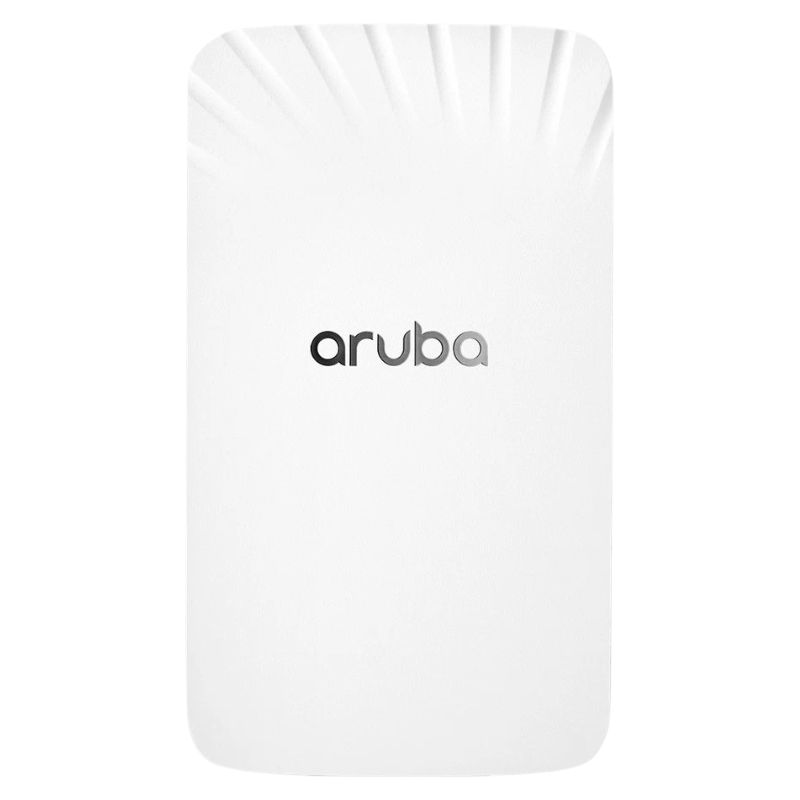


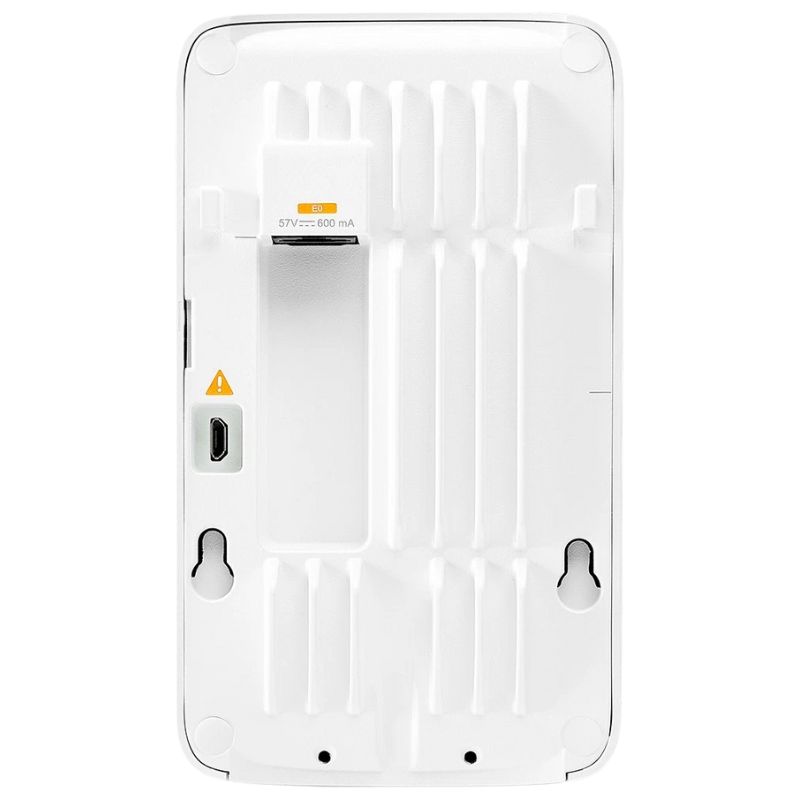
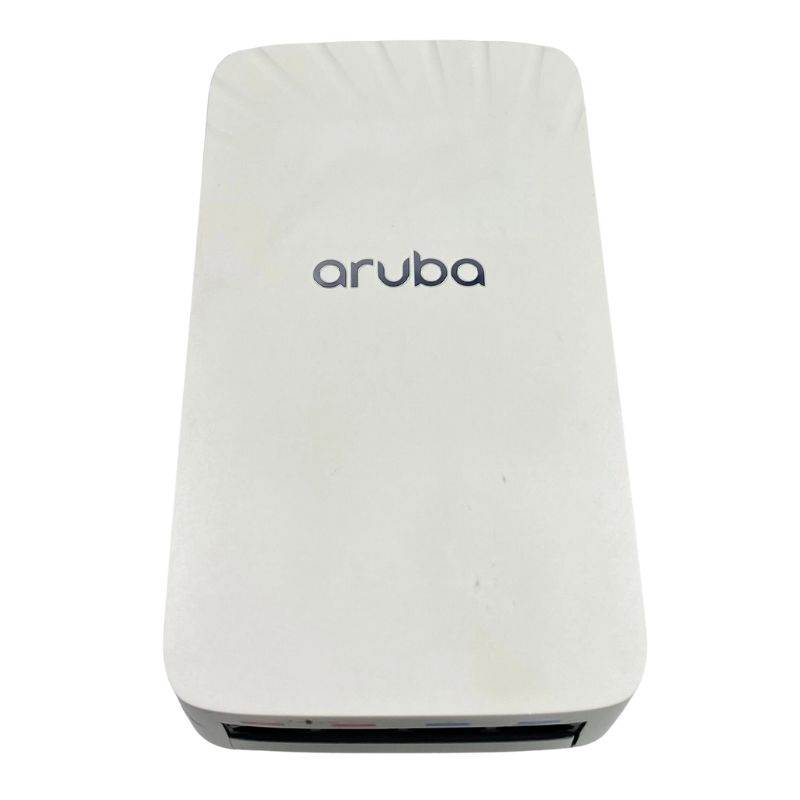
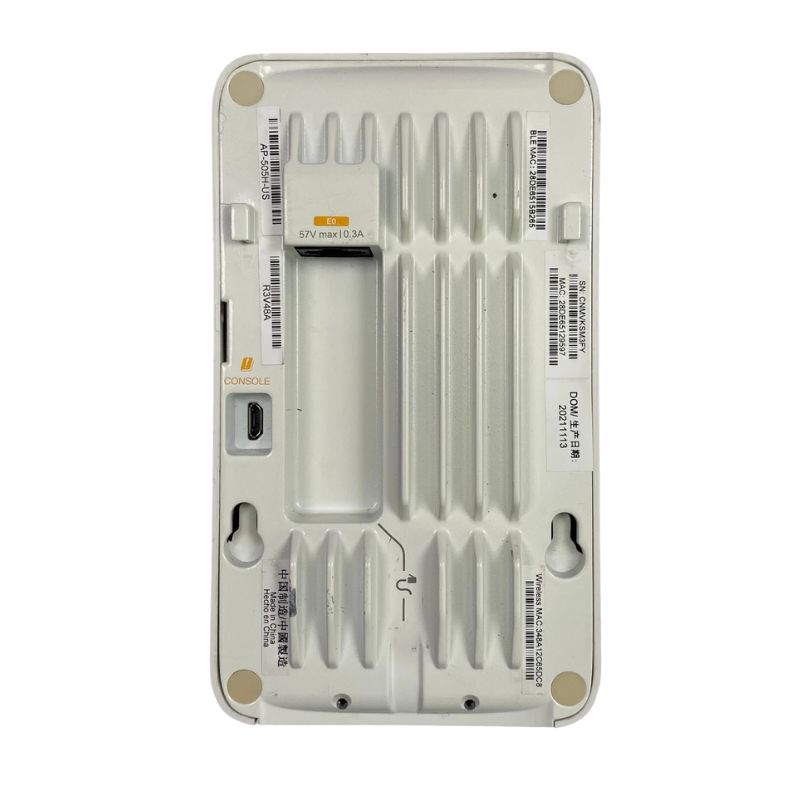
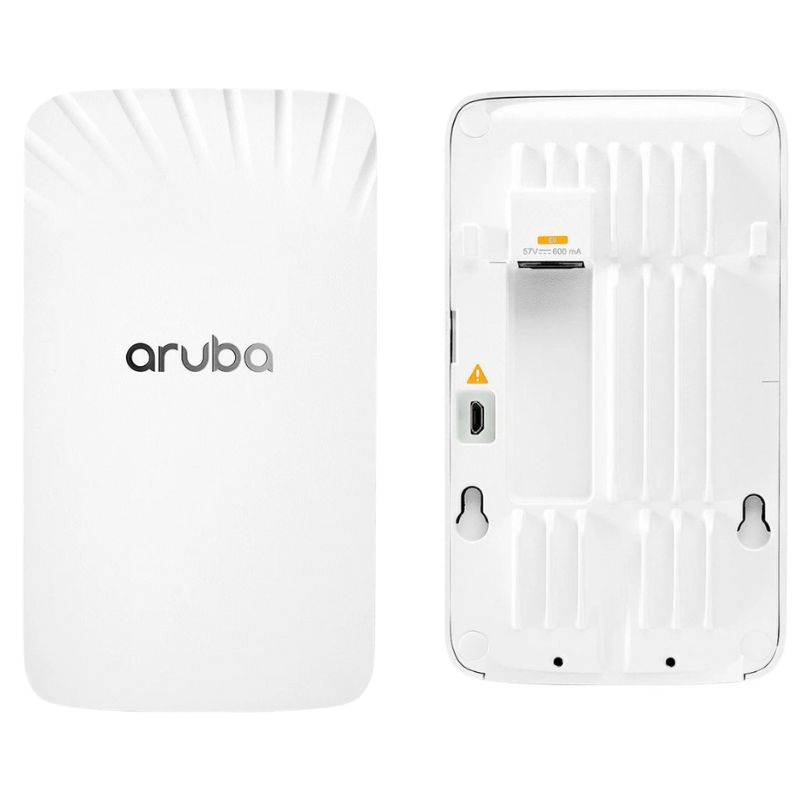
HPE AP-505HR-US Aruba AP-505HR (US) Unified Remote Wireless Access Point. Excellent Refurbished with 1 Year Replacement Warranty
The HPE AP-505HR-US Aruba Unified Remote Wireless Access Point is engineered to deliver high-performance wireless networking for distributed environments such as branch offices, hospitality deployments, and remote workspaces. Designed with next-generation Wi-Fi 6 capabilities, this access point ensures efficient bandwidth utilization, reduced latency, and improved client density handling. Its compact external form factor allows flexible mounting while maintaining enterprise-level reliability and scalability.
The HPE AP-505HR-US Aruba AP-505HR Unified Remote Wireless Access Point belongs to a high-performance category of enterprise-grade WiFi 6 hospitality and remote branch access points designed to deliver secure, reliable, and high-throughput wireless connectivity in environments such as remote offices, branch deployments, student housing, healthcare rooms, and hotel guest environments. This category focuses on wall-plate and hospitality-class access points that combine wireless networking, wired port extension, IoT connectivity, and remote enterprise management capabilities into a single compact platform. The access point integrates advanced wireless technologies such as OFDMA, MU-MIMO, and Target Wake Time to optimize bandwidth distribution and device efficiency in high-density and mixed-device environments.
Devices in this segment support dual-radio operation across 2.4 GHz and 5 GHz frequency bands while delivering aggregate wireless throughput approaching 1.5 Gbps. The architecture enables simultaneous servicing of multiple client devices with reduced latency and enhanced reliability. The integration of advanced security frameworks such as WPA3, enhanced open authentication, dynamic segmentation, and policy enforcement firewall ensures enterprise-grade protection for both wired and wireless endpoints across distributed network environments. The category also supports advanced IoT frameworks through integrated Bluetooth 5 and Zigbee radios, enabling seamless onboarding of smart building devices, sensors, and automation systems.
The HPE AP-505HR-US unified remote wireless access point category leverages IEEE 802.11ax technology, commonly known as WiFi 6, which introduces several performance and efficiency improvements over legacy wireless standards. These access points support dual spatial stream 2x2 MIMO radio operation for both primary frequency bands. The wireless subsystem is engineered to support high device density environments by distributing airtime more efficiently and enabling parallel data streams for multiple users. This results in improved user experience in high traffic locations such as multi-tenant buildings, shared workspaces, and hospitality environments.
Typical maximum combined wireless data rates reach approximately 1.5 Gbps, with individual band throughput capabilities around 287 Mbps for 2.4 GHz and approximately 1.2 Gbps for 5 GHz operation. These performance characteristics ensure that modern applications such as video conferencing, cloud desktop infrastructure, and large file synchronization operate smoothly across distributed enterprise deployments. The access point design also includes intelligent client steering and roaming optimization technologies to maintain stable connections as users move throughout coverage zones.
The access point category incorporates Orthogonal Frequency Division Multiple Access technology to divide channels into smaller subchannels, allowing multiple devices to transmit simultaneously. Multi-user MIMO support allows the access point to communicate with multiple endpoints at the same time using spatial multiplexing. These capabilities significantly reduce contention in crowded wireless environments while increasing aggregate network throughput.
Target Wake Time technology improves battery efficiency for connected mobile and IoT devices by scheduling communication intervals. This reduces power consumption and improves device longevity in remote and distributed network deployments. These features are critical for environments with large numbers of mobile devices, sensors, and wireless endpoints operating continuously.
The HPE AP-505HR-US unified remote wireless access point category is engineered for remote workforce enablement and branch extension scenarios. These devices can operate in remote access point modes where they automatically establish encrypted tunnels back to enterprise controllers or cloud management platforms. This enables corporate policy enforcement, traffic segmentation, and centralized monitoring even when the device is installed in a remote home office or temporary branch site.
Zero touch provisioning capabilities allow IT teams to ship preconfigured access points directly to remote users. Upon connection to internet connectivity, the device automatically downloads configuration profiles, firmware updates, and security policies. This dramatically reduces deployment complexity and minimizes the need for on-site technical intervention.
The category integrates deep packet inspection engines and policy enforcement firewall functionality to maintain consistent security posture across distributed networks. Dynamic segmentation technology ensures that user traffic is automatically classified and routed according to enterprise policies. The integration of trusted platform module hardware provides secure credential storage and trusted boot capabilities to prevent unauthorized firmware modification.
These security features allow enterprises to extend corporate networks securely to remote employees without sacrificing compliance or performance. Integration with enterprise identity systems and network access control frameworks allows granular user authentication and device authorization across both wired and wireless interfaces.
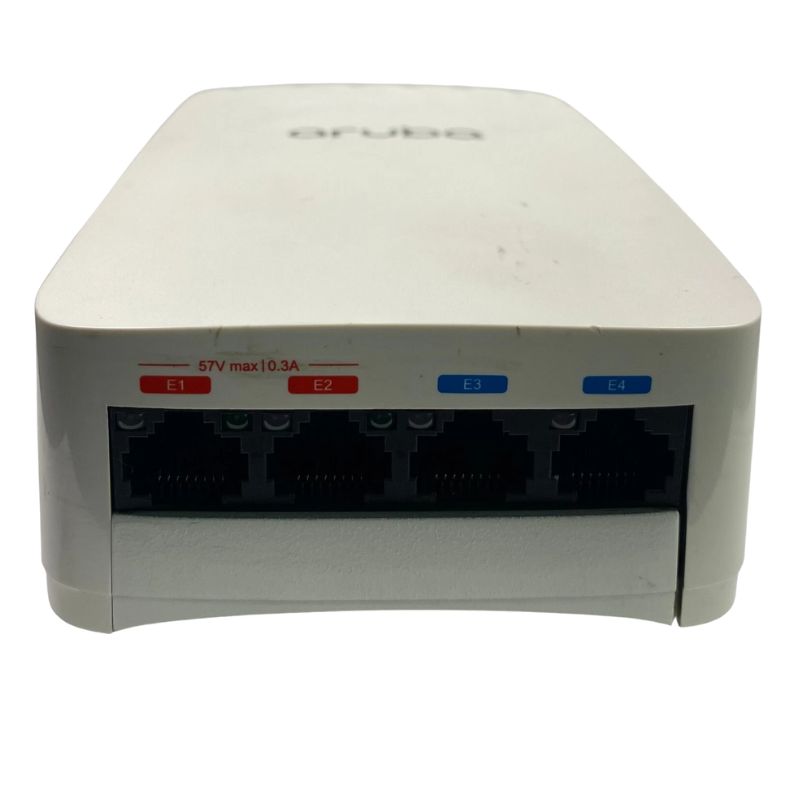
A defining characteristic of hospitality and remote unified access point categories is integrated multi-port Ethernet switching capability. The HPE AP-505HR-US class provides a high-speed Smart Rate 2.5 Gigabit uplink port along with multiple Gigabit Ethernet downlink ports. This allows the access point to serve as a mini distribution node, enabling wired device connectivity without requiring additional network switches.
Some Ethernet ports support power over Ethernet output functionality, allowing connected devices such as IP phones, IoT sensors, and security cameras to be powered directly from the access point. This reduces cabling complexity and infrastructure cost while enabling flexible deployment models in space-constrained environments.
The unified remote access point category incorporates multi-protocol IoT radios including Bluetooth 5 and Zigbee connectivity. This enables direct integration with building automation systems, environmental sensors, asset tracking systems, and smart lighting infrastructure. The inclusion of USB expansion ports allows additional IoT modules or gateway devices to be connected directly to the access point platform.
Integrated IoT support eliminates the need for separate gateway hardware, reducing overall infrastructure complexity. The platform can serve as a unified wireless hub for both enterprise networking and smart building applications. This convergence reduces capital expenditure and simplifies ongoing operational management.
Cloud-based management platforms can leverage machine learning analytics to monitor performance metrics and automatically optimize radio settings. These systems can detect interference sources, optimize channel utilization, and proactively resolve performance anomalies. AI-driven optimization significantly reduces manual tuning requirements and improves network stability across distributed deployment scenarios.
The HPE AP-505HR-US category supports multiple management architectures including cloud-managed deployments through centralized management platforms and on-premises controller-based management for organizations requiring localized control. Cloud-based management allows administrators to monitor device health, configure security policies, and deploy firmware updates across thousands of distributed access points from a single interface.
Controller-based deployment options allow integration into existing enterprise network infrastructures using centralized mobility controllers. Hybrid deployment models enable gradual migration from on-premises management to cloud-based orchestration as organizational needs evolve.
Enterprise hospitality and remote access point categories incorporate multi-layered security frameworks designed to protect both wireless and wired endpoints. Support for WPA3 encryption ensures strong wireless authentication and data privacy. Enhanced open authentication provides improved security for guest networks while maintaining ease of access.
Policy enforcement firewall functionality provides application-level traffic control and segmentation. Integration with deep packet inspection engines enables detection of malicious traffic patterns and enforcement of corporate security policies. Trusted hardware modules ensure platform integrity and secure credential storage.
Dynamic segmentation enables automatic separation of user traffic into secure virtual network segments based on user role, device type, or authentication status. This ensures compliance with data security regulations and reduces the risk of lateral movement in the event of a network breach.
These access points typically support hundreds of client devices per radio, allowing deployment in dense environments such as multi-user residential facilities or shared workspaces. The architecture supports multiple BSSIDs per radio, enabling segmentation of wireless networks for different user groups or service tiers.
The unified remote access point category incorporates energy-efficient hardware design and intelligent power management systems. Green operation modes reduce power consumption during periods of low network utilization. Intelligent power monitoring allows dynamic adjustment of power usage based on device load and environmental conditions.
Support for modern power over Ethernet standards allows efficient power delivery over network cabling, reducing infrastructure complexity. Power consumption optimization contributes to lower operational costs and improved environmental sustainability.
Power management systems dynamically allocate available power resources across wireless radios, Ethernet ports, and USB expansion interfaces. This ensures optimal performance even when operating under constrained power budgets. Intelligent power allocation allows organizations to maintain full functionality without requiring higher capacity power infrastructure upgrades.


 Contact Us
 Information
 Catalog
 Solid State Drives (SSD)
 Network Switches
 Hard Disk Drives
 HBA & Controllers
 PC & Servers
 PC & Server Memory
 CPU & Processors
 Network Routers
 Power Supplies
 Tape Drives & Libraries
 Network Devices
 Computer & Network Cables