(7% discount is applied at checkout)
Cart is empty
Your go-to destination for cutting-edge server products
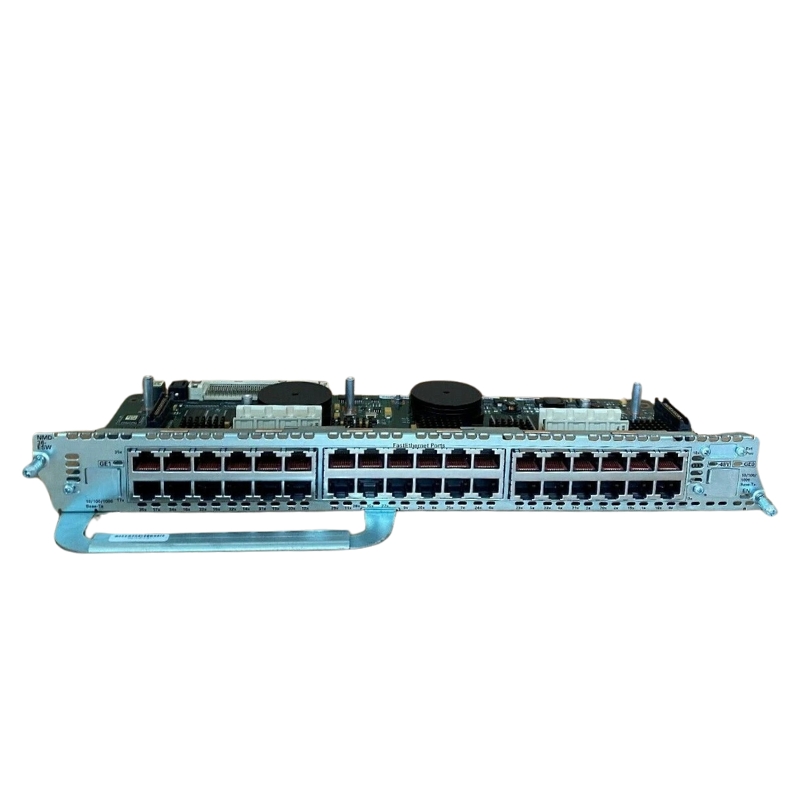


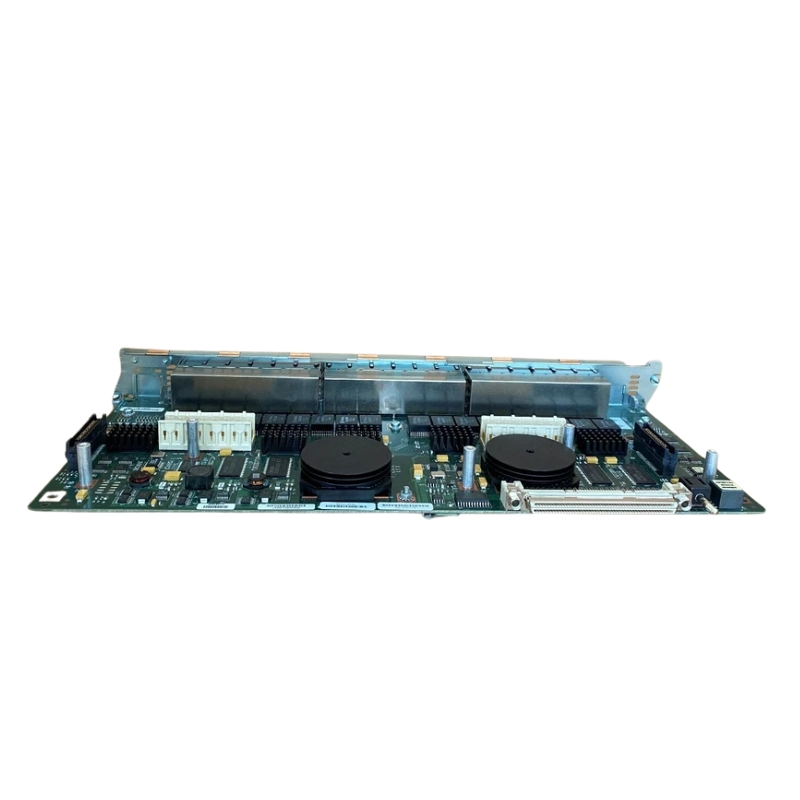
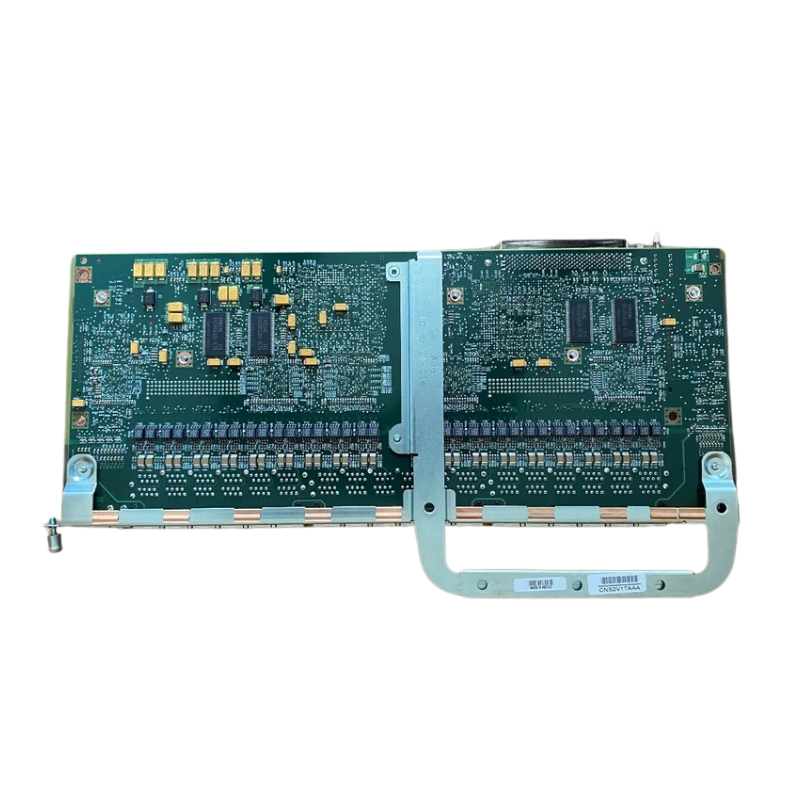
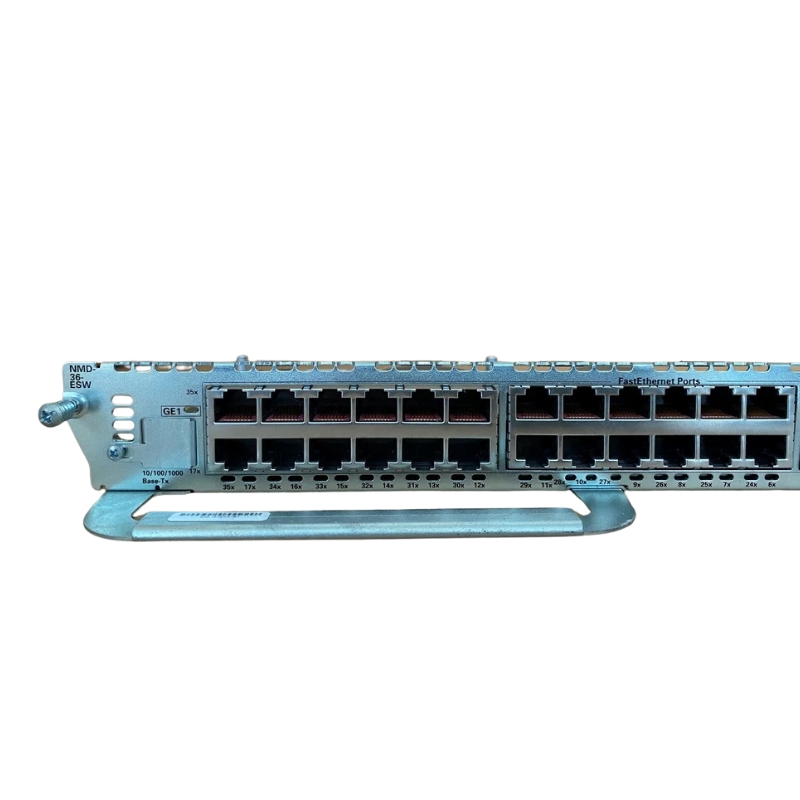
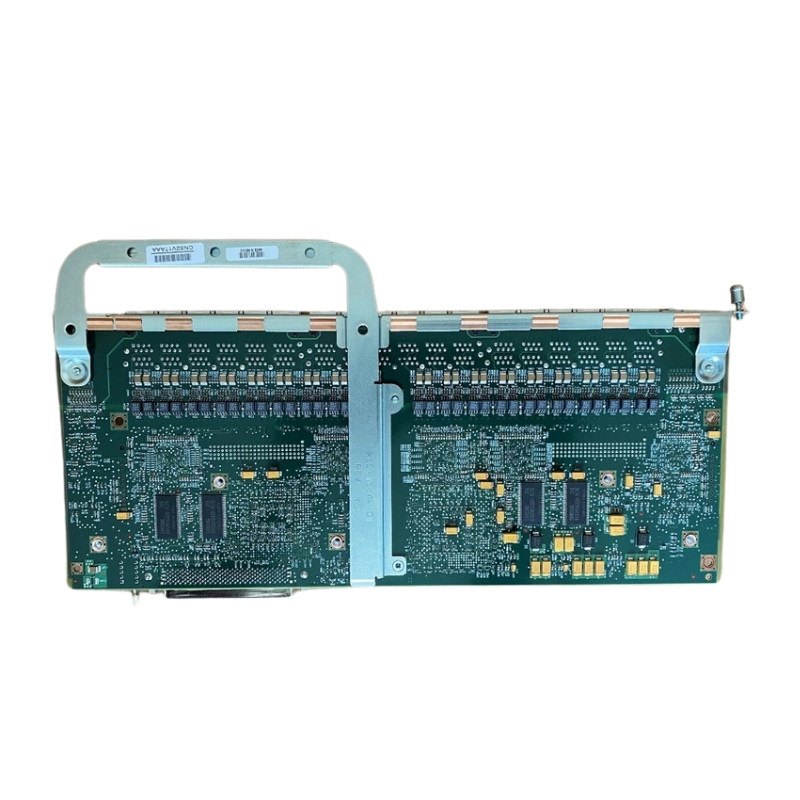
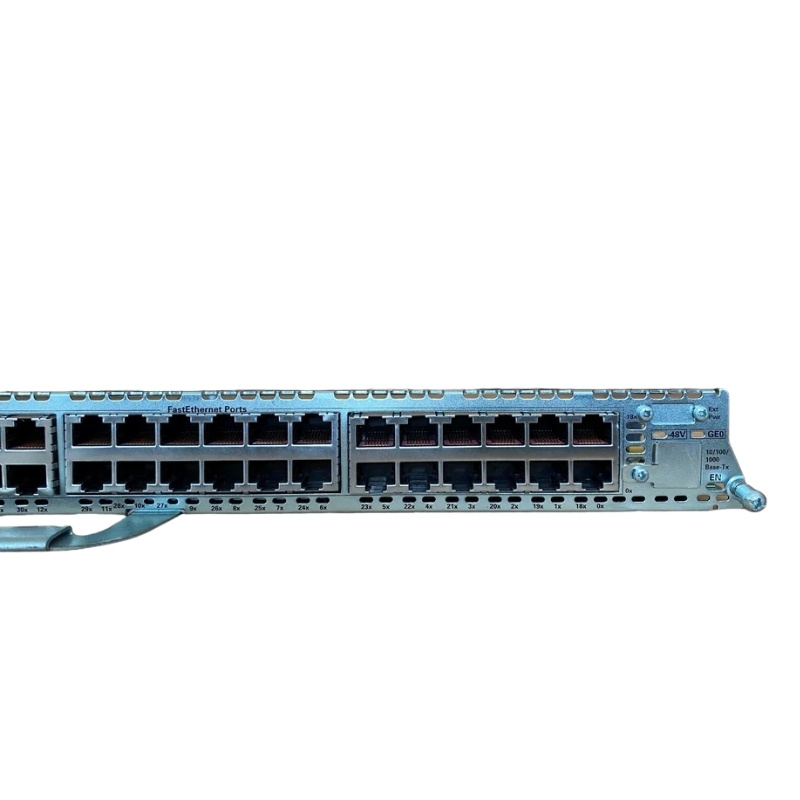
Cisco NMD-36-ESW-PWR-2G EtherSwitch Network Module. Excellent Refurbished with 1 year replacement warranty
The Cisco NMD-36-ESW-PWR-2G EtherSwitch Network Module is a high-density switching solution engineered to extend LAN connectivity directly within compatible Cisco routing platforms. Built under the trusted Cisco EtherSwitch product line, this network module integrates advanced Layer 2 switching capabilities, optimized port density, and dependable power delivery into a single double-wide module form factor. It is purpose-built for enterprise branch offices, distributed networks, and scalable infrastructure deployments that require reliable Ethernet expansion without additional standalone switches.
The Cisco NMD-36-ESW-PWR-2G EtherSwitch Network Module belongs to a specialized category of integrated switching modules designed to extend enterprise routing platforms with high-density Ethernet switching, advanced power delivery, and resilient network services. This category focuses on modular EtherSwitch solutions that combine Layer 2 and Layer 3 switching intelligence with embedded power capabilities, enabling unified data, voice, and video connectivity directly within supported Cisco network devices. By integrating switching logic at the module level, organizations can reduce hardware sprawl while maintaining deterministic performance and centralized control.
This class of network modules is engineered to align with Cisco’s enterprise architecture principles, emphasizing scalability, service continuity, and operational simplicity. The design allows network administrators to deploy switching ports where they are most needed without adding standalone access switches. Such an approach is especially relevant for branch offices, remote sites, and distributed enterprise environments where space efficiency, power availability, and simplified management are strategic requirements.
The switching fabric within the Cisco NMD-36-ESW-PWR-2G module is optimized to interoperate seamlessly with host platforms, leveraging high-speed internal connections rather than relying on external cabling. This architectural choice reduces latency, improves throughput consistency, and enhances overall reliability. The backplane integration ensures that traffic between the router and the EtherSwitch module remains within the chassis, offering predictable performance for business-critical applications.
Modules in this category are designed with non-blocking or near non-blocking switching characteristics, ensuring that simultaneous data streams do not contend for limited bandwidth. This is essential for environments where converged services such as IP telephony, video conferencing, and transactional data coexist. By maintaining consistent forwarding performance, the module category supports quality-driven enterprise networking strategies.
At the core of this category is a comprehensive set of Layer 2 Ethernet features that deliver stable and secure access connectivity. The Cisco NMD-36-ESW-PWR-2G module supports VLAN segmentation, enabling logical separation of traffic to enhance security and optimize broadcast domains. VLAN-aware switching allows enterprises to design flexible network topologies that align with organizational structures, departmental boundaries, or application requirements.
Spanning Tree Protocol variants are integral to this category, ensuring loop prevention and rapid convergence in complex network topologies. Support for modern spanning tree enhancements minimizes downtime during topology changes, contributing to higher network availability. These features are essential for enterprises that prioritize uninterrupted access to mission-critical systems.
Although primarily focused on switching, this category is designed to operate harmoniously with Layer 3 routing functions provided by the host platform. The tight integration enables efficient inter-VLAN routing, optimized traffic paths, and consistent policy enforcement. By leveraging the routing intelligence of the host device, the EtherSwitch module category supports scalable and secure network segmentation without introducing additional routing hardware.
A defining characteristic of the Cisco NMD-36-ESW-PWR-2G category is the inclusion of advanced Power over Ethernet functionality. This feature enables the delivery of electrical power alongside data over standard Ethernet cabling, simplifying the deployment of powered devices such as IP phones, wireless access points, surveillance cameras, and IoT endpoints. By eliminating the need for separate power sources, organizations can reduce installation complexity and infrastructure costs.
The power architecture within this category is engineered for reliability and efficiency. Intelligent power management mechanisms allocate power dynamically based on device requirements, ensuring optimal utilization of available power budgets. This approach supports dense device deployments while maintaining operational safety and compliance with industry standards.
Modules in this category adhere to established IEEE Power over Ethernet standards, ensuring interoperability with a wide range of powered devices. Support for enhanced power levels enables the operation of more demanding endpoints, such as advanced wireless access points with multiple radios. This standards-based design ensures future compatibility and protects long-term investment in network infrastructure.
Power negotiation and monitoring capabilities are integral to this category, allowing network administrators to track power consumption at the port level. This visibility supports proactive capacity planning and helps prevent power-related disruptions in high-density environments.
Reliability is a cornerstone of the EtherSwitch module category. Redundant power handling and intelligent fault detection mechanisms are designed to maintain service continuity even in the event of localized power issues. These capabilities are particularly important for voice and video applications that are sensitive to power interruptions.
The integration of power delivery within the module chassis also simplifies backup power strategies. By connecting the host platform to centralized uninterruptible power supplies, enterprises can extend power protection to all connected endpoints without deploying distributed backup systems.
The Cisco NMD-36-ESW-PWR-2G EtherSwitch Network Module category emphasizes high port density to accommodate growing connectivity demands. This design philosophy allows enterprises to connect numerous devices from a single module, reducing the need for additional access switches and minimizing cabling complexity. High-density configurations are particularly valuable in branch environments where space and rack availability are limited.
Scalability within this category is achieved through modular expansion rather than wholesale infrastructure replacement. As connectivity needs evolve, organizations can add or upgrade modules to increase port capacity or introduce new capabilities. This modular approach aligns with long-term network planning and budget optimization strategies.
Gigabit Ethernet connectivity is a standard feature of this category, delivering sufficient bandwidth for modern enterprise applications. From cloud-based collaboration tools to real-time communication platforms, Gigabit speeds ensure that access-layer bottlenecks do not impede productivity. The consistent performance characteristics of this category support predictable application behavior across diverse workloads.
Advanced buffering and traffic management techniques further enhance throughput stability. These mechanisms help absorb traffic bursts and maintain low latency during peak usage periods, contributing to a smooth end-user experience.
The inclusion of high-speed uplink interfaces within this category enables efficient aggregation of access traffic toward the core or distribution layers. These uplinks are designed to integrate seamlessly with enterprise switching and routing infrastructures, supporting hierarchical network designs. By providing sufficient uplink capacity, the category ensures that access-layer expansion does not create upstream congestion.
Quality of Service capabilities are fundamental to the Cisco NMD-36-ESW-PWR-2G category, reflecting the need to prioritize critical traffic in converged networks. By classifying and managing traffic flows, these modules help ensure that latency-sensitive applications receive appropriate resources. This is particularly important for voice and video services that require consistent performance to maintain user satisfaction.
Traffic management features in this category are designed to operate transparently, reducing administrative overhead while delivering tangible performance benefits. Policy-driven controls allow administrators to define priorities based on application type, user group, or network segment.
Modules in this category support multiple traffic classification methods, enabling granular control over how packets are handled. By identifying traffic at the ingress point, the switching logic can apply appropriate forwarding and queuing behaviors. This proactive approach helps prevent congestion from impacting high-priority services.
Prioritization mechanisms work in concert with the host platform’s routing policies, ensuring end-to-end consistency across the network. This alignment simplifies troubleshooting and enhances overall network predictability.
Advanced queue management techniques are employed within this category to mitigate the effects of congestion. By intelligently scheduling packet transmission, the module can maintain fairness while honoring priority levels. These capabilities are essential in environments with mixed traffic profiles and fluctuating demand patterns.
Security is an integral aspect of the EtherSwitch module category, addressing the need to protect enterprise networks at the access layer. The Cisco NMD-36-ESW-PWR-2G category incorporates a range of access control mechanisms designed to prevent unauthorized connectivity and mitigate internal threats. By enforcing security policies close to the endpoint, organizations can reduce their exposure to network-based attacks.
Access-layer security features complement broader enterprise security frameworks, integrating with authentication, authorization, and accounting systems. This layered approach strengthens overall network defense without compromising usability.
Port security capabilities within this category allow administrators to define acceptable device behaviors on a per-port basis. By limiting the number of allowed devices or binding specific identifiers, the network can prevent unauthorized access attempts. These controls are particularly valuable in environments with shared physical spaces or frequent device changes.
Dynamic enforcement mechanisms enable the network to respond automatically to policy violations, reducing the need for manual intervention and improving incident response times.
Traffic segmentation features support the isolation of sensitive data flows, helping organizations meet compliance and regulatory requirements. By leveraging VLAN-based segmentation and access control lists, the category enables fine-grained control over communication paths. This approach reduces the risk of lateral movement within the network and enhances overall security posture.
The Cisco NMD-36-ESW-PWR-2G EtherSwitch Network Module category is designed to integrate seamlessly with Cisco’s centralized management ecosystems. Unified management capabilities allow administrators to configure, monitor, and troubleshoot switching functions from a single interface. This consolidation reduces operational complexity and accelerates deployment timelines.
Operational efficiency is further enhanced through automation-friendly features that support consistent configuration across multiple modules and sites. By standardizing access-layer behavior, organizations can maintain uniform service quality while minimizing administrative effort.
Comprehensive monitoring capabilities provide real-time insight into port status, traffic patterns, and power usage. This visibility supports proactive maintenance and informed decision-making. By identifying trends and anomalies early, network teams can address potential issues before they impact users.
Integration with logging and analytics platforms enables deeper analysis of network behavior, supporting continuous optimization and capacity planning.
The Cisco NMD-36-ESW-PWR-2G EtherSwitch Network Module category is well suited to a wide range of deployment scenarios. In branch office environments, it provides an efficient means of delivering integrated switching and power capabilities within a compact footprint. This consolidation simplifies network design and reduces the number of devices requiring management.
In distributed enterprise settings, the category supports standardized access-layer deployments across multiple locations. By leveraging consistent hardware and feature sets, organizations can achieve predictable performance and streamlined support processes.


 Contact Us
 Information
 Catalog
 Solid State Drives (SSD)
 Network Switches
 Hard Disk Drives
 HBA & Controllers
 PC & Servers
 PC & Server Memory
 CPU & Processors
 Network Routers
 Power Supplies
 Tape Drives & Libraries
 Network Devices
 Computer & Network Cables