(7% discount is applied at checkout)
Cart is empty
Your go-to destination for cutting-edge server products
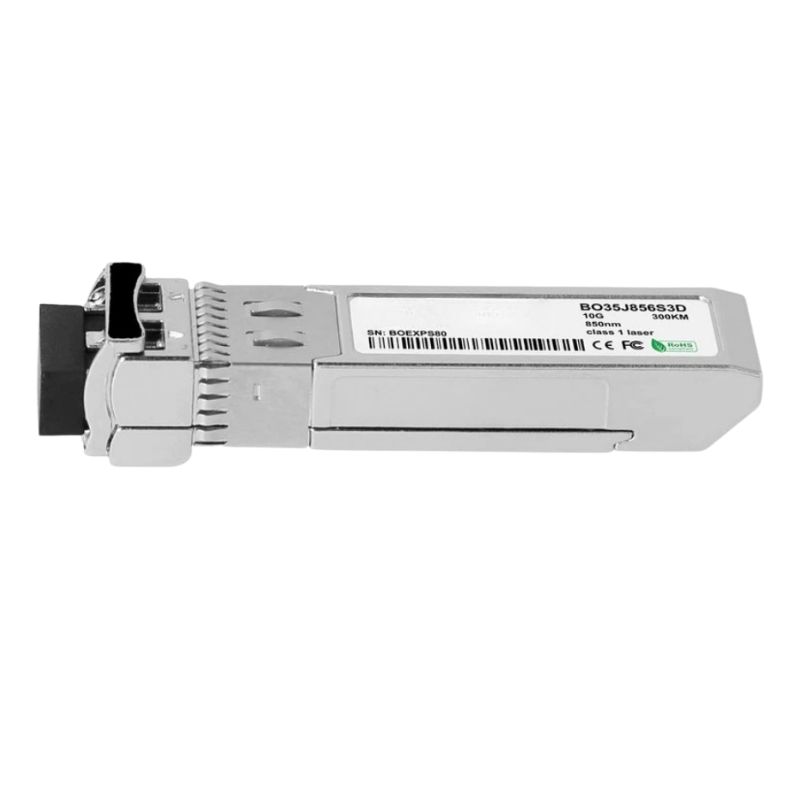


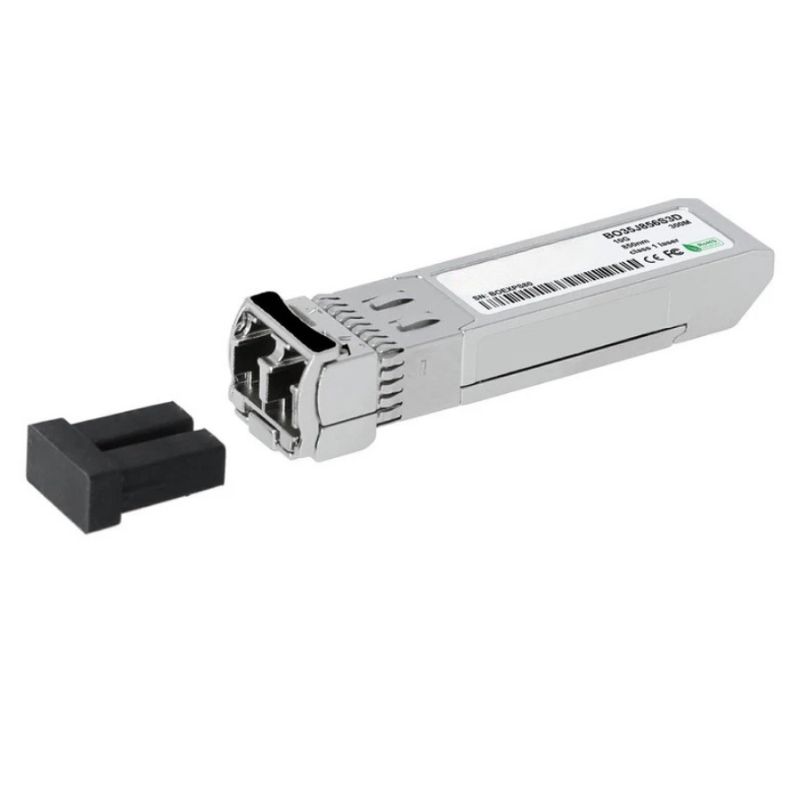
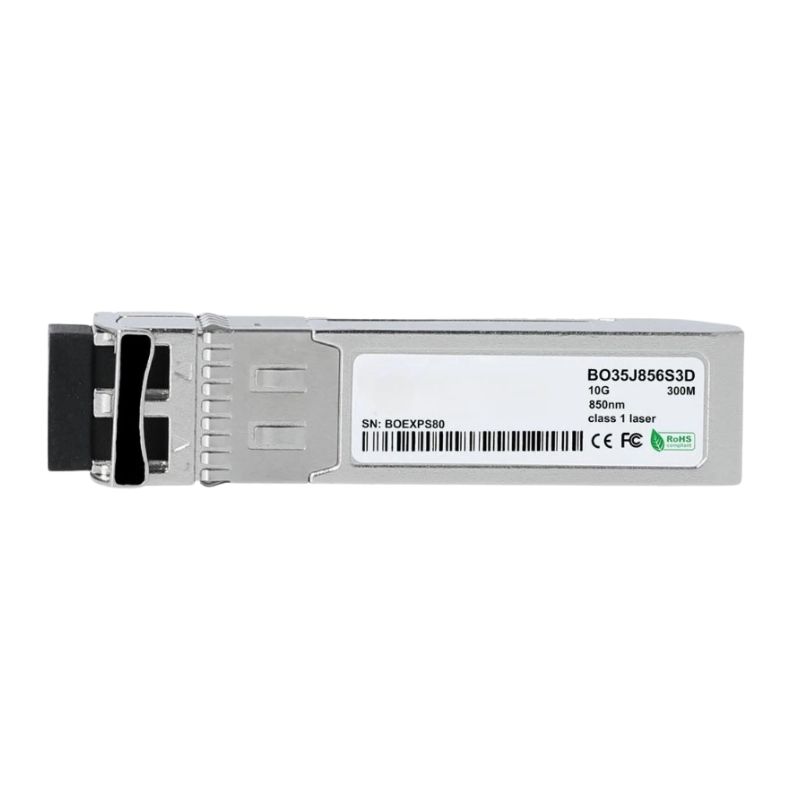
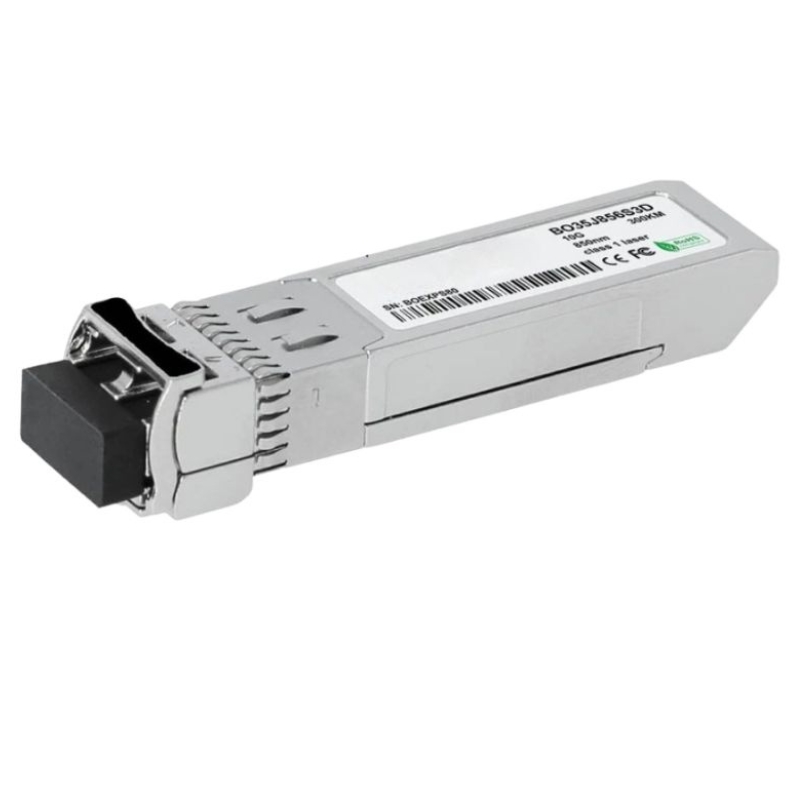
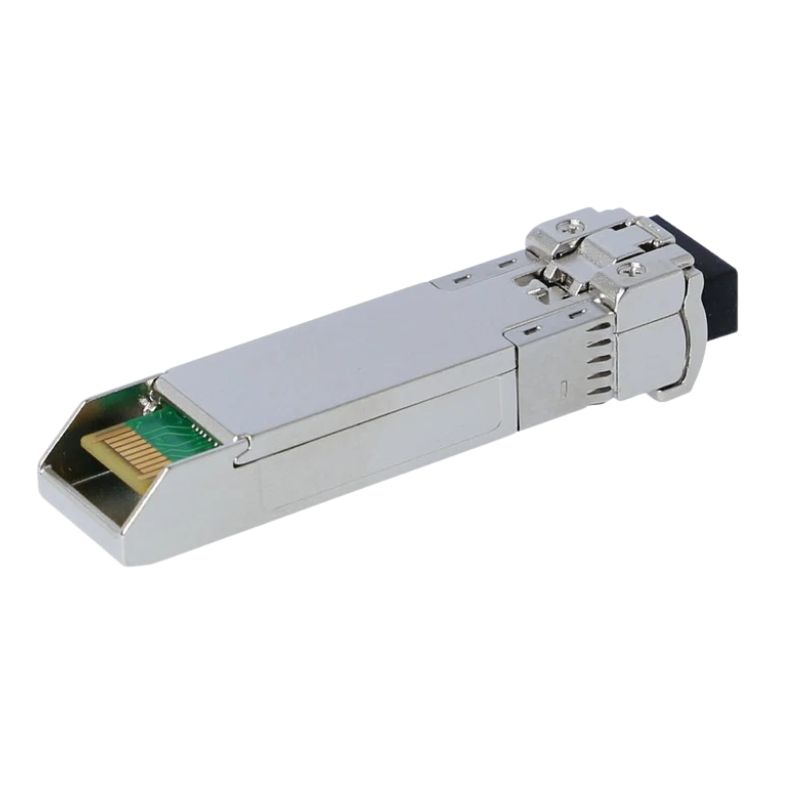
Intel E10GSFPSRG2P5 10 Gigabit SFP+ 1000BASE-SX, 10GBASE-SR Plug-in Transceiver Module. New Sealed in Box (NIB) with 3 Years Warranty
The Intel E10GSFPSRG2P5 plug‑in transceiver module is engineered to deliver high‑speed optical connectivity for enterprise‑grade networks. Designed for reliability and efficiency, this compact unit supports both 1000BASE‑SX and 10GBASE‑SR standards, making it a versatile choice for modern data infrastructures.
The category of 10 Gigabit SFP+ optical transceiver modules represents a critical segment of modern high-performance networking infrastructure, designed to support ultra-fast data transmission across enterprise, data center, cloud computing, and telecommunications environments. Within this category, the Intel E10GSFPSRG2P5 10 Gigabit SFP+ 1000BASE-SX, 10GBASE-SR Plug-in Transceiver Module stands out as a compact yet powerful solution engineered to deliver reliable short-range fiber connectivity using multimode fiber standards. This category is widely recognized for its ability to balance performance, scalability, and energy efficiency in dense networking deployments.
Small Form-Factor Pluggable Plus (SFP+) modules evolved from earlier SFP standards to meet the growing demand for 10 Gigabit Ethernet connectivity. These modules provide a compact, hot-swappable interface that allows network administrators to upgrade or expand network capacity without replacing entire hardware systems. The SFP+ form factor is widely adopted due to its flexibility and compatibility with various networking devices such as switches, routers, and network interface cards.
The 1000BASE-SX and 10GBASE-SR standards define short-range optical transmission over multimode fiber. These standards are optimized for distances typically ranging from 220 meters to 300 meters depending on fiber grade, making them ideal for intra-building connectivity, server racks, and campus network backbones. The Intel E10GSFPSRG2P5 module supports these standards, enabling seamless integration into mixed-speed environments where both Gigabit and 10 Gigabit Ethernet coexist.
At the core of the transceiver module is a precision-engineered optical transmission system that converts electrical signals into light pulses using an 850nm vertical-cavity surface-emitting laser (VCSEL). This wavelength is optimized for multimode fiber, ensuring low attenuation and high signal integrity over short distances. The receiver side uses photodiodes to convert optical signals back into electrical data streams for processing by network hardware.
A defining feature of this category is dual-rate compatibility, allowing operation under both 1 Gigabit Ethernet and 10 Gigabit Ethernet conditions. This ensures backward compatibility with legacy infrastructure while enabling incremental upgrades. Network operators can deploy these modules in environments transitioning from older Gigabit systems to modern high-speed architectures without requiring immediate full-scale replacement.
The module is designed with hot-pluggable functionality, enabling installation or removal without shutting down network equipment. This significantly improves system uptime and reduces maintenance-related disruptions. The mechanical interface ensures secure seating within SFP+ ports while maintaining stable signal transmission and thermal performance.
In modern data centers, high-density server environments require fast, low-latency interconnects between switches and servers. The Intel SFP+ SR/SX module category supports these needs by providing efficient short-range optical links capable of handling large volumes of traffic generated by virtualization, cloud computing workloads, and distributed storage systems.
Cloud service providers rely heavily on scalable and efficient networking hardware. The use of 10 Gigabit SFP+ modules ensures that data can be transmitted between compute nodes, storage clusters, and network backbones with minimal delay. This contributes to improved application responsiveness and optimized resource utilization in multi-tenant cloud environments.
In enterprise campus networks, these transceivers support backbone connectivity between buildings or network aggregation layers. Their ability to handle both Gigabit and 10 Gigabit speeds allows IT departments to maintain operational continuity while upgrading network infrastructure incrementally.
The module is optimized for multimode fiber (MMF) cabling, which is commonly deployed in enterprise and data center environments due to its cost-effectiveness and ease of installation. Multimode fiber supports shorter transmission distances compared to single-mode fiber but offers sufficient bandwidth for internal network communication.
Performance varies depending on fiber classification, with OM3 and OM4 multimode fibers providing enhanced bandwidth and extended reach capabilities. These fiber types allow the transceiver to achieve maximum supported distances while maintaining signal integrity and minimizing dispersion effects.
The LC duplex connector standard is widely used in SFP+ modules, providing a compact and reliable physical interface. Its push-pull design ensures secure connections while enabling easy insertion and removal during maintenance operations or system upgrades.
One of the most important characteristics of 10 Gigabit optical modules is their ability to deliver extremely low latency communication. This is essential for high-frequency trading systems, real-time analytics platforms, and virtualization environments where microsecond delays can impact performance.
With a throughput capacity of up to 10 Gbps, these modules significantly enhance data transfer rates compared to traditional Gigabit solutions. This increased bandwidth supports data-intensive workloads such as large-scale backups, video streaming infrastructure, and distributed computing applications.
Advanced optical engineering ensures strong signal integrity across supported distances. Error rates are minimized through precise calibration of optical transmitters and receivers, ensuring stable and reliable data transmission even under heavy network load conditions.
The SFP+ form factor is widely supported across enterprise-grade switches and routers. This ensures that the Intel E10GSFPSRG2P5 module can be deployed in heterogeneous environments without compatibility concerns, provided the hardware supports SFP+ slots and required optical standards.
Server-side deployment is equally important, with many network interface cards designed to accept SFP+ modules for flexible connectivity options. This allows servers to be configured for different network topologies depending on workload requirements.
Modern enterprise networks often consist of equipment from multiple vendors. The standardized nature of SFP+ optical modules ensures interoperability across different hardware ecosystems, reducing vendor lock-in and improving procurement flexibility.
Energy efficiency is a critical consideration in large-scale deployments. SFP+ optical modules are engineered to consume minimal power while maintaining high-performance data transmission. This contributes to reduced operational costs and improved sustainability in data center environments.
Efficient thermal management ensures stable operation even under continuous high-load conditions. The module's design dissipates heat effectively, preventing overheating and maintaining consistent performance across extended usage periods.
These transceivers are designed to operate within standard enterprise temperature ranges, making them suitable for deployment in controlled data center environments as well as enterprise wiring closets.
One of the key advantages of SFP+ optical modules is their ability to support incremental upgrades. Organizations can scale their networks gradually by replacing or upgrading individual modules without redesigning the entire network architecture.
Virtualization technologies require high-speed interconnects to handle dynamic workloads. These modules support scalable bandwidth provisioning, ensuring smooth operation of virtual machines and containerized applications.
Cloud environments demand flexible and scalable networking solutions. The SFP+ module category provides the necessary adaptability to support elastic workloads and distributed computing frameworks.
Many implementations support digital diagnostic monitoring, enabling administrators to track parameters such as temperature, optical power levels, and signal quality for proactive maintenance and troubleshooting.


 Contact Us
 Information
 Catalog
 Solid State Drives (SSD)
 Network Switches
 Hard Disk Drives
 HBA & Controllers
 PC & Servers
 PC & Server Memory
 CPU & Processors
 Network Routers
 Power Supplies
 Tape Drives & Libraries
 Network Devices
 Computer & Network Cables