(7% discount is applied at checkout)
Cart is empty
Your go-to destination for cutting-edge server products
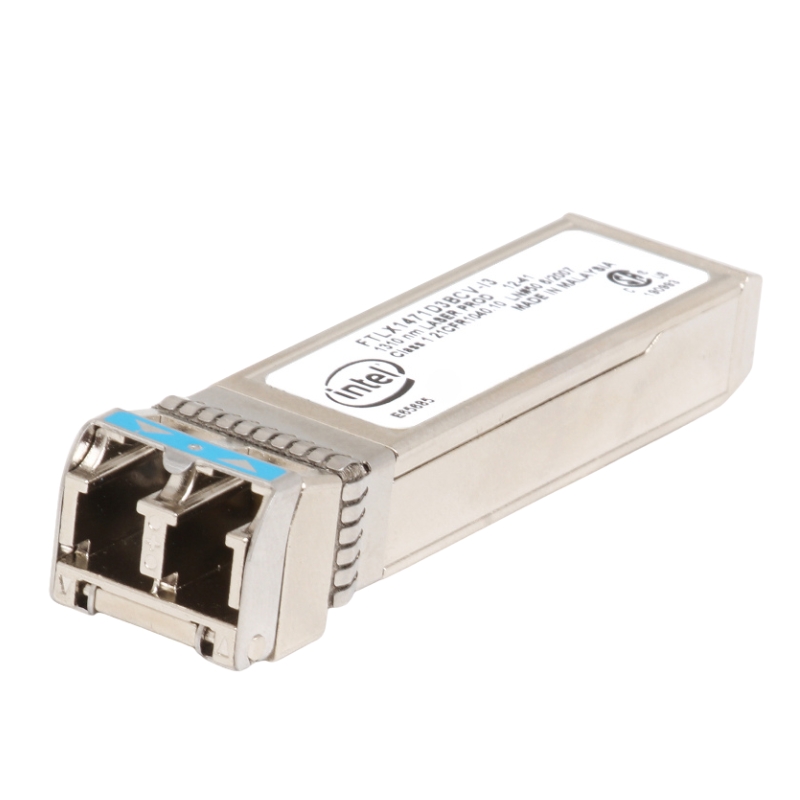


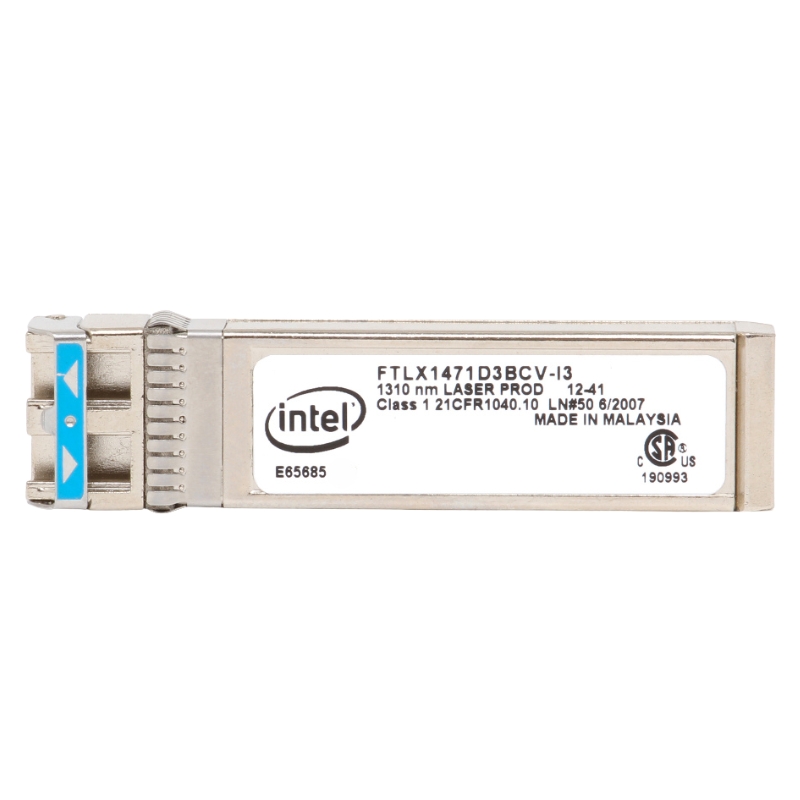
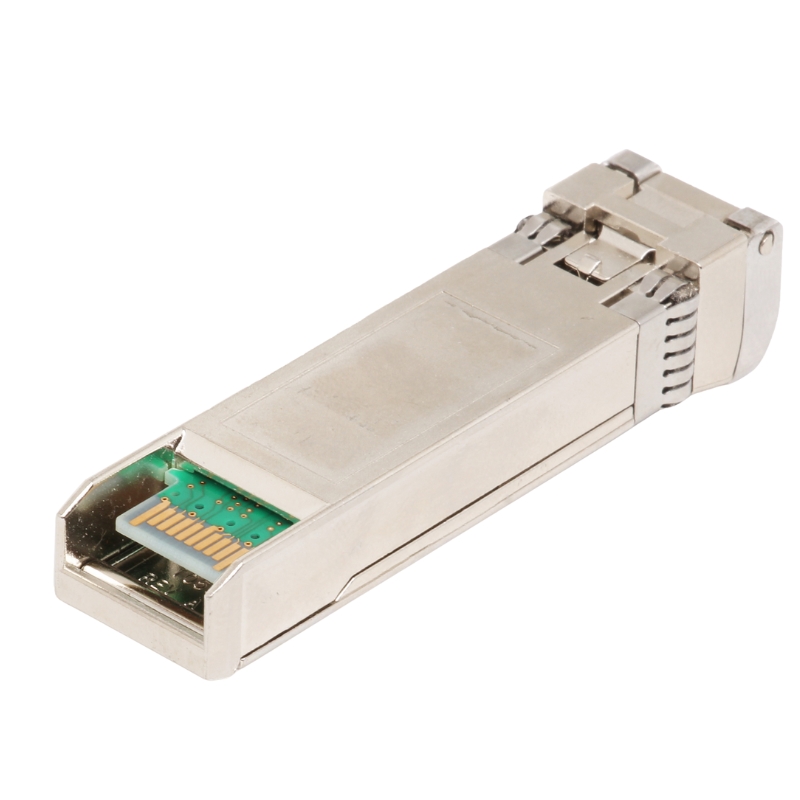
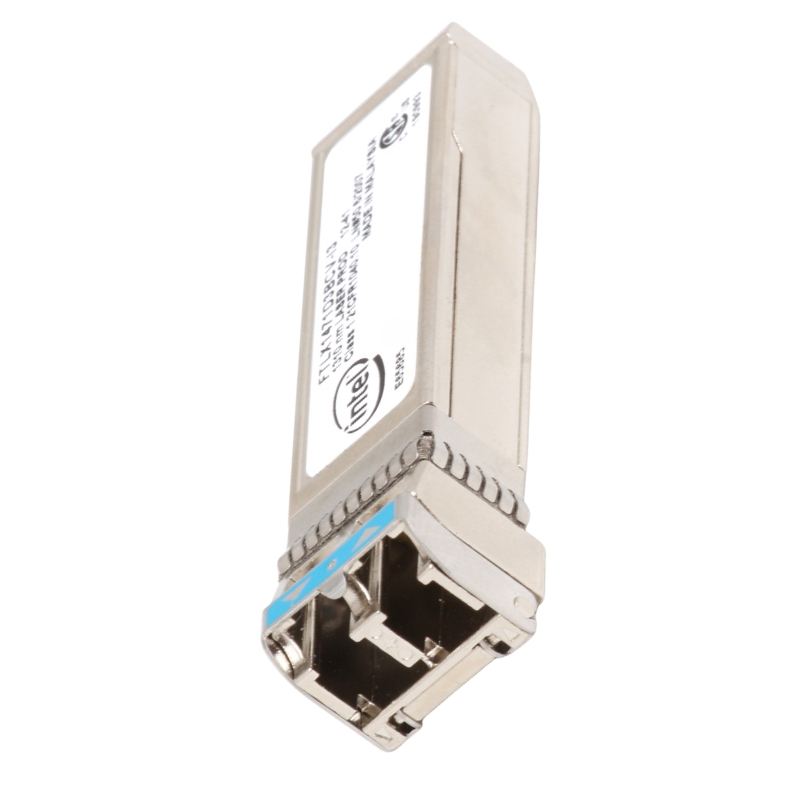
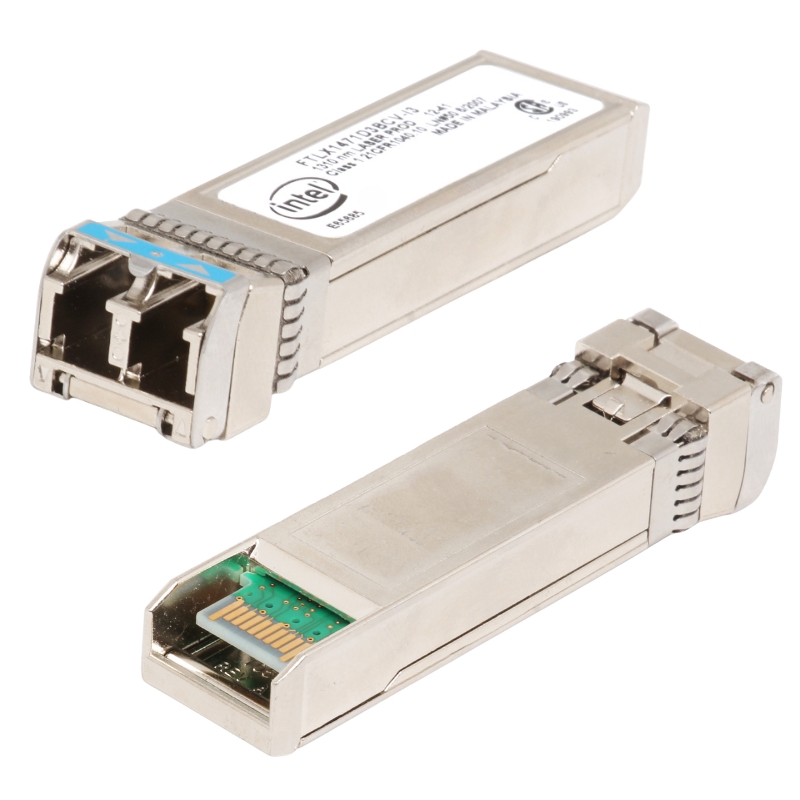
Intel E65685-001 10GB SFP Transceiver Module. Excellent Refurbished with 1 year replacement warranty
The Intel E65685-001 10GB SFP Transceiver Module is a high-performance networking component designed to deliver dependable optical connectivity for enterprise servers, storage infrastructure, and data center environments. Built for stable high-speed data transmission, this Intel transceiver module helps extend network links while maintaining signal integrity, low latency, and consistent throughput. It is an ideal solution for businesses that require reliable fiber-based communication between switches, servers, and network adapters in bandwidth-intensive environments. Whether used in virtualization platforms, cloud deployments, aggregation layers, or enterprise LAN architectures, this 10Gb Intel transceiver is engineered to support demanding workloads with excellent compatibility across selected Intel networking hardware.
Brand: Intel
Part Number: E65685-001
Product Type: Transceiver Module
The Intel E65685-001 10GB SFP Transceiver Module belongs to the enterprise networking and data communication category built for dependable high-bandwidth optical connectivity across server rooms, campus networks, storage environments, and data center infrastructures. In environments where fast and stable fiber links are essential, a 10GB SFP transceiver serves as the compact optical interface that allows switches, adapters, routers, firewalls, and servers to exchange traffic over fiber cabling with low latency and excellent signal integrity. The Intel E65685-001 module fits into the broader class of 10 Gigabit SFP and SFP+ optical components used to extend network reach, support backbone traffic, and enable consistent throughput for modern workloads.
As businesses continue moving critical applications to virtualized platforms, cloud-connected infrastructure, software-defined environments, and high-speed storage systems, optical networking components become central to the performance of the entire communication stack. A 10GB SFP transceiver module is not simply a plug-in accessory; it is a key building block in the physical layer of enterprise networking. It influences distance capabilities, port flexibility, link stability, interoperability planning, and long-term scalability. The Intel E65685-001 10GB SFP Transceiver Module is therefore relevant to organizations that need dependable optical uplinks for switching, server interconnects, aggregation layers, and traffic-intensive network segments.
Within a category page context, the Intel E65685-001 module can be understood as part of a specialized family of Intel networking accessories designed to complement Intel Ethernet adapters and compatible high-performance networking hardware. It is associated with 10 Gigabit optical communication, SFP form-factor convenience, enterprise-grade signal transmission, and efficient deployment across environments where copper connections may not provide the same reach, electromagnetic resilience, or structured fiber flexibility. For buyers comparing Intel networking optics, this module category is especially relevant for organizations standardizing around Intel Ethernet platforms or building infrastructure that depends on compact pluggable transceiver technology for clean, modular growth.
A 10GB SFP transceiver module functions as the optical or electrical communication interface that converts data signals between the host networking device and the transmission medium. In most enterprise and data center contexts, the host device may be a network adapter, Ethernet switch, storage switch, router, or security appliance equipped with SFP or SFP+ ports. The transceiver inserts into that port and creates the actual link path through fiber optic cable, allowing the connected hardware to communicate at high speeds across short, medium, or extended distances depending on optic type and cabling.
The Intel E65685-001 10GB SFP Transceiver Module category is therefore tied to the physical transport layer of a network. It is relevant wherever organizations need to connect top-of-rack switches to aggregation switches, servers to core infrastructure, storage arrays to host systems, or network appliances to backbone links. By using a modular transceiver rather than a permanently fixed interface, IT teams gain flexibility. They can select the proper optical specification for the distance, fiber type, temperature environment, and network design requirements of each deployment.
In a modern business network, this kind of modularity matters. Not every connection has the same distance requirement. Not every rack uses the same cabling plant. Some links are short multimode runs inside a data center hall, while others connect separate rooms, buildings, or secure network zones. A 10GB SFP transceiver module makes it possible to adapt a port to the appropriate optical standard rather than redesigning the entire device. That is one reason the SFP transceiver category remains so important in enterprise networking procurement.
The Intel E65685-001 10GB SFP Transceiver Module sits within a larger category of Intel optical networking accessories designed for high-speed Ethernet connectivity. This category includes modules intended for 10 Gigabit data transmission, compact port expansion, and structured fiber deployments in enterprise and data center settings. Buyers searching for this type of module are often not looking for a standalone consumer product; they are sourcing a precision network component that becomes part of a larger switching, routing, or server interconnect strategy.
In category terms, a 10GB Intel SFP transceiver belongs to the optical transceiver segment of network infrastructure hardware. It is adjacent to Intel Ethernet adapters, converged network adapters, data center NICs, server network expansion cards, direct attach cabling solutions, and other pluggable optical interfaces. Because optical transceivers are used with host devices rather than independently, the category must be described in relation to the surrounding infrastructure. That includes port standards, Ethernet speed classes, optical wavelength behavior, fiber media compatibility, and deployment objectives such as low-latency server communication or secure long-distance uplinks.
The value of this category comes from a combination of modularity, speed, reliability, and adaptability. A single switch or adapter model may support multiple transceiver choices depending on whether the environment requires short-range multimode fiber, long-range single-mode fiber, or a specific cable strategy. The transceiver module becomes the configurable element that allows network designers to tailor each link without replacing the underlying hardware. In practical terms, this helps enterprises preserve hardware investment while expanding or reconfiguring their optical infrastructure over time.
Ten Gigabit Ethernet continues to play a critical role across enterprise networking, even as faster interfaces emerge in hyperscale and specialized environments. Many business infrastructures still rely heavily on 10GbE for server connectivity, storage networking, virtualization clusters, uplinks, and aggregation layers because it offers a strong balance of bandwidth, cost efficiency, broad compatibility, and mature ecosystem support. The Intel E65685-001 10GB SFP Transceiver Module category aligns with this enduring demand for 10 Gigabit optical links.
Compared with 1 Gigabit networking, 10 Gigabit Ethernet delivers a significant improvement in throughput for traffic-heavy applications such as virtualization, backup operations, large database synchronization, media file movement, analytics workloads, IP storage, and high-user-density application access. In environments where multiple virtual machines share a host, where storage traffic is consolidated, or where east-west traffic in a data center is substantial, 10GbE remains a practical and widely deployed performance tier.
For many organizations, 10GbE is also the transition point between traditional office networking and true enterprise-grade infrastructure. It enables smoother application performance, better support for converged traffic patterns, and improved responsiveness across critical services. The transceiver module that enables the physical 10GbE link is therefore not a minor accessory; it directly affects the network’s ability to deliver the expected bandwidth. When selected correctly, it supports stable signal transmission, clean interoperability with host devices, and the structured flexibility required for future upgrades.
The Small Form-factor Pluggable family has become one of the most important standards in modular network connectivity. SFP and SFP+ interfaces allow network devices to accept swappable modules for different transmission media and distances. In a category such as the Intel E65685-001 10GB SFP Transceiver Module, the form factor itself is one of the primary reasons the product remains useful across a wide range of enterprise scenarios.
Instead of building every port around a fixed optical type, manufacturers use SFP-based cages that accept compatible modules. This approach gives buyers the freedom to deploy the same switch or network adapter in multiple environments. A server in one rack might use a short-reach optical module over multimode fiber, while a different port on the same platform might connect to a longer path using a different optic. The modularity of the transceiver layer reduces waste, improves inventory planning, and allows infrastructure teams to standardize on flexible host hardware.
The compact dimensions of the SFP form factor also support dense networking designs. High-density switches, blade systems, network appliances, and adapter cards can present multiple SFP or SFP+ ports within a relatively small amount of panel space. For enterprise and data center planners, this matters because rack space, airflow design, and cable organization all affect operational efficiency. Compact transceivers make it easier to scale connectivity without increasing the physical footprint of the equipment.
One of the defining characteristics of a 10GB SFP transceiver module is its ability to support fiber optic communication. Fiber remains a preferred medium in many enterprise environments because it offers excellent bandwidth, low signal attenuation across longer distances, and strong resistance to electromagnetic interference. For organizations building resilient and clean high-speed network paths, fiber-based links are often more suitable than traditional copper for uplinks, inter-rack communication, aggregation, and backbone transport.
The Intel E65685-001 10GB SFP Transceiver Module category therefore appeals to buyers who need optical transport rather than simple copper patch connectivity. Fiber is especially useful in data centers where cable pathways are dense, where electrical noise may be a concern, or where distance between endpoints exceeds the practical range of standard copper Ethernet links. Optical modules also support structured cabling strategies that align with long-term infrastructure planning, particularly in facilities with central patching zones, cross-connects, or multi-room layouts.
Fiber optic communication also helps organizations support performance-sensitive applications with low latency and strong signal integrity. In storage environments, virtualization clusters, database backends, and high-throughput application tiers, dependable optical links contribute to smoother traffic flow and reduced bottlenecks. While the transceiver is only one part of the overall path, it is the component responsible for translating the electrical signaling of the host device into the optical signaling used by the fiber cable, making it central to the quality of the link.
The Intel E65685-001 10GB SFP Transceiver Module category is used across a wide range of infrastructure designs. In data centers, it may be installed in server adapters or top-of-rack switches to support fast east-west traffic between compute nodes and storage systems. In enterprise campuses, it can be part of distribution-layer uplinks or inter-building fiber runs connecting network closets to central core infrastructure. In virtualization clusters, it helps support the high-throughput connectivity required by shared storage, live migration traffic, and hypervisor management networks.
Another common deployment scenario is within security and edge infrastructure. Firewalls, load balancers, WAN edge devices, and network monitoring appliances often include SFP or SFP+ interfaces for optical uplinks. In those environments, a 10GB Intel transceiver can help provide the bandwidth needed for encrypted traffic inspection, application delivery, internet edge routing, or secure internal segmentation. Because these appliances may sit in traffic-critical locations, the quality and compatibility of the transceiver module matter greatly.
Storage networking is another area where 10GB optical transceivers remain highly relevant. Backup systems, network-attached storage platforms, replication appliances, and software-defined storage nodes often exchange large volumes of data. Reliable 10GbE fiber links help reduce transfer windows, support faster recovery operations, and improve responsiveness for shared storage workloads. In organizations where storage traffic and user traffic share common switching infrastructure, 10 Gigabit optical connectivity helps preserve application performance while handling sustained data movement.
Compatibility is one of the most important considerations in the optical transceiver category. A transceiver module must work properly with the host device, the port type, the firmware expectations of the platform, and the cabling media used in the link. The Intel E65685-001 10GB SFP Transceiver Module category is especially relevant to organizations that want Intel-aligned optics for Intel Ethernet adapters and validated networking platforms. Using a transceiver intended for the same vendor ecosystem can help simplify deployment planning and reduce uncertainty during installation.
In enterprise networking, compatibility is not limited to whether the module physically fits into a port. Administrators also consider link negotiation behavior, supported Ethernet standards, optical characteristics, thermal expectations, and the compatibility policies of the host device. Some Intel networking adapters and related solutions are designed to work with validated Intel optical modules, making Intel-branded or Intel-approved optics particularly valuable for environments where stable operation and vendor-aligned validation are priorities.
When a business standardizes on Intel networking components, selecting a transceiver from the same ecosystem can help streamline inventory management and reduce time spent testing third-party alternatives. It can also support more predictable deployment outcomes in enterprise servers, storage nodes, or network appliances using Intel Ethernet connectivity. This matters in data center operations where downtime, troubleshooting delays, or unexpected link failures can affect production workloads and service-level objectives.


 Contact Us
 Information
 Catalog
 Solid State Drives (SSD)
 Network Switches
 Hard Disk Drives
 HBA & Controllers
 PC & Servers
 PC & Server Memory
 CPU & Processors
 Network Routers
 Power Supplies
 Tape Drives & Libraries
 Network Devices
 Computer & Network Cables