(7% discount is applied at checkout)
Cart is empty
Your go-to destination for cutting-edge server products
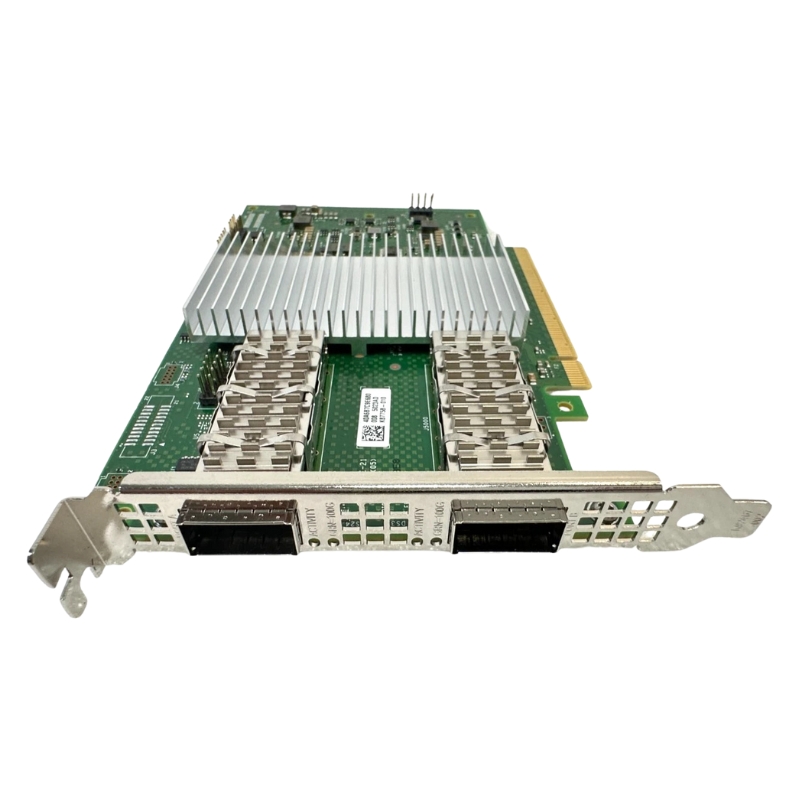


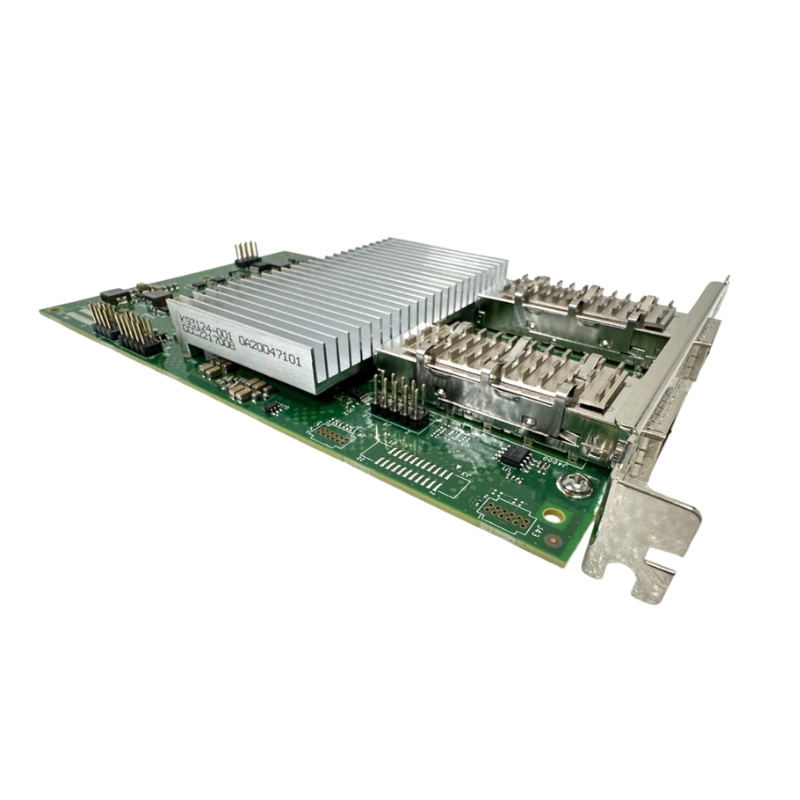
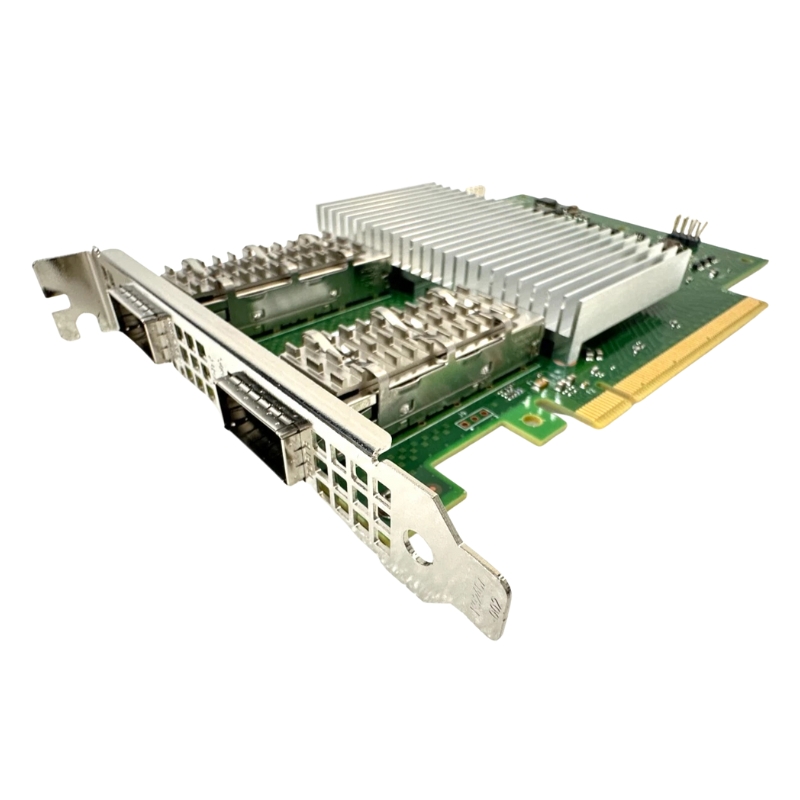
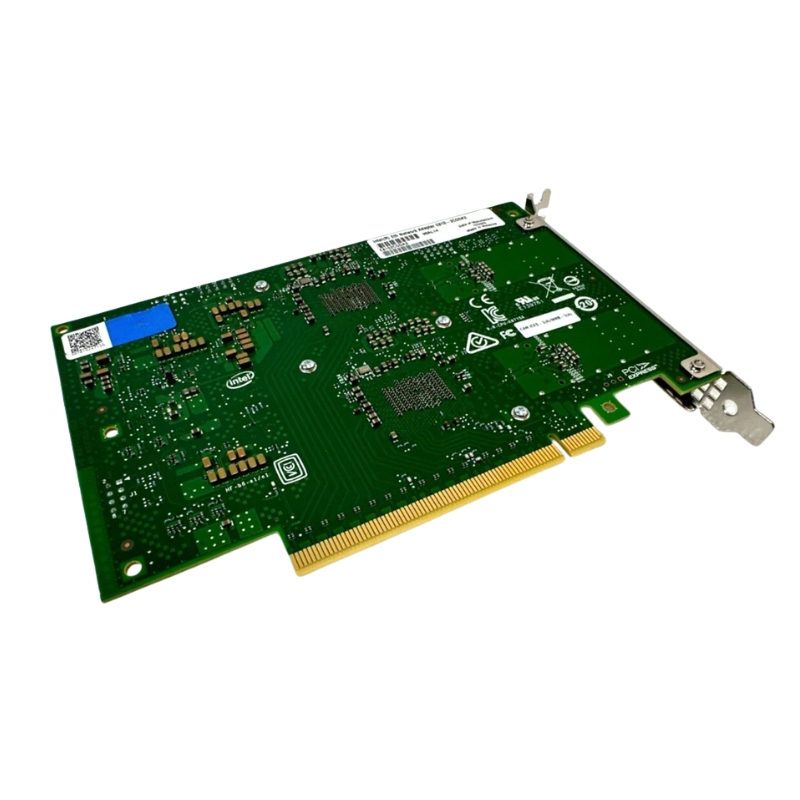
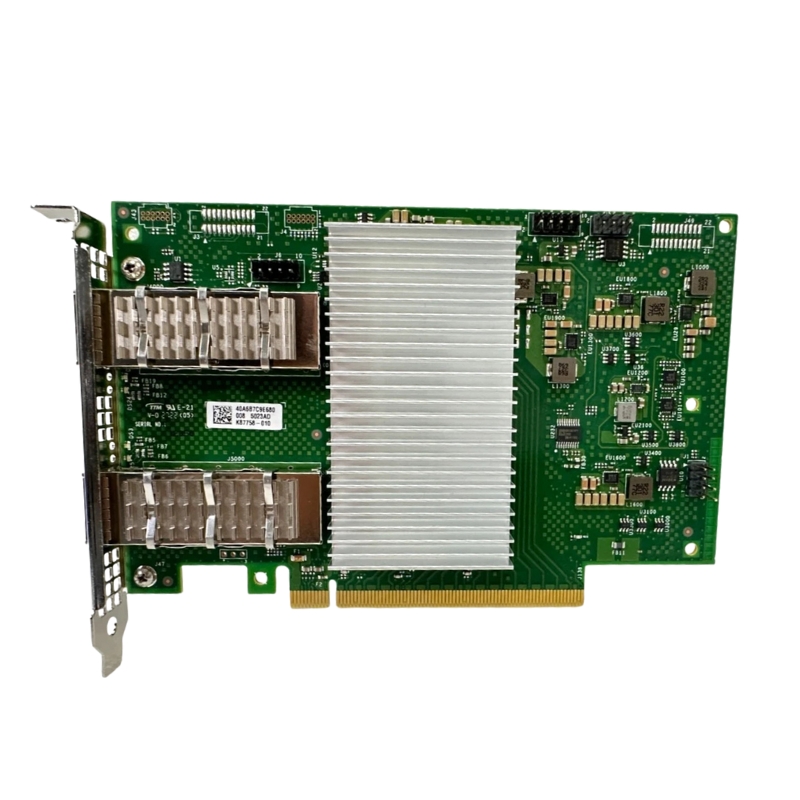
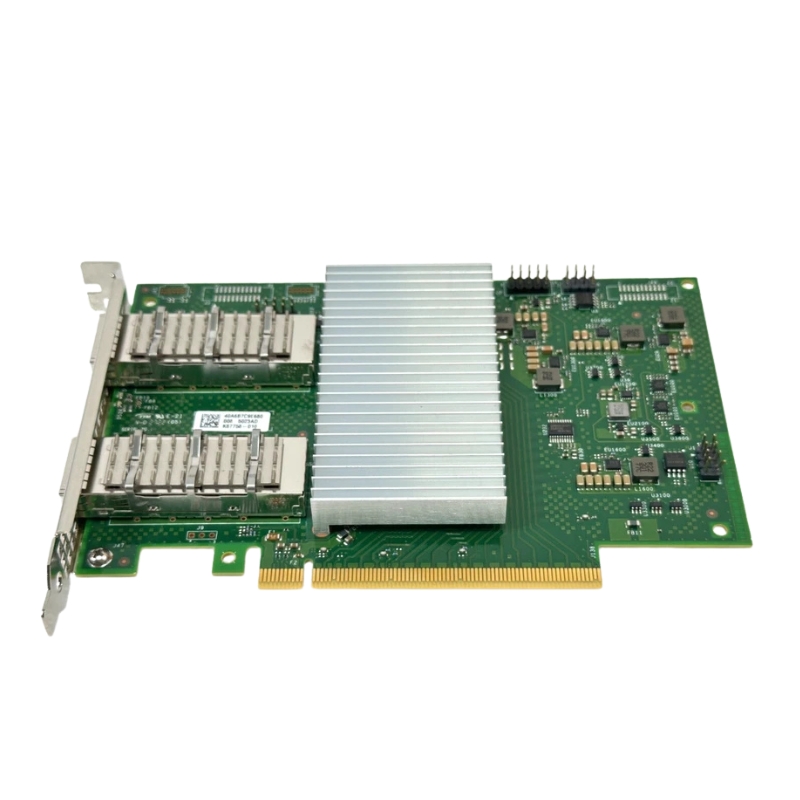
Intel E8102CQDA2 2 Ports PCI Express with Ethernet Adapter. Excellent Refurbished with 1-Year Replacement Warranty
The INTEL E8102CQDA2 Network Adapter is a high-performance Ethernet connectivity solution engineered for modern data centers, cloud infrastructures, enterprise networking environments, and high-bandwidth computing applications. Featuring dual QSFP28 ports and PCI Express 4.0 x16 connectivity, this advanced network interface card delivers exceptional throughput, low latency, and intelligent offload capabilities for demanding workloads.
Designed to support multiple Ethernet speeds ranging from Gigabit Ethernet to 100 Gigabit Ethernet, the adapter provides flexibility for evolving network architectures. Its robust feature set enables optimized virtualization, enhanced network efficiency, and seamless integration into next-generation server platforms.
The INTEL E8102CQDA2 Network Adapter is a high-performance Ethernet connectivity solution engineered for modern enterprise data centers, cloud infrastructures, virtualization environments, and high-bandwidth computing applications. Designed around Intel's advanced Ethernet controller architecture, this network interface card delivers exceptional throughput, low latency, and enhanced scalability for organizations requiring reliable and efficient networking performance. Equipped with dual QSFP28 ports and a PCI Express 4.0 x16 interface, the adapter is capable of supporting demanding workloads while maximizing server and storage communication efficiency.
Organizations deploying next-generation network infrastructures often require network adapters that can handle increasing traffic volumes without compromising performance. The INTEL E8102CQDA2 fulfills this requirement by providing advanced Ethernet capabilities that support evolving workloads across virtualization platforms, software-defined networking environments, and high-density data center deployments. Its architecture enables consistent data transfer performance while reducing bottlenecks commonly associated with legacy networking solutions.
The PCI Express 4.0 x16 interface serves as a critical component of the INTEL E8102CQDA2 network adapter, enabling significantly increased bandwidth compared to previous PCIe generations. By leveraging PCIe Gen4 technology, the adapter can efficiently transfer large amounts of network traffic between the server and network infrastructure. This increased bandwidth is especially valuable in environments where high-performance computing, cloud applications, and virtualization workloads demand rapid data movement.
Modern servers frequently host numerous virtual machines, containers, and data-intensive applications. The enhanced throughput provided by PCIe 4.0 ensures that the network adapter can sustain high traffic loads without creating bottlenecks between the processor, memory subsystem, and network interface. This capability helps organizations maintain optimal application responsiveness and overall system efficiency.
In addition to higher throughput, PCIe 4.0 technology contributes to reduced communication latency between network resources and server components. Low-latency data movement is essential for applications such as financial trading platforms, real-time analytics, artificial intelligence processing, and distributed storage systems. The adapter's architecture supports rapid packet processing and streamlined communication paths that help minimize delays throughout the network stack.
The dual QSFP28 configuration provides versatile connectivity options for enterprise networking environments. QSFP28 technology has become a standard choice for high-speed Ethernet deployments because it enables substantial bandwidth while maintaining efficient port density. With two dedicated QSFP28 interfaces, organizations can establish redundant network paths, increase bandwidth availability, or connect to separate network segments for improved traffic management.
Network administrators can configure the dual ports in various ways depending on infrastructure requirements. These configurations may include link aggregation, failover deployment, storage networking integration, or dedicated application traffic separation. Such flexibility allows businesses to design networking architectures that align with performance objectives and operational requirements.
The QSFP28 interfaces are designed to support advanced Ethernet networking standards utilized throughout modern data centers. As organizations continue migrating toward higher-speed networking environments, the adapter provides the connectivity foundation necessary to support large-scale data transfers, cloud-native applications, and storage-intensive workloads. High-speed Ethernet capabilities enable efficient communication between servers, storage arrays, switches, and network appliances.
Intel has established a strong reputation for developing enterprise networking solutions that emphasize reliability, compatibility, and performance. The E8102CQDA2 network adapter incorporates advanced Ethernet technologies designed to deliver stable operation across diverse deployment scenarios. Organizations benefit from a mature hardware ecosystem that supports consistent performance under demanding operational conditions.
The adapter is built to accommodate continuous operation within enterprise environments where downtime can significantly impact productivity and business continuity. Its engineering emphasizes long-term stability, allowing organizations to deploy networking infrastructure with confidence.
Modern Ethernet controllers incorporate sophisticated packet processing mechanisms that reduce CPU overhead and improve application efficiency. The Intel E810 architecture includes advanced processing capabilities that help distribute networking workloads more effectively across available system resources. This approach enables servers to allocate more processing power toward business applications rather than networking tasks.
Intelligent packet handling mechanisms contribute to improved overall server utilization. By offloading specific networking functions from the CPU, the adapter helps optimize performance across virtualized environments, cloud services, and enterprise applications.
Storage systems generate significant network traffic as data moves between servers, backup platforms, and storage arrays. The network adapter provides the performance necessary to support storage networking workloads, including large-scale backup operations, replication processes, and high-speed data transfers. Its architecture helps ensure that storage traffic does not negatively impact application performance.
Network security remains a critical consideration for enterprise environments. The Intel Ethernet architecture incorporates technologies that help support secure communication across network infrastructures. While security strategies typically involve multiple layers of protection, network adapters play an important role in maintaining data integrity and enabling secure traffic handling.
The adapter supports enterprise networking environments where sensitive information must be transmitted reliably between servers, storage systems, and network resources. Its advanced architecture contributes to secure and efficient data movement across organizational networks.
Consistency and reliability are essential characteristics of enterprise networking hardware. The E8102CQDA2 is engineered to deliver dependable operation under demanding workloads while supporting continuous business operations. Reliable network connectivity helps minimize disruptions and supports overall infrastructure stability.
Enterprise environments often consist of diverse operating systems and application platforms. The Intel E8102CQDA2 network adapter is designed to integrate with a wide range of enterprise operating systems, enabling organizations to deploy consistent networking solutions across heterogeneous environments. Broad compatibility simplifies deployment, management, and maintenance activities.
The adapter is suitable for deployment within contemporary server architectures that support PCIe Gen4 expansion technologies. Compatibility with modern server platforms enables organizations to maximize the benefits of advanced processor technologies, high-speed memory subsystems, and next-generation storage solutions. This integration contributes to balanced system performance across enterprise computing environments.


 Contact Us
 Information
 Catalog
 Solid State Drives (SSD)
 Network Switches
 Hard Disk Drives
 HBA & Controllers
 PC & Servers
 PC & Server Memory
 CPU & Processors
 Network Routers
 Power Supplies
 Tape Drives & Libraries
 Network Devices
 Computer & Network Cables