(7% discount is applied at checkout)
Cart is empty
Your go-to destination for cutting-edge server products
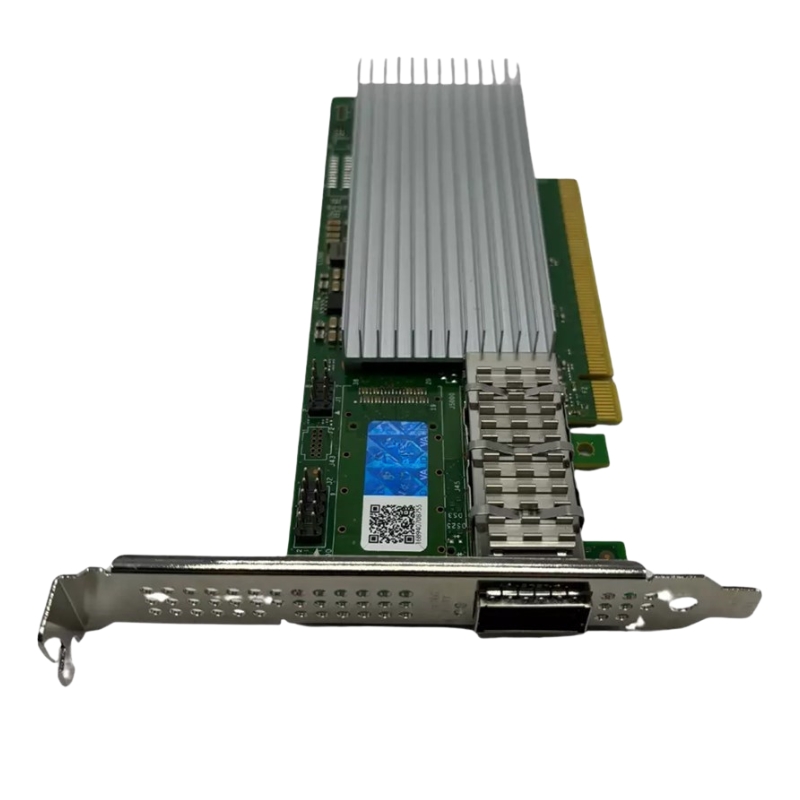


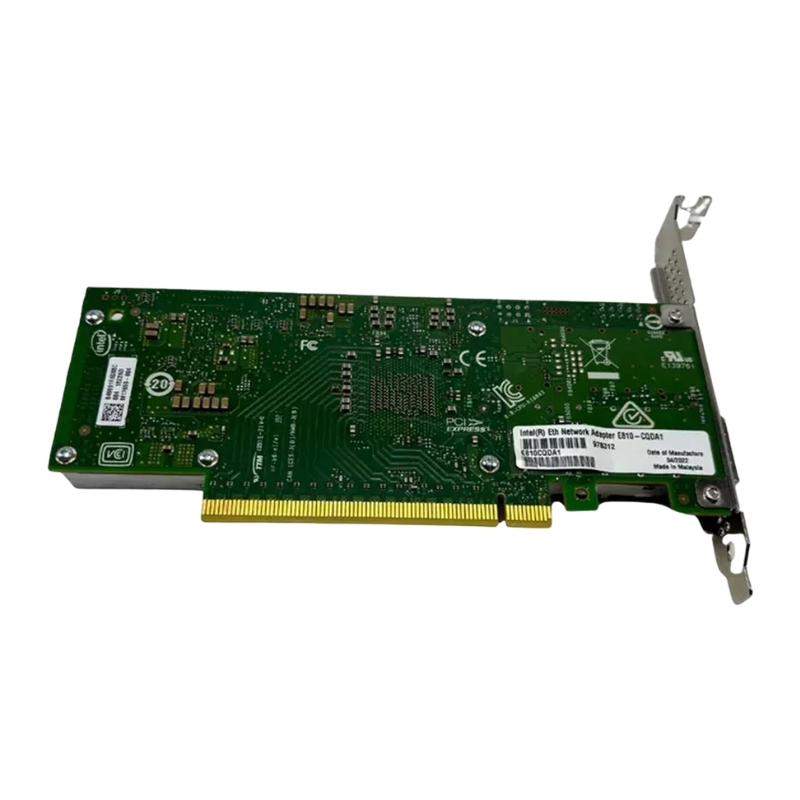
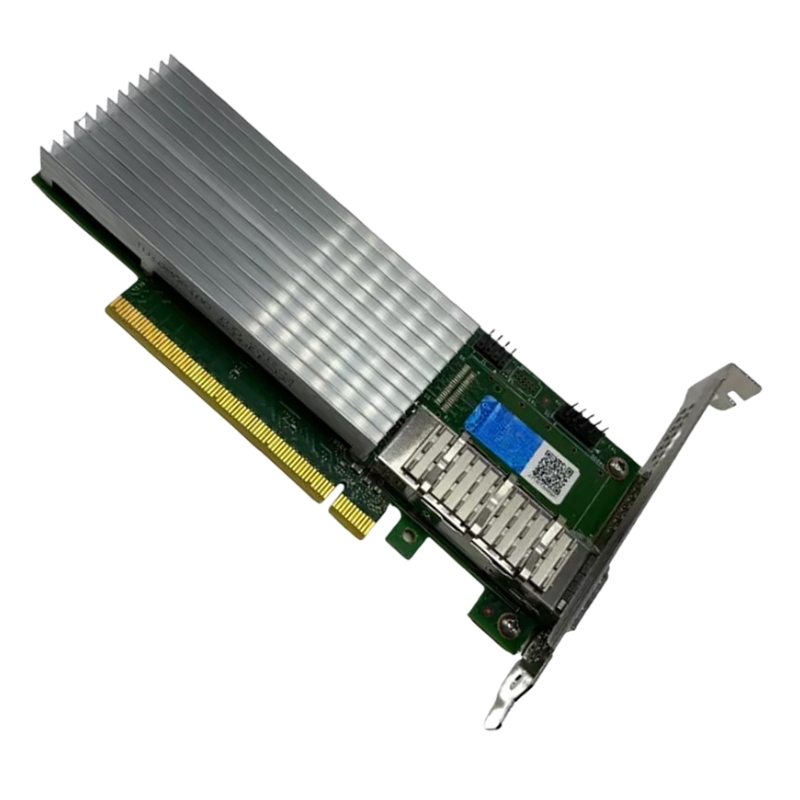
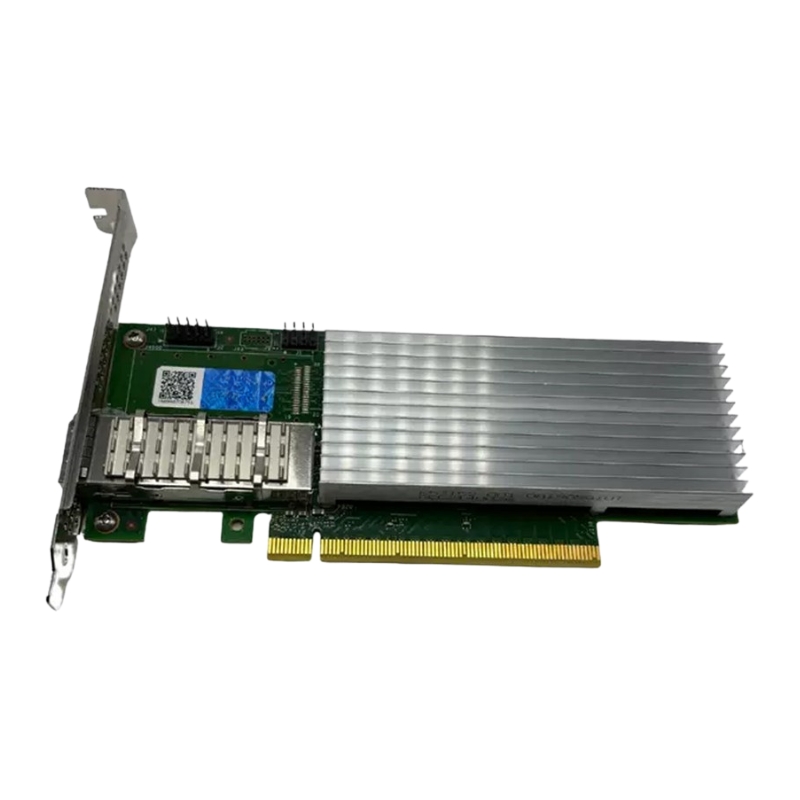
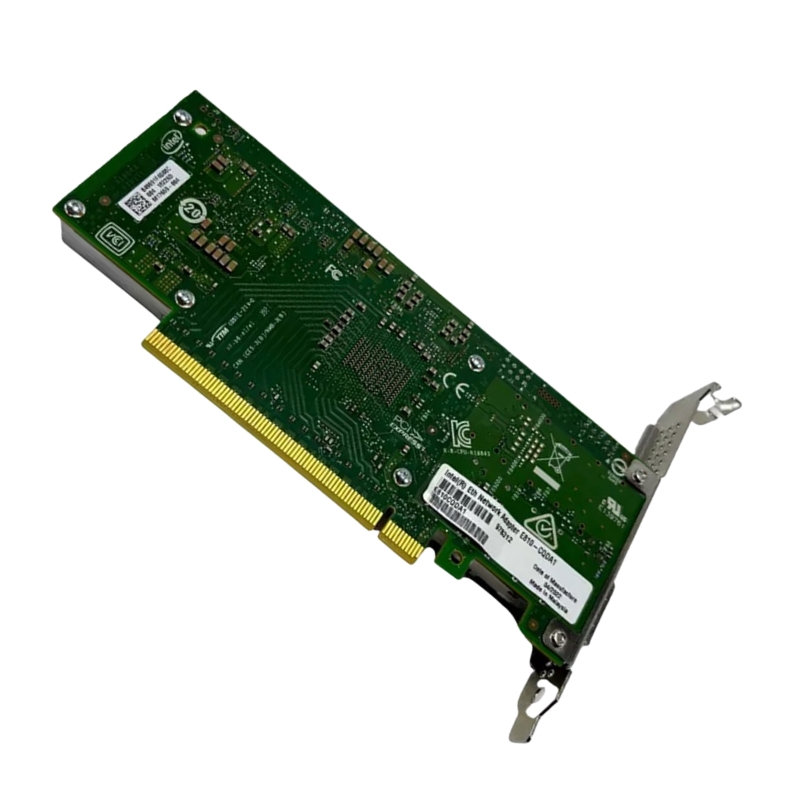
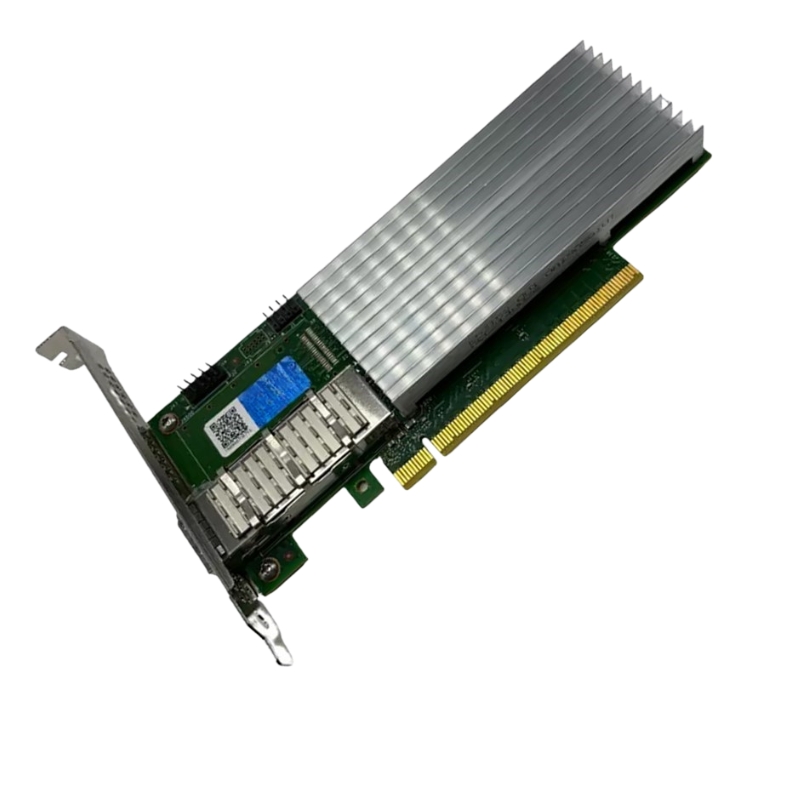
Intel E810CQDA1G2P5 1-Port 100 Gigabit Ethernet PCI Express Adapter. New Sealed with 1-Year Replacement Warranty
Intel E810CQDA1G2P5100 Gigabit Ethernet Adapter Overview
The Intel E810CQDA1G2P5 is a high-performance 100 Gigabit Ethernet network adapter designed for modern enterprise networking, cloud infrastructure, data centers, and high-bandwidth environments. Built with advanced connectivity technology, this PCIe adapter delivers ultra-fast throughput, low latency, and scalable networking capabilities for demanding workloads.
The Intel E810CQDA1G2P5 1-Port 100 Gigabit Ethernet PCI Express Adapter represents an advanced networking category designed to support modern data-intensive environments that demand exceptional throughput, lower latency, scalable deployment, and efficient packet processing. As organizations continue migrating toward software-defined infrastructures, edge computing, virtualization, and cloud-native application architectures, high-bandwidth Ethernet adapters have become essential infrastructure components that directly influence overall system responsiveness and network reliability.
This category of PCI Express Ethernet adapters is engineered to accelerate communication between servers, storage environments, and distributed computing platforms. With support for 100 Gigabit Ethernet connectivity and optimized hardware resources, these adapters provide a foundation for handling large-scale workloads across enterprise data centers, service provider infrastructures, artificial intelligence environments, and mission-critical applications.
The architecture behind advanced network adapters in this class focuses on balancing raw transmission performance with intelligent traffic management. Instead of functioning merely as connectivity devices, modern Ethernet adapters participate in packet classification, virtualization acceleration, workload isolation, and network efficiency improvements that help reduce processor overhead.
Network evolution has shifted rapidly from traditional gigabit environments toward ultra-high bandwidth connectivity capable of supporting massive application density. The 100 Gigabit Ethernet adapter category addresses the requirements of organizations operating virtualization clusters, hyper-converged infrastructure, cloud services, and high-volume storage networks.
Large-scale infrastructures often encounter performance bottlenecks not within processors or storage arrays but at the communication layer. A high-speed PCI Express network adapter minimizes these bottlenecks by enabling rapid movement of information across systems while maintaining predictable performance characteristics.
These adapters operate as a bridge between server hardware and high-capacity Ethernet environments. Their capability extends beyond transmission speed to include hardware optimization mechanisms that reduce packet handling complexity and increase data transfer efficiency.
Organizations now process significantly larger datasets than previous generations of infrastructure were designed to support. Analytics engines, artificial intelligence training pipelines, machine learning workflows, multimedia rendering, virtualization stacks, and distributed storage environments generate continuous east-west traffic inside the data center.
Traditional network interfaces may struggle under sustained heavy loads, creating congestion and increasing response times. The Intel E810CQDA1G2P5 adapter category addresses these challenges through enhanced bandwidth capacity and modern Ethernet optimization technologies.
Higher throughput not only improves transmission speeds but also enables infrastructure planners to consolidate workloads and simplify network topology designs while maintaining performance consistency.
The PCI Express interface serves as the communication backbone connecting advanced networking adapters with host systems. High-bandwidth Ethernet adapters rely on modern PCIe architectures to ensure the internal system pathway can support external network transmission requirements.
The Intel E810CQDA1G2P5 category leverages PCI Express technology to provide efficient data movement with reduced latency and increased scalability. The integration of PCIe architecture contributes directly to maintaining consistent throughput under demanding operational conditions.
PCI Express technology enables parallel communication channels and improved bandwidth allocation compared with legacy expansion interfaces. This allows high-speed Ethernet adapters to transfer substantial volumes of traffic without introducing unnecessary processing delays.
Modern server environments frequently host multiple accelerators, storage devices, and network interfaces simultaneously. Efficient PCIe resource utilization ensures that networking performance remains stable even as infrastructure complexity increases.
Latency reduction remains a primary objective in modern networking environments. Applications including transactional databases, financial processing systems, virtualization platforms, and distributed computing clusters depend on rapid communication.
Advanced Ethernet adapters contribute to lower latency by implementing intelligent packet handling and hardware-level acceleration mechanisms that reduce processing overhead.
Scalability has become essential for organizations preparing for future growth. High-performance Ethernet adapter categories are designed to accommodate increasing traffic volumes while maintaining operational efficiency.
Infrastructure teams benefit from scalable networking components that reduce replacement cycles and extend long-term investment value.
100 Gigabit Ethernet represents a major advancement in network communication capacity. By delivering significantly greater bandwidth than previous Ethernet generations, this technology enables faster data exchange across compute and storage environments.
The Intel E810CQDA1G2P5 category supports environments requiring accelerated communication and optimized network utilization. High-throughput connectivity contributes to faster application response times and improved infrastructure efficiency.
High-speed adapters implement multiple performance enhancements to maximize effective throughput. These include efficient packet processing, advanced queue management, workload balancing, and transmission optimization.
Throughput optimization helps maintain stable communication patterns even during periods of elevated traffic demand.
Traffic management plays an increasingly important role as infrastructure complexity grows. Modern Ethernet adapters classify and prioritize traffic streams to maintain predictable application performance.
By intelligently allocating resources, networking platforms reduce congestion and improve workload distribution.
Hardware-assisted processing mechanisms reduce reliance on server processors for repetitive networking tasks. This allows compute resources to remain focused on application execution.
Reduced CPU consumption often contributes to improved energy efficiency and greater infrastructure density.
Virtualized environments place unique demands on network infrastructure due to the concentration of multiple workloads on shared hardware resources. High-performance Ethernet adapter categories address these challenges by supporting technologies that improve virtual machine communication and resource isolation.
The Intel E810CQDA1G2P5 category is well suited for cloud infrastructure expansion strategies where scalability and efficiency remain top priorities.
Network virtualization allows administrators to create flexible communication frameworks independent of physical hardware limitations. Advanced Ethernet adapters help accelerate virtualized networking operations while improving workload segmentation.
This capability becomes increasingly valuable in multi-tenant deployments and cloud environments requiring dynamic allocation of networking resources.
Containerized applications generate highly dynamic communication patterns that traditional infrastructure may struggle to support efficiently. High-bandwidth Ethernet adapters facilitate rapid service interaction and scalable deployment models.
Microservices architectures benefit from improved east-west communication and reduced infrastructure bottlenecks.
Modern data centers require infrastructure capable of supporting expanding application portfolios while maintaining operational reliability. High-performance Ethernet adapter categories contribute to improved resource utilization and faster data mobility.
The Intel E810CQDA1G2P5 category supports environments focused on reducing latency, maximizing throughput, and enabling future-ready deployment models.
Storage-intensive environments depend on efficient communication between servers and storage systems. High-speed Ethernet technologies reduce delays associated with data retrieval and synchronization.
Accelerated storage networking supports improved responsiveness across analytics platforms, backup systems, and large-scale database environments.
Distributed computing frameworks depend on rapid communication among clustered resources. Network performance directly impacts overall workload completion time and operational efficiency.
High-capacity Ethernet adapters enable distributed environments to scale while maintaining predictable communication behavior.
Enterprise networking decisions increasingly incorporate security and operational efficiency requirements alongside raw performance metrics. Modern Ethernet adapter categories support enhanced visibility, controlled resource allocation, and efficient infrastructure operation.
Organizations deploying advanced networking hardware often prioritize solutions that simplify management while strengthening infrastructure resilience.
Consistency and reliability remain essential characteristics of enterprise networking hardware. Stable connectivity contributes to uninterrupted application availability and predictable service delivery.
Modern Ethernet adapter categories are developed to support continuous operation under demanding workloads while minimizing performance fluctuations.
Advanced network hardware contributes to simplified operational oversight through enhanced monitoring capabilities and streamlined deployment processes.
Improved visibility enables administrators to optimize resource allocation and maintain efficient network performance across changing workload conditions.
Organizations investing in scalable networking categories seek technologies capable of supporting long-term growth objectives. High-performance PCI Express Ethernet adapters reduce infrastructure limitations and provide a pathway toward expanding application demands.
The Intel E810CQDA1G2P5 1-Port 100 Gigabit Ethernet PCI Express Adapter category continues to serve as a strategic component for enterprises pursuing faster data movement, improved workload efficiency, lower latency communication, and scalable networking architectures built for next-generation digital environments.


 Contact Us
 Information
 Catalog
 Solid State Drives (SSD)
 Network Switches
 Hard Disk Drives
 HBA & Controllers
 PC & Servers
 PC & Server Memory
 CPU & Processors
 Network Routers
 Power Supplies
 Tape Drives & Libraries
 Network Devices
 Computer & Network Cables