(7% discount is applied at checkout)
Cart is empty
Your go-to destination for cutting-edge server products
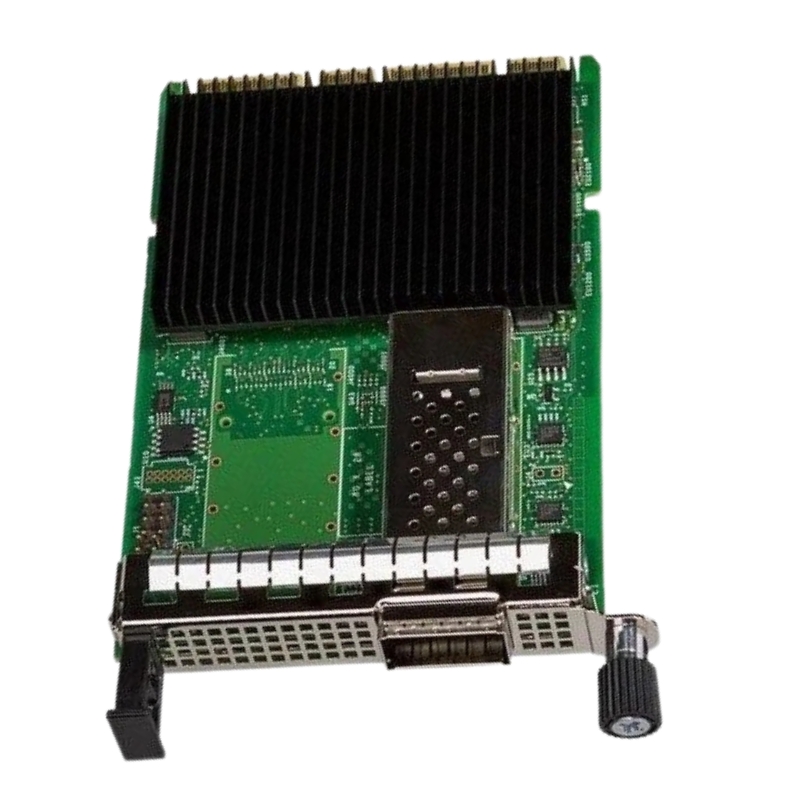


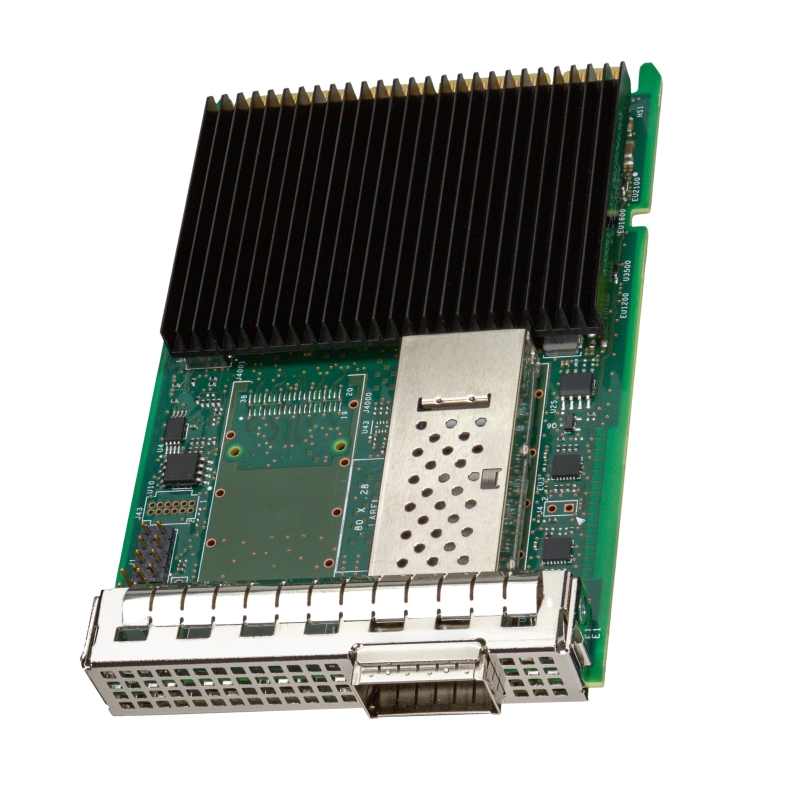
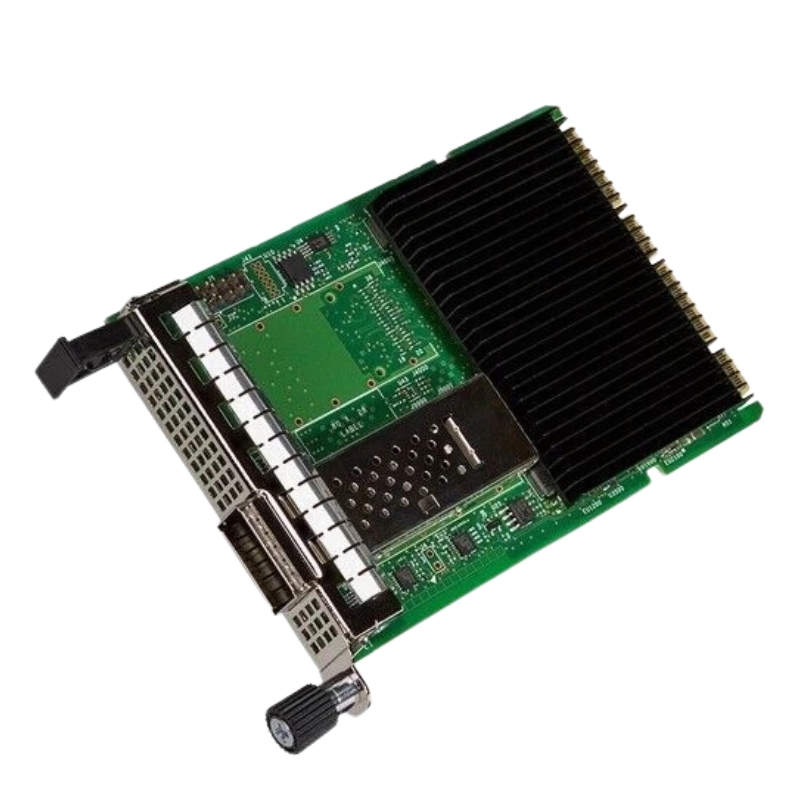
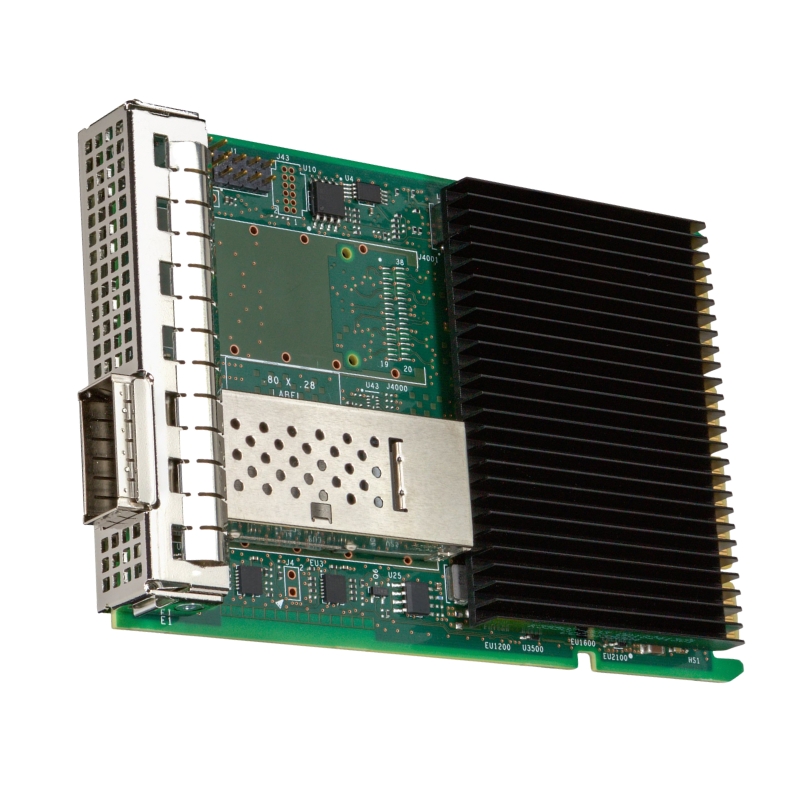
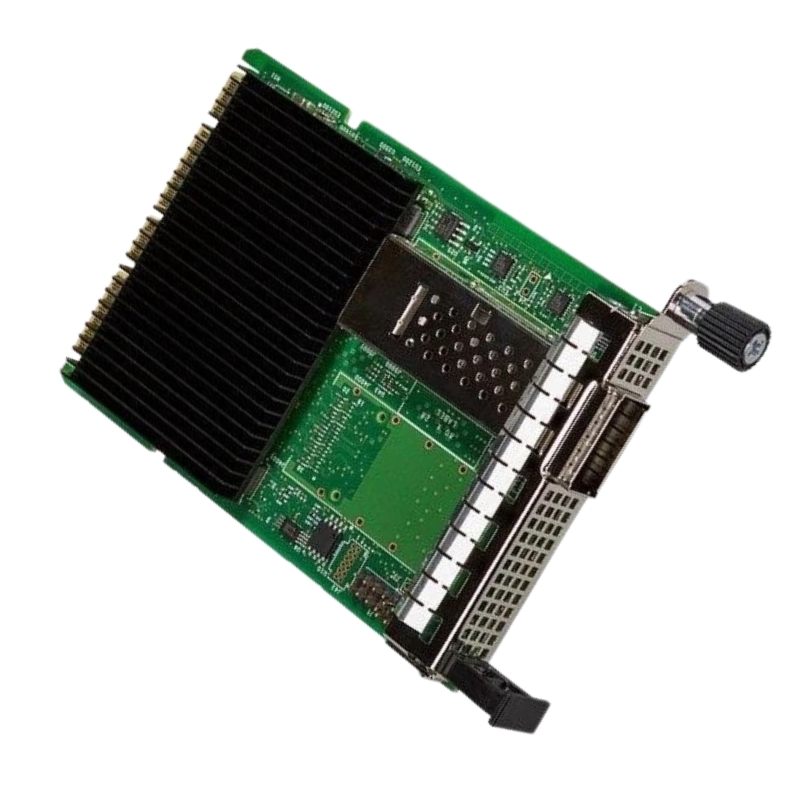
Intel E810CQDA1OCPV3 100Gigabit Ethernet PCI Express Adapter with 1 Port. Factory-Sealed New in Original Box (FSB) with 3 Years Warranty
The Intel E810CQDA1OCPV3 is a high-performance OCP 3.0 Ethernet network adapter designed for modern data centers, cloud infrastructures, and enterprise networking environments. Built on Intel’s advanced Ethernet technology, it delivers ultra-fast connectivity, low latency, and scalable bandwidth support.
The Intel E810CQDA1OCPV3 Ethernet Network Adapter OCP3.0 E810-CQDA1 is engineered to deliver advanced networking performance for modern enterprise environments, cloud infrastructure, telecommunications platforms, and data-intensive workloads. Built on Intel’s Ethernet 800 Series architecture, this network adapter is designed to support demanding traffic requirements while enabling scalable, low-latency, and highly efficient network operations.
Organizations implementing virtualization, software-defined networking, high-throughput storage access, and accelerated computing environments require hardware capable of supporting continuous traffic flow without introducing bottlenecks. The Intel E810CQDA1OCPV3 provides an optimized combination of bandwidth, flexibility, and deployment efficiency to satisfy evolving infrastructure demands.
The Intel Ethernet 800 Series establishes a foundation for next-generation networking environments by introducing flexible Ethernet capabilities designed to increase performance and operational efficiency. The E810-CQDA1 controller embedded in this adapter enables intelligent traffic handling, advanced packet processing, and reduced overhead across complex infrastructures.
Modern enterprise workloads increasingly depend on network acceleration technologies that support virtualization, cloud-native services, containerized applications, and distributed storage systems. The Intel E810CQDA1OCPV3 supports these operational requirements by combining intelligent workload distribution with enhanced throughput management.
High-bandwidth applications require reliable packet transmission and reduced processing delays. The adapter supports fast movement of large data volumes between servers, storage arrays, and virtualized resources while preserving application responsiveness.
Organizations deploying analytics engines, AI processing environments, virtualization clusters, and software-defined data centers benefit from sustained network consistency and lower latency communication channels.
Efficient network operation depends on minimizing CPU utilization during packet transmission and reception. The E810 architecture incorporates hardware acceleration mechanisms that reduce processor overhead and improve overall system responsiveness.
This design approach enables server platforms to allocate more resources to applications rather than packet handling tasks.
The Intel E810CQDA1OCPV3 uses the Open Compute Project OCP 3.0 specification, which was developed to standardize networking deployment within modern server environments.
OCP 3.0 introduces improved serviceability, increased airflow efficiency, and simplified infrastructure scalability compared to traditional network adapter formats.
Data centers frequently adopt OCP-compliant hardware because it simplifies hardware integration while maintaining performance consistency across different platforms.
The adapter supports integration into compatible servers that utilize OCP 3.0 slots and allows operators to deploy networking capabilities without extensive platform modifications.
Thermal optimization remains a critical factor in dense server environments. OCP 3.0 positioning and mechanical design assist airflow management and maintain efficient heat dissipation under continuous operation.
Lower operating temperatures contribute to improved hardware stability and long-term infrastructure reliability.
OCP 3.0 implementations support streamlined maintenance cycles and simplified upgrades. Organizations can reduce deployment complexity while increasing service availability and minimizing operational disruption.
The Intel E810CQDA1OCPV3 Ethernet Network Adapter features dual high-speed connectivity capabilities designed to support scalable enterprise networking requirements.
Dual-port architecture provides expanded bandwidth opportunities and enables organizations to design resilient network topologies capable of handling traffic growth.
Network redundancy improves infrastructure availability and reduces service interruption risks. Dual-port connectivity supports failover scenarios and contributes to continuous business operations.
Traffic can be distributed across multiple network paths to maintain performance and maximize infrastructure utilization.
Organizations can combine available network resources to improve throughput and support bandwidth-intensive applications.
Link optimization approaches allow efficient use of available infrastructure resources while preserving consistent communication performance.
Virtualization technologies demand intelligent networking hardware capable of supporting multiple workloads simultaneously. The Intel E810CQDA1OCPV3 enables infrastructure operators to scale virtual machines and containers without compromising network efficiency.
Virtualized environments require predictable network performance across shared infrastructure. Hardware acceleration technologies help isolate workloads and improve packet delivery efficiency.
This contributes to improved service consistency and enhanced application responsiveness.
Container adoption continues expanding across enterprise platforms. Efficient packet processing and reduced latency allow container orchestration environments to operate more effectively.
Cloud environments rely on rapid provisioning, automated scaling, and predictable connectivity. The Intel E810CQDA1OCPV3 supports infrastructure modernization strategies designed for private cloud, hybrid cloud, and multi-tenant deployment models.
Managing modern network traffic requires intelligent packet prioritization and efficient data flow control.
The Intel E810 platform integrates advanced traffic management capabilities that improve workload distribution and enhance communication reliability.
Network adapters increasingly serve as active components within data processing workflows. Intelligent packet handling contributes to faster application response times and improved transaction efficiency.
The adapter supports environments requiring consistent performance under varying traffic conditions.
Low-latency networking is essential for applications where response time directly affects user experience or processing outcomes.
Reduced packet processing delays help organizations maintain operational efficiency in high-demand environments.
Traffic prioritization mechanisms assist in maintaining service levels across competing applications and infrastructure workloads.
Critical applications receive consistent bandwidth allocation while reducing congestion-related performance degradation.
Modern networking environments require integrated approaches to security and data protection.
The Intel E810CQDA1OCPV3 incorporates technologies designed to support secure communications and infrastructure resilience.
Hardware-assisted networking functions can improve isolation and reduce exposure to performance impacts commonly associated with software-only processing.
Integrated capabilities support stronger operational integrity across connected environments.
Reliable network communication is essential for maintaining service continuity. Enterprise deployments depend on stable adapter operation during sustained workloads and continuous data transmission cycles.
Cloud providers require networking hardware capable of supporting multi-tenant environments while maintaining efficient resource utilization.
The Intel E810CQDA1OCPV3 contributes to infrastructure designs that prioritize scalability and operational efficiency.
Compute-intensive workloads rely on rapid data exchange between processing nodes and storage resources.
The adapter supports communication requirements found in advanced computational environments.
Storage traffic demands reliable throughput and predictable latency characteristics.
Enterprise storage environments can benefit from network adapters designed to support sustained performance and efficient resource access.
Telecommunications environments frequently require adaptable network hardware capable of supporting changing service demands and large-scale deployment requirements.
The Intel E810CQDA1OCPV3 aligns with infrastructure modernization initiatives designed to improve service delivery.
Organizations seeking scalable networking solutions often prioritize hardware that supports evolving workloads and future infrastructure growth.
The Intel E810CQDA1OCPV3 Ethernet Network Adapter OCP3.0 E810-CQDA1 provides a combination of performance, efficiency, scalability, and deployment flexibility that supports modern enterprise networking strategies and long-term operational objectives.


 Contact Us
 Information
 Catalog
 Solid State Drives (SSD)
 Network Switches
 Hard Disk Drives
 HBA & Controllers
 PC & Servers
 PC & Server Memory
 CPU & Processors
 Network Routers
 Power Supplies
 Tape Drives & Libraries
 Network Devices
 Computer & Network Cables