(7% discount is applied at checkout)
Cart is empty
Your go-to destination for cutting-edge server products
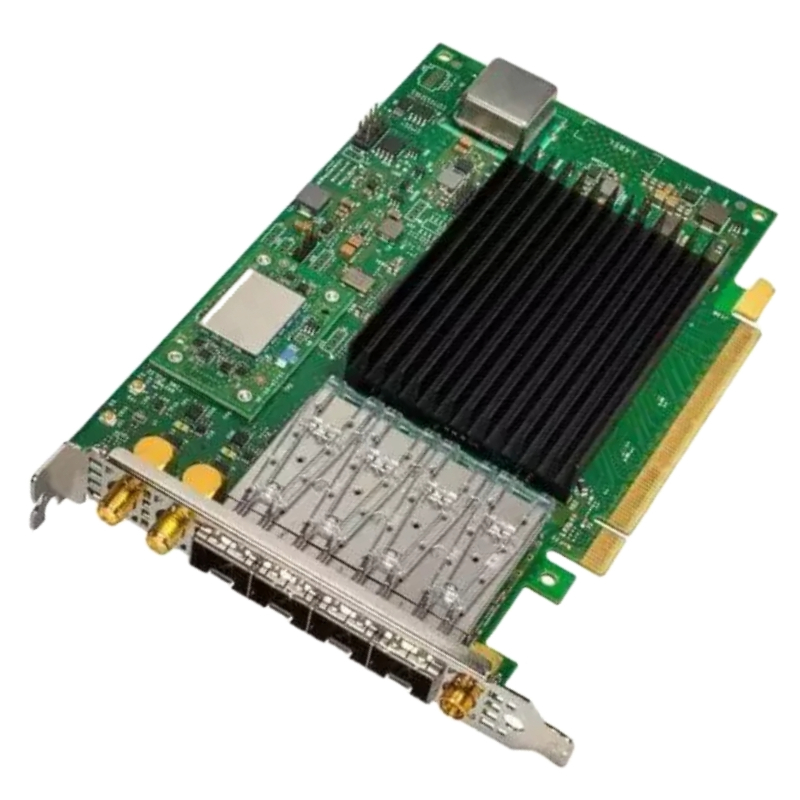


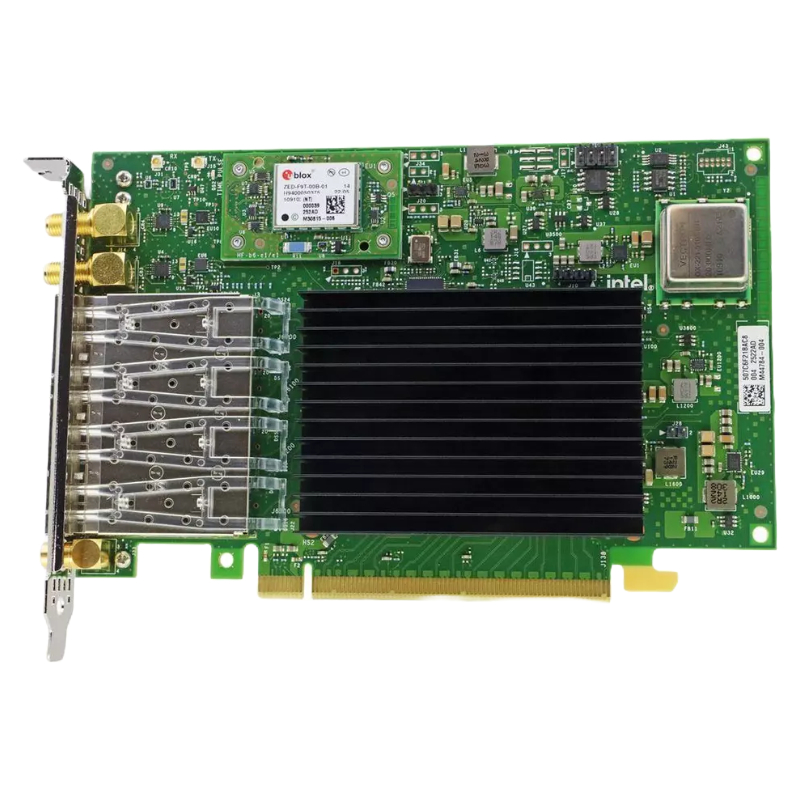
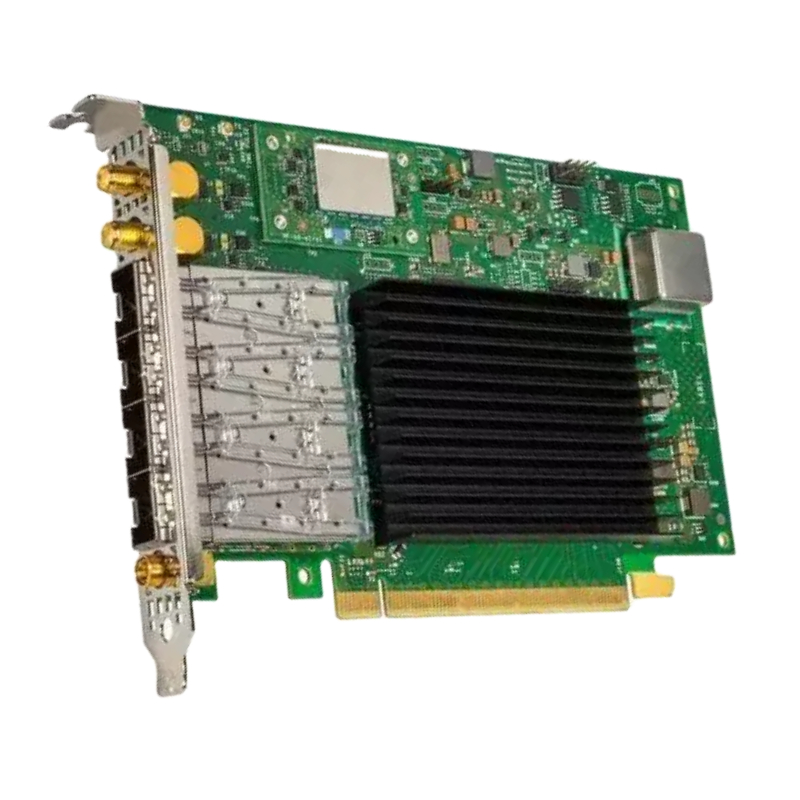
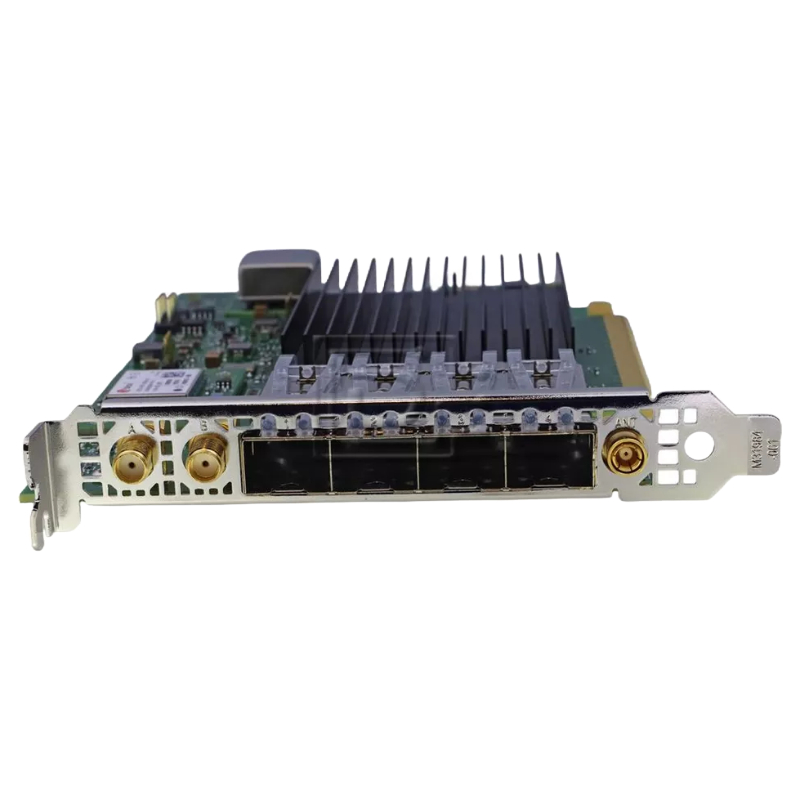
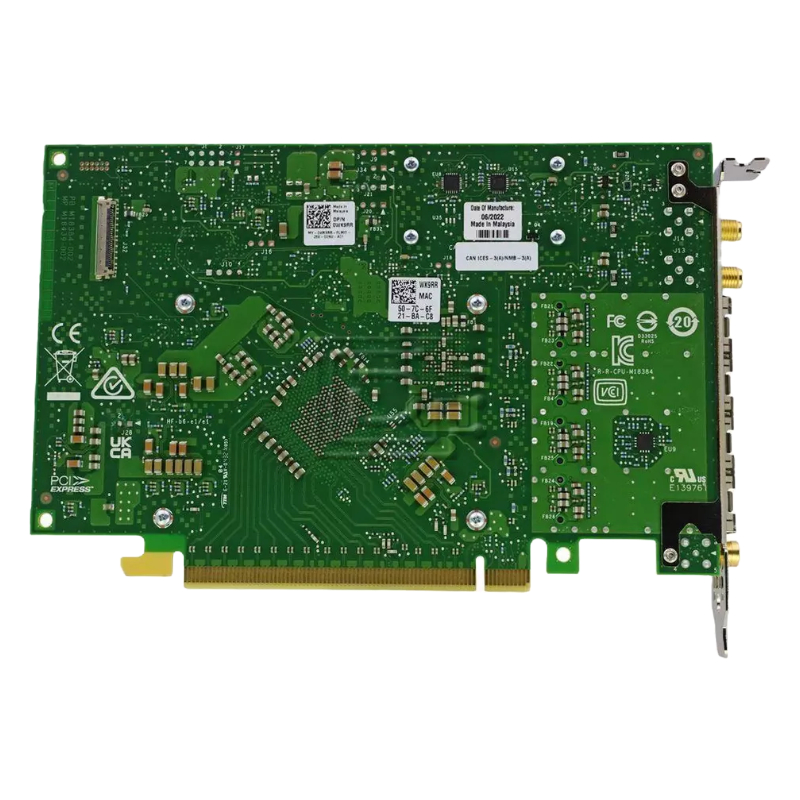
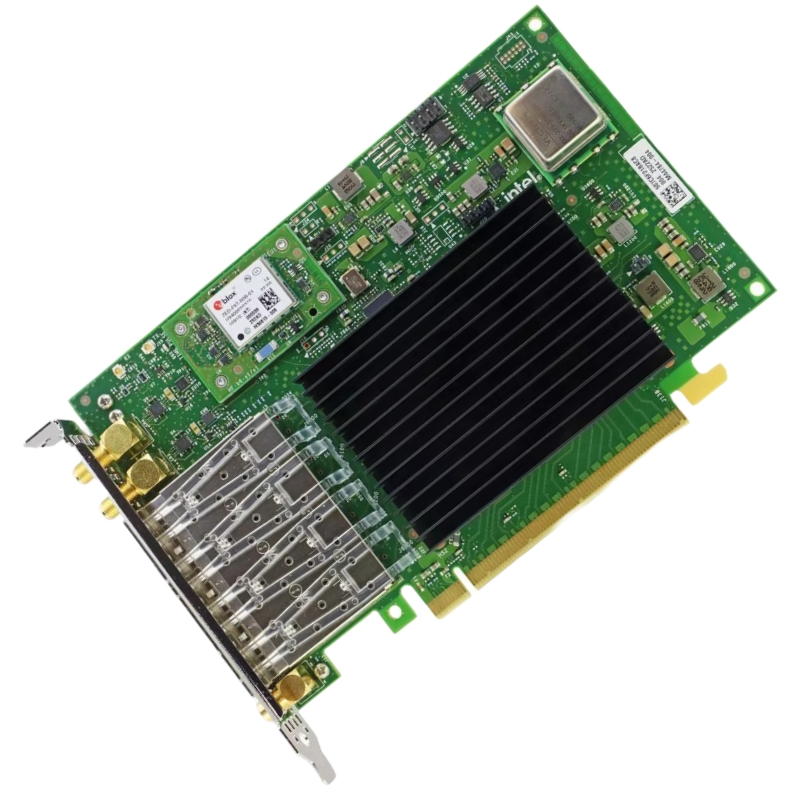
Intel E810XXVDA4TG1 4-Port 25/10GbE SFP28 PCI Express Ethernet Adapter. Excellent Refurbished with 1 year replacement warranty - Dell Version
Intel E810XXVDA4TG1 4-Port 25/10GbE SFP28 PCI Express Ethernet Adapter is a high-performance networking solution engineered for modern data centers and enterprise environments. This advanced network interface card delivers ultra-fast connectivity through multiple 10GbE and 25GbE SFP28 ports, ensuring smooth data transmission, reduced latency, and scalable bandwidth for demanding workloads. Designed with PCI Express 4.0 x16 architecture, it provides exceptional throughput efficiency, making it ideal for virtualization, cloud computing, storage networking, and high-speed server communication.
The Intel E810XXVDA4TG1 4-Port 25/10GbE SFP28 PCI Express Ethernet Adapter is designed for modern enterprise environments that require exceptional bandwidth, advanced virtualization support, low latency communication, and scalable connectivity. As organizations continue to embrace cloud computing, software-defined networking, virtualization, artificial intelligence workloads, storage networking, and high-performance computing, network infrastructure components must deliver reliable performance while supporting future growth.
This category of Intel Ethernet adapters addresses the growing demand for high-speed server connectivity by combining multiple SFP28 ports, PCI Express architecture, advanced traffic management capabilities, and intelligent hardware acceleration features. Built for data centers, enterprise servers, virtualization clusters, cloud platforms, storage systems, and network-intensive workloads, these adapters provide the flexibility needed for evolving network architectures.
The four-port configuration allows organizations to maximize network density while reducing hardware complexity. By consolidating multiple high-speed connections into a single adapter, IT teams can optimize server resources, simplify cable management, and improve overall infrastructure efficiency.
One of the defining characteristics of this Ethernet adapter category is support for both 25 Gigabit Ethernet and 10 Gigabit Ethernet connectivity. This dual-speed capability provides flexibility for organizations transitioning from legacy network infrastructures to modern high-bandwidth environments.
Network administrators often face challenges when upgrading infrastructure because different departments, servers, and applications operate at different network speeds. A multi-speed adapter allows seamless integration into mixed environments while providing a migration path toward faster networking technologies.
Twenty-five Gigabit Ethernet has become a preferred networking standard for modern data centers because it offers substantial bandwidth improvements while maintaining cost efficiency. Compared with older networking standards, 25GbE enables significantly greater throughput for demanding workloads.
Organizations deploying virtualization platforms, database clusters, analytics systems, cloud services, and storage infrastructure benefit from increased bandwidth that reduces network bottlenecks and improves application responsiveness.
Large-scale enterprise applications frequently generate massive volumes of network traffic. High-speed Ethernet connectivity allows faster movement of data between servers, storage systems, and users. This improved efficiency helps maintain consistent performance during peak operational periods.
Instead of relying on multiple lower-speed network links, organizations can utilize fewer high-capacity connections. This approach simplifies deployment, reduces management overhead, and improves overall network scalability.
The ability to support 10GbE connectivity ensures compatibility with existing network equipment and infrastructure investments. Organizations can deploy new servers using advanced adapters while maintaining interoperability with established switching environments.
This flexibility allows phased upgrades rather than requiring complete network replacement projects, helping businesses manage budgets while modernizing infrastructure.
The four-port design is particularly valuable in environments where network density, redundancy, and workload separation are important considerations. Multiple ports provide enhanced flexibility for server connectivity strategies and enable sophisticated network configurations.
Organizations often separate network traffic according to operational requirements. Dedicated ports can be assigned to management networks, storage traffic, application communication, backup operations, or tenant-specific environments.
This segmentation improves security, performance predictability, and resource allocation while simplifying traffic management.
High-availability environments require continuous network access. Multiple Ethernet ports support redundant network paths that help maintain connectivity even when individual links or switches experience issues.
Redundancy strategies are especially important for mission-critical applications, enterprise databases, cloud services, and business continuity initiatives.
The PCI Express interface serves as a critical component in modern network adapters. High-performance Ethernet adapters require sufficient bus bandwidth to handle large volumes of network traffic without introducing bottlenecks.
PCI Express technology provides scalable connectivity between the network adapter and server platform, enabling efficient data movement and supporting advanced networking features.
Data centers represent one of the most important deployment environments for high-performance Ethernet adapters. Modern facilities support diverse workloads that demand consistent performance, scalability, and reliability.
Intel Ethernet adapter solutions are frequently utilized in private clouds, public clouds, colocation facilities, enterprise data centers, and service provider environments.
Cloud computing environments rely heavily on efficient network communication between virtual machines, storage platforms, orchestration systems, and end users. High-speed Ethernet adapters help ensure that cloud services remain responsive and scalable.
Multi-port configurations support tenant isolation, workload balancing, and flexible resource allocation strategies commonly found in cloud deployments.
Virtual networking layers introduce additional processing requirements. Intelligent adapter technologies reduce overhead and contribute to smoother workload operation.
As virtual machine density increases, networking requirements expand accordingly. Multi-port adapters provide additional flexibility for managing growing virtual infrastructure environments.
Container platforms require efficient east-west traffic communication among services and microservices. High-bandwidth Ethernet connectivity supports rapid application interactions and contributes to improved overall platform responsiveness.
Enterprise storage environments increasingly depend on high-speed Ethernet connectivity to deliver fast and reliable access to critical data. Storage traffic can place significant demands on network infrastructure, particularly in environments supporting analytics, databases, backups, and cloud services.
Network-attached storage systems, distributed storage platforms, and software-defined storage solutions benefit from high-performance Ethernet adapters. Increased bandwidth helps accelerate data transfers and reduce latency.
Organizations managing large data repositories can improve storage accessibility while maintaining operational efficiency.
High-performance computing platforms process large datasets and execute computationally intensive workloads. These environments require network infrastructure capable of supporting substantial data movement between nodes and storage resources.
Reliability remains a fundamental requirement for business-critical networking infrastructure. Enterprise-class Ethernet adapters are designed to support continuous operation in demanding environments where downtime can affect productivity, revenue, and customer satisfaction.


 Contact Us
 Information
 Catalog
 Solid State Drives (SSD)
 Network Switches
 Hard Disk Drives
 HBA & Controllers
 PC & Servers
 PC & Server Memory
 CPU & Processors
 Network Routers
 Power Supplies
 Tape Drives & Libraries
 Network Devices
 Computer & Network Cables