(7% discount is applied at checkout)
Cart is empty
Your go-to destination for cutting-edge server products
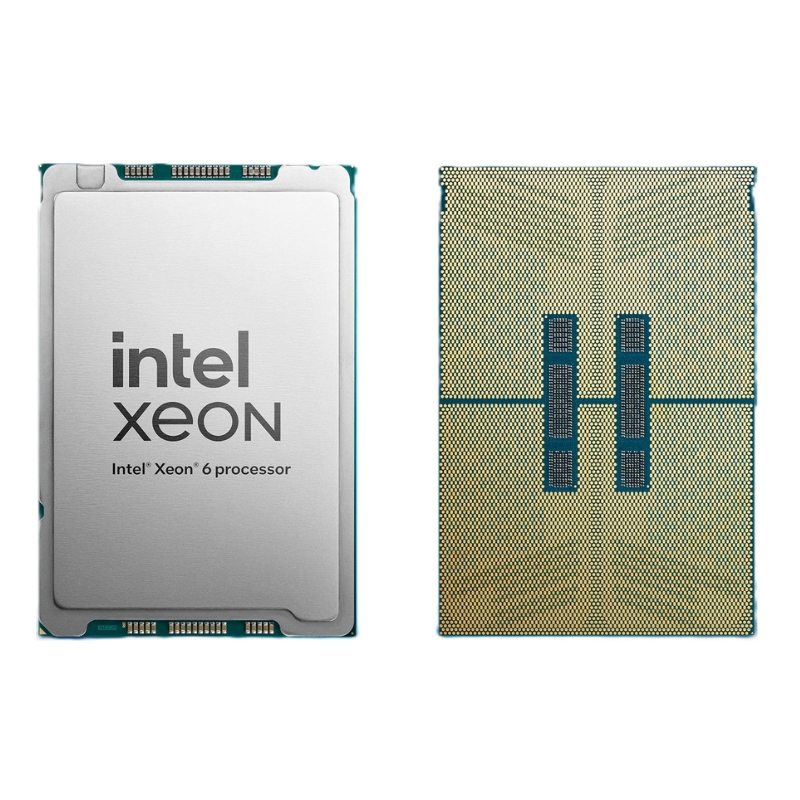


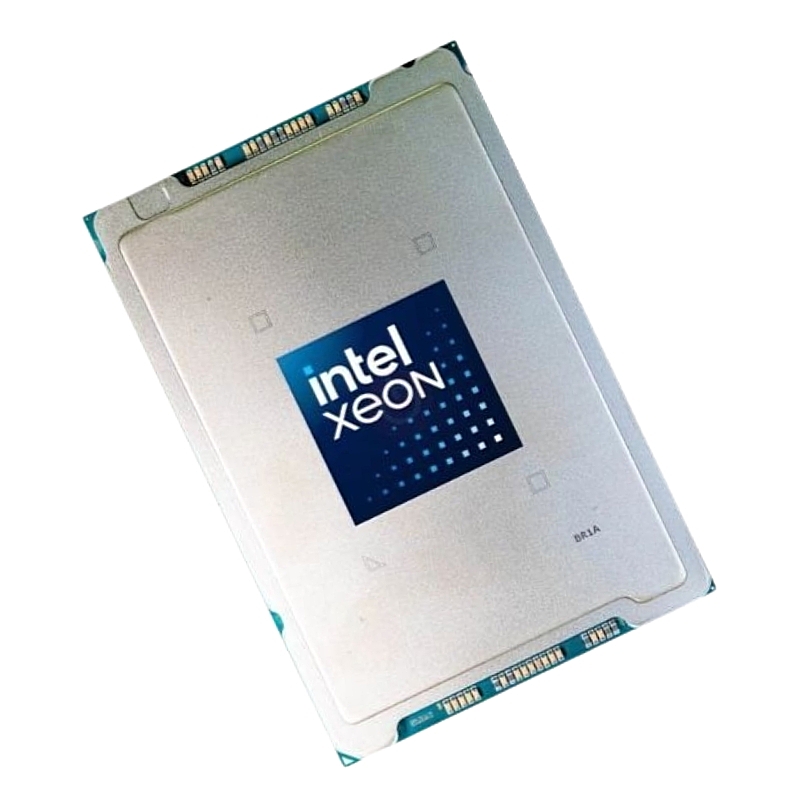
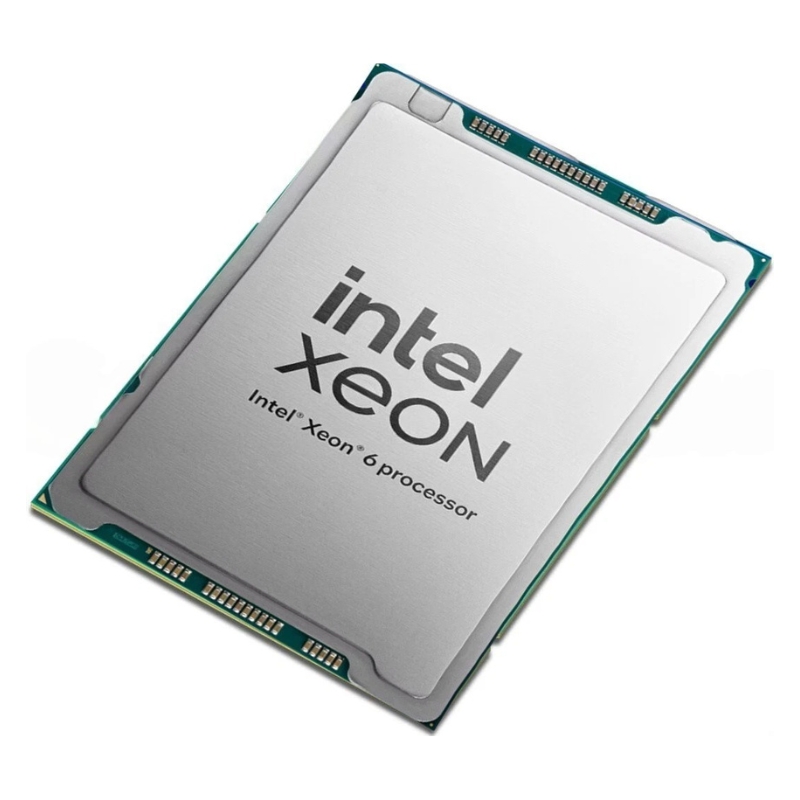
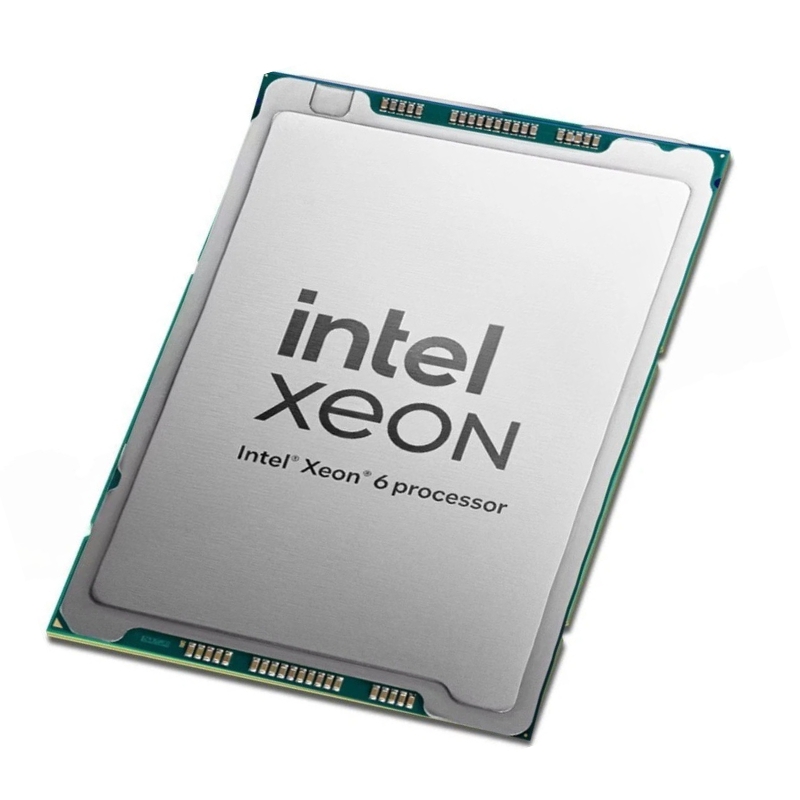
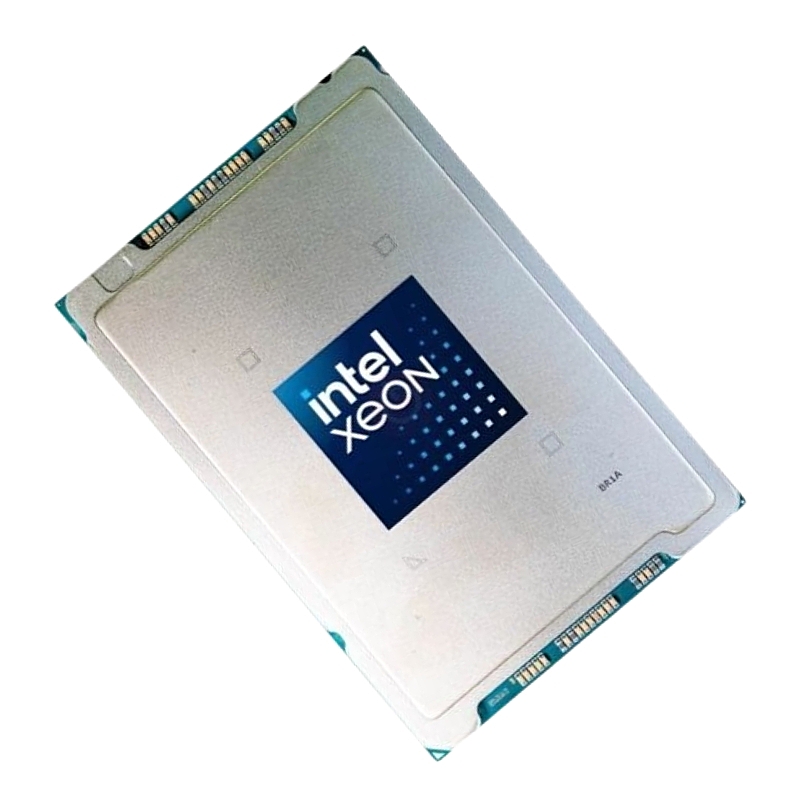
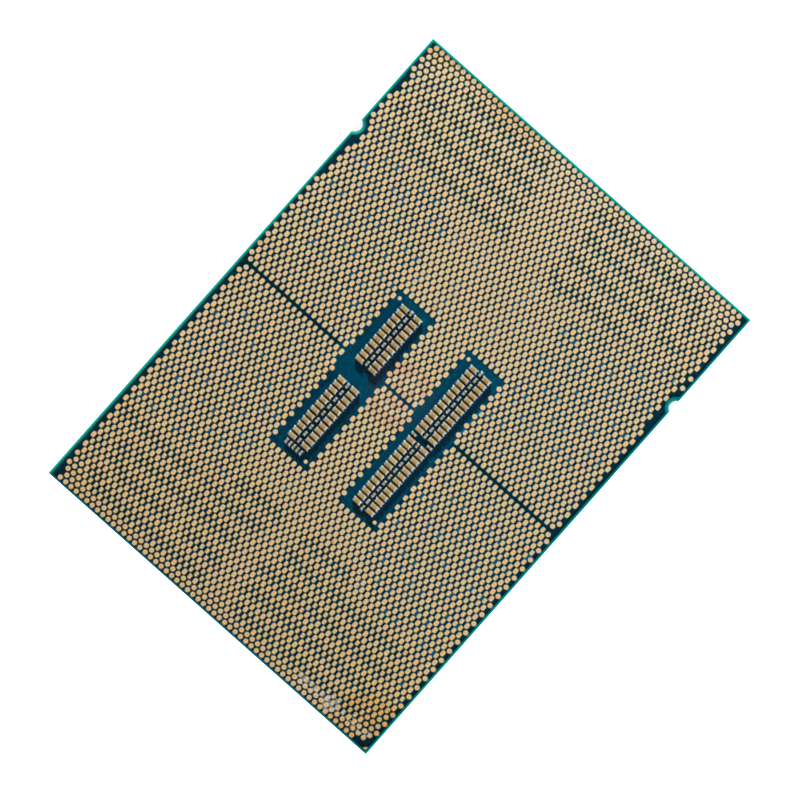
Intel PK8072006347400 Xeon 6530P 2.3GHz 32-Core Processor. New Sealed in Box (NIB) with 3 years Warranty
With 32 physical cores at a nominal clock of 2.3GHz, the Xeon 6530P excels at parallel workloads and multi-threaded applications. Core density allows consolidation of virtual machines, containers, and microservices on fewer sockets, helping reduce per-instance operational cost and simplifying cluster topology. The architecture is designed to deliver consistent throughput across sustained loads — an important consideration for CPU-bound enterprise services.
As part of the Intel Xeon family, the PK8072006347400 model is engineered with enterprise features in mind: server-grade validation, reliability-enhancing mechanisms, and security functions. Typical capabilities include support for error-correcting code (ECC) memory, hardware-assisted virtualization extensions, and processor-level security features used by modern operating systems and hypervisors. When evaluating parts for mission-critical systems, these features are key for data integrity and secure workload isolation.
The Xeon 6530P class of processors is commonly paired with platforms offering generous I/O and memory bandwidth to suit database, analytics, storage, and network functions. System architects will appreciate the ability to scale compute and I/O independently in rack or blade deployments, ensuring the CPU does not become the bottleneck when paired with fast NVMe storage arrays, high-throughput NICs, or large memory configurations.
The full SKU identifier Intel PK8072006347400 is useful when sourcing or verifying authenticity. Always cross-check this SKU against vendor listings and system BIOS/firmware compatibility matrices to ensure full compatibility with your existing server chassis and motherboard firmware.
The base operating frequency of 2.3GHz provides a balance between raw clock speed and thermal/power efficiency. Real-world performance can vary depending on system cooling, power profile, and workload type. Single-threaded tasks will benefit from higher single-core boost behavior when available, while multi-threaded applications scale with core count and per-core performance.
High-core-count processors rely heavily on cache architecture and memory subsystem bandwidth. When evaluating the Xeon 6530P for database, caching, or analytics workloads, look beyond core count to memory channels, supported memory types, and maximum memory capacity per socket. A balanced configuration ensures the processor maintains high utilization without being starved by memory latency or narrow channel counts.
High-core-count Xeon processors may present elevated thermal design and power delivery requirements. Proper server cooling, quality thermal interface materials, and validated power supplies are essential. When designing or upgrading systems, plan for adequate chassis airflow, redundant power where required, and firmware settings that prioritize stability under sustained loads.
OLTP databases, columnar analytics engines, and in-memory systems benefit from the Xeon 6530P's multi-core throughput and memory subsystem. Properly tuned database instances and indexing strategies can leverage multiple cores to reduce query latency and increase concurrent transaction capacity.
For certain HPC workloads that favor many cores rather than extremely high per-core clocks, the Xeon 6530P is a competitive choice. Jobs that can be parallelized — scientific simulations, batch processing, and rendering tasks — will scale well across the 32-core footprint.
In edge and telco infrastructure, dense compute nodes that must also handle networking and storage tasks can make good use of the Xeon 6530P. The platform's capabilities are well-suited to virtualized network functions (VNFs), network packet processing, and edge analytics when paired with appropriate NICs and acceleration options.
Before purchasing the Intel PK8072006347400 Xeon 6530P, confirm the target motherboard supports the processor socket type, power delivery, and BIOS microcode. Server vendors often publish CPU compatibility matrices — consult those resources to avoid incompatibilities that may require a BIOS update or a specific board revision.
Ensure your chosen hypervisor or operating system has verified support for the Xeon 6530P. Firmware updates (BIOS, BMC) and hypervisor patches can resolve microcode or feature support issues; plan firmware maintenance windows if upgrading existing systems in production.
Verify supported memory types (ECC, registered, speed) and maximum memory capacity per socket. When pairing with NVMe storage or large-scale arrays, confirm that the platform has the necessary PCIe lane allocation and that firmware supports booting and passthrough scenarios as required.
Fine-tuning BIOS or UEFI settings can improve performance and efficiency. Key settings to review include power/performance modes, C-state behavior, hyper-threading enablement, and NUMA configuration. For virtualization hosts, NUMA-aware VM placement and memory reservation strategies will preserve predictable latency for critical VMs.
Keep OS kernels and hypervisor versions up to date to benefit from microcode improvements and scheduling optimizations. Configure CPU pinning or isolation for latency-sensitive workloads, and use performance monitoring tools to identify contention points (cache misses, memory latency, I/O bottlenecks).
Regular benchmarking with real application workloads is the best way to understand how the Xeon 6530P behaves in your environment. Synthetic benchmarks are useful for baseline comparisons, but production-like tests reveal true system behavior under concurrency, I/O mix, and memory pressure.
Use authorized distributors or reputable secondary-market sellers when procuring Intel PK8072006347400 units. Inspect packaging, check SKU numbers, and, where possible, validate warranty status with the seller. For refurbished parts, request test logs and return policies to reduce the risk of downtime due to component failure.
Confirm warranty coverage and support SLA with the vendor. Enterprise deployments often require advance replacement or on-site support; negotiate terms that match the criticality of the workloads running on the servers.
Choose heatsinks and chassis that offer headroom for high sustained thermal loads. Redundant and hot-swap fan trays with proper intake/exhaust design will maintain consistent temperatures and reduce thermal throttling risk in dense racks.
For database or storage server roles, pair the Xeon 6530P with NVMe or enterprise-class SSDs and robust RAID or software-defined storage architectures. For network-intensive workloads, high-performance RDMA-capable NICs and appropriate NIC offload features will keep CPU overhead low.
To assist customers searching for precise information, this page includes optimized subtopics that match common queries: "Intel PK8072006347400 specs", "Xeon 6530P 32 core server compatibility", "2.3GHz Xeon performance vs competitors", "best motherboard for Xeon 6530P", "ECC memory configuration for Xeon 6530P", and "thermals and power recommendations for 32-core Xeon". Including these phrases improves discoverability for shoppers and administrators seeking detailed technical guidance.
Consider upgrading to the Xeon 6530P when you need higher VM density, improved parallel throughput, or to consolidate multiple aging dual-socket servers into fewer, more efficient nodes. Evaluate current utilization metrics — CPU, memory, and I/O — to justify ROI and to size the new systems correctly.
The platform supports hardware-level security features commonly used to harden deployments. When designing secure environments, combine processor features with OS-level mitigations, secure boot, trusted platform modules (TPMs), and proper configuration hygiene to meet compliance requirements.
For environments requiring data-at-rest or in-transit protection, leverage platform encryption accelerators and integrate with encryption-capable storage and networking stacks. Offloading cryptographic operations to hardware can lower CPU overhead and improve throughput.
Developers should ensure server applications are NUMA-aware and can schedule work across many cores without introducing contention for shared resources. Thread pools, asynchronous I/O, and parallel processing libraries must be tuned to avoid oversubscription and to maximize cache locality.
Integrate performance and scalability testing into CI pipelines to detect regressions early. Use representative datasets and concurrency levels to measure how new code paths behave on 32-core hardware so that teams can catch performance anti-patterns before deployment.
Decide whether to scale horizontally (add more nodes) or vertically (add more powerful CPUs per node) based on application architecture and failure domains. The Xeon 6530P suits a vertical scaling approach when consolidation is preferred; however, microservice or cloud-native designs often benefit from horizontal scaling strategies.
Complement CPU compute with accelerators — GPUs, FPGAs, or dedicated AI inference chips — for workloads that benefit from specialized processing. Ensure your platform supports required PCIe bandwidth and power for accelerators when designing systems that include the Xeon 6530P as the primary host CPU.
Availability of the Intel PK8072006347400 Xeon 6530P can vary by region. Confirm local distributor inventories and lead times, especially when planning large-scale rollouts. Consider local warranty and RMA logistics to minimize shipment bottlenecks and downtime.
In warm climates or high-altitude data centers, factor in reduced cooling efficiency and lower air density that can affect thermal behavior. Plan with adequate safety margins for power and cooling to sustain high utilization levels without thermal throttling.


 Contact Us
 Information
 Catalog
 Solid State Drives (SSD)
 Network Switches
 Hard Disk Drives
 HBA & Controllers
 PC & Servers
 PC & Server Memory
 CPU & Processors
 Network Routers
 Power Supplies
 Tape Drives & Libraries
 Network Devices
 Computer & Network Cables