(7% discount is applied at checkout)
Cart is empty
Your go-to destination for cutting-edge server products
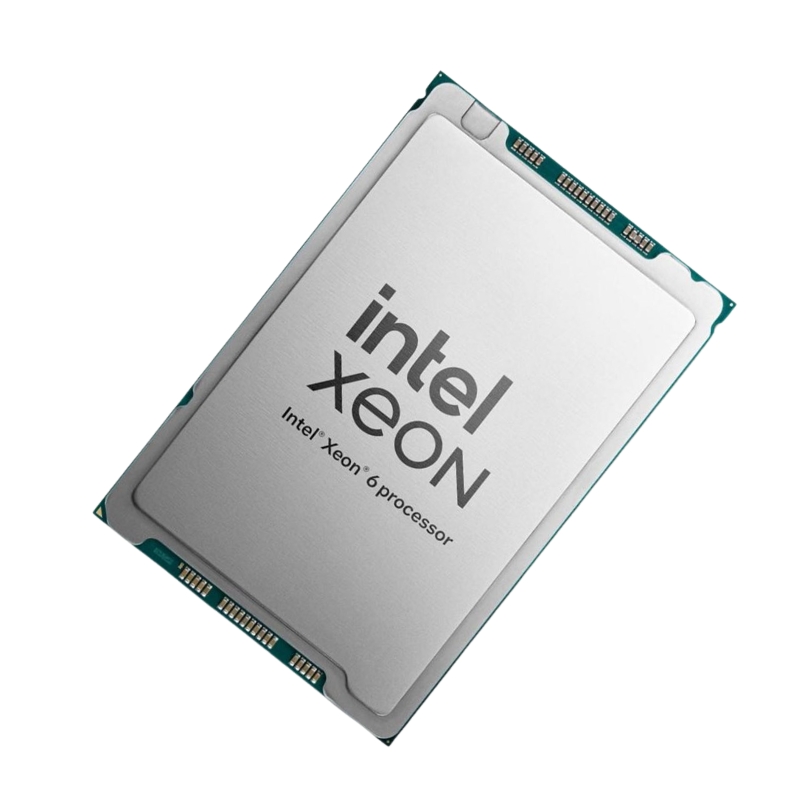


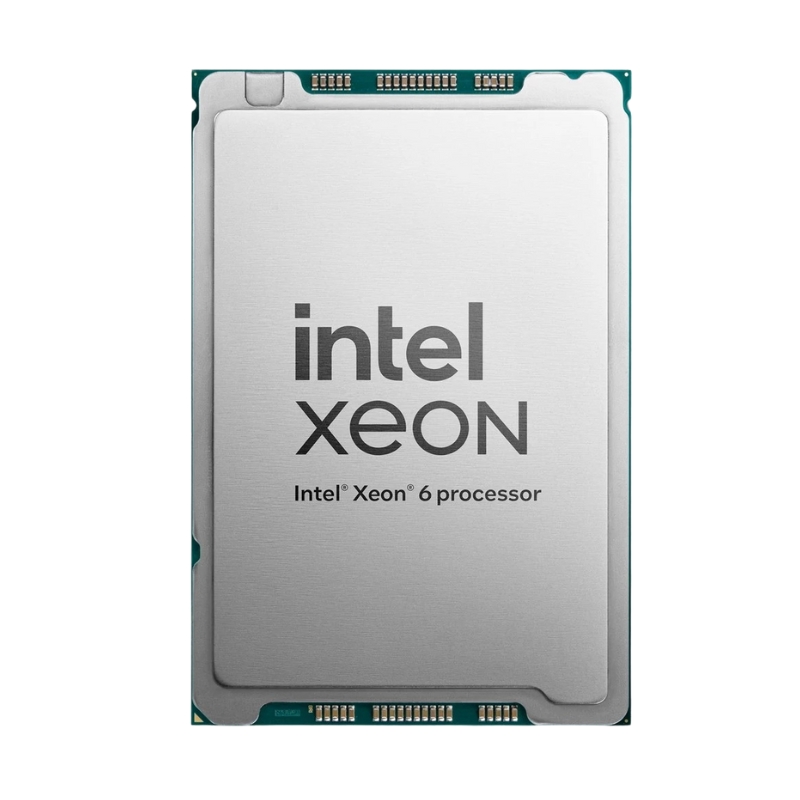
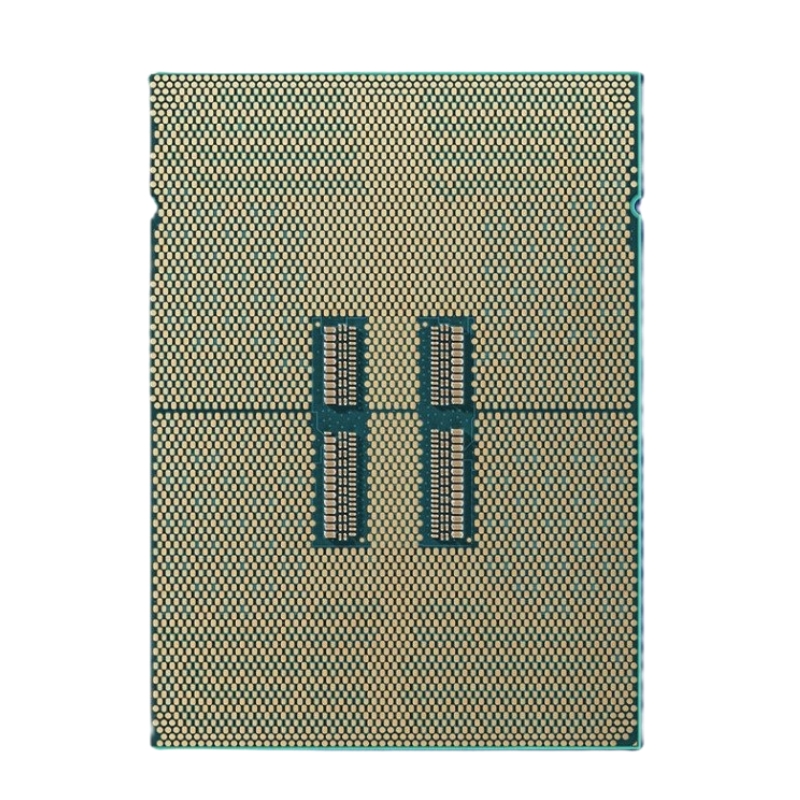
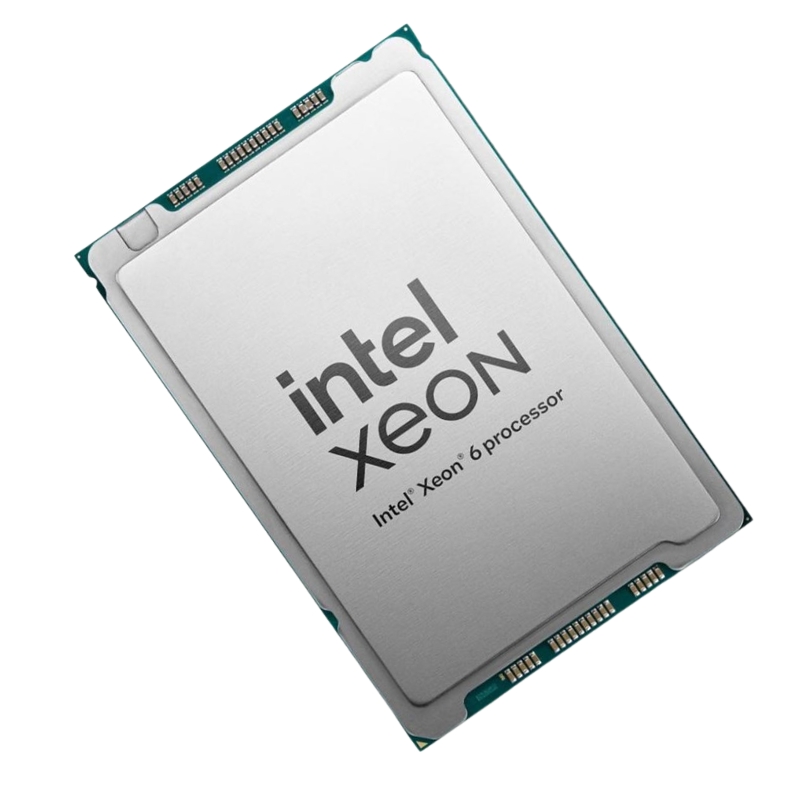
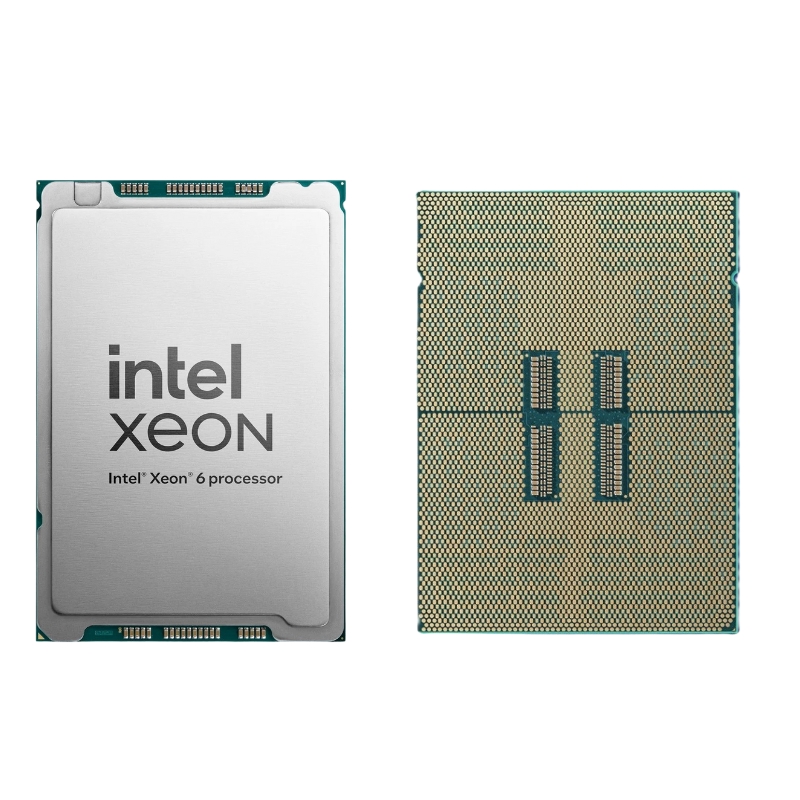
Intel SA2YM Xeon 6962p 2.7ghz 72-core 432mb Cache 24gt/s Upi Speed Socket Fclga7529 500w Processor. New Sealed in Box (NIB) with 3 years Warranty
Discover the Intel SA2YM Xeon 6962p, a datacenter-grade processor engineered for heavy compute workloads, virtualization and large-scale memory tasks. Built on Intel 3 process technology, this powerhouse combines massive core counts, huge cache and ultra-fast interconnects to accelerate enterprise applications.
The Intel SA2YM Xeon Platinum 6962P represents the zenith of Intel's Cascade Lake-Advanced Performance (AP) microarchitecture, specifically engineered for the most demanding computational workloads in modern data centers. This processor family breaks from traditional Xeon designs by implementing a monolithic die architecture that delivers unprecedented core density and cache availability. Built on Intel's refined 14nm++ process technology, the 6962P achieves remarkable performance-per-watt characteristics while maintaining the reliability and stability expected in enterprise environments.
The 14nm++ process technology represents the third generation of Intel's 14nm manufacturing, featuring optimized transistor designs that deliver higher performance at equivalent power levels or significantly reduced power consumption at equivalent performance compared to previous generations. This manufacturing refinement enables the 6962P to operate 72 complex cores within a 500W thermal design power (TDP) envelope while maintaining exceptional frequency characteristics for a processor of its core count.
Unlike many competing high-core-count processors that utilize chiplet or multi-die architectures, the Cascade Lake-AP maintains a monolithic die design. This approach eliminates the latency penalties and complexity associated with inter-die communication, ensuring consistent low-latency access to the massive 432MB cache across all 72 cores. The monolithic architecture simplifies memory access patterns and provides more predictable performance for latency-sensitive applications.
With 72 physical cores, the Xeon Platinum 6962P delivers exceptional parallel processing capability that redefines computational density in single-socket and dual-socket configurations. Each core supports two threads through Intel's Hyper-Threading technology, enabling the processor to execute up to 144 simultaneous threads. This massive parallel processing capability makes the 6962P ideally suited for high-performance computing (HPC), scientific simulations, financial modeling, and advanced analytics workloads where thread-level parallelism can be fully exploited.
Operating at a base frequency of 2.7GHz, the 6962P maintains strong single-threaded performance while delivering exceptional throughput for massively parallel workloads. Intel's Turbo Boost Max Technology 3.0 identifies the highest-performing cores and directs critical single-threaded workloads to these cores, achieving frequencies significantly above the base clock. This intelligent frequency management ensures that both single-threaded and multi-threaded applications receive optimal performance without manual intervention or workload-specific tuning.
The 432MB of shared L3 cache represents one of the most substantial cache implementations in the x86 processor market. This enormous cache capacity serves as a critical performance enabler for data-intensive workloads by reducing memory subsystem contention and minimizing the frequency of expensive main memory accesses. The cache architecture implements Intel's inclusive cache design, maintaining coherence across the entire 72-core complex while providing low-latency access to frequently used data.
Organized as a distributed shared cache across multiple segments, the L3 cache maintains a balance between access latency and capacity. Each core complex has dedicated access to its local cache segment while maintaining coherence with the entire cache structure through a high-speed internal interconnect. This organization ensures that data shared between cores residing in different segments remains consistent without imposing significant performance penalties, a critical requirement for scalable parallel applications.
The Xeon SA2YM Platinum 6962P supports up to 4.5TB of DDR4 memory across multiple memory channels, providing the substantial memory capacity required by memory-intensive applications such as in-memory databases, large-scale virtualization, and scientific computing. With support for DDR4-2933 memory, the processor delivers exceptional memory bandwidth that ensures the computational capabilities of the 72 cores are not constrained by memory performance limitations.
Enterprise-grade reliability features including Intel Run Sure Technology with memory RAS (Reliability, Availability, and Serviceability) capabilities provide error correction, memory mirroring, memory rank sparing, and patrol scrubbing. These features ensure data integrity and system availability even in the presence of memory errors, making the 6962P suitable for mission-critical applications where downtime is not an option.
With 24GT/s UPI speed, the 6962P establishes a high-bandwidth, low-latency connection between processors in multi-socket configurations. Each UPI link delivers approximately 50% more bandwidth than previous generation 16GT/s implementations, significantly reducing inter-socket communication latency for NUMA-aware applications. The processor supports multiple UPI links, enabling flexible system topologies including two-socket, four-socket, and eight-socket configurations through intermediate nodes.
The Intel SA2YM UPI architecture maintains cache coherency across all processors in a multi-socket system, presenting a unified memory space to the operating system and applications. The directory-based coherency protocol efficiently tracks the location of shared data, minimizing coherency traffic and reducing the performance overhead associated with maintaining consistency across a large number of cores distributed throughout the system.
With a 500W Thermal Design Power (TDP), the 6962P demands sophisticated power delivery and thermal management solutions. The processor implements advanced power management features including multiple power states, per-core power gating, and dynamic frequency and voltage scaling. These technologies work in concert to minimize power consumption during periods of reduced computational demand while providing immediate response to workload increases.
On-die digital thermal sensors continuously monitor temperature hotspots across the processor die. The integrated thermal management circuitry dynamically adjusts operating frequencies and voltages to maintain safe operating temperatures while maximizing performance within thermal constraints. This proactive thermal management prevents performance throttling under most operating conditions and ensures long-term reliability by avoiding excessive temperature exposure.
The Intel SA2YM massive core count and memory bandwidth of the Xeon Platinum 6962P make it exceptionally well-suited for HPC workloads including computational fluid dynamics, finite element analysis, weather modeling, and molecular dynamics simulations. These applications typically exhibit high levels of thread-level parallelism and can efficiently utilize all 72 cores to significantly reduce time-to-solution for complex computational problems.
In research institutions and laboratories, the 6962P accelerates scientific discovery by enabling larger, more detailed simulations and reducing computational bottlenecks. The processor's support for AVX-512 instructions provides significant performance improvements for vectorizable code common in scientific computing, while the large cache minimizes memory access latency for algorithms with poor spatial locality.
For virtualization and cloud service providers, the 6962P delivers exceptional virtual machine density and performance consistency. The high core count enables consolidation of numerous virtual machines onto a single physical host while maintaining performance isolation through technologies such as Intel Resource Director Technology (RDT). The massive memory capacity support allows memory-intensive virtualized applications to operate without compromise.
In containerized environments using technologies such as Docker and Kubernetes, the 6962P provides the computational density to host thousands of containers while maintaining performance isolation and quality of service. Intel's advanced resource management technologies ensure that critical containers receive prioritized access to shared resources while preventing "noisy neighbors" from impacting performance-sensitive workloads.
While dedicated AI accelerators handle the most demanding training workloads, the 6962P excels at AI inference and model serving where low-latency response is critical. The processor's high memory bandwidth and capacity enable deployment of large models entirely in memory, eliminating storage I/O bottlenecks during inference operations. For mixed workloads that combine traditional enterprise applications with AI capabilities, the 6962P provides balanced performance across diverse computational patterns.
With support for Intel DL Boost technology featuring Vector Neural Network Instructions (VNNI), the 6962P delivers significant performance improvements for deep learning inference workloads compared to previous generation processors. These specialized instructions accelerate the low-precision integer operations common in quantized neural networks, enabling efficient inference serving without requiring discrete accelerators for many use cases.
The Intel SA2YM 6962P incorporates numerous hardware-based security technologies to protect against evolving threats. Intel Software Guard Extensions (SGX) create hardware-enforced trusted execution environments that isolate sensitive code and data, even from privileged software such as the operating system and hypervisor. This capability is particularly valuable for multi-tenant environments and applications processing confidential information.
Integrated cryptographic acceleration through Intel AES-NI and other instruction set extensions significantly improves the performance of encryption and decryption operations, reducing the performance overhead associated with full-disk encryption, network security protocols, and application-level cryptography. This hardware acceleration enables comprehensive data protection without compromising system performance or responsiveness.
Beyond typical server processor reliability, the 6962P implements enhanced machine check architecture, instruction retry capabilities, and system-level reliability features that maximize uptime for mission-critical applications. The processor includes extensive error detection and correction circuitry that identifies and corrects transient errors while logging permanent errors for proactive maintenance and replacement.
For the most demanding availability requirements, the 6962P supports configurations that continue operation even in the presence of certain hardware failures. Combined with platform-level redundancy features including hot-pluggable components and redundant power supplies, systems based on the 6962P can achieve exceptional levels of availability for applications where downtime carries significant financial or operational consequences.
The non-uniform memory access (NUMA) characteristics of systems utilizing the 6962P require careful workload placement to maximize performance. Operating systems and applications must be NUMA-aware to allocate memory local to the cores executing a particular thread, avoiding the significant performance penalty associated with remote memory accesses. Proper NUMA configuration becomes increasingly important as core counts rise and memory latency differentials between local and remote memory have greater impact on overall performance.
Performance optimization for the 6962P involves multiple considerations including thread affinity settings, memory allocation policies, and interrupt management. Binding threads to specific cores reduces cache pollution and improves locality, while first-touch memory allocation policies ensure that memory is allocated on the NUMA node closest to the executing thread. These optimizations become increasingly important as the scale of the system grows and the impact of non-optimal resource placement becomes more pronounced.
Effective thermal management is critical for maintaining peak performance of the 6962P throughout its operational life. The 500W TDP requires advanced cooling solutions capable of dissipating substantial thermal loads while maintaining acceptable acoustic characteristics. Liquid cooling solutions often provide the most efficient heat transfer for this class of processor, particularly in environments where density and performance per rack unit are primary considerations.
System integrators must consider airflow patterns, heat sink design, and thermal interface materials when designing solutions around the 6962P. Proper implementation ensures that the processor can maintain turbo frequencies for extended periods rather than thermal throttling under sustained load. In multi-processor configurations, additional consideration must be given to the cooling of adjacent components that may be affected by the substantial thermal output of these high-TDP processors.


 Contact Us
 Information
 Catalog
 Solid State Drives (SSD)
 Network Switches
 Hard Disk Drives
 HBA & Controllers
 PC & Servers
 PC & Server Memory
 CPU & Processors
 Network Routers
 Power Supplies
 Tape Drives & Libraries
 Network Devices
 Computer & Network Cables