(7% discount is applied at checkout)
Cart is empty
Your go-to destination for cutting-edge server products
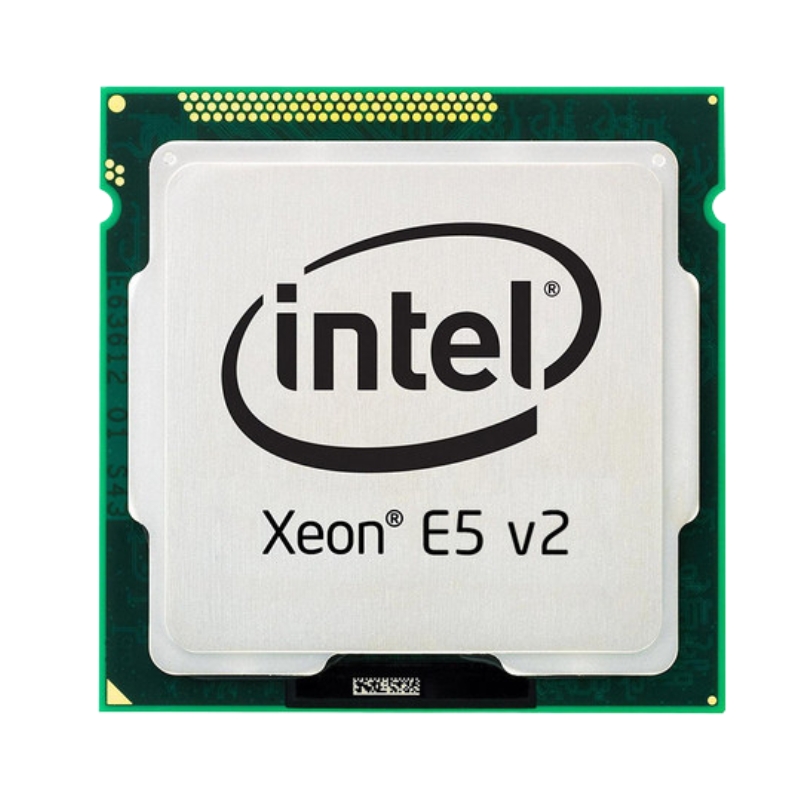


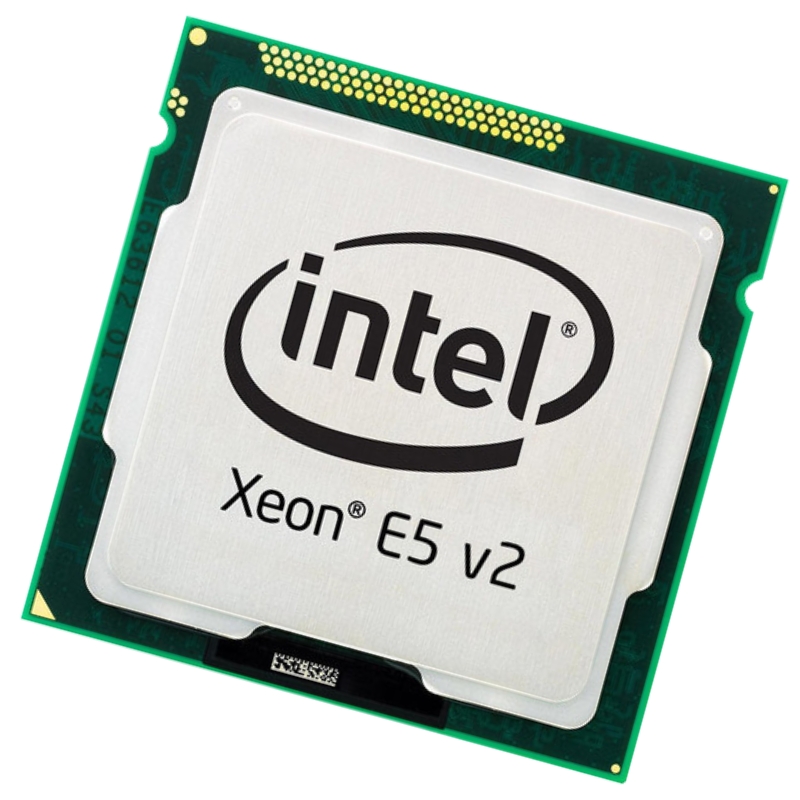
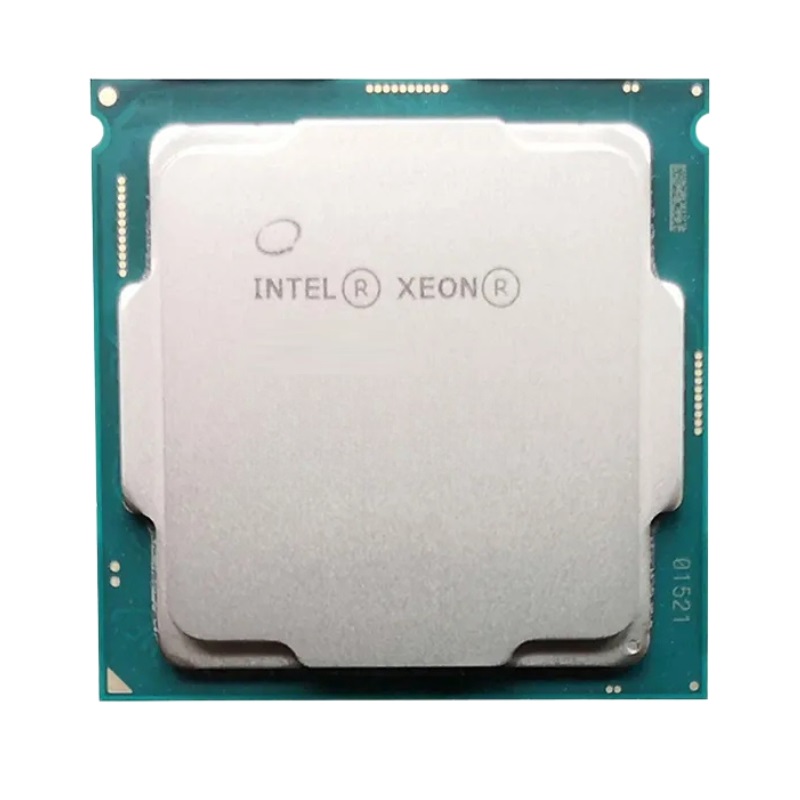
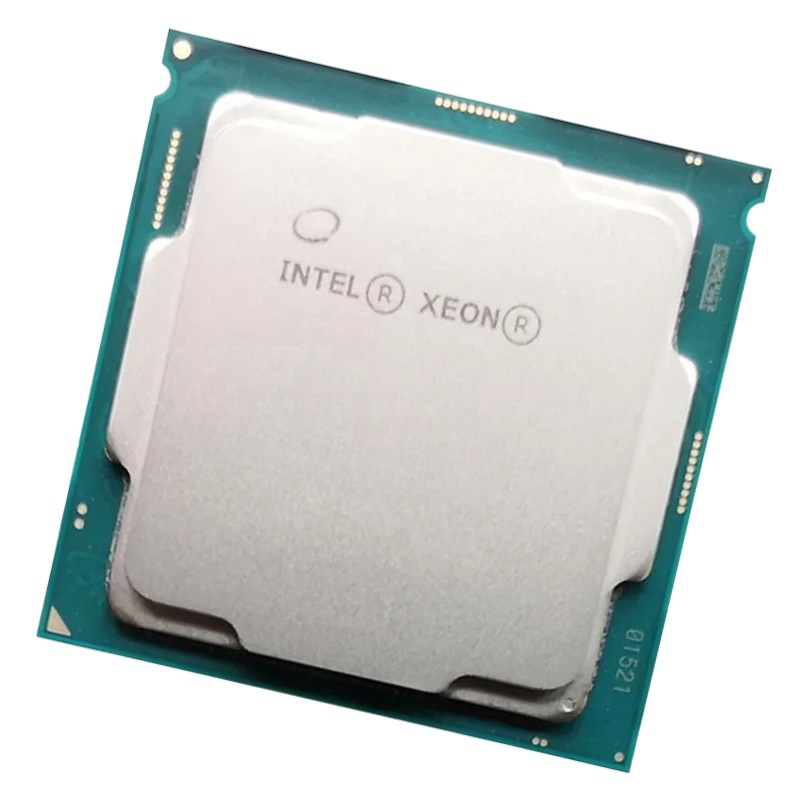
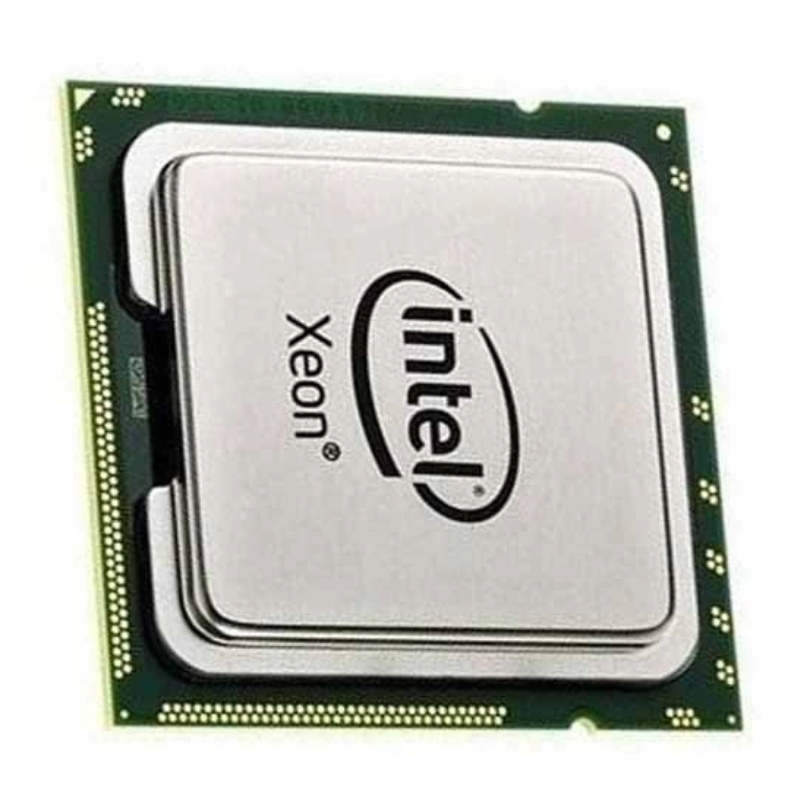
Intel SR1B6 Xeon 2.20GHz 6.40GTs E5-4603 V2 Quad-Core LGA2011 QPI 10MB L3 Cache Socket Processor. New (System) Pull with 1 Year Replacement Warranty
The Intel SR1B6 Xeon 2.20GHz E5-4603 V2 Quad-Core processor is engineered for dependable server performance. Built on the Ivy Bridge EP architecture, this CPU delivers efficient data handling, stable multitasking, and optimized workload processing for enterprise systems.
This Intel SR1B6 Xeon E5-4603 v2 processor is compatible with a wide variety of enterprise-level server systems that support the Intel Xeon E5-4600 v2 series and LGA2011 socket.
The Intel SR1B6 Xeon 2.20GHz 6.40GT/s E5-4603 V2 Quad-Core LGA2011 processor is part of Intel’s powerful Xeon E5 v2 series, built to support enterprise-level computing environments that require long-term stability, high performance, and dependable multitasking. This CPU uses Intel’s Ivy Bridge-EP architecture, offering enhanced energy efficiency, improved throughput, and stronger virtualization support compared to the previous generation. It is engineered for multi-socket server platforms, especially those relying on the LGA2011 socket, and is commonly deployed in large data centers, HPC clusters, virtualization nodes, and mission-critical applications.
This category focuses on the Intel SR1B6 CPU as well as related variants, compatible components, and its broader use in scalable server infrastructures. Because of its balanced quad-core design, 10MB of shared L3 cache, and advanced Intel QPI technology for inter-CPU communication, this processor provides a reliable foundation for systems that must run continuously under heavy workloads. It offers strong performance for tasks that do not require extremely high clock speeds but benefit significantly from multi-CPU setups, high memory capacities, and consistent computational speed.
The E5-4600 v2 family is designed around Intel’s Ivy Bridge-EP microarchitecture, providing a balance of efficiency and performance. While the SR1B6 model operates at a base frequency of 2.20GHz, its architecture brings major improvements in per-clock performance over older Xeon generations. Because it is intended for four-socket (and sometimes greater) server systems, it includes features that enable smooth communication across multiple CPUs and extensive memory arrays.
The Ivy Bridge-EP architecture offers a number of refinements that improve efficiency and reduce power consumption. Manufactured using a 22nm process technology, these processors run cooler and consume less electricity, which is essential when deploying several CPUs within the same server enclosure. They also feature improved data handling capabilities, deeper buffers, and stronger virtualization support, making them suitable for cloud environments.
The use of Intel’s 22nm Tri-Gate transistor design ensures better control over power leakage and provides high switching performance without excessive heat output. This allows servers built with the E5-4603 V2 to maintain steady performance even under long-term, full-load operation. Organizations seeking to reduce operational energy costs benefit significantly from this level of silicon efficiency.
With four physical cores and support for robust multitasking, this CPU handles intensive workloads without becoming a bottleneck. Although the model does not support Hyper-Threading, its efficiency, stability, and communication throughput make it ideal for specialized server applications that rely more on interconnect speed and memory management than raw thread count.
The processor’s 10MB shared Smart Cache is dynamically allocated to tasks as needed, ensuring efficient data access and minimizing latency. This cache helps with transactional workloads, concurrent data processes, and high-volume applications where quick access to commonly used data is crucial.
One of the defining features of the Intel SR1B6 is its 6.40GT/s QPI (QuickPath Interconnect) speed, enabling rapid communication among multiple CPUs in a multi-socket motherboard. This is important in enterprise-grade servers where data must move seamlessly between processors without bottlenecks.
The Intel SR1B6 CPU uses the LGA2011 socket, one of Intel’s most popular server-grade interfaces. This socket supports high-capacity memory configurations, multiple QPI links, and robust PCIe bandwidth for expansion cards. It is widely used in enterprise servers, ensuring a broad ecosystem of compatible motherboards and server platforms.
Many server boards from reputable brands such as Dell, HP, Lenovo, Supermicro, and Intel themselves provide native support for this processor. Common features on these platforms include multi-processor slots, ECC memory compatibility, and advanced cooling systems. These motherboards often support anywhere from 24 to 48 DIMM slots, enabling extremely high memory densities for database or virtualization tasks.
ECC (Error Correcting Code) memory support is essential in enterprise environments because it ensures data reliability and reduces system crashes. Intel’s E5-4603 V2 fully supports ECC DIMMs, minimizing downtime and maintaining data integrity during heavy workloads.
The Intel SR1B6 Xeon E5-4603 V2 is designed for consistent performance in data-intensive and mission-critical environments. Although its clock speed is moderate, its architecture, QPI bandwidth, and multi-CPU support make it ideal for specialized workloads that rely more on memory throughput and parallel processing.
This processor is often installed in systems running SQL, Oracle, or NoSQL databases. These workloads benefit from the CPU’s large L3 cache, balanced core performance, and fast access to memory. QPI ensures minimal lag in multi-CPU database processing, improving query speeds and transaction integrity.
Although not the most powerful CPU in the E5 v2 series, the SR1B6 fits well into distributed computing clusters where multiple nodes work together to complete complex calculations. Scientific laboratories, weather modeling centers, simulation environments, and research institutions frequently use these CPUs to support modular HPC clusters.
The CPU’s Thermal Design Power (TDP) is engineered to maintain stable operation even when multiple units are installed within the same server. This efficiency enables dense multi-socket servers that deliver strong performance without generating excessive heat or requiring specialized cooling systems.
Intel VT-x enhances the performance of virtual machines by reducing overhead and allowing more direct communication between hardware and virtualization layers. This results in smoother VM operation and better resource distribution.


 Contact Us
 Information
 Catalog
 Solid State Drives (SSD)
 Network Switches
 Hard Disk Drives
 HBA & Controllers
 PC & Servers
 PC & Server Memory
 CPU & Processors
 Network Routers
 Power Supplies
 Tape Drives & Libraries
 Network Devices
 Computer & Network Cables