(7% discount is applied at checkout)
Cart is empty
Your go-to destination for cutting-edge server products
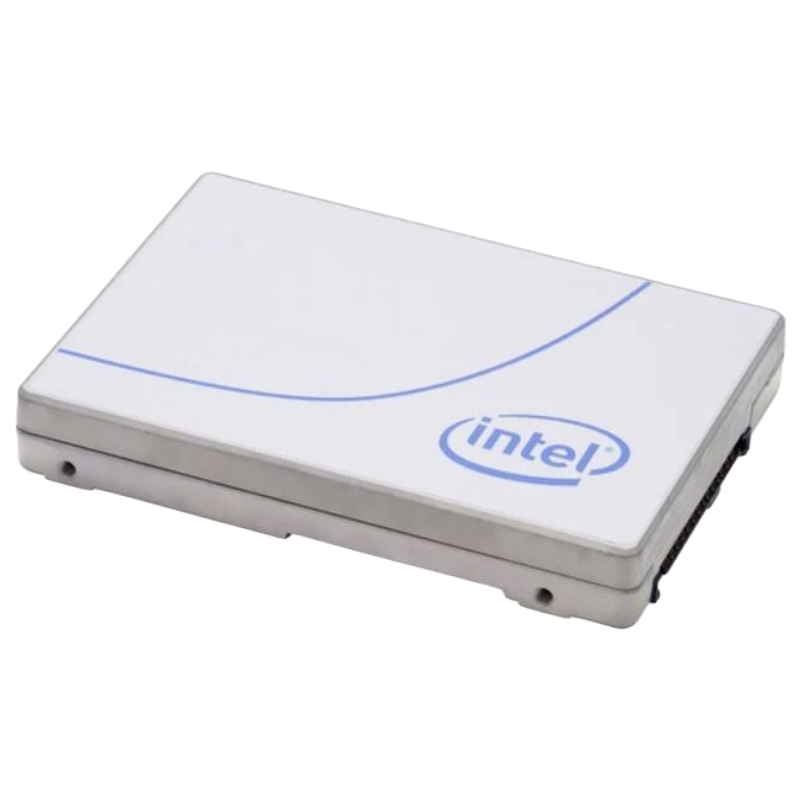


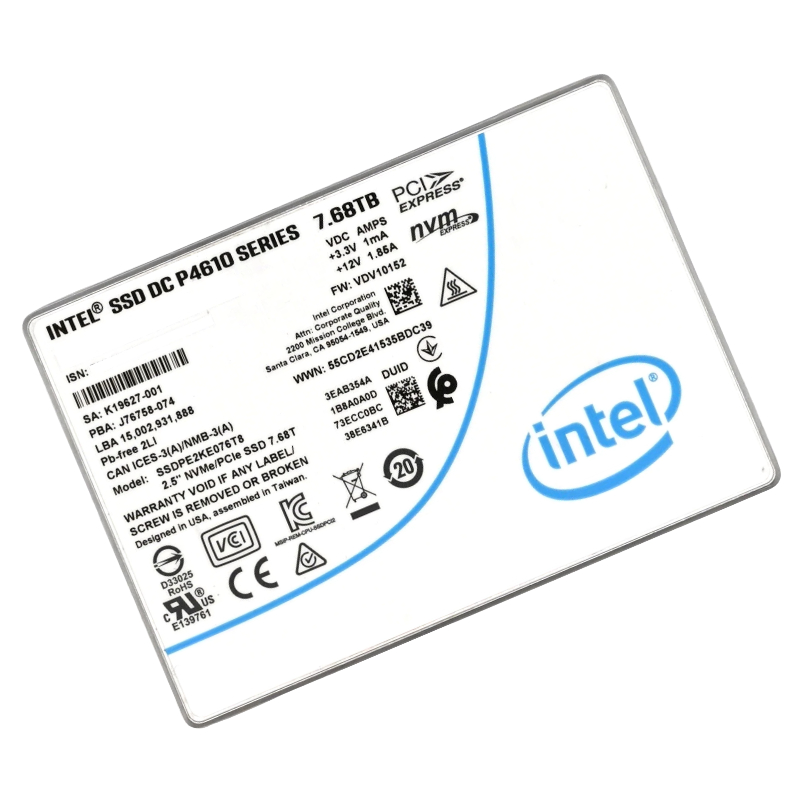
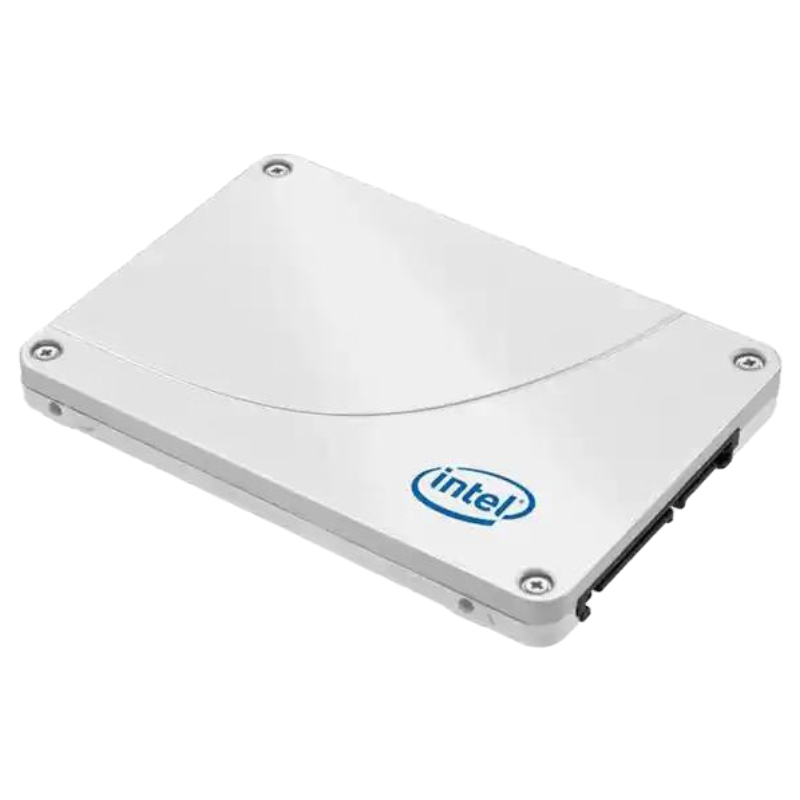
Intel SSDPE2KE076T801 7.68TB PCI-E NVMe TLC SSD. Factory-Sealed New in Original Box (FSB) with 3 Years Warranty
The Intel SSDPE2KE076T801 7.68TB PCI-E NVMe TLC SSD represents a pinnacle of enterprise-class solid-state storage innovation, delivering exceptional speed, endurance, and reliability tailored for data-intensive workloads. Engineered to meet the evolving needs of data centers, this Intel NVMe SSD utilizes advanced PCI Express technology to ensure ultra-fast communication between the storage drive and server architecture. With its 7.68TB massive capacity, it enables enterprises to store, process, and access large datasets efficiently without compromising latency or performance stability.
Built around Intel’s cutting-edge 3D TLC NAND flash technology, the Intel SSDPE2KE076T801 delivers a balance of high performance and endurance that is ideal for read-intensive and mixed-use workloads. From virtualization environments to large-scale analytics systems, this SSD supports seamless scalability and optimal throughput. By leveraging PCIe Gen3 x4 interface and NVMe protocol, the SSD achieves superior read and write speeds compared to traditional SATA-based drives, ensuring maximum bandwidth utilization and reduced input/output bottlenecks across diverse applications.
One of the key attributes that define the Intel SSDPE2KE076T801 7.68TB PCI-E NVMe TLC SSD is its NVMe architecture, designed explicitly for high-performance flash storage. NVMe eliminates legacy storage command stacks, providing a streamlined, efficient, and parallelized approach to data handling. This results in significantly reduced latency, higher queue depths, and faster response times. The PCIe Gen3 x4 interface enhances this advantage by allowing multiple lanes of data transmission, ensuring sustained throughput even during peak demand.
Intel’s focus on PCIe technology enables this SSD to outperform conventional SAS and SATA drives, providing data centers with accelerated access to mission-critical data. The direct connection between the CPU and storage eliminates intermediate controllers, offering lower overhead and consistent IOPS performance across all workloads. This makes the Intel SSDPE2KE076T801 particularly well-suited for environments requiring rapid response and continuous data availability, such as database management systems, e-commerce platforms, and high-performance computing clusters.
With a vast 7.68TB storage capacity, the Intel SSDPE2KE076T801 provides businesses with an ideal solution for consolidating multiple workloads into fewer drives. This capacity level supports efficient data aggregation, significantly reducing the physical footprint required in rack-mounted server configurations. It not only minimizes storage infrastructure complexity but also optimizes power usage and cooling demands, contributing to reduced total cost of ownership (TCO) for enterprises.
In modern digital infrastructures where large-scale datasets dominate, the Intel 7.68TB NVMe SSD offers exceptional storage density without compromising performance. It allows organizations to accommodate high-volume transactional data, large multimedia files, virtual machine images, and backup archives. For virtualized and cloud-centric environments, this SSD’s capacity empowers IT administrators to allocate larger virtual drives, streamline resource distribution, and maintain consistent workload responsiveness.
The Intel SSDPE2KE076T801 employs Intel’s third-generation 3D TLC NAND flash, which enhances data endurance, performance consistency, and overall drive reliability. Compared to traditional planar NAND, 3D TLC technology stacks multiple memory layers vertically, increasing storage density while minimizing die footprint. This architectural enhancement results in improved efficiency, reduced power draw, and extended product lifespan, aligning perfectly with the rigorous demands of modern enterprise environments.
The 3D TLC NAND also contributes to improved write amplification management, ensuring that the SSD sustains stable performance over prolonged periods of heavy usage. By optimizing error correction, wear leveling, and over-provisioning algorithms, Intel guarantees high data integrity and consistent throughput even in mission-critical operations. This makes the Intel SSDPE2KE076T801 a dependable choice for enterprises that cannot afford downtime or data degradation.
Endurance is a defining factor for enterprise-grade SSDs, and the Intel SSDPE2KE076T801 excels in this aspect. Built to sustain petabytes of data writes over its lifetime, it provides outstanding durability for workloads involving continuous data updates, logging, and caching. The drive’s endurance rating allows it to handle demanding applications such as online transaction processing (OLTP), virtualization, and real-time analytics without degradation in performance or stability.
Intel’s rigorous validation and quality assurance processes ensure that this SSD meets the most stringent reliability standards. With features such as end-to-end data protection, advanced ECC (Error Correction Code), and firmware-level safeguards, data integrity is maintained from the moment it is written to the moment it is read. The drive’s power-loss protection mechanisms prevent data corruption in case of unexpected power interruptions, ensuring mission-critical data remains secure and recoverable.
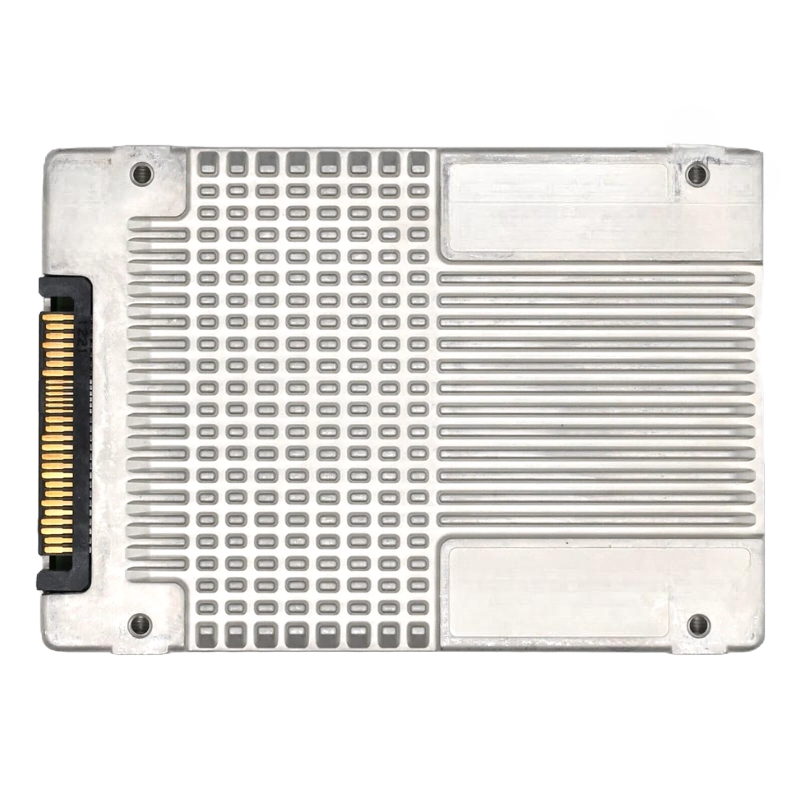
In high-density server configurations, thermal efficiency plays a critical role in sustaining performance. The Intel SSDPE2KE076T801 incorporates a carefully engineered thermal management system that dissipates heat effectively, maintaining optimal operating temperatures even under continuous load. The design minimizes throttling events, ensuring consistent data transfer rates and maximizing uptime for data center deployments.
Furthermore, Intel has optimized the power consumption profile of this SSD to achieve energy-efficient operation without sacrificing speed. The low idle power draw combined with intelligent active state management reduces overall energy costs and enhances cooling efficiency within the system. This power-to-performance optimization makes the Intel SSDPE2KE076T801 ideal for organizations looking to meet environmental sustainability goals while maintaining operational excellence.
The Intel SSDPE2KE076T801 offers comprehensive end-to-end data path protection, ensuring that data remains uncorrupted as it travels through the drive’s various internal components. From the host interface to the NAND flash cells, every step of the data transfer process is safeguarded using advanced parity checks and error correction codes. This layer of protection not only prevents silent data corruption but also improves long-term reliability, making the SSD suitable for applications demanding absolute data accuracy.
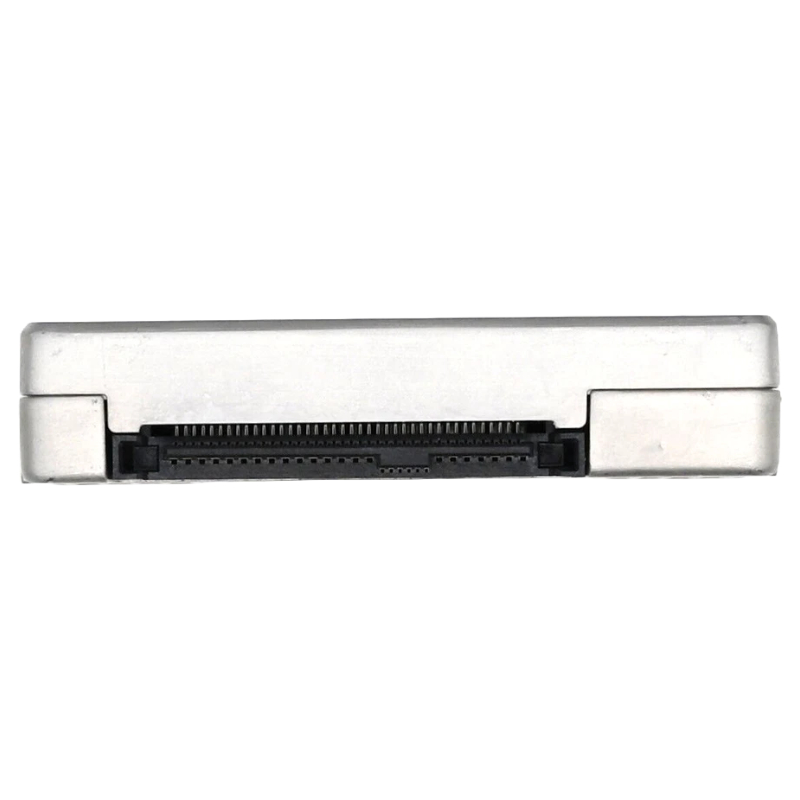
Designed for seamless integration into enterprise server infrastructures, the Intel SSDPE2KE076T801 7.68TB PCI-E NVMe TLC SSD supports a wide range of platforms and operating systems. It is fully compatible with modern server environments, including those based on Intel Xeon processors and advanced PCIe architectures. Its U.2 form factor simplifies installation within 2.5-inch drive bays, allowing easy scalability across data center deployments.
Data centers require storage devices that deliver predictable performance and minimal latency under continuous workloads. The Intel SSDPE2KE076T801 fulfills these requirements through optimized firmware algorithms that balance read and write operations for mixed-use applications. The SSD’s design prioritizes consistent IOPS delivery, ensuring that mission-critical applications experience uniform responsiveness even during high I/O demand.
This makes the Intel SSDPE2KE076T801 a preferred choice for applications such as virtual desktop infrastructure (VDI), database acceleration, content delivery networks (CDN), and cloud hosting. Its robust endurance characteristics and sustained throughput help organizations maintain stable operations while maximizing return on investment.
Enterprises dealing with rapid data expansion require scalable storage solutions that adapt to evolving workloads. The Intel SSDPE2KE076T801 offers scalability both in capacity and performance. Whether used as a single-drive solution for high-speed caching or as part of a larger NVMe storage pool, it delivers linear scalability with minimal configuration overhead. This enables data centers to expand capacity and throughput seamlessly as organizational data demands increase.
The drive’s architecture supports various workload types, from read-intensive operations such as analytics and reporting to mixed-use workloads involving real-time transactions. The SSD’s low-latency response and consistent throughput make it equally adept at handling sequential and random I/O patterns, which are critical for maintaining performance across diverse enterprise applications.
Latency reduction is crucial for time-sensitive applications. The Intel SSDPE2KE076T801 leverages the NVMe protocol’s parallelism and efficient command set to deliver ultra-low latency, enabling near-instantaneous data access. Consistent response times ensure smooth system performance, preventing bottlenecks during critical business operations. Whether used for AI model training or high-frequency trading, the drive’s rapid response ensures minimal delay between input and output cycles.


 Contact Us
 Information
 Catalog
 Solid State Drives (SSD)
 Network Switches
 Hard Disk Drives
 HBA & Controllers
 PC & Servers
 PC & Server Memory
 CPU & Processors
 Network Routers
 Power Supplies
 Tape Drives & Libraries
 Network Devices
 Computer & Network Cables