(7% discount is applied at checkout)
Cart is empty
Your go-to destination for cutting-edge server products
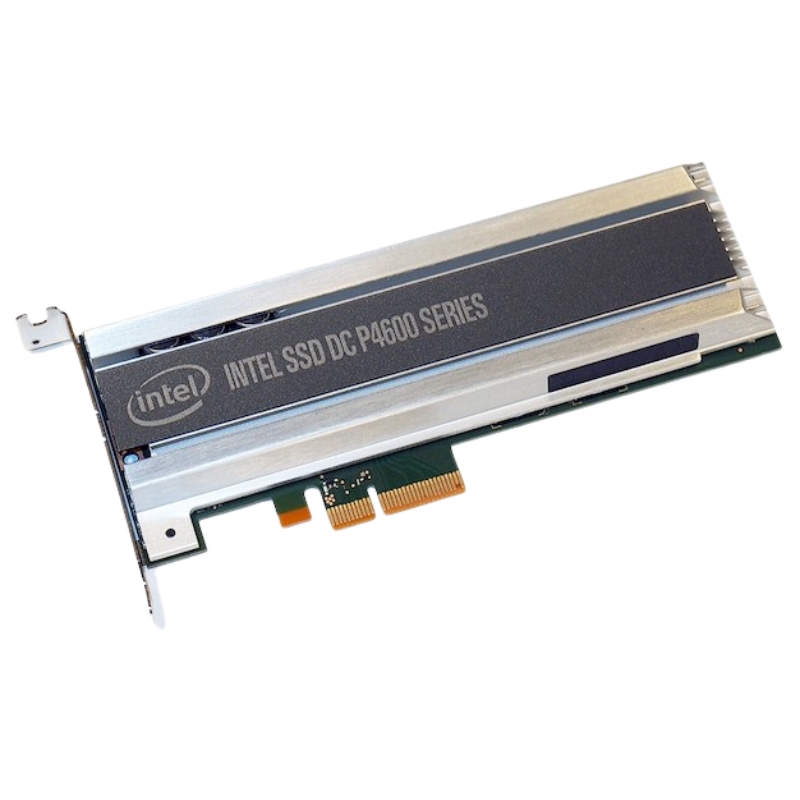


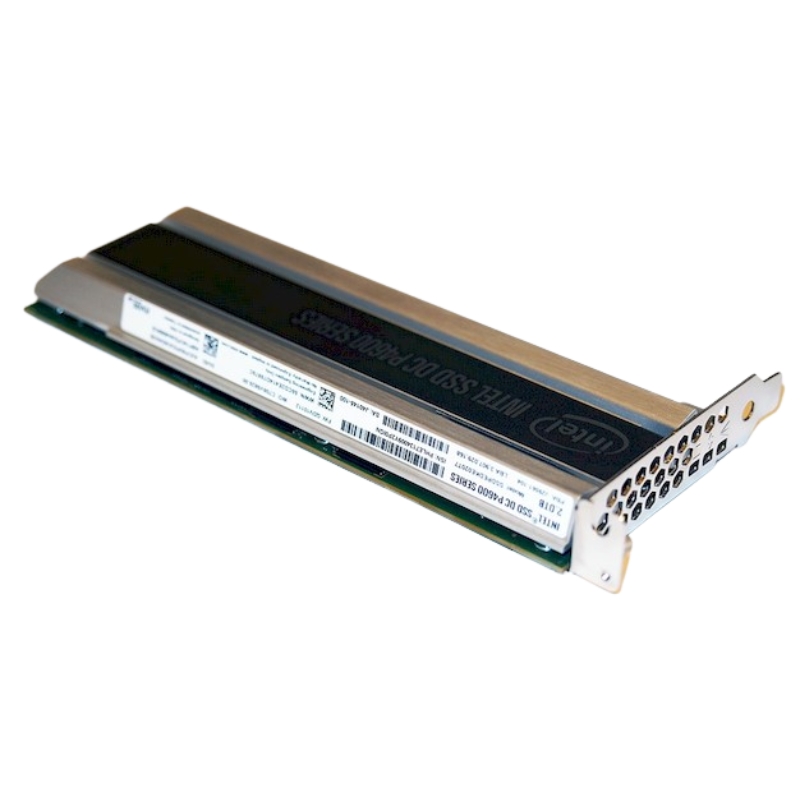
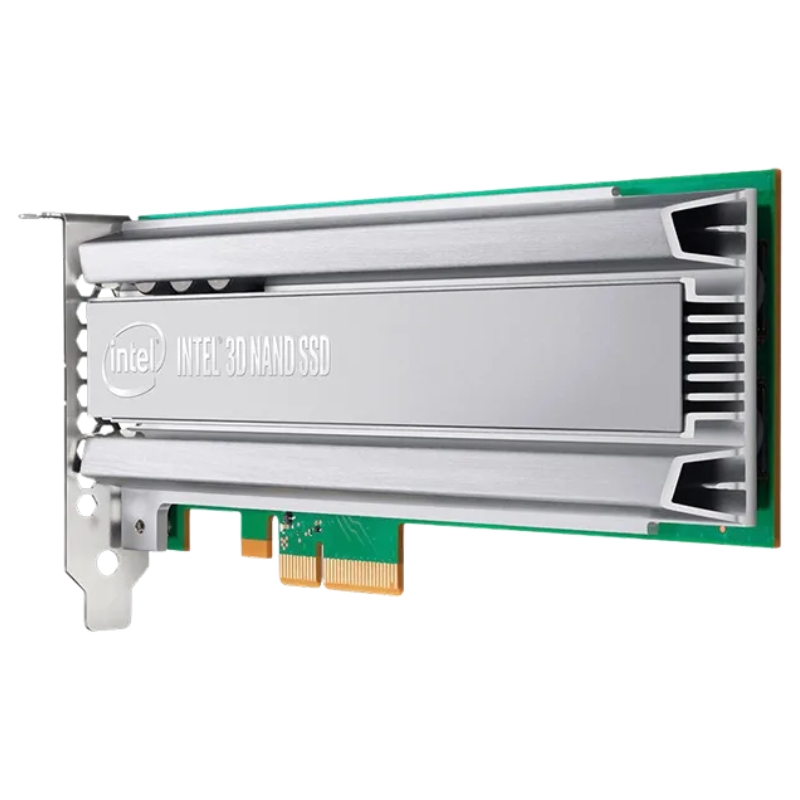
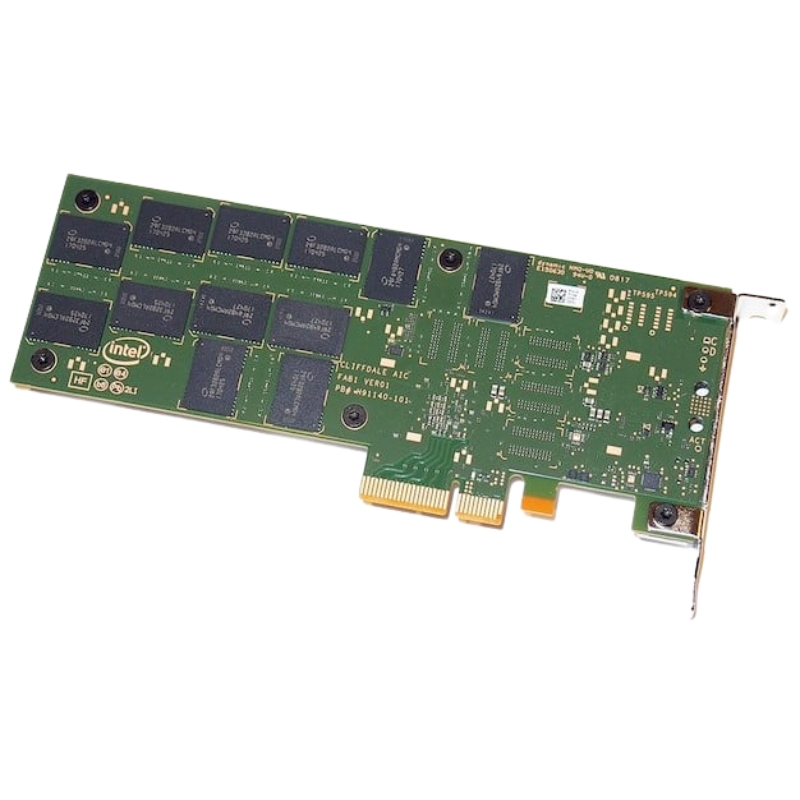
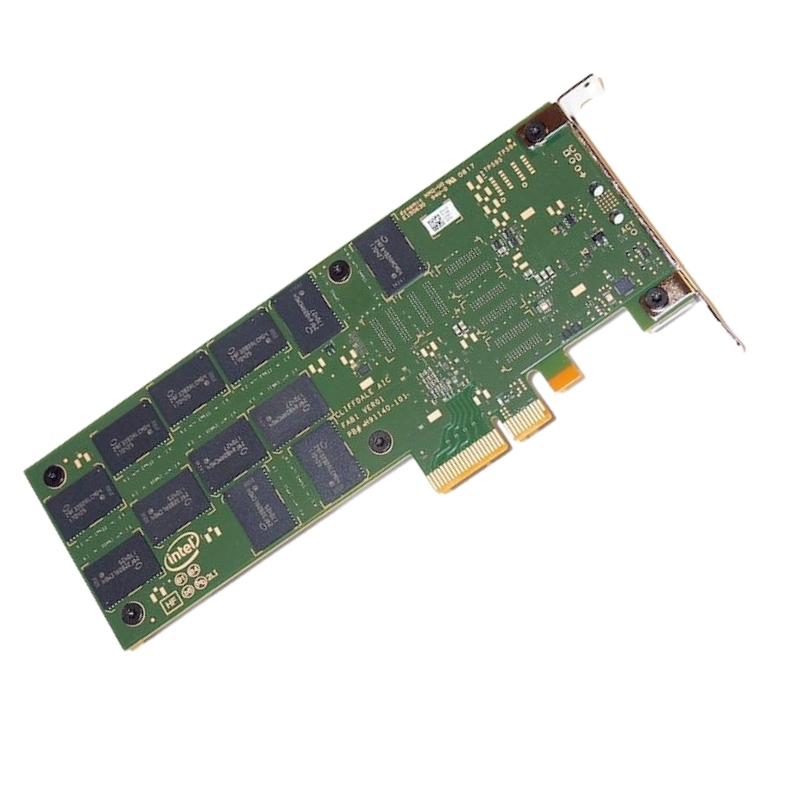
Intel SSDPEDKE020T7T DC P4600 2TB PCIe Card (HHHL) PCIE 3.1 X4 (NVME) TLC Enterprise Internal SSD. Excellent Refurbished with 1-Year Replacement Warranty - Dell Version
The Intel SSDPEDKE020T7T DC P4600 2TB PCIe 3.1 x4 TLC SSD is a high-performance enterprise-grade solid state drive designed to deliver exceptional speed, endurance, and reliability for demanding data center applications.
The Intel SSDPEDKE020T7T DC P4600 2TB PCIe Card represents a high-performance enterprise solid state drive category engineered for modern data centers that demand predictable latency, sustained throughput, and consistent quality of service. Built on the PCI Express 3.1 x4 interface and leveraging the NVMe protocol, this class of storage devices is designed to eliminate the bottlenecks traditionally associated with legacy SATA and SAS storage solutions. As part of Intel’s DC P4600 family, this HHHL PCIe add-in card form factor targets environments where performance density, reliability, and workload scalability are critical operational requirements.
This enterprise internal SSD category is positioned for read-intensive and mixed-use workloads where large volumes of structured and unstructured data must be processed with minimal delay. NVMe-based PCIe cards such as this one communicate directly with the CPU through high-bandwidth lanes, drastically reducing command overhead and enabling parallel processing of thousands of I/O queues. The result is a storage architecture that aligns closely with modern multi-core server designs, virtualization platforms, and cloud-native application stacks.
The Non-Volatile Memory Express protocol was created specifically for flash memory and high-speed PCIe connectivity, and it forms the backbone of this enterprise SSD category. Unlike older storage protocols that were adapted from mechanical disk designs, NVMe minimizes latency by streamlining command paths and enabling deep queue depths. In the Intel DC P4600 class, this translates into consistent low-latency access even under heavy concurrent workloads, making it suitable for databases, analytics engines, and real-time transaction processing systems.
PCIe 3.1 x4 connectivity allows this category of SSDs to deliver multi-gigabyte per second throughput, supporting data-intensive operations such as large-scale virtualization, container orchestration, and distributed file systems. The HHHL add-in card form factor further enhances performance stability by providing dedicated airflow and power delivery, which is especially valuable in dense server environments.
Enterprise PCIe NVMe cards like the Intel SSDPEDKE020T7T influence how data center architects design storage tiers. Instead of relying on multiple layers of caching and RAID controllers, organizations can deploy these SSDs closer to compute resources, reducing latency and simplifying infrastructure. This category supports direct integration into application servers, hyper-converged platforms, and software-defined storage clusters, enabling flexible scaling strategies without sacrificing performance.
The 2TB capacity offered by this Intel DC P4600 category is built using Triple-Level Cell NAND technology, optimized specifically for enterprise workloads. While TLC NAND stores more data per cell compared to MLC or SLC, Intel’s enterprise-grade firmware, controller design, and error correction mechanisms ensure that endurance and reliability remain within acceptable thresholds for data center deployment. This balance between capacity, cost efficiency, and performance makes this SSD category suitable for large-scale deployments where total cost of ownership is a key consideration.
TLC NAND in this category is paired with advanced wear leveling algorithms and over-provisioning strategies that help maintain consistent performance over the lifespan of the drive. This is particularly important in environments with sustained write activity, where predictable behavior is essential for maintaining service level agreements and application responsiveness.
Although primarily positioned for read-intensive workloads, the Intel DC P4600 2TB PCIe card category supports mixed-use scenarios through intelligent write management. The firmware dynamically balances write amplification and garbage collection, ensuring that performance degradation over time is minimized. This makes the category viable for applications such as content delivery networks, virtualization clusters, and big data analytics platforms that require both high read throughput and moderate write capability.
One of the defining attributes of this enterprise SSD category is its emphasis on quality of service. Consistent latency and throughput are critical in multi-tenant environments where unpredictable storage behavior can cascade into application slowdowns. The Intel DC P4600 series is engineered to deliver stable performance even when the drive approaches higher utilization levels, helping maintain predictable application response times.
The Half Height Half Length PCIe card form factor distinguishes this category from traditional 2.5-inch U.2 or U.3 NVMe drives. By integrating directly into a PCIe slot, the Intel SSDPEDKE020T7T benefits from improved thermal characteristics and reduced signal loss. This design is particularly advantageous in enterprise servers that prioritize expansion card-based storage for performance-critical workloads.
The HHHL form factor also simplifies deployment in systems that may not have sufficient front-accessible NVMe bays. Data center operators can leverage available PCIe slots to expand storage capacity and performance without reconfiguring chassis layouts or backplanes.
Thermal stability plays a crucial role in sustaining high performance in enterprise SSDs. The PCIe card design of this category allows for more effective heat dissipation compared to compact drive enclosures. Adequate airflow across the card ensures that the controller and NAND components operate within optimal temperature ranges, reducing the risk of thermal throttling and extending component longevity.
This category of Intel PCIe NVMe SSDs is validated for use in a wide range of enterprise server platforms. Compatibility with industry-standard PCIe slots and NVMe drivers ensures seamless integration with popular operating systems, hypervisors, and container platforms. This broad compatibility reduces deployment complexity and supports rapid scaling in dynamic data center environments.
The PCIe 3.1 x4 interface defines the performance envelope of this enterprise SSD category. With four dedicated lanes of PCI Express bandwidth, the Intel DC P4600 2TB card is capable of delivering high sequential and random I/O performance that far exceeds that of SATA or SAS-based SSDs. This capability is essential for applications that process large datasets, perform frequent index lookups, or require rapid access to transactional data.
By utilizing PCIe 3.1, this category maintains compatibility with a wide range of existing server infrastructures while still providing a substantial performance uplift. Organizations can modernize their storage subsystems without requiring a complete platform overhaul, making this SSD category a practical choice for incremental upgrades.
Low latency is a defining benefit of PCIe NVMe SSDs, and the Intel SSDPEDKE020T7T category exemplifies this advantage. Direct CPU access and parallel command processing reduce wait times for I/O operations, enabling faster application response. This is particularly beneficial in environments running latency-sensitive workloads such as online transaction processing, financial analytics, and real-time data streaming.
When deployed in systems with multiple PCIe NVMe cards, this category supports horizontal scaling of storage performance. Software-defined storage solutions can aggregate multiple drives to create high-performance pools, delivering increased throughput and redundancy. The consistent behavior of the Intel DC P4600 series simplifies capacity planning and performance tuning in such configurations.
Enterprise SSD categories are distinguished not only by raw performance but also by the robustness of their firmware and data protection mechanisms. The Intel SSDPEDKE020T7T incorporates advanced firmware features designed to safeguard data integrity and ensure reliable operation under demanding conditions. These features include end-to-end data protection, power loss protection mechanisms, and comprehensive error correction.
Power loss protection is particularly critical in enterprise environments, where unexpected outages can lead to data corruption. This category integrates capacitive elements that allow in-flight data to be safely written to non-volatile memory during a power interruption, preserving data consistency and system stability.
Advanced error correction algorithms are embedded within this SSD category to detect and correct data errors before they impact applications. This level of protection is essential for maintaining data accuracy in mission-critical systems such as databases, virtual machine storage, and enterprise analytics platforms.
The firmware in the Intel DC P4600 category is tuned to deliver predictable performance across a wide range of workloads. Intelligent scheduling and background management tasks are designed to minimize performance variability, ensuring that foreground I/O operations receive priority even during maintenance activities such as garbage collection.
The Intel SSDPEDKE020T7T DC P4600 2TB PCIe NVMe card category is well suited to a diverse set of enterprise use cases. In virtualization environments, it provides the I/O performance needed to support high virtual machine densities without contention. In database deployments, it accelerates query execution and transaction processing, improving overall system responsiveness.
Content delivery networks and media streaming platforms also benefit from this category’s high read throughput and low latency characteristics. The ability to serve large volumes of content quickly and reliably enhances user experience and reduces backend processing overhead.
Cloud infrastructure providers and organizations adopting private cloud architectures can leverage this SSD category to build high-performance storage layers. Integration with software-defined storage frameworks allows for flexible resource allocation, automated scaling, and improved fault tolerance. The Intel DC P4600 series aligns with these architectures by offering consistent performance and enterprise-grade reliability.
Data analytics and artificial intelligence workloads often involve processing massive datasets with high I/O demands. The PCIe NVMe performance characteristics of this category enable faster data ingestion and analysis, reducing time to insight. By minimizing storage-related bottlenecks, organizations can maximize the efficiency of their compute resources and accelerate innovation.


 Contact Us
 Information
 Catalog
 Solid State Drives (SSD)
 Network Switches
 Hard Disk Drives
 HBA & Controllers
 PC & Servers
 PC & Server Memory
 CPU & Processors
 Network Routers
 Power Supplies
 Tape Drives & Libraries
 Network Devices
 Computer & Network Cables