(7% discount is applied at checkout)
Cart is empty
Your go-to destination for cutting-edge server products


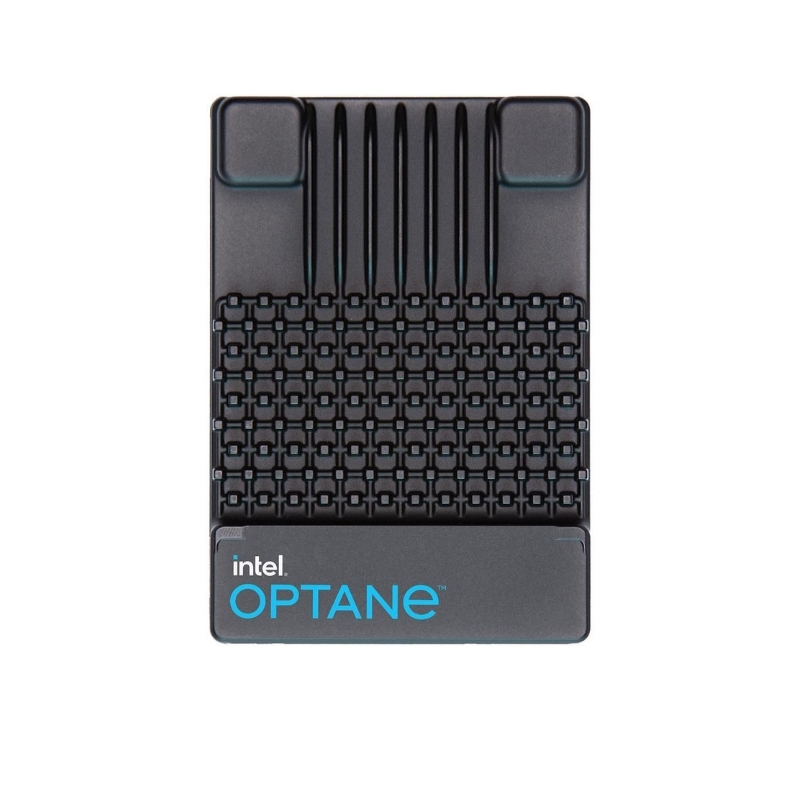
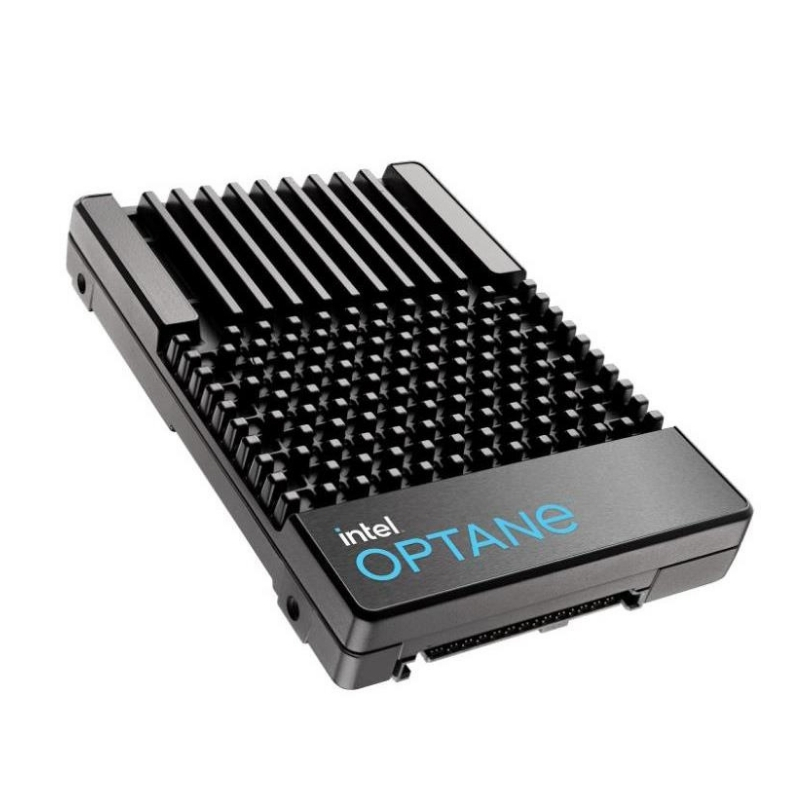
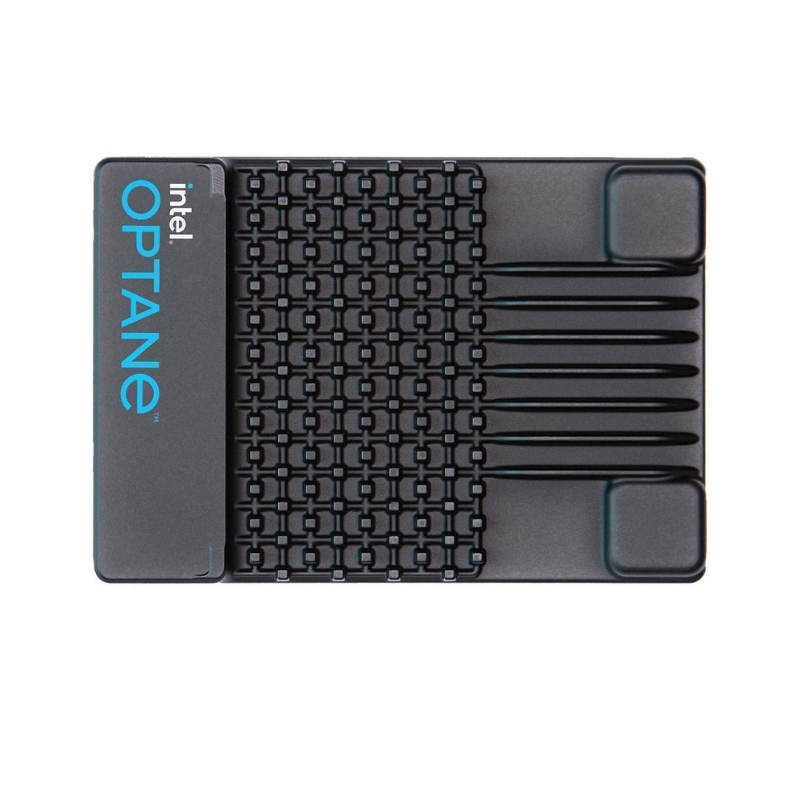
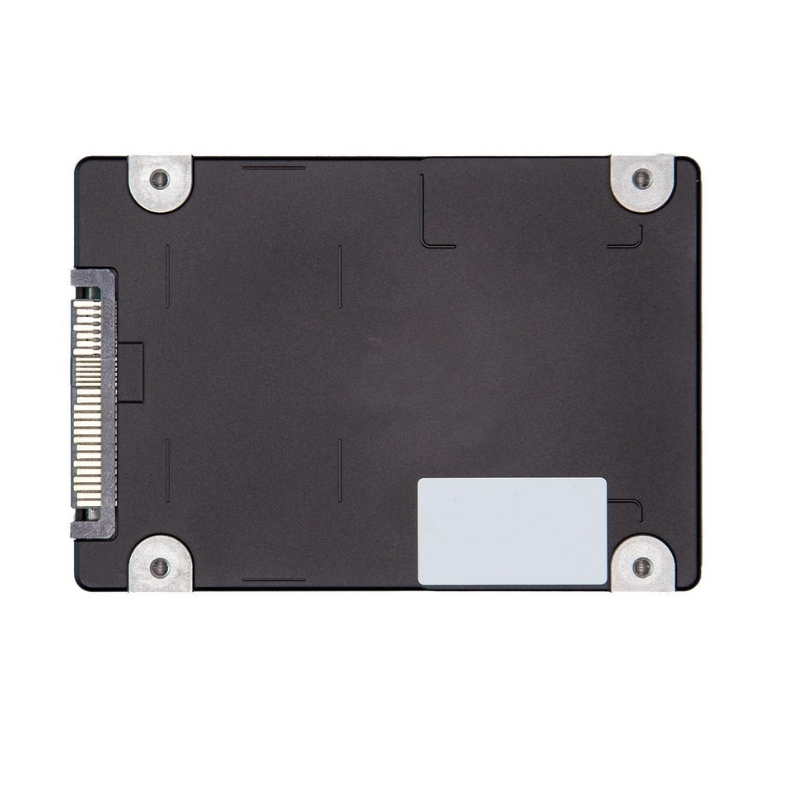
Intel SSDPF21Q400GBT Optane DC P5800x Series 400GB PCI Express 4.0 NVME 2.5inch 3d Xpoint Internal SSD. New Sealed in Box (NIB) with 3 Years Warranty- Dell Version
The Intel Optane DC P5800x Series SSDPF21Q400GBT is a high-performance internal solid-state drive engineered for enterprise-grade storage solutions. Delivering exceptional speed, reliability, and endurance, this 400GB PCI Express 4.0 NVMe drive is ideal for data-intensive applications and mission-critical workloads.
The Intel SSDPF21Q400GBT belongs to the Intel Optane DC P5800X Series, a class‑leading, datacenter‑grade internal SSD built on Intel’s second‑generation 3D XPoint memory media. In this category, you find storage solutions tailored for the most demanding, latency‑sensitive workloads such as high‑performance computing (HPC), financial services, AI inference, and transaction processing where consistent ultra‑low latency, high endurance, and enterprise reliability are not optional but imperative.
At the heart of the P5800X Series is 3D XPoint™ memory, not traditional NAND flash. This non‑volatile memory technology delivers exceptional endurance, byte-addressability, and far lower latency compared to NAND. Because it can perform in-place updates without the erase cycles required by NAND, it minimizes latency spikes and avoids many of the performance cliffs that occur in flash SSDs.
The P5800X drives use a custom Intel LNBF controller paired with a PCIe 4.0 x4 interface and NVMe 1.x protocol. This modern interconnect allows full exploitation of the 3D XPoint media’s performance characteristics. Thanks to PCIe Gen 4, the drive can deliver up to ~7.2 GB/s sequential read and ~4.8 GB/s sequential write as specified by Intel.
Engineered for demanding workloads, the Intel Optane DC P5800x ensures consistent performance and data integrity across heavy-use environments. Its robust error correction, high endurance, and ultra-low latency make it a dependable choice for servers, cloud infrastructure, and storage arrays.
With a Mean Time Between Failures (MTBF) of 2,000,000 hours (≈ 228 years), an uncorrectable bit error rate (UBER) below 1 sector per 10¹⁷ bits read, the reliability profile of the P5800X meets the high standards expected in enterprise environments.
In active operation, this drive typically draws around 14 W, while idle power drops to approximately 3.8 W. This power profile reflects a tradeoff: high performance at the cost of somewhat elevated power use, but it's well managed and designed for datacenter power-and-cooling environments.
In virtualized environments, the P5800X can serve as a backend storage for performance‑sensitive VMs, container hosts, or a hypervisor's system volume. Its low latency and consistent QoS make it well-suited to host virtual machines that need ultra-fast low‑queue IO, such as network appliances, database VMs, or infrastructure services.
Unlike NAND‑flash NVMe SSDs, which rely on charge storage and require garbage collection, the 3D XPoint media used by Optane enables byte‑addressable writes and more deterministic performance. The result is massively higher endurance, lower latency, and far greater performance consistency under sustained loads.
While DRAM still offers lower latency than Optane, DRAM lacks persistence. Optane bridges the gap by offering near-DRAM-level latency with non‑volatility, making it an attractive choice for systems that need low latency along with persistence — for example in caching layers or non‑volatile buffer pools.
The P5800X (second-gen) improves significantly over the predecessor (e.g., P4800X) thanks to PCIe 4.0 interface (vs PCIe 3.0), better controller parallelism, and more efficient media packaging. These combine to deliver higher sequential throughput and more consistent low-latency behavior.
To fully leverage the performance of this SSD, ensure that the host system supports PCIe 4.0 and NVMe. Though backward compatibility with PCIe 3.0 is feasible, performance will be limited by the lower bandwidth. System firmware (BIOS/UEFI) and NVMe controller drivers must be up-to-date to maximize compatibility.
Though the P5800X is highly reliable and protected against power loss, it should not be considered a substitute for backup. Incorporating standard backup strategies, RAID (where appropriate), or replication is still necessary for critical data.
While the 400 GB version may not offer the absolute highest sequential writes of its bigger siblings, it still delivers exceptionally fast read/write speeds. For enterprises optimizing for cost per IOPS and endurance, this may offer a favorable balance. On the other hand, deployments that prioritize raw capacity might benefit from evaluating the tradeoffs carefully.


 Contact Us
 Information
 Catalog
 Solid State Drives (SSD)
 Network Switches
 Hard Disk Drives
 HBA & Controllers
 PC & Servers
 PC & Server Memory
 CPU & Processors
 Network Routers
 Power Supplies
 Tape Drives & Libraries
 Network Devices
 Computer & Network Cables