(7% discount is applied at checkout)
Cart is empty
Your go-to destination for cutting-edge server products
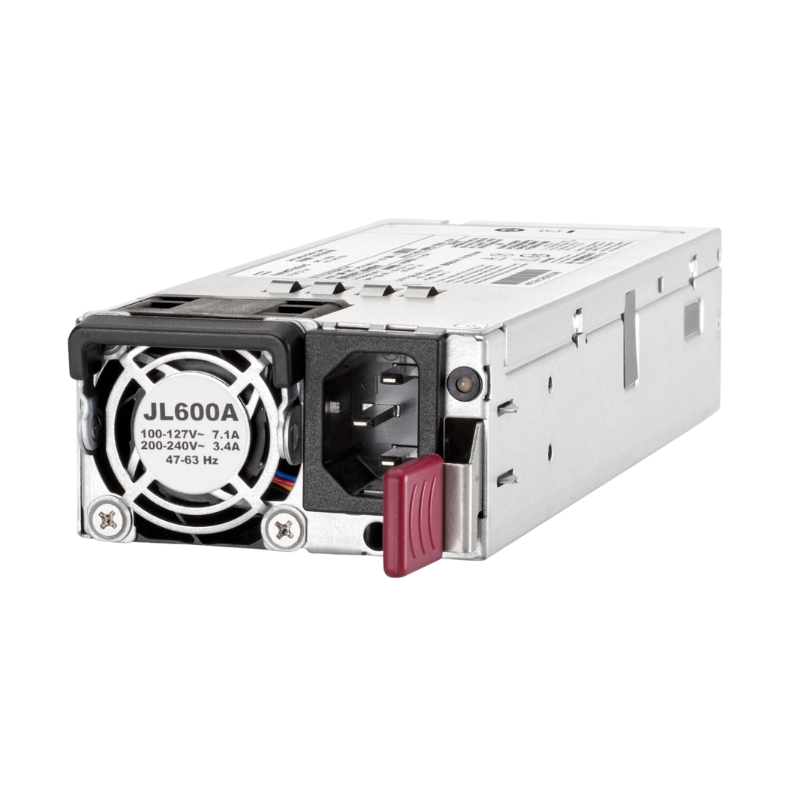


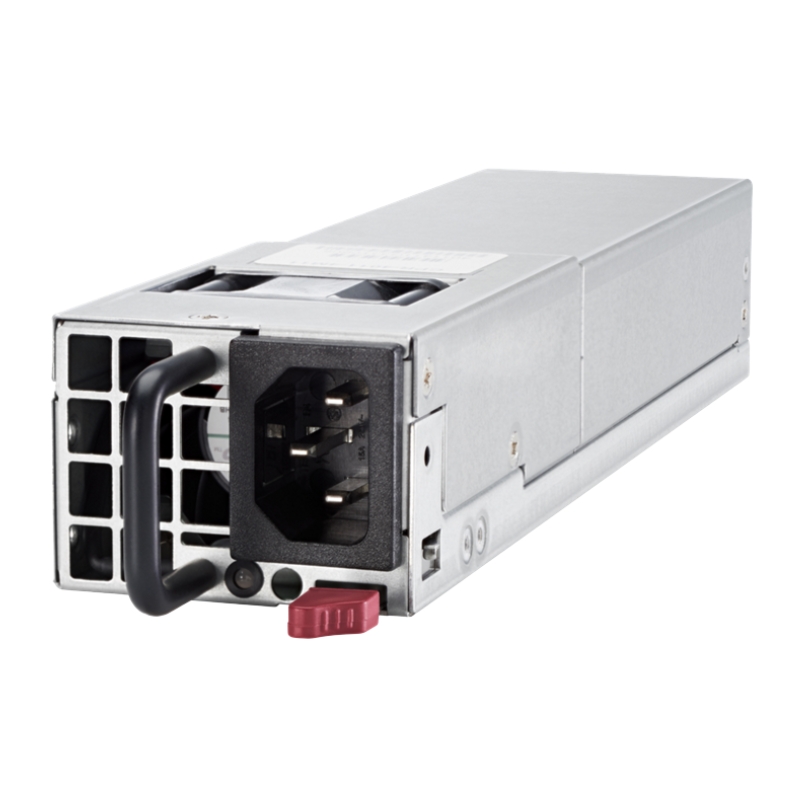
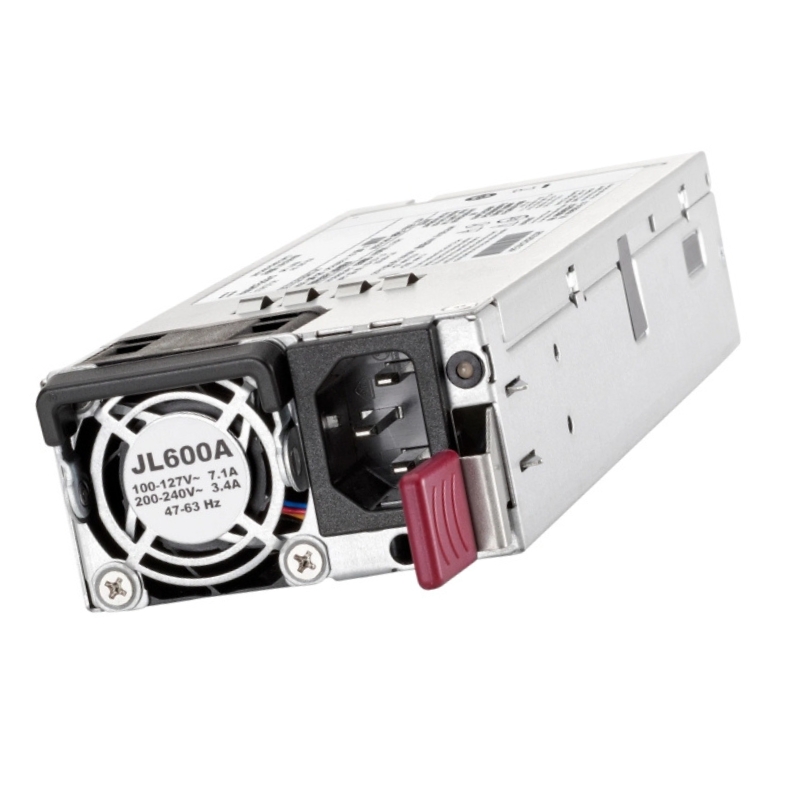
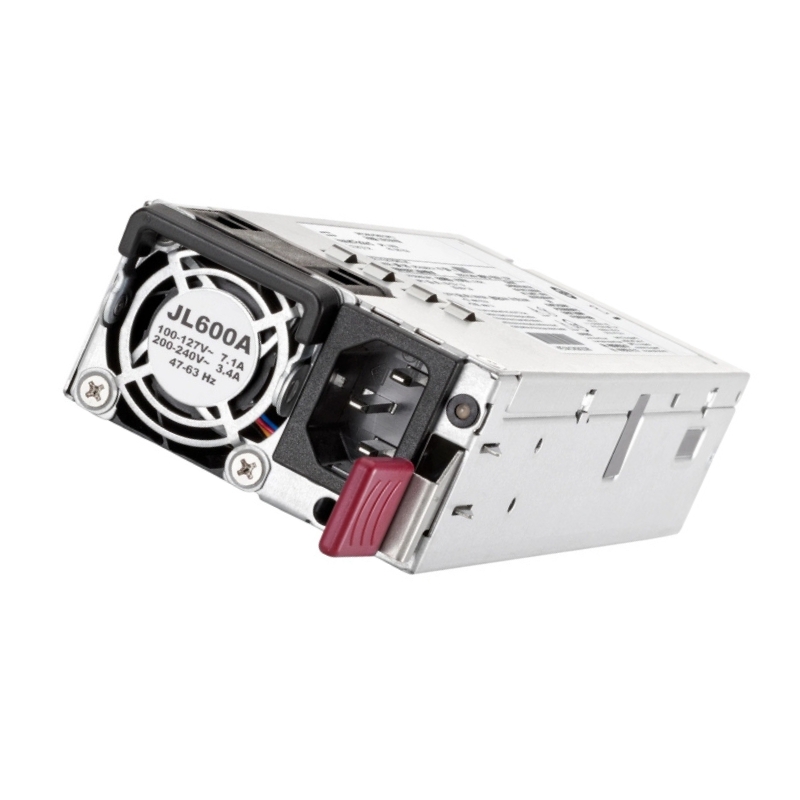
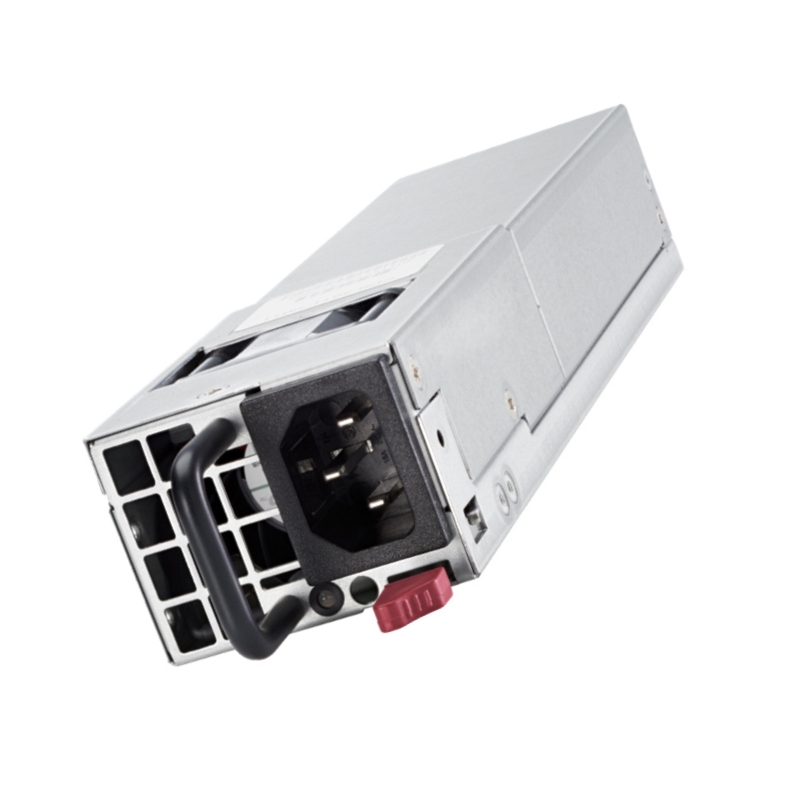
HPE JL600A Aruba X391 550 Watt Power Supply Hot Plug Redundant. Excellent Refurbished with 1 year replacement warranty
The HPE JL600A Aruba X391 ensures robust, redundant power delivery to enterprise-class network switches. Designed for operational continuity and minimal downtime, this 550W hot-swappable power module supports critical networking environments.
This category covers replacement, spare, and redundant power supplies designed for HPE / Aruba network equipment — specifically the HPE JL600A Aruba X391 550 Watt power supply modules that support hot-plug, hot-swap and redundant power architectures. Pages in this section are written for IT managers, datacenter operators, network engineers, and technicians who need reliable, rack-grade power modules to maintain uptime, provide graceful redundancy, and simplify field serviceability. Keywords include HPE JL600A, Aruba X391 550 Watt power supply, hot plug power supply, redundant PSU, replacement power supply Aruba, and related long-tail phrases used by buyers researching parts, spares, and compatibility.
Hot-plug or hot-swap describes the ability to remove and install the power supply module while the switch remains live and servicing network traffic. For mission-critical switches like those in the Aruba X391 family, this capability allows technicians to replace a defective module without scheduled downtime, preserving active sessions, routing, and forwarding functions. This category highlights power supplies that are engineered to be inserted and removed from a live chassis safely, often guided by LEDs and mechanical retention systems.
Redundant power architectures ensure that two or more power supplies share the load or stand by to take over in the event of failure. Products in this category are typically used in N+1 or N+N configurations. N+1 provides one spare for every N modules required to run the device; N+N offers duplicated capacity for higher availability. Redundant power supplies for Aruba X391 switches are designed to balance load, carry surge, and trigger alarms if one module fails — all while the other module(s) continue to supply power seamlessly.
Redundancy reduces single points of failure, shortens mean time to repair (MTTR), and supports service level agreements (SLAs) for enterprises and service providers. In practical terms, a failed power supply in a redundant setup will trigger an alert but not interrupt network services. This section addresses the common deployment patterns and the specific advantages of choosing a certified HPE JL600A or compatible module for Aruba X391 class hardware.
The defining capacity for this product line is the 550 Watt output. Buyers and specifiers should expect a stable DC output tailored for the switch’s internal power bus, thermal protection, and power factor correction to maximize efficiency under varying loads. Robust design practices minimize ripple, support continuous operation under sustained loads, and include protections for overcurrent, overvoltage, and short circuits.
These modules are engineered to match the physical bay, lock, and connector layout used by Aruba X391 series appliances. The mechanical form factor emphasizes tool-less installation: retention clips, eject levers, and keyed connectors help ensure that only compatible modules seat properly and that field replacement is straightforward and repeatable.
On-board LEDs provide status feedback such as Power OK, FAIL, and AC present. Advanced modules can report diagnostics to the switch’s management plane, making it easier to identify failing modules before catastrophic failure. This category explains how to read indicator patterns and how status reporting integrates with Aruba’s management tools.
Power supplies are major contributors to a switch’s thermal profile. Expect designs that cater to consistent airflow within typical rack installations and acoustic levels suited for datacenter use. Choosing a genuine or well-matched replacement helps preserve the manufacturer-specified thermal envelope and prevents increased fan speed or unexpected thermal throttling.
This category focuses on HPE / Aruba X391 family switches and routers where the JL600A part number is the OEM reference. Many pages describe compatible chassis and models, guide readers on cross-reference part numbers, and explain how to confirm compatibility via labels, part numbers, and device documentation. Always verify fitment against the chassis part number and the replacement part’s OEM listing.
Third-party aftermarket modules claim compatibility with HPE Aruba devices; however, differences in thermal design, firmware interlocks, or connector pinouts can affect behavior. This category discusses what to look for in compatible parts, including verified cross references, manufacturer endorsements, and compliance with safety certifications. It also points out risks and benefits of OEM vs. aftermarket procurement.
The HPE JL600A Aruba X391 550 Watt Power Supply represents a critical class of enterprise network infrastructure components: hot-pluggable, redundant power modules designed to keep mission-critical Aruba switches and chassis running without interruption. This category covers genuine HPE/Aruba JL600A units, OEM-equivalent replacements, compatible third-party modules tested for safety and performance, and accessory components such as power cords, mounting brackets, and status-monitoring cables. Whether you’re procuring a single spare for a remote site, building fault-tolerant data center stacks, or establishing a parts inventory for managed service operations, this description helps you understand form factor, electrical specifications, compatibility matrices, redundancy architectures, installation best practices, testing and diagnostics, and lifecycle management strategies.
Enterprise-grade networking demands continuous uptime. The JL600A's hot-plug capability allows service technicians to remove and replace power modules while the system remains powered — eliminating planned downtime for simple power module swaps. Redundant power supplies allow multiple modules to share load and provide automatic failover if one module fails. The Aruba X391 platform (and similar HPE/Aruba switches and chassis that accept the JL600A family) typically support N+1 or N+N redundancy modes, enabling flexible configurations: maintain full performance with one failed module (N+1), or mirror power paths across identical modules (N+N) for the highest resilience.
Understanding the technical data for the JL600A helps you match the correct power module to operational needs. Typical published specifications include input voltage range, maximum output power (nominally 550 W for this module), connector type, operating temperature range, and indicators or telemetry available for monitoring. For example, the JL600A is engineered to accept standard AC mains input (explicit voltage ranges vary by region and SKU), deliver stable DC rails required by the switch chassis, and present LED and system management alerts to indicate health, load percentage, and fault codes.
Not all 550W modules are created equal — physical dimensions, firmware interlocks, and connector pinouts can differ between manufacturers. This category highlights genuine HPE JL600A units tested and validated on Aruba X391 platforms. When shopping, verify model numbers and part references: “JL600A” is the HPE part number to prioritize. Authorized reseller listings, OEM certificates, or vendor-supplied compatibility charts are the most reliable way to confirm fit. Where third-party replacements are used, ensure they are explicitly listed as compatible with Aruba X391 series and carry required safety approvals (UL, CE, FCC, etc.) for your geography.
Designing power redundancy is a central function of this product category. Two common strategies are N+1 and N+N. N+1 redundancy provides one more power module than necessary to run the device at expected load; if a single module fails, the remaining modules sustain the device without performance degradation. N+N redundancy provides an equal redundant path — often used in larger stacks or critical environments where parallel power rails mirror each other for immediate failover without relying on a single spare.
Choose N+1 when you want efficient use of redundancy with lower cost: one spare module covers a single failure. Choose N+N where absolute fault isolation or seamless failover is required, especially where power distribution is mirrored across independent UPS systems or separate PDUs. Also consider transit and maintenance patterns: if swapping modules at remote sites is difficult, N+N provides the safest path.
The JL600A finds use in many deployment scenarios. In campus core switches where uptime impacts multiple buildings, N+N redundancy with mirrored PDUs ensures continuous operation even during major power faults. In branch offices, a single JL600A with an on-site spare (N+1) balances cost and resilience. Data centers with top-of-rack Aruba X391 deployments often coordinate power supply selection with rack-level power distribution planning and UPS capacity. Managed Service Providers (MSPs) often maintain a stock of JL600A modules to guarantee expedited onsite swaps for customers under SLAs.
In core or distribution layers, use N+1 or N+N redundancy strategies with JL600A-class modules to maintain high uptime. These deployments typically require OEM modules to meet SLAs and vendor support requirements.
For remote or branch offices, consider maintaining a single hot spare per site and using validated aftermarket parts where budget or supply constraints exist. Balance cost savings with risk: downtime at remote sites can be costly if a spare is not available or is incompatible.
Labs often use refurbished or remanufactured modules to reduce costs. Ensure test environments clearly mark non-production units and segregate them from production spares to avoid accidental deployment.


 Contact Us
 Information
 Catalog
 Solid State Drives (SSD)
 Network Switches
 Hard Disk Drives
 HBA & Controllers
 PC & Servers
 PC & Server Memory
 CPU & Processors
 Network Routers
 Power Supplies
 Tape Drives & Libraries
 Network Devices
 Computer & Network Cables