(7% discount is applied at checkout)
Cart is empty
Your go-to destination for cutting-edge server products
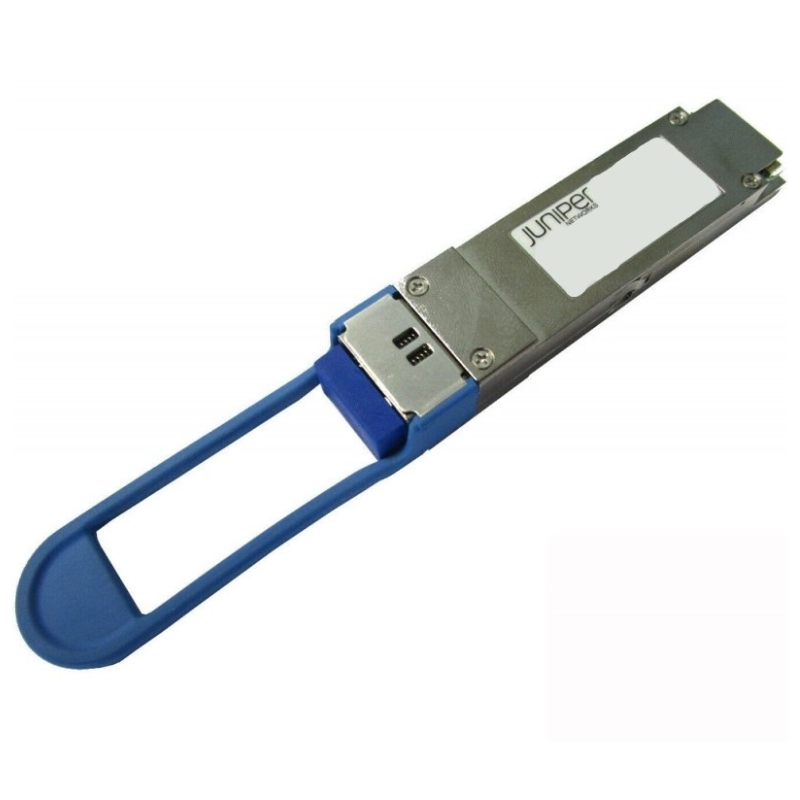


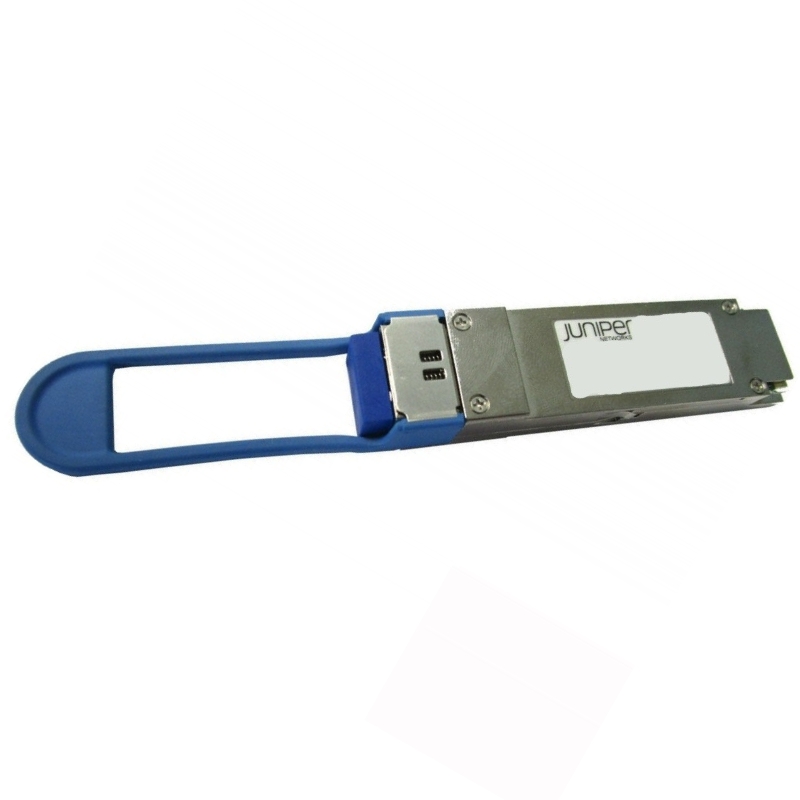
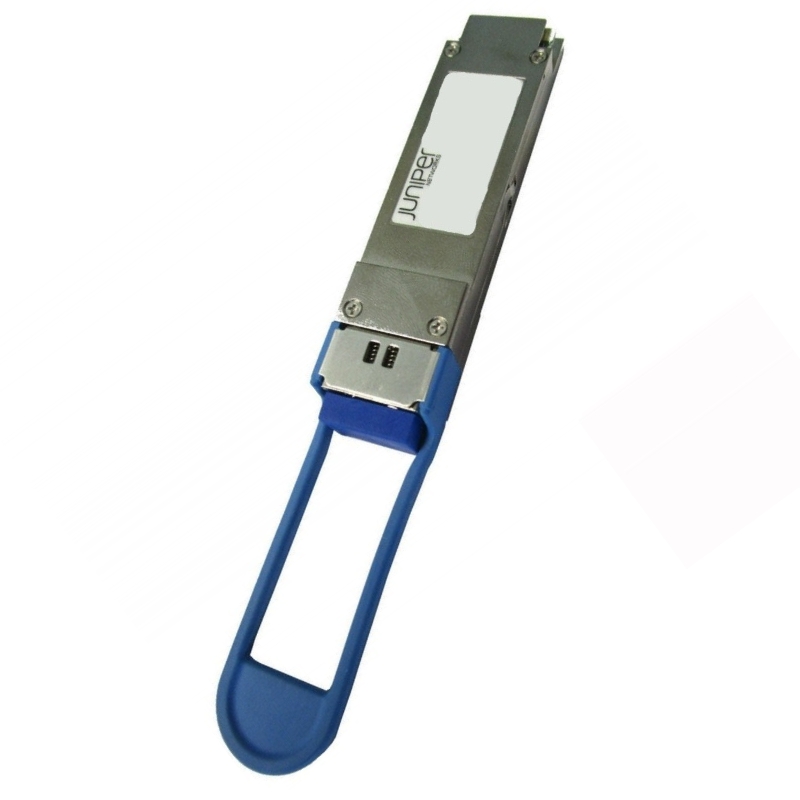
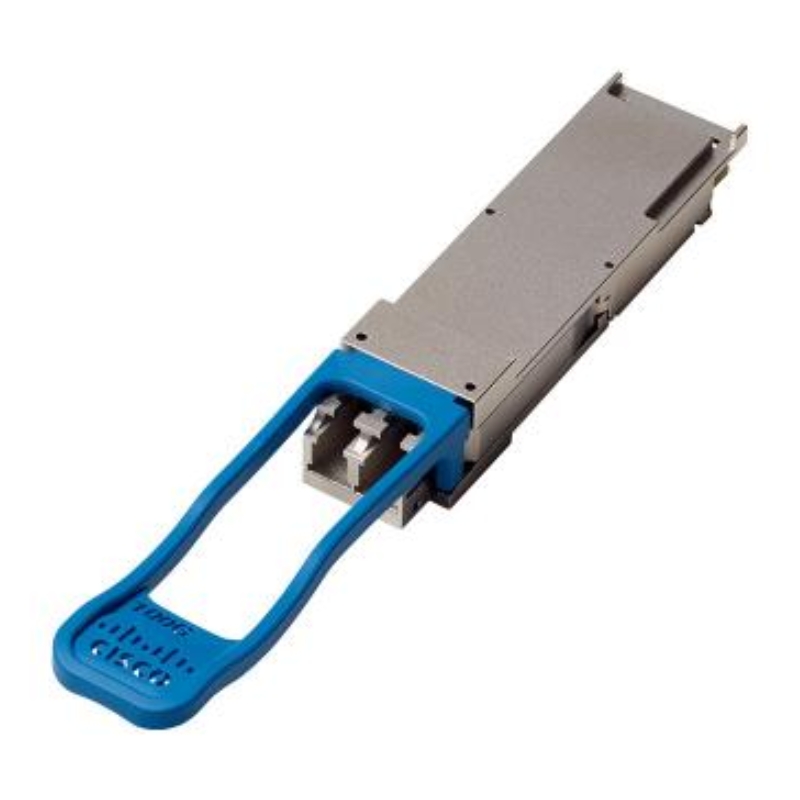
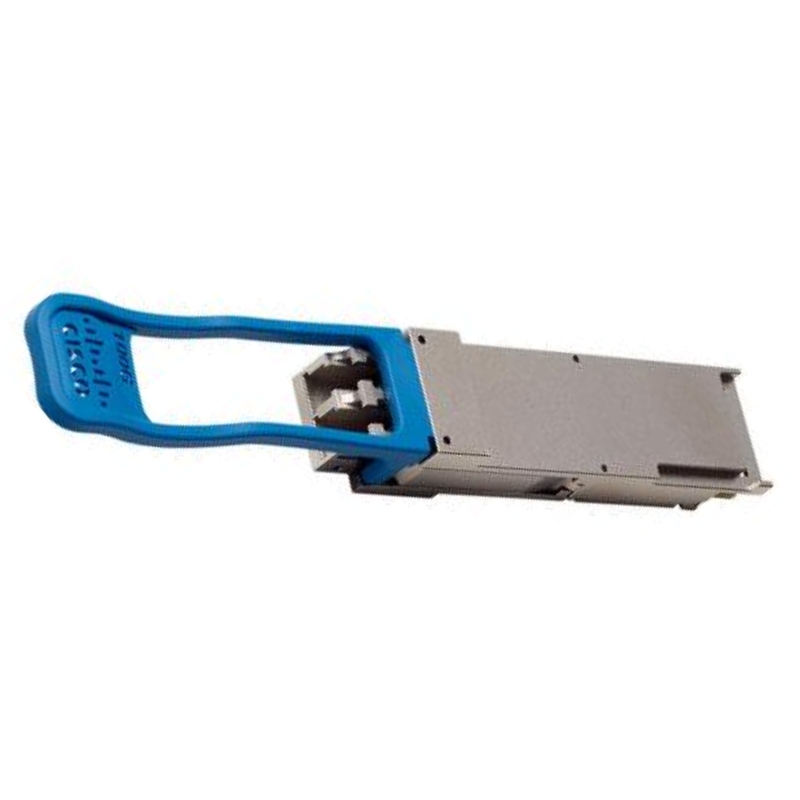
Juniper Networks 740-058732 100GBASE-LR4 QSFP28 Ethernet Rate Pluggable Module. New Sealed with 1 Year Replacement Warranty
The Juniper Networks 740-058732 100GBASE-LR4 QSFP28 Ethernet Pluggable Module is a high-speed optical transceiver designed for superior data transmission, reliability, and efficiency. Built for enterprise-grade networking, it supports long-distance communication with advanced monitoring features.
The Juniper Networks 740-058732 100GBASE-LR4 QSFP28 Ethernet Rate Pluggable Module belongs to an advanced category of high-speed optical transceivers designed to support long-reach, high-bandwidth Ethernet connectivity across enterprise, service provider, and data center environments. This category focuses on enabling reliable 100 Gigabit Ethernet transmission over single-mode fiber, addressing the growing demand for scalable, low-latency, and high-capacity network infrastructures. QSFP28 LR4 modules play a central role in modern network architectures where performance, reach, and interoperability are essential requirements.
Optical transceiver modules in this category are engineered to convert electrical signals from network devices into optical signals suitable for fiber optic transmission, and then back again at the receiving end. The 100GBASE-LR4 standard defines long-reach transmission up to ten kilometers over single-mode fiber, making this category ideal for data center interconnects, campus backbone networks, and metro-scale deployments. By combining compact form factors with advanced optical components, these modules allow network designers to achieve high port density without compromising reach or signal integrity.
The QSFP28 form factor represents a significant evolution in pluggable optical module design, enabling four lanes of high-speed data transmission within a compact physical footprint. Modules in this category are designed to fit QSFP28 ports on switches, routers, and network interface cards, supporting 100 Gigabit Ethernet throughput while maintaining efficient use of chassis space. This high port density capability is particularly valuable in data center environments where rack space and power efficiency are critical considerations.
QSFP28 LR4 modules integrate multiple optical components, including lasers, multiplexers, and photodetectors, within a standardized housing. This integration allows network operators to deploy high-speed links without requiring bulky external optics. The compact design also simplifies cabling and airflow management, contributing to overall system efficiency and reliability in densely populated network racks.
This category of transceivers utilizes a four-lane electrical interface on the host side, with each lane operating at approximately 25 gigabits per second. On the optical side, these lanes are multiplexed onto four distinct wavelengths within the 1310 nanometer window, following the CWDM grid defined by the 100GBASE-LR4 specification. This wavelength division multiplexing approach allows multiple data streams to be transmitted simultaneously over a single pair of single-mode fibers.
The precise alignment of electrical and optical interfaces ensures minimal signal loss and consistent performance across the supported reach. Advanced signal conditioning and clock recovery mechanisms within the module help maintain data integrity, even under demanding operating conditions. These characteristics make QSFP28 LR4 modules a reliable choice for mission-critical network links.
The 100GBASE-LR4 standard defines a long-reach optical Ethernet interface optimized for single-mode fiber transmission. Modules in this category are designed to comply with IEEE specifications, ensuring interoperability across a wide range of compliant networking equipment. The standard supports a maximum reach of up to ten kilometers, making it suitable for inter-building connections, data center interconnects, and metropolitan area network segments.
By leveraging four wavelengths transmitted over a single fiber pair, the LR4 standard balances performance and cost efficiency. This approach reduces the number of fibers required compared to parallel fiber solutions, simplifying infrastructure deployment and maintenance. The ability to deliver 100 Gigabit Ethernet over existing single-mode fiber infrastructure makes this category particularly attractive for organizations seeking to upgrade network capacity without extensive re-cabling.
QSFP28 LR4 modules utilize coarse wavelength division multiplexing to transmit four separate optical signals concurrently. Each wavelength is precisely controlled to minimize crosstalk and dispersion, ensuring that the combined signal arrives at the receiver with high fidelity. The optical components within this category are carefully engineered to maintain stable output power and wavelength accuracy across a wide range of temperatures.
Signal integrity is further enhanced through forward error correction and digital signal processing techniques implemented at the system level. While the module itself focuses on optical transmission, its design supports seamless integration with network devices that employ advanced error correction mechanisms. This synergy contributes to consistent throughput and low bit error rates over long distances.
The category is specifically optimized for use with single-mode fiber, which offers lower attenuation and higher bandwidth potential compared to multi-mode fiber. Single-mode fiber allows optical signals to travel longer distances with minimal loss, making it ideal for LR4 applications. QSFP28 LR4 modules are calibrated to match the optical characteristics of standard single-mode fiber, ensuring efficient coupling and reduced insertion loss.
This optimization enables network architects to design flexible topologies that span multiple facilities or campus environments. The ability to maintain high-speed connectivity over extended distances supports centralized data processing models and distributed network architectures.
The Juniper Networks 740-058732 module is part of a category that emphasizes seamless compatibility with Juniper switching and routing platforms. These transceivers are validated to operate within Juniper hardware ecosystems, ensuring optimal performance and reliable operation. Compatibility testing includes verification of electrical interfaces, optical output characteristics, and management features such as digital optical monitoring.
By aligning transceiver design with platform requirements, this category supports predictable behavior across deployments. Network operators benefit from simplified configuration and reduced troubleshooting, as validated modules integrate smoothly with Juniper operating systems and management tools.
Although optimized for Juniper platforms, QSFP28 LR4 modules in this category adhere to open industry standards. This standards compliance enables interoperability with other compliant devices, providing flexibility in mixed-vendor environments. Adherence to IEEE and MSA specifications ensures that these modules meet defined performance, safety, and environmental criteria.
Interoperability is particularly important in large-scale networks where equipment from multiple vendors may coexist. Standardized optical interfaces reduce vendor lock-in and support incremental network expansion using a diverse range of compatible hardware.
Modules in this category support digital diagnostic monitoring, allowing network administrators to access real-time information about optical power levels, temperature, voltage, and other operational parameters. These monitoring capabilities facilitate proactive maintenance and rapid fault isolation, contributing to higher network availability.
By providing visibility into transceiver health, QSFP28 LR4 modules enable data-driven decision-making in network operations. Administrators can identify trends, anticipate potential issues, and schedule maintenance activities before performance degradation occurs.
The QSFP28 LR4 transceiver category is designed to address a wide range of networking use cases. In enterprise environments, these modules support high-speed backbone links between core switches, aggregation layers, and remote buildings. The long reach capability simplifies campus network design by reducing the need for intermediate equipment.
Service providers leverage this category to deliver high-capacity links within metro networks and data center interconnect solutions. The ability to transmit 100 Gigabit Ethernet over single-mode fiber aligns with the growing demand for bandwidth driven by cloud services, streaming media, and enterprise connectivity.
Modern data centers often require high-speed links between geographically separated facilities to support redundancy, load balancing, and disaster recovery. QSFP28 LR4 modules enable these data center interconnect scenarios by providing reliable long-reach optical connectivity. This capability supports distributed cloud architectures and hybrid deployment models.
In cloud infrastructure environments, high-throughput optical links are essential for maintaining performance across virtualized workloads. The bandwidth and reach offered by this category help ensure consistent application performance and efficient resource utilization.
Campus networks benefit from the extended reach of LR4 transceivers, allowing direct connections between buildings without additional amplification or regeneration. This simplifies network design and reduces points of failure. Metropolitan networks similarly utilize these modules to establish high-capacity links across urban areas.
The reliability and performance characteristics of this category make it suitable for supporting critical services such as voice, video, and data traffic. Consistent latency and low error rates contribute to a high-quality user experience across connected sites.
QSFP28 LR4 modules are designed to operate within defined temperature ranges suitable for enterprise and service provider environments. Thermal management is a key consideration in this category, as high-speed optical components generate heat that must be effectively dissipated. The module housing and internal layout are engineered to promote efficient heat transfer and airflow.
Environmental reliability extends beyond temperature management to include resistance to humidity, vibration, and electromagnetic interference. These factors are particularly relevant in carrier-grade deployments where equipment may be exposed to varying environmental conditions.
Power consumption is an important consideration in high-density network environments. QSFP28 LR4 modules are optimized to deliver high performance while maintaining efficient power usage. This balance supports sustainable network growth by reducing overall energy consumption and cooling requirements.
Operational stability is achieved through careful component selection and rigorous testing. Modules in this category undergo validation to ensure consistent performance under continuous operation, supporting the always-on nature of modern networks.
The category emphasizes long-term deployment suitability, with modules designed for extended service lifecycles. Consistent manufacturing processes and quality control help ensure that replacement modules maintain identical specifications and performance characteristics. This consistency simplifies maintenance and capacity planning over time.
Lifecycle considerations also include firmware and compatibility support, ensuring that transceivers remain functional as network platforms evolve. This forward-looking approach aligns with enterprise and service provider strategies focused on long-term infrastructure investments.
The QSFP28 LR4 category reflects broader trends in optical networking toward higher speeds, greater integration, and improved efficiency. As network traffic continues to grow, the demand for 100 Gigabit Ethernet and beyond drives innovation in optical module design. This category represents a mature and widely adopted solution for long-reach high-speed connectivity.
Future developments in this space build upon the foundation established by LR4 transceivers, with emerging standards exploring higher data rates and more advanced modulation techniques. Nevertheless, the reliability and proven performance of QSFP28 LR4 modules ensure their continued relevance in many network scenarios.
Scalability is a defining attribute of this category, enabling network operators to expand capacity incrementally. By deploying QSFP28 LR4 modules, organizations can upgrade links to 100 Gigabit Ethernet without redesigning the underlying fiber infrastructure. This flexibility supports agile network architectures capable of adapting to changing business requirements.
Network architects value this category for its ability to integrate seamlessly into existing designs while providing a clear upgrade path for future expansion. The standardized nature of QSFP28 LR4 modules simplifies planning and reduces deployment risk.
High-availability network designs rely on redundant paths and resilient components to minimize downtime. QSFP28 LR4 transceivers contribute to these designs by delivering stable and predictable performance across critical links. Their reliability supports redundancy strategies such as link aggregation and failover.
In environments where uptime is paramount, the robustness of this category helps ensure continuous service delivery. The combination of standards compliance, quality manufacturing, and advanced monitoring capabilities makes QSFP28 LR4 modules a dependable choice for high-availability networks.
The Juniper Networks 740-058732 100GBASE-LR4 QSFP28 Ethernet Rate Pluggable Module exemplifies the strengths of its category by aligning high-speed optical performance with enterprise-grade reliability. As organizations continue to modernize their networks, the QSFP28 LR4 category remains a strategic component in delivering scalable, long-reach, and high-capacity Ethernet connectivity.
This category supports the ongoing transition toward cloud-centric, data-driven network architectures by providing the optical foundation required for sustained growth and innovation. Its role in enabling efficient, high-speed communication across diverse environments underscores its importance in contemporary and future networking landscapes.


 Contact Us
 Information
 Catalog
 Solid State Drives (SSD)
 Network Switches
 Hard Disk Drives
 HBA & Controllers
 PC & Servers
 PC & Server Memory
 CPU & Processors
 Network Routers
 Power Supplies
 Tape Drives & Libraries
 Network Devices
 Computer & Network Cables