(7% discount is applied at checkout)
Cart is empty
Your go-to destination for cutting-edge server products
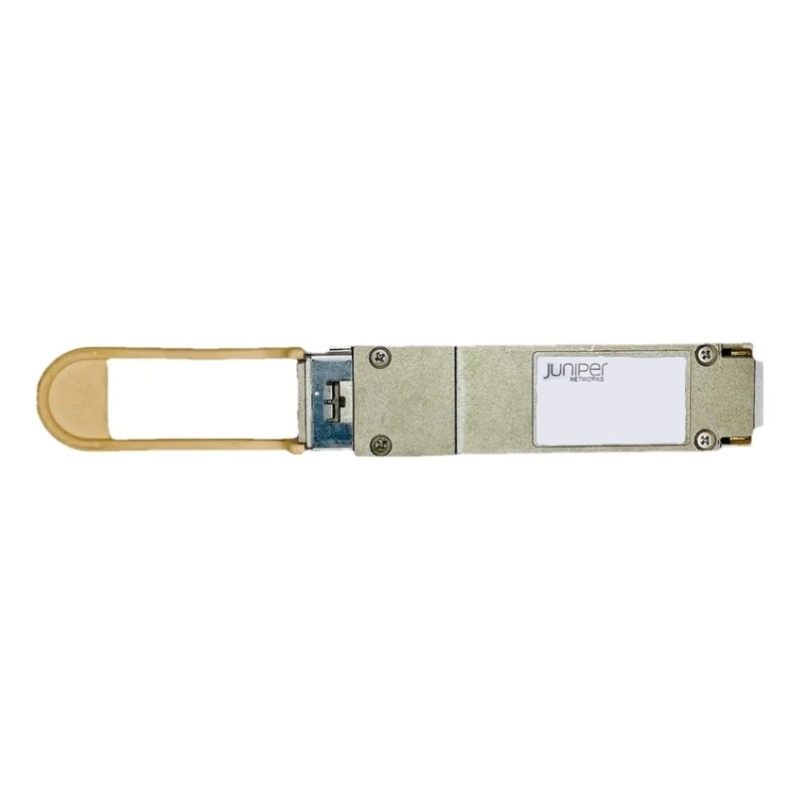


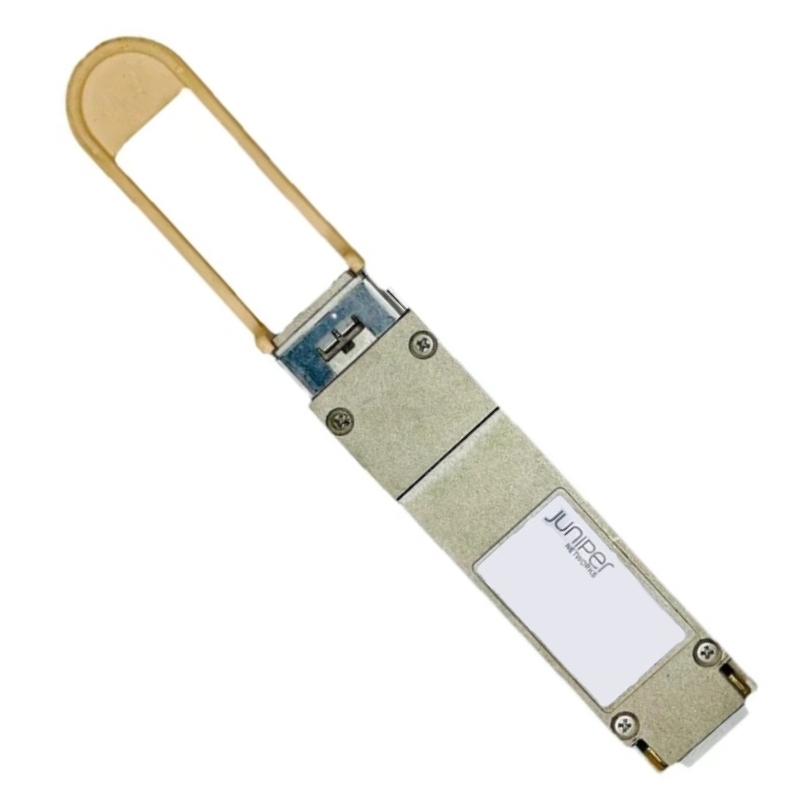
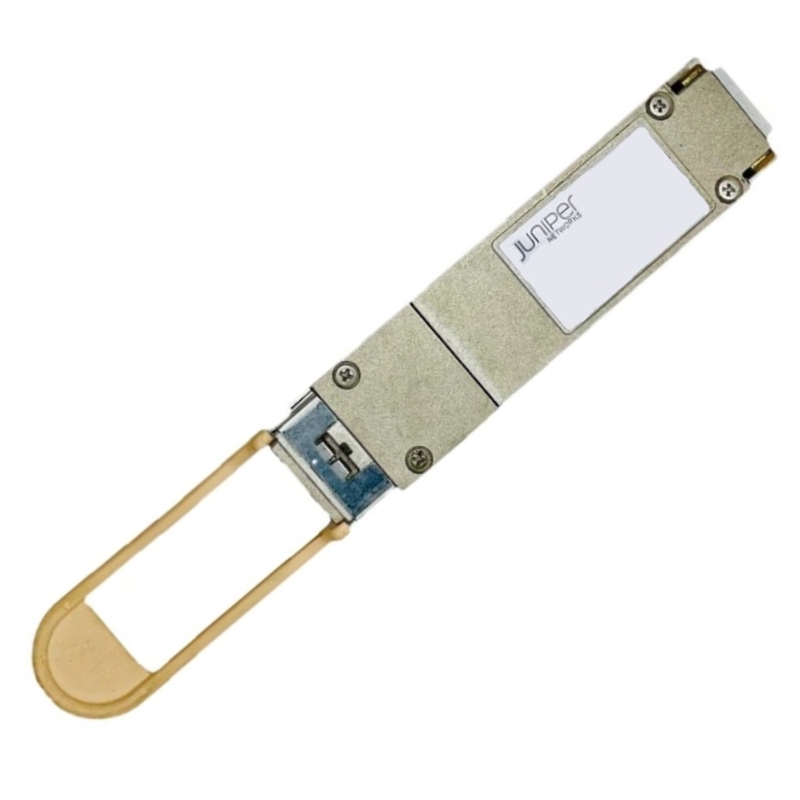
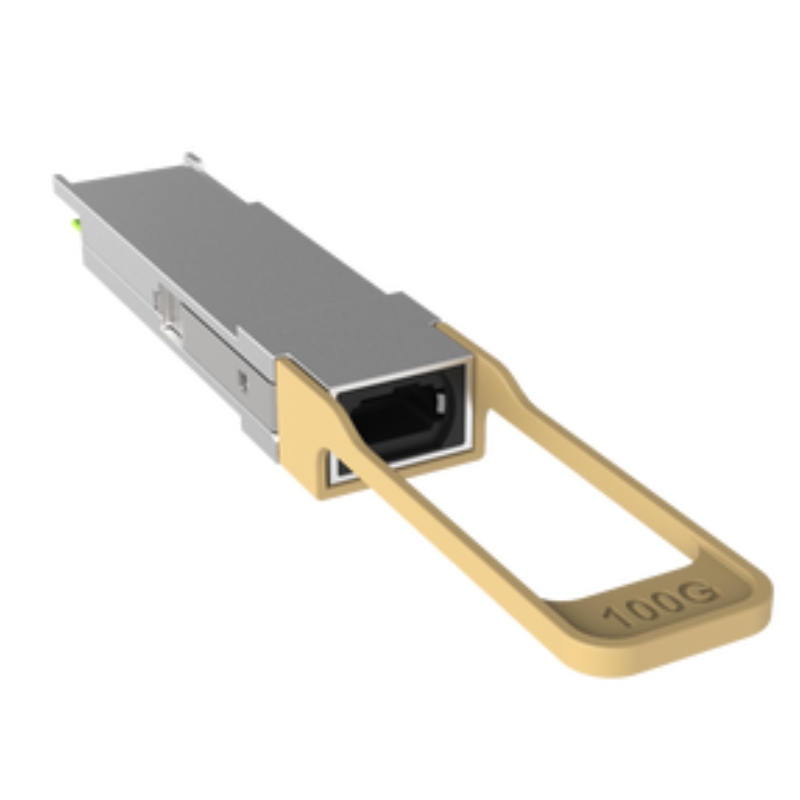
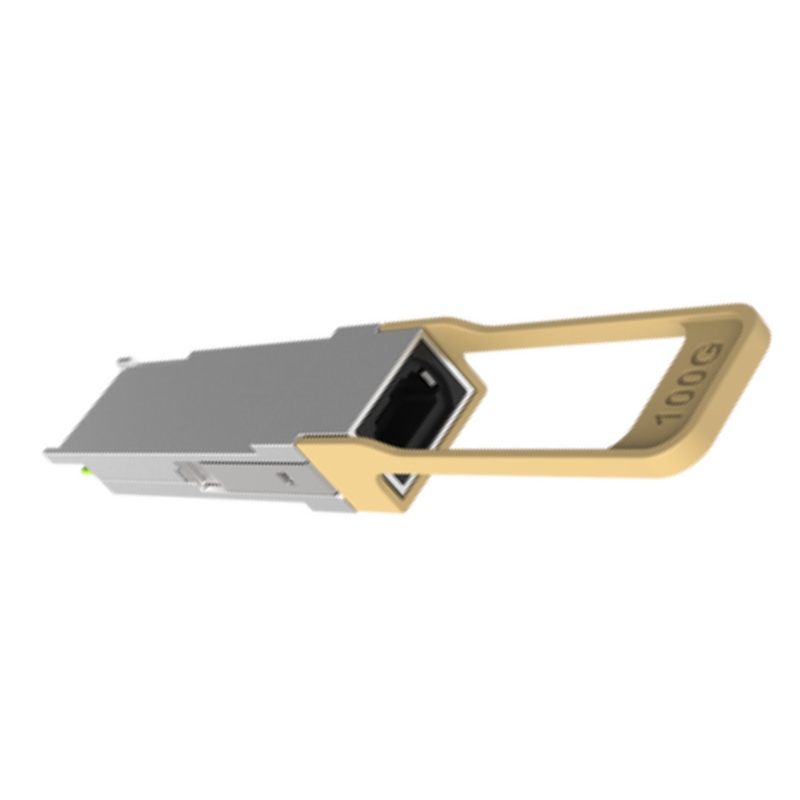
Juniper Networks 740-080491 QSFP28 Form Factor 100G 100M Over OM3-OM4 Bidirectional Transceiver. New Sealed with 1 Year Replacement Warranty
The Juniper Networks 740-080491 is a high‑performance QSFP28 optical module engineered for 100G data transmission across short‑range multimode fiber links. Designed for reliability and efficiency, this bidirectional transceiver supports OM3 and OM4 cabling, making it ideal for modern data centers and enterprise networking environments.
The Juniper Networks 740-080491 QSFP28 Form Factor 100G bidirectional transceiver belongs to an advanced optical networking category designed to support high-density, high-bandwidth data center and enterprise network architectures. This category focuses on delivering reliable 100 Gigabit Ethernet connectivity over multimode fiber infrastructure while maximizing port density and minimizing cabling complexity. QSFP28 bidirectional transceivers are purpose-built for environments where rapid data exchange, low latency, and efficient use of existing fiber resources are critical.
Optical transceivers within this category serve as the physical interface between network devices and fiber optic cabling, converting electrical signals into optical signals and vice versa. The bidirectional design allows two wavelengths to travel in opposite directions over a single fiber strand, effectively doubling fiber utilization efficiency. This makes the category particularly attractive for data centers seeking to upgrade network speeds without extensive re-cabling.
The QSFP28 form factor is a cornerstone of this transceiver category, enabling compact, hot-pluggable modules that support 100G data rates within a standardized footprint. QSFP28 modules are engineered to fit high-density switch and router ports, allowing network operators to scale bandwidth while conserving rack space. The mechanical and electrical specifications of this form factor ensure interoperability across compatible Juniper Networks platforms and compliant networking equipment.
Standardization within the QSFP28 category simplifies deployment and maintenance, as modules can be installed or replaced without powering down network equipment. This hot-swap capability is essential in mission-critical environments where uptime and service continuity are paramount. The Juniper Networks 740-080491 transceiver exemplifies this category by adhering to strict form factor tolerances and interface specifications.
Maintaining signal integrity at 100G speeds is a defining challenge for this transceiver category. QSFP28 modules are designed with advanced signal conditioning, equalization, and clock recovery mechanisms to ensure clean data transmission across the optical link. Electrical interfaces between the transceiver and the host device are optimized to minimize jitter and crosstalk, supporting stable high-speed operation.
On the optical side, precision-engineered laser sources and photodetectors ensure consistent wavelength output and sensitivity. This level of engineering enables reliable performance over specified distances, even in high-density environments where thermal and electromagnetic factors can influence signal quality.
This category of QSFP28 bidirectional transceivers is optimized for 100 Gigabit Ethernet connectivity over OM3 and OM4 multimode fiber. Supporting transmission distances up to 100 meters, these modules are well suited for short-reach applications within data centers, campus networks, and enterprise facilities. The ability to leverage existing multimode fiber infrastructure significantly reduces upgrade costs when transitioning from lower-speed networks.
By using bidirectional transmission techniques, this category enables full-duplex 100G communication over a pair of multimode fibers, rather than requiring multiple parallel fiber strands. This efficient use of fiber resources aligns with modern data center design principles that emphasize scalability, flexibility, and cost optimization.
Bidirectional QSFP28 transceivers utilize wavelength-division multiplexing to transmit and receive data simultaneously over the same fiber strand. Two distinct wavelengths are employed, one for upstream transmission and one for downstream reception. This approach reduces the number of fibers required for high-speed links while maintaining full data throughput.
The category benefits from precise wavelength control and filtering, ensuring minimal interference between the transmitted and received signals. Advanced optical components within the module manage this separation, allowing bidirectional communication to function reliably over OM3 and OM4 fiber types.
OM3 and OM4 multimode fibers are widely deployed in enterprise and data center environments, making compatibility a key attribute of this transceiver category. QSFP28 bidirectional modules are calibrated to operate within the modal bandwidth and attenuation characteristics of these fiber types. This ensures predictable performance and adherence to established cabling standards.
By supporting both OM3 and OM4 fibers, the category offers flexibility in deployment scenarios. Network architects can design or upgrade infrastructure with confidence, knowing that these transceivers will integrate seamlessly with existing cabling systems.
The Juniper Networks 740-080491 transceiver is part of a category that emphasizes tight integration with Juniper’s switching and routing platforms. Optical modules are validated for compatibility and performance across supported hardware, ensuring that network operators achieve optimal results when deploying within the Juniper ecosystem. This validation process includes extensive testing under real-world conditions to confirm interoperability and reliability.
Integration within the Juniper Networks environment extends beyond physical compatibility. Firmware recognition, diagnostics, and monitoring capabilities are designed to work seamlessly with Juniper operating systems, providing enhanced visibility into transceiver status and link health.
QSFP28 transceivers in this category support digital optical monitoring features that provide real-time insight into operating parameters. These metrics include temperature, voltage levels, optical output power, and receive signal strength. Network administrators can use this information to proactively identify potential issues and maintain optimal network performance.
Diagnostic capabilities are especially valuable in large-scale deployments, where early detection of anomalies can prevent service disruptions. The category’s emphasis on monitoring aligns with enterprise requirements for robust network management and fault isolation.
Juniper Networks ensures that transceivers within this category are validated against specific hardware platforms and software releases. This validation reduces the risk of compatibility issues and supports consistent performance across deployments. Firmware integration allows the host device to recognize and manage the transceiver effectively, enabling features such as link optimization and error reporting.
This level of validation is particularly important in regulated or mission-critical environments, where network stability and predictability are essential.
The QSFP28 bidirectional transceiver category plays a vital role in enabling scalable data center architectures. By supporting 100G connectivity within a compact form factor, these modules allow network operators to increase aggregate bandwidth without expanding physical infrastructure. High port density switches populated with QSFP28 transceivers can deliver massive throughput within a limited footprint.
Bidirectional technology further enhances scalability by reducing fiber count requirements. This simplifies cable management and frees up physical pathways within racks and trays, contributing to cleaner, more manageable data center layouts.
In high-density switching environments, thermal management and power efficiency are critical considerations. QSFP28 transceivers in this category are engineered to operate within defined power envelopes, minimizing heat generation while sustaining 100G performance. Efficient thermal design ensures reliable operation even when multiple modules are deployed in close proximity.
This efficiency supports the deployment of dense switching fabrics that can handle east-west traffic patterns common in modern cloud and virtualization environments.
Reducing cabling complexity is a significant advantage of bidirectional QSFP28 transceivers. By requiring fewer fiber strands for high-speed links, this category helps organizations optimize their existing cabling investments. Simplified cabling translates into easier installation, reduced risk of errors, and improved airflow within racks.
Infrastructure efficiency gained through this approach contributes to lower operational costs and improved scalability, making it a strategic choice for growing networks.
Reliability is a defining characteristic of the QSFP28 bidirectional transceiver category. Modules are designed to meet stringent industry standards for durability, performance, and environmental resilience. Components are selected and assembled to withstand continuous operation in demanding network environments.
Enterprise-grade design ensures consistent optical output, stable electrical interfaces, and resistance to temperature fluctuations. This reliability is essential for maintaining high availability in data center and enterprise networks.
Transceivers in this category are rated for operation within specified temperature ranges commonly encountered in data center facilities. Thermal sensors and management features allow host systems to monitor operating conditions and take corrective action if necessary. This proactive approach helps prevent thermal-related failures and extends module lifespan.
Environmental resilience also includes resistance to vibration and mechanical stress, ensuring reliable performance in diverse deployment scenarios.
Manufacturing processes for QSFP28 transceivers adhere to rigorous quality assurance standards. Each module undergoes comprehensive testing to verify optical performance, electrical compliance, and interoperability. This testing ensures that modules meet or exceed industry specifications before deployment.
Quality assurance within this category supports consistent performance across production runs, which is vital for large-scale deployments requiring uniform behavior.
The 100G QSFP28 bidirectional transceiver category supports a wide range of application scenarios. In enterprise networks, these modules enable high-speed uplinks between core and aggregation layers, supporting bandwidth-intensive applications and services. In cloud environments, they facilitate rapid data exchange between compute clusters, storage systems, and network fabrics.
Service providers and colocation facilities also benefit from the flexibility and efficiency offered by this category. The ability to deliver high-speed connectivity over existing multimode fiber infrastructure aligns with the operational requirements of multi-tenant environments.
Virtualized and cloud-native architectures generate substantial east-west traffic within data centers. QSFP28 bidirectional transceivers provide the bandwidth necessary to support these traffic patterns without introducing bottlenecks. Low latency and high throughput are essential for maintaining application performance and user experience.
The scalability of this category ensures that network infrastructure can grow alongside compute and storage resources, supporting dynamic workload demands.
Within enterprise networks, 100G QSFP28 transceivers are commonly deployed in core and aggregation layers to consolidate traffic from multiple access switches. The bidirectional design reduces fiber requirements while delivering the necessary bandwidth for aggregated traffic flows. This approach supports efficient network design and simplifies expansion.
The QSFP28 bidirectional transceiver category represents a future-ready approach to optical networking. By combining high-speed performance, efficient fiber utilization, and standardized form factors, this category positions organizations to meet evolving bandwidth demands. The Juniper Networks 740-080491 transceiver exemplifies these characteristics, aligning with long-term infrastructure strategies focused on scalability, reliability, and cost efficiency.
As network technologies continue to advance, the principles embodied by this category provide a solid foundation for next-generation connectivity, ensuring that enterprise and data center networks remain agile and capable of supporting emerging applications.


 Contact Us
 Information
 Catalog
 Solid State Drives (SSD)
 Network Switches
 Hard Disk Drives
 HBA & Controllers
 PC & Servers
 PC & Server Memory
 CPU & Processors
 Network Routers
 Power Supplies
 Tape Drives & Libraries
 Network Devices
 Computer & Network Cables