(7% discount is applied at checkout)
Cart is empty
Your go-to destination for cutting-edge server products


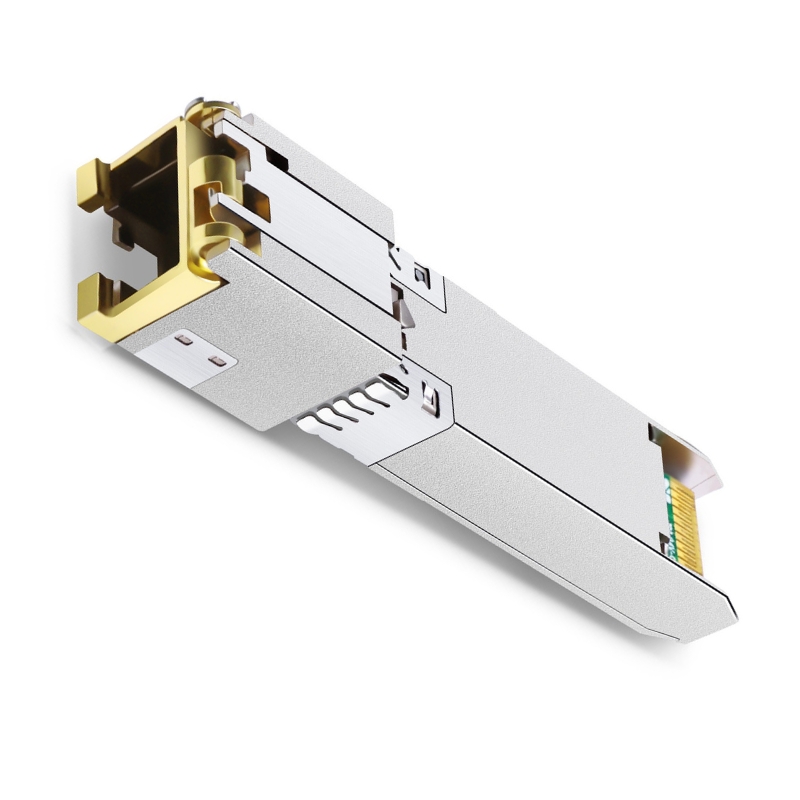
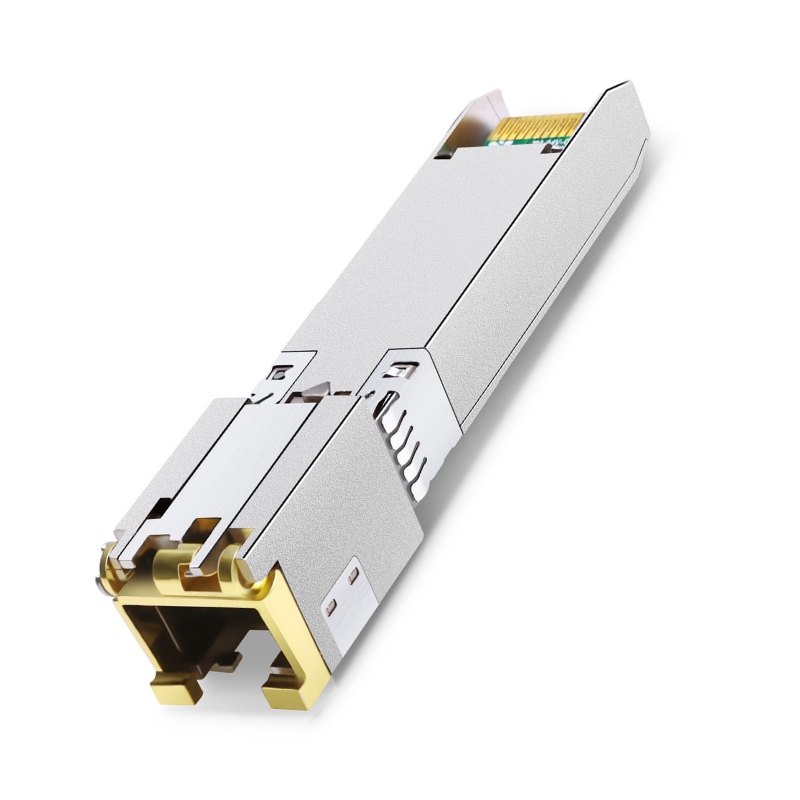
Juniper Networks 740-096176 SMF 10 KM Standard Temperature 0 Through 70°c Duplex LC-PC Transceiver. New Sealed with 1 Year Replacement Warranty
The Juniper Networks 740-096176 optical module is a high‑capacity SMF transceiver engineered for long‑reach 400G Ethernet links. Designed for dependable performance across single‑mode fiber, this duplex LC‑PC transceiver supports distances up to 10 km and operates within standard temperature ranges, making it ideal for data centers and carrier‑grade networks.
The Juniper Networks 740-096176 SMF 10 KM Standard Temperature Duplex LC-PC Transceiver belongs to the enterprise-grade single-mode fiber optical transceiver category designed for high-speed, long-distance data transmission across modern network infrastructures. This category encompasses optical modules engineered to deliver consistent signal integrity, low latency, and dependable throughput for carrier networks, enterprise backbones, data center interconnects, and campus-wide fiber deployments. Single-mode fiber transceivers are essential components in environments where distance, signal stability, and minimal attenuation are critical operational requirements.
Single-mode fiber technology enables data transmission over extended distances by utilizing a narrow core diameter that allows light to propagate with minimal dispersion. Transceivers in this category are optimized to operate across long spans, such as 10 kilometers, without compromising performance or introducing excessive signal loss. This makes them ideal for metropolitan networks, inter-building connectivity, and enterprise WAN extensions where copper-based solutions are not feasible.
Single-mode fiber transceivers play a foundational role in enabling scalable network architectures. As organizations expand their digital footprint, demand for reliable long-range connectivity increases. SMF transceivers address this requirement by supporting high-speed optical signaling over long distances while maintaining compatibility with standardized fiber infrastructure. This category is particularly relevant for service providers and enterprises deploying resilient network topologies that span multiple locations.
In enterprise networks, SMF transceivers facilitate core-to-distribution layer connectivity, ensuring that bandwidth-intensive applications such as cloud services, unified communications, and large-scale data replication perform reliably. Carrier-grade implementations rely on these modules to support aggregation points and access networks, where uninterrupted service delivery is essential.
This category adheres to strict optical networking standards that ensure interoperability across compliant devices and platforms. Standardized wavelengths, optical power levels, and connector types allow network architects to deploy transceivers with confidence, knowing they will integrate seamlessly with existing fiber infrastructure. Interoperability reduces vendor lock-in and simplifies network expansion and maintenance.
Standard temperature operating ranges further define this category, making these transceivers suitable for controlled environments such as data centers and network closets. Consistent thermal performance contributes to predictable signal behavior and long-term reliability.
The 10 kilometer transmission range defines a key subcategory within single-mode fiber transceivers. Modules designed for this distance balance optical power output and receiver sensitivity to achieve reliable connectivity without requiring additional amplification. This range is well-suited for campus networks, urban deployments, and enterprise interconnections that extend beyond the limits of multimode fiber solutions.
Transceivers in this category typically operate at standardized wavelengths optimized for single-mode fiber, minimizing chromatic dispersion and attenuation. This ensures that data integrity is preserved across the full transmission span, even in environments with varying fiber quality or installation conditions.
Maintaining signal integrity over long distances requires precise optical engineering. Single-mode fiber transceivers are designed with laser sources and photodetectors that deliver consistent optical output and sensitivity. This category emphasizes stable modulation characteristics, low jitter, and accurate wavelength control to ensure error-free data transmission.
Advanced internal circuitry monitors and regulates optical performance, compensating for environmental factors such as temperature fluctuations. This contributes to consistent network behavior and reduces the likelihood of intermittent connectivity issues that can disrupt mission-critical operations.
Ten kilometer single-mode transceivers are commonly deployed in scenarios that require reliable point-to-point links between geographically separated facilities. Examples include connecting corporate headquarters to satellite offices, linking data centers within a metropolitan area, and extending network services across large campuses. These modules support high availability architectures by enabling redundant fiber paths and failover configurations.
In service provider environments, this category supports access and aggregation layers where customer traffic is consolidated and transported to core networks. The ability to maintain consistent performance across extended distances is essential for meeting service level agreements and ensuring customer satisfaction.
The duplex LC-PC connector interface is a defining characteristic of this transceiver category. LC connectors are widely adopted due to their compact form factor, secure latching mechanism, and ease of installation. Duplex configurations support simultaneous transmit and receive operations over separate fiber strands, enabling full-duplex communication essential for modern Ethernet and optical networking standards.
PC polished connector end faces ensure low insertion loss and reduced back reflection, contributing to improved optical performance. This connector type is compatible with a broad range of single-mode fiber cabling systems, making it a versatile choice for diverse deployment environments.
Connector reliability is critical in maintaining consistent optical performance. Duplex LC-PC connectors are engineered to provide secure physical connections that resist vibration and mechanical stress. This stability is particularly important in data centers and telecommunications facilities where high-density cabling and frequent maintenance activities are common.
The compact size of LC connectors allows for higher port densities on networking equipment, supporting scalable infrastructure designs. This enables network operators to maximize rack space utilization while maintaining organized and manageable fiber layouts.
This category prioritizes ease of installation to reduce deployment time and minimize operational complexity. LC-PC connectors feature intuitive alignment and latching mechanisms that simplify fiber termination and transceiver insertion. Clear labeling and standardized orientation reduce the risk of installation errors, ensuring efficient deployment even in large-scale projects.
Maintenance procedures are streamlined through standardized cleaning and inspection practices, helping to preserve optical performance over the lifecycle of the network. Proper connector care contributes to long-term reliability and reduces the likelihood of signal degradation.
The standard temperature operating range of 0 through 70 degrees Celsius defines a specific environmental suitability category for optical transceivers. This range is optimized for indoor deployments where temperature and humidity are controlled. Such environments include enterprise data centers, network operation centers, and telecommunications rooms.
Operating within this temperature range ensures that optical components function within their optimal performance parameters. Stable thermal conditions contribute to consistent laser output, receiver sensitivity, and overall signal quality.
Thermal management is a critical consideration in transceiver design. Modules in this category incorporate materials and internal layouts that dissipate heat effectively, preventing thermal stress on sensitive optical components. Efficient heat dissipation supports continuous operation and extends component lifespan.
By operating within standard temperature specifications, these transceivers achieve a balance between performance and durability. This makes them suitable for long-term deployments where reliability and predictable behavior are essential.
Standard temperature transceivers are ideal for installations where environmental conditions are monitored and maintained. Data centers and enterprise network facilities typically provide controlled airflow and cooling systems that align with the operational requirements of these modules. This ensures consistent performance and reduces the risk of temperature-induced failures.
Such environments benefit from the predictable behavior of standard temperature transceivers, enabling network planners to design systems with confidence in their thermal stability.
This category is closely aligned with the Juniper Networks ecosystem, where optical transceivers are designed and validated to ensure compatibility with Juniper networking platforms. Integration within a vendor-specific ecosystem simplifies network design and supports optimal performance through coordinated hardware and software interactions.
Juniper-qualified transceivers undergo rigorous testing to verify electrical and optical compatibility with supported devices. This validation process reduces the risk of interoperability issues and ensures consistent network behavior across deployments.
Compatibility with Juniper switches and routers ensures that transceivers in this category deliver expected performance metrics, including throughput, latency, and error rates. Platform-level optimization allows networking equipment to accurately monitor transceiver health and performance through diagnostic interfaces.
Access to real-time monitoring data enables proactive maintenance and rapid troubleshooting, contributing to higher network availability and reduced operational downtime.
Juniper platforms provide comprehensive diagnostic capabilities that interface with supported transceivers. This includes monitoring optical power levels, temperature, and signal quality metrics. Such visibility supports predictive maintenance strategies and helps network operators identify potential issues before they impact service.
Firmware compatibility ensures that transceivers operate seamlessly with device software updates, preserving functionality and performance over the lifecycle of the network.


 Contact Us
 Information
 Catalog
 Solid State Drives (SSD)
 Network Switches
 Hard Disk Drives
 HBA & Controllers
 PC & Servers
 PC & Server Memory
 CPU & Processors
 Network Routers
 Power Supplies
 Tape Drives & Libraries
 Network Devices
 Computer & Network Cables