(7% discount is applied at checkout)
Cart is empty
Your go-to destination for cutting-edge server products
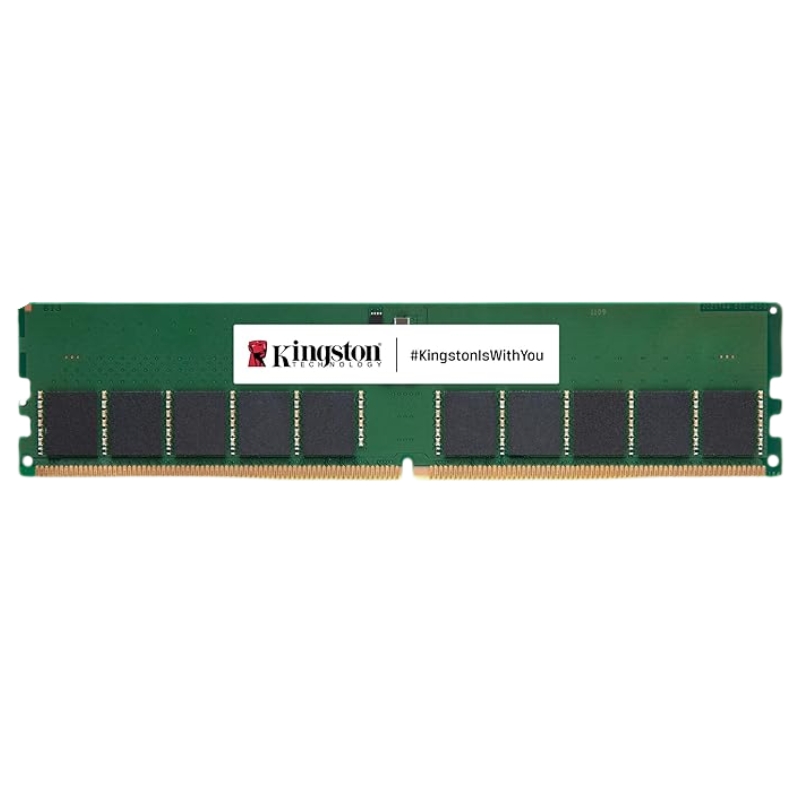


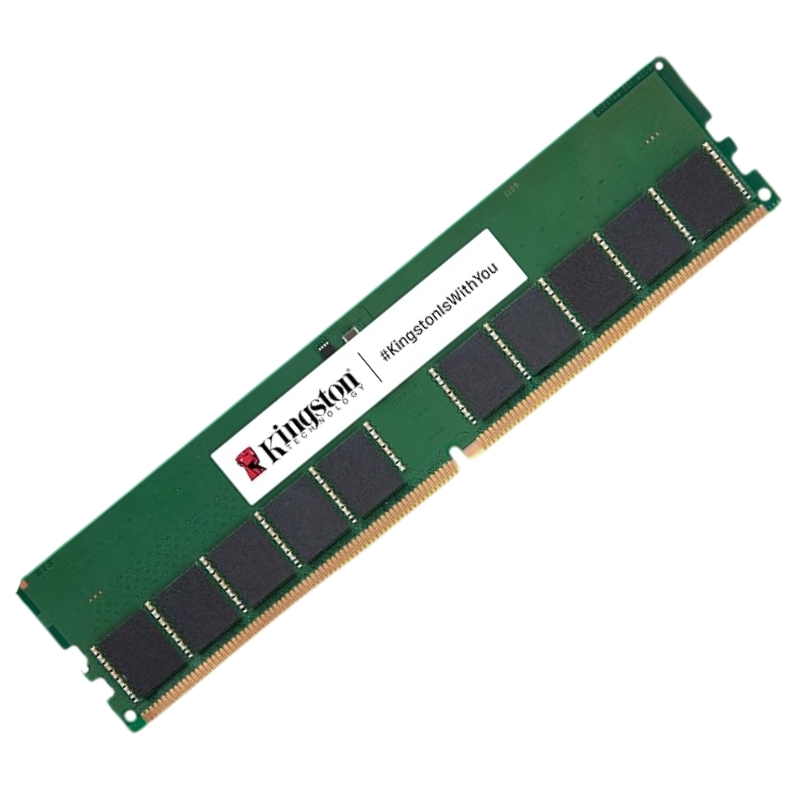
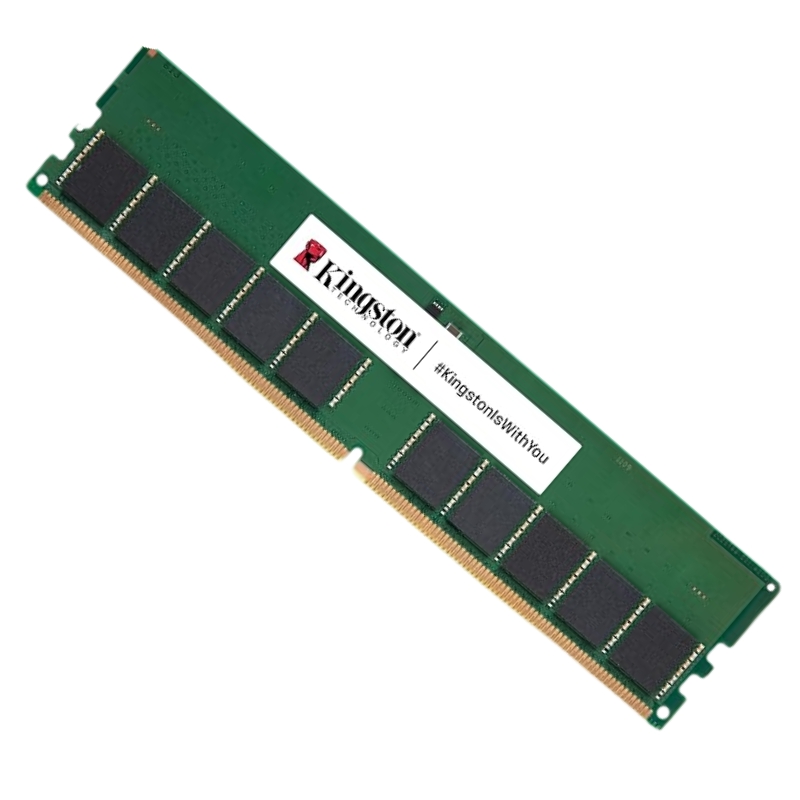
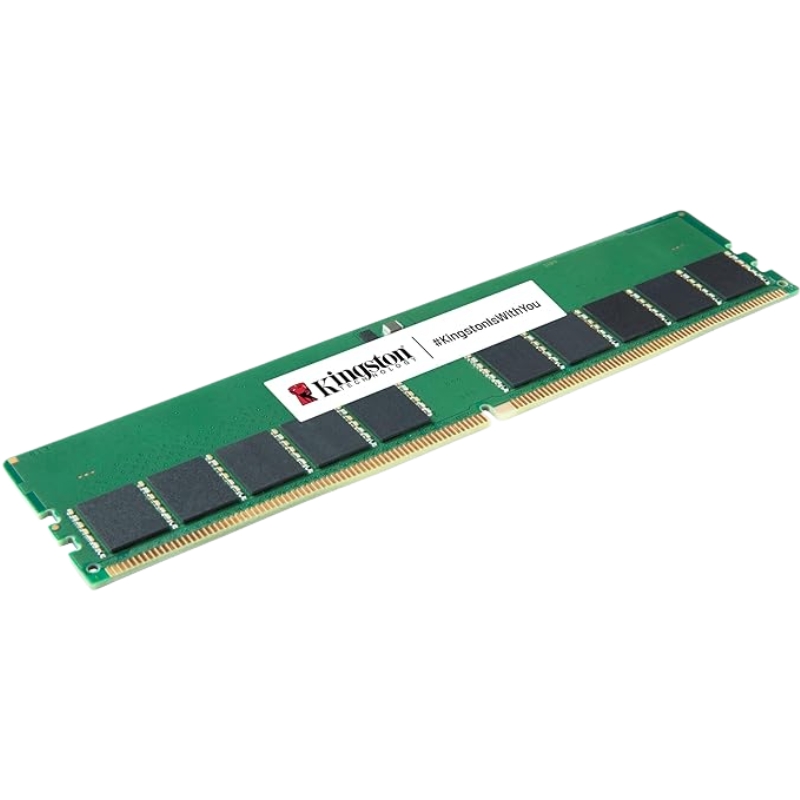
Kingston KTH-PL556S8-16G 16GB 5600MHz PC5-44800 CL46 ECC Single Rank X8 1.1V DDR5 SDRAM 288-Pin Rdimm Server Memory Module. New Sealed in Box (NIB) with 3 Year Warranty
Experience enterprise-grade performance with the Kingston KTH-PL556S8-16G, a 16 GB DDR5 ECC registered memory module engineered for modern servers requiring faster throughput, improved stability, and efficient power usage. Built to deliver consistent responsiveness, this module enhances workload handling for virtualization, databases, analytics, and high-demand applications.
The evolution of enterprise computing has consistently pushed memory innovation forward, and the Kingston KTH-PL556S8-16G 16GB 5600MHz PC5-44800 CL46 ECC Single Rank X8 1.1V DDR5 SDRAM 288-Pin RDIMM server memory module stands as a strong example of how next-generation data setups maximize speed, integrity, and operational reliability. Within the broader category of DDR5 RDIMM server memory, this module reflects the shift from earlier DDR4 architectures to a significantly more efficient and high-bandwidth platform that supports modern workloads requiring exceptional throughput. As data centers transition to higher-density computing, high-performance virtualization environments, and increasingly AI-driven applications, modules like the KTH-PL556S8-16G reinforce stability through advanced ECC capabilities and optimized electrical design.
DDR5 registered DIMM modules redefine memory performance with a structure engineered for increased speed, doubled burst lengths, and independent channel architecture. The Kingston KTH-PL556S8-16G is built on this redesigned foundation, offering memory bandwidth suitable for environments needing constant multi-threaded data access. The separation of the DIMM into dual 32-bit channels encourages improved efficiency by enabling more precise handling of memory commands, helping reduce bottlenecks that previously limited DDR4-based systems during peak operation cycles. This architectural approach allows servers to process data with heightened accuracy and reduced latency, making this type of RDIMM exceptionally valuable in scenarios requiring predictable handling of intensive workloads.
A defining component of the Kingston KTH-PL556S8-16G lies in its native speed rating of 5600MHz. This high data rate supports the rapid exchange of information between CPU and memory, acting as a performance multiplier for compute-heavy tasks. For organizations running containerized environments, data-intensive virtualization, and high-frequency transaction systems, the increased bandwidth of PC5-44800 enhances the ability to respond to demands without creating harmful slowdowns. This speed class also optimizes cloud hosting setups, business intelligence tools, large database applications, and machine learning frameworks that rely on extremely efficient memory access patterns to operate smoothly.
Although DDR5 introduces faster speeds, controlling memory timing remains crucial in server deployments. The CL46 latency specification of the Kingston KTH-PL556S8-16G ensures that timing cycles remain consistent even during demanding operation. Predictable timing is essential in enterprise server environments, especially those dealing with sensitive or sequential computations. Stable CAS latency promotes consistent processing behavior, minimizing the irregularities that could disrupt workflow execution. Even with higher data rates, the optimized internal structure of DDR5 ensures that modules like this one uphold balance between speed and controlled response timing.
ECC technology is fundamental within the broader spectrum of server-grade memory products. The Kingston KTH-PL556S8-16G incorporates advanced on-die error correction mechanisms that reduce the probability of corruption by detecting and correcting common memory errors before they can influence software or system behavior. In modern computing ecosystems where even the smallest bit error can lead to instability, ECC has become indispensable. Sectors such as healthcare data management, financial systems, engineering simulations, and government computing rely on these protective layers to ensure absolute consistency and compliance with internal and external data standards.
The single rank configuration of the Kingston KTH-PL556S8-16G contributes to improved performance by simplifying how the memory controller accesses stored information. A single rank module can often provide lower latency responses because the controller interacts with a less complex internal structure compared to multi-rank designs. The X8 organization enhances electrical stability and data distribution by ensuring that each chip processes eight bits per cycle. In environments where consistent uptime is paramount, the reliability of single rank X8 construction allows servers to handle intensive computational loads without degradation in performance responsiveness.
Voltage efficiency is another advantage provided by the Kingston KTH-PL556S8-16G. Operating at only 1.1V, this DDR5 RDIMM reduces energy consumption compared to previous-generation modules. Lower voltage not only cuts operational costs but also decreases overall heat generation, which in turn supports better thermal performance. This attribute is essential for large-scale server deployments where even small increments in heat output can lead to substantial energy usage across cooling systems. Modern servers benefit greatly from components that limit electrical strain and contribute to extended hardware lifespan, making low-voltage DDR5 modules an attractive choice in power-sensitive environments.
DDR5 introduces enhanced thermal and signal management features that support higher densities and faster speeds. The Kingston KTH-PL556S8-16G benefits from these enhancements through strengthened signal integrity, an improved power delivery architecture, and an onboard PMIC that assists in more accurate power regulation. These combined advancements reduce electrical noise and improve consistency during high-load operation, making these modules suitable for servers handling continuous data ingestion, artificial intelligence inference processes, real-time analytics, and distributed computing frameworks that demand round-the-clock reliability.
The Kingston KTH-PL556S8-16G finds use across numerous server categories, particularly those within enterprise-grade rackmount servers, scalable multi-processor systems, and next-generation platforms optimized for DDR5 technology. Modern cloud infrastructure heavily relies on high-speed memory modules to manage distributed workloads efficiently. Web hosting providers, virtualization environments, and big data cluster operators often integrate DDR5 RDIMM technology to ensure that large workloads execute with minimal lag. This type of memory also aligns with organizations seeking to transition from legacy memory architectures into more powerful computing environments that can support rapidly expanding datasets and user demands.
In virtualization-focused environments, memory plays a foundational role in supporting virtual machine density and maintaining consistent responsiveness. DDR5 RDIMM modules like the Kingston KTH-PL556S8-16G enable hypervisors to schedule tasks more efficiently due to increased bandwidth. Improved memory speed also enhances live migration performance, allowing virtual machines to move between nodes without interruptions. As virtualization becomes deeply embedded in corporate IT strategies, the importance of stable and high-capacity server memory becomes paramount. This memory category supports large numbers of VMs even during heavy activity, ensuring streamlined operations within data centers.
Enterprise databases increasingly require high clock speeds and elevated memory bandwidth to manage constant read and write cycles. Whether used in SQL, NoSQL, or hybrid data environments, the Kingston KTH-PL556S8-16G boosts the capability of database engines to respond swiftly to transactional and analytical requests. Faster memory allows indexing operations, data lookups, and transaction logging to operate without bottlenecks. Organizations depending on high-frequency transactions, financial exchanges, online retail platforms, and scientific datasets require memory modules classified under DDR5 RDIMM technology to maintain performance stability as data demands increase.
AI and machine learning frameworks thrive on rapid data movement between processing units and memory. DDR5 RDIMM modules accelerate these workloads by supplying the bandwidth needed for neural network training, model tuning, and inference execution. The high clock speed of 5600MHz and optimized ECC protection allow technical teams to rely on consistent processing flows that do not compromise accuracy. Meanwhile, edge computing deployments require memory solutions that adapt to real-time analytics while consuming minimal power. The Kingston KTH-PL556S8-16G’s efficient voltage and advanced timing design support these specialized application workflows.
Registered DIMMs like the Kingston KTH-PL556S8-16G are engineered specifically for server-grade mainboards that demand signal buffering and stability. These modules integrate seamlessly with platforms built for DDR5 memory, offering a predictable upgrade path for businesses ready to modernize their infrastructure. As server manufacturers adopt DDR5 at increasing rates, RDIMM modules become instrumental in maintaining system efficiency and maximizing processor capabilities. Memory controllers inside new CPU generations require modules capable of reaching high clock speeds while maintaining electrical precision, positioning this module category as a critical upgrade in computing performance.
The single rank design of the KTH-PL556S8-16G contributes to advantageous scalability in multi-DIMM configurations. Servers using several memory modules benefit from even load distribution and reduced signaling complications. This characteristic ensures predictable operation in enterprise infrastructures where memory must scale vertically to meet workload expansions. High-density servers capable of supporting multiple DDR5 RDIMM modules achieve enhanced performance ceilings due to increased aggregate bandwidth, ultimately enabling faster virtualization, accelerated compute node functions, and powerful analytic operations.
Registered DIMMs employ a hardware register that manages memory signals before they reach the DRAM chips. This buffering process significantly improves stability and is especially important when servers operate with many DIMMs installed simultaneously. For datacenters handling massive computational loads or offering high-availability services, such buffering ensures steady performance without signal distortion. When combined with the robust ECC framework of the Kingston module, registered memory provides powerful protection against instability, which makes DDR5 RDIMM configurations attractive for mission-critical computing.
DDR5 introduces an onboard power management IC that decentralizes power regulation. Unlike DDR4, where power management resided on the motherboard, DDR5 assigns this responsibility directly to the DIMM. This provides more precise voltage control, superior regulation during peak power draw, and improved distribution throughout the memory module. The Kingston KTH-PL556S8-16G fully embraces this enhancement, ensuring that high-speed operation remains consistent without thermal spikes or voltage inconsistencies. This results in an efficient memory ecosystem capable of supporting sustained workloads under unpredictable compute demands.
Whether deployed in single-socket, dual-socket, or advanced multi-socket architectures, the Kingston KTH-PL556S8-16G elevates performance across several dimensions. Higher bandwidth improves sequential and random data access patterns. ECC protection safeguards critical computations. Low voltage reduces stress on electrical systems. Stable latency supports predictable timing during workload surges. Collectively, these improvements position DDR5 RDIMMs as a substantial upgrade to earlier memory generations, reinforcing their suitability for rapidly evolving digital environments.
Cloud service providers depend heavily on memory throughput to maintain quality performance across multi-tenant infrastructures. DDR5 RDIMM modules help isolate performance impacts by ensuring smooth data handling even when diverse workloads operate simultaneously. Hosts offering virtual private servers, cloud databases, and scalable compute instances can provide more consistent uptime and more efficient resource allocation. The Kingston KTH-PL556S8-16G is particularly effective in cloud deployments where load balancing and continuous scaling form the backbone of operations.
Technical computing disciplines such as computational engineering, scientific simulation, and rendering require staggering amounts of memory bandwidth. With its high clock speed and strong ECC structure, this Kingston DDR5 RDIMM supports precise calculations without compromise. Engineers working on simulations involving fluid dynamics, material stress evaluations, and model-based analytics gain speed advantages that accelerate their workflow. These fields often rely on stable memory performance to prevent the interruption of lengthy computations, making this memory category essential for reliability.


 Contact Us
 Information
 Catalog
 Solid State Drives (SSD)
 Network Switches
 Hard Disk Drives
 HBA & Controllers
 PC & Servers
 PC & Server Memory
 CPU & Processors
 Network Routers
 Power Supplies
 Tape Drives & Libraries
 Network Devices
 Computer & Network Cables