(7% discount is applied at checkout)
Cart is empty
Your go-to destination for cutting-edge server products
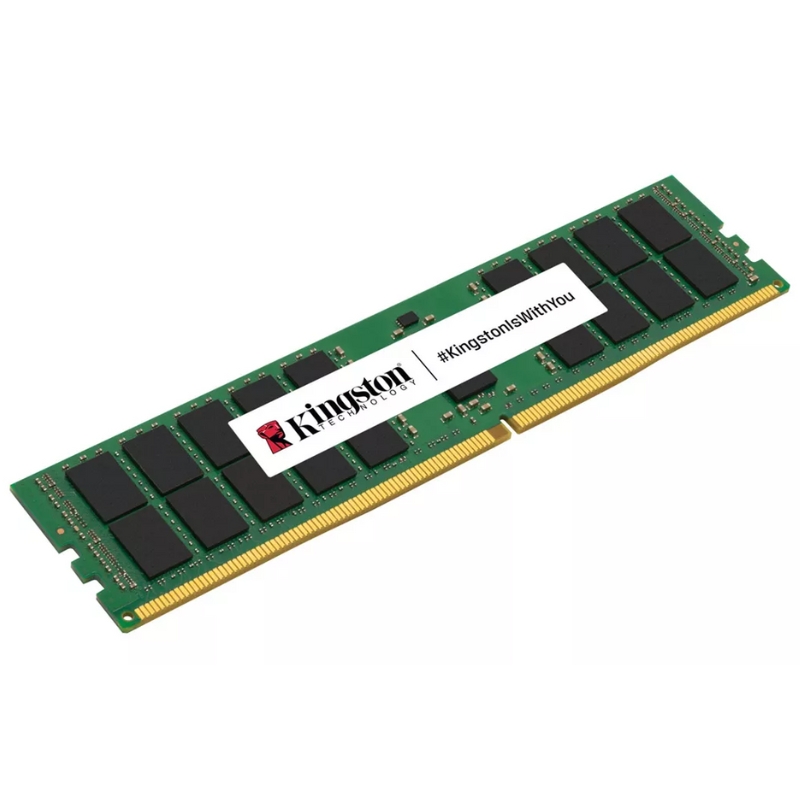


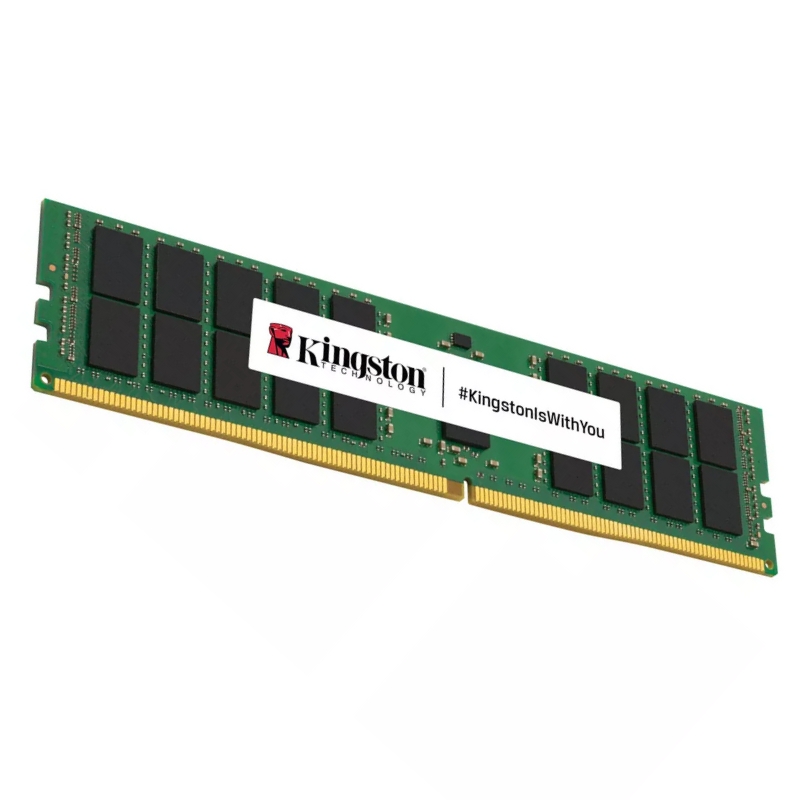
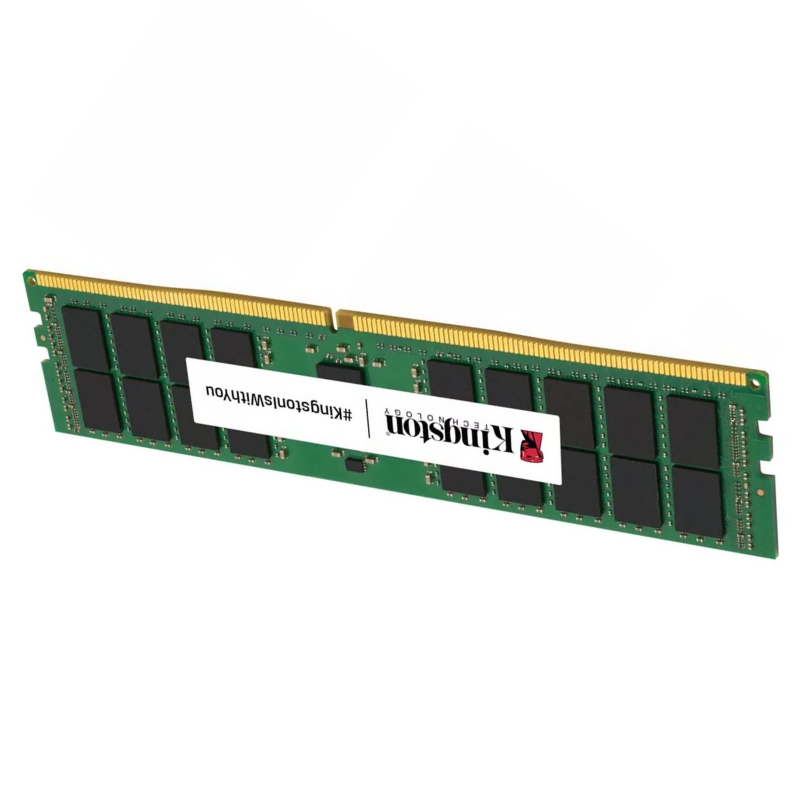
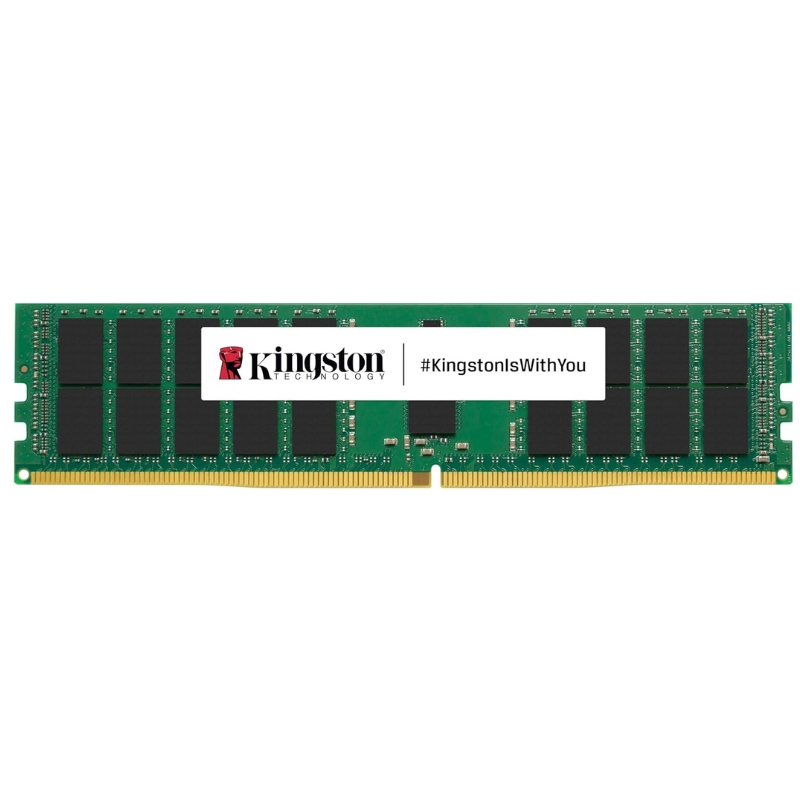
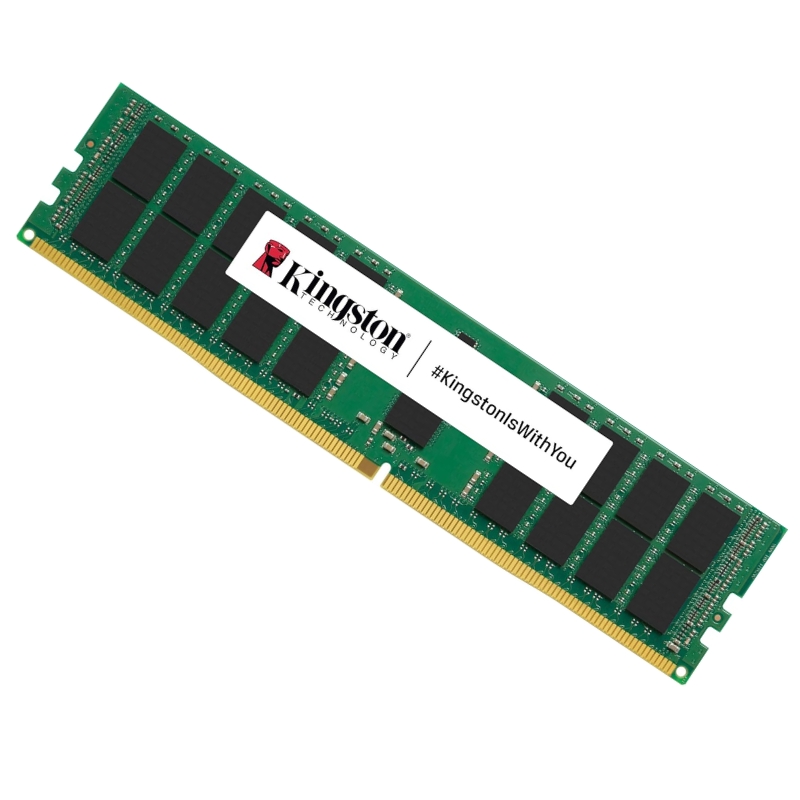
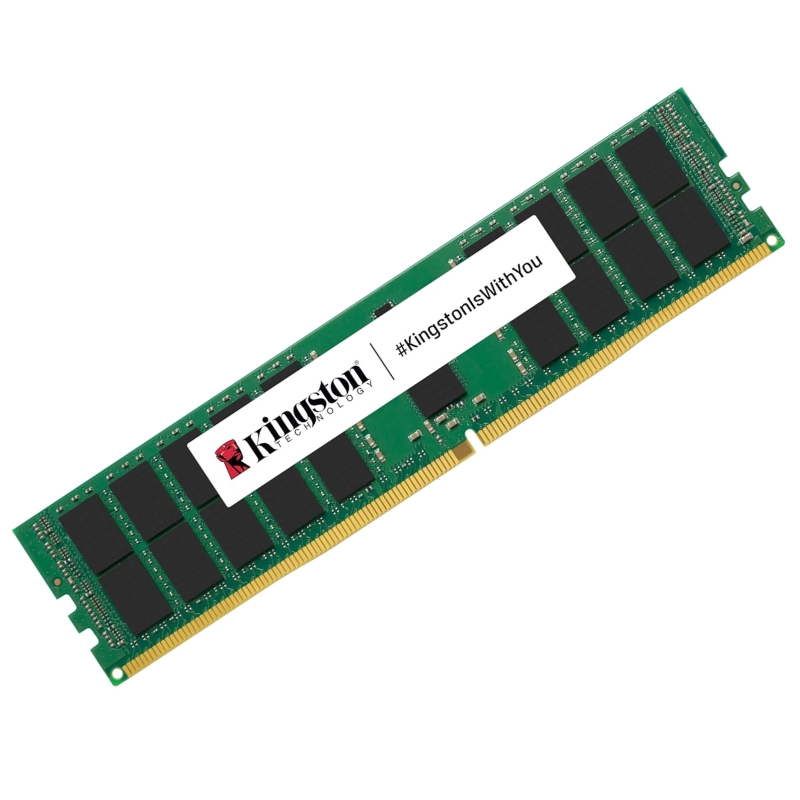
KTL-TS548E-32G Kingston 32GB DDR5 PC5-38400 SDRAM 4800MHz Dual-Rank CL40 1.10V ECC Unbuffered 288-Pin Dimm for Workstation Memory Module. Factory-Sealed New in Original Box (FSB) with 3 Years Warranty
The Kingston KTL-TS548E-32G is a high-performance 32GB DDR5 PC5-38400 SDRAM module engineered for professional server environments. With advanced ECC error correction and optimized speed, it ensures reliability and efficiency for demanding workloads.
The Kingston KTL-TS548E-32G 32GB DDR5 PC5-38400 SDRAM workstation memory module represents a major advancement within the category of next-generation DDR5 unbuffered ECC DIMMs designed for high-precision computing environments. As modern professional workstations evolve to handle increasingly complex workflows, the demand for memory that delivers greater bandwidth, accelerated speeds, and improved reliability has grown dramatically. This memory module meets those evolving requirements by offering a 4800MHz frequency, low-voltage operation at 1.10V, advanced error-correction capabilities, and dual-rank architecture tailored for optimized workstation stability. Within the broader spectrum of professional memory solutions, this high-performance module stands out as an essential component for content creation, design engineering, virtual environments, and large-scale data processing tasks.
The transition from DDR4 to DDR5 represents a monumental shift in the workstation memory segment. DDR5 technology introduces substantial improvements in bandwidth, energy efficiency, and data integrity that redefine what professional users can expect from their systems. The Kingston KTL-TS548E-32G module is part of this new era, representing not only a higher-speed memory solution but also an entirely new architecture designed for sustained multitasking and demanding processing loads. The DDR5 category is known for its expanded capacity potential, on-die ECC enhancements, and improved channel efficiency, aligning perfectly with the needs of advanced workstation platforms used in engineering, architecture, 3D visualization, and data analysis. In this category, DDR5 modules bring innovation that elevates memory responsiveness, enabling seamless operation even when large numbers of applications and background processes run simultaneously.
One of the defining characteristics of DDR5 memory is its significantly increased bandwidth when compared with earlier generations. This improvement is crucial for workstation environments where the speed at which data moves between memory and the processor directly impacts performance. With its PC5-38400 bandwidth classification, the Kingston KTL-TS548E-32G provides a formidable data rate that enhances productivity in applications such as video rendering, scientific simulation, and high-resolution content production. As workstation users frequently engage in workflows involving massive datasets, this broader bandwidth ensures faster load times, improved program responsiveness, and reduced system bottlenecks.
The internal architecture of DDR5 introduces new structural improvements that dramatically increase efficiency. With dual independent 32-bit channels per DIMM, workstation users can depend on smoother memory operations and more consistent throughput during demanding workflows. The Kingston KTL-TS548E-32G adopts this architecture to ensure that processing cores receive a constant supply of data, helping reduce lags and slowdowns during operations that require significant computation power. These architectural refinements play an essential role in real-time simulations, CAD rendering, financial modeling, and AI-assisted applications, offering users a level of fluidity and precision that previous memory standards could not match.
Although DDR5 modules often feature higher CAS latency numbers, the overall latency performance as measured during real-world scenarios significantly improves due to the increased frequency and architectural enhancements. The CL40 timing of the Kingston KTL-TS548E-32G, when combined with the extreme speed of 4800MHz, ensures reduced memory access delays in advanced computing tasks. Professionals working with digital forensics, analytics engines, or deep learning models will find that memory latency reductions dramatically improve execution time. These optimizations ultimately translate to smoother workflow transitions and better system stability.
The shift to 1.10V power consumption represents a major advantage for systems that run continuously, such as workstations supporting enterprise-level tasks. The Kingston KTL-TS548E-32G operates at this reduced voltage level, cutting power usage while maintaining full performance. Lower energy consumption not only contributes to a cooler internal environment but also supports system longevity by reducing thermal stress. Because heat is a major concern in professional setups that utilize multiple memory modules, the power efficiency of DDR5 becomes a valuable feature for workstations designed for sustained workloads.
The category of ECC unbuffered memory is essential for professional workstation environments where data accuracy and processing reliability are crucial. The Kingston KTL-TS548E-32G belongs to this category, offering error-correcting capabilities that help prevent system crashes caused by transient memory errors. Unlike registered DIMMs used in servers, ECC unbuffered DIMMs maintain lower latency while still providing critical error-detection and correction features. This makes them ideal for high-performance desktop workstations used by engineers, researchers, financial analysts, and media professionals who require uninterrupted workflows and dependable computing precision.
One of the prominent advantages of ECC memory is its ability to identify and correct single-bit errors automatically. This feature is vital in fields where even minor data corruption can lead to inaccurate results or system instability. The Kingston KTL-TS548E-32G’s ECC functionality ensures data remains reliable even during intensive tasks such as database management, numerical simulations, and algorithmic computations. Within workstation categories, this reliability plays a critical role in preventing downtime and preserving data accuracy throughout long processing cycles.
The unbuffered design of this memory module enhances speed and responsiveness by allowing more direct communication with the system’s memory controller. This design is beneficial for workstation users seeking low-latency operations paired with strong error-correction capabilities. Whether the workstation is handling multi-threaded workloads, large memory pools, or software development tools, unbuffered ECC memory ensures a flexible and responsive computing atmosphere.
The Kingston KTL-TS548E-32G is engineered for compatibility with various high-end workstation motherboards that support DDR5 unbuffered ECC memory. This broad compatibility ensures smooth installation and dependable performance across platforms used for creative design, product engineering, and scientific computing. As workstation platforms continue to evolve and incorporate more advanced chipsets and processors, this DDR5 module remains a reliable solution designed to support next-generation computing environments.
Many workstation users operate systems continuously for extended periods, especially in environments involving simulation rendering, machine learning workloads, or virtualization tasks. The Kingston KTL-TS548E-32G excels in these continuous-use scenarios thanks to its ECC capabilities, high bandwidth, and optimized power consumption. This combination ensures consistent performance without degradation, helping professionals maintain productivity through long processing cycles and heavy multitasking requirements.
Dual-rank memory modules such as the Kingston KTL-TS548E-32G provide improved data organization and access efficiency through multiple rank layers. In professional workstation categories, dual-rank modules frequently outperform single-rank alternatives because they can deliver higher throughput and better multitasking performance. This improved data distribution allows processors to access multiple banks more efficiently, making dual-rank memory ideal for creative applications, professional visualization tools, and multitasking-intense environments such as software development workflows.
The dual-rank configuration of this memory module offers tangible improvements in memory bandwidth and command efficiency. Workstation systems equipped with dual-rank modules benefit from improved background task handling and reduced latency during memory-heavy operations. For users working with photorealistic rendering, multi-layer video editing, virtual instrument libraries, and cloud-based modeling software, these performance gains translate into faster previews, smoother editing, and more accurate simulations.
Professional tasks involving large file structures, extensive codebases, or complex computational models often rely on consistent memory access to maintain software responsiveness. Dual-rank DDR5 memory modules ensure that memory bandwidth is utilized efficiently, which is essential for maintaining workflow stability when switching between heavy applications. This advantage becomes especially important in workstation setups that handle real-time editing, running advanced frameworks, or collaborating across virtualized environments.
Workstation users commonly run multiple advanced applications at once, such as rendering engines, development tools, simulation software, and communication utilities. Dual-rank memory modules offer better responsiveness under these workloads due to their ability to alternate between ranks more efficiently. This structure helps reduce memory stalls and keeps multithreaded operations moving smoothly, delivering a more productive environment for professionals handling complex multitasking scenarios.
For tasks involving rendering, illustration work, architectural modeling, and digital content creation, memory performance plays a fundamental role in determining how efficiently a workstation processes large visual datasets. The dual-rank Kingston KTL-TS548E-32G module supports these tasks by enabling faster access to scene data, geometry structures, high-resolution textures, and simulation frameworks. As a result, project timelines are shortened, and overall workflow fluidity is enhanced.
The Kingston KTL-TS548E-32G finds its ideal usage in professional environments that require both performance and precision. Workstations used for advanced design, development, and computational workloads benefit significantly from the high bandwidth and ECC reliability offered by this memory module. As modern applications scale in complexity and data demands, the need for stable DDR5 memory solutions grows, and this module addresses those needs by providing dependable performance across diverse professional fields.
Engineers and architects rely on workstation memory that can keep pace with highly demanding software such as 3D CAD applications, structural modeling systems, and building simulation tools. The Kingston KTL-TS548E-32G’s speed and reliability allow these applications to run smoothly even when handling sophisticated designs or large assemblies. Memory-intensive features in design suites require consistent bandwidth, and DDR5 technology equips those workstations with the ability to perform calculations faster, produce visualizations more efficiently, and manage multiple design iterations without excessive performance degradation.
Digital artists and animators working on complex 3D projects depend on memory performance for rendering previews, managing textures, and applying high-resolution effects. The dual-rank architecture and high frequency of this Kingston DDR5 module ensure that data is delivered rapidly to the CPU and GPU, reducing delays and improving production quality. Whether developing VFX sequences, producing animated scenes, or constructing detailed character models, artists benefit from a smoother creative pipeline empowered by robust DDR5 workstation memory.
Scientific researchers often work with simulations, data modeling frameworks, and large analytical datasets that require memory capable of managing vast computational workloads. ECC functionality is especially valuable in this field, as data reliability is essential for producing accurate research outcomes. The Kingston KTL-TS548E-32G delivers the precision needed for these tasks by reducing the risk of memory-related calculation errors and ensuring that workstation systems can handle large-scale analysis with confidence.
In software development, efficient memory usage supports faster compilation times, smoother debugging, and improved performance when running virtual machines or containers. The module’s high bandwidth and low-voltage efficiency support long-term development work, making it suitable for environments where multiple development platforms and compilers are used simultaneously. Developers benefit from steady system performance even when managing large codebases, executing multi-process compilation, and maintaining simultaneous testing environments.
Kingston memory products have long been associated with exceptional durability and consistent performance. The KTL-TS548E-32G continues this tradition with its high-quality PCB construction, advanced thermal performance, and strict component selection. These elements ensure that workstation systems built with this module operate smoothly, whether installed in single-module configurations or larger multi-DIMM arrays. The rigorous testing and validation process behind Kingston’s professional-grade memory give users confidence in the module’s ability to perform over years of consistent use.
Workstations running demanding workloads often generate significant heat, particularly when equipped with multiple memory modules. The Kingston KTL-TS548E-32G is engineered to maintain stable performance under these thermal conditions. DDR5’s design inherently reduces voltage requirements, helping lower thermal output while preserving high frequencies. This stability is crucial for multi-hour simulation cycles, prolonged editing sessions, and continuous professional workloads where overheating could affect system performance.
DDR5 technology integrates advanced power management features that enhance module efficiency. The Kingston KTL-TS548E-32G benefits from improved voltage regulation and stable electrical characteristics that reduce noise, promote signal clarity, and strengthen long-term reliability. These advantages directly contribute to the memory module’s longevity and overall workstation performance, particularly during operations involving consistent memory read and write cycles.
Kingston maintains stringent quality standards when producing high-end workstation memory. Each module is validated to meet compatibility requirements across platforms, reducing the likelihood of performance issues. Workstation users who depend on precise output and uninterrupted operation appreciate this level of reliability. When combined with workstation-class processors and chipsets, the Kingston KTL-TS548E-32G contributes to a balanced, optimized, and highly stable system environment.
Memory modules used in professional workstations must withstand continuous workloads over extended periods. The Kingston KTL-TS548E-32G is designed for this type of long-term use, supported by ECC technology, dual-rank architecture, and DDR5 advances that collectively reduce stress on the system. This reliability translates to fewer system interruptions, reduced maintenance requirements, and consistent productivity for users whose work depends on stable memory performance.


 Contact Us
 Information
 Catalog
 Solid State Drives (SSD)
 Network Switches
 Hard Disk Drives
 HBA & Controllers
 PC & Servers
 PC & Server Memory
 CPU & Processors
 Network Routers
 Power Supplies
 Tape Drives & Libraries
 Network Devices
 Computer & Network Cables