(7% discount is applied at checkout)
Cart is empty
Your go-to destination for cutting-edge server products
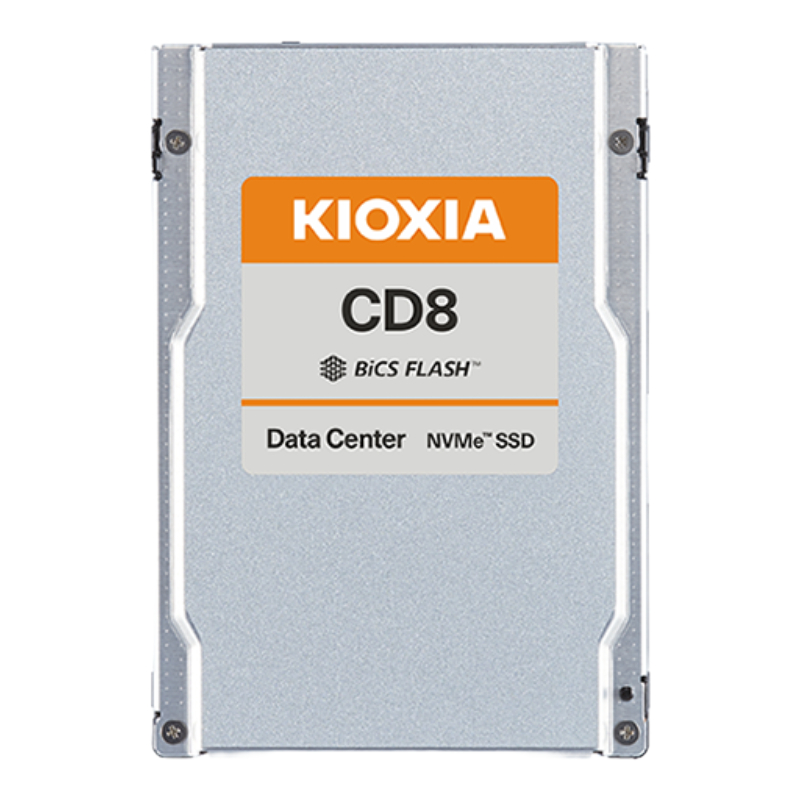


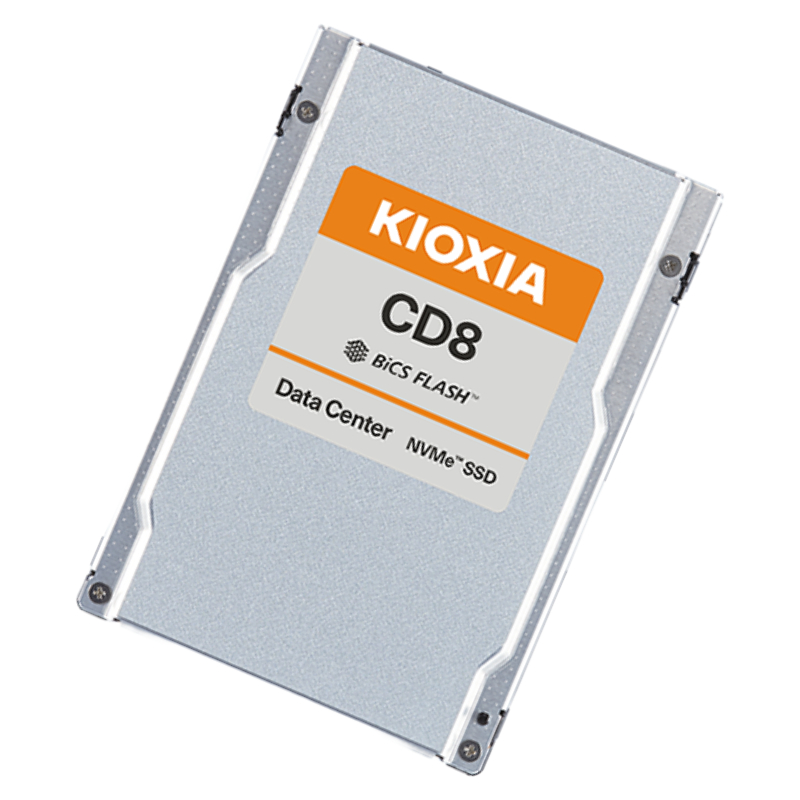
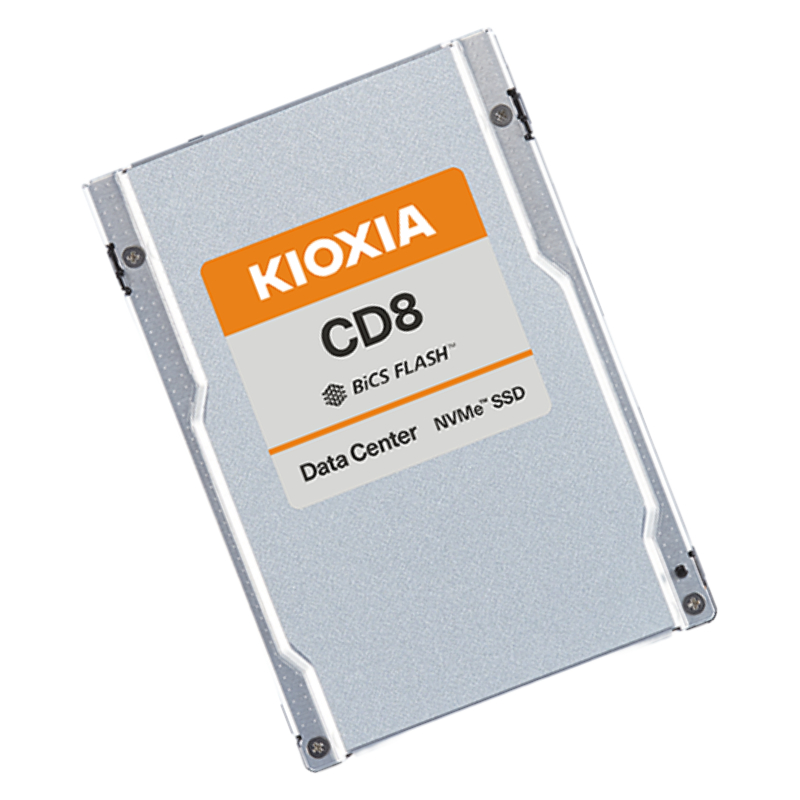
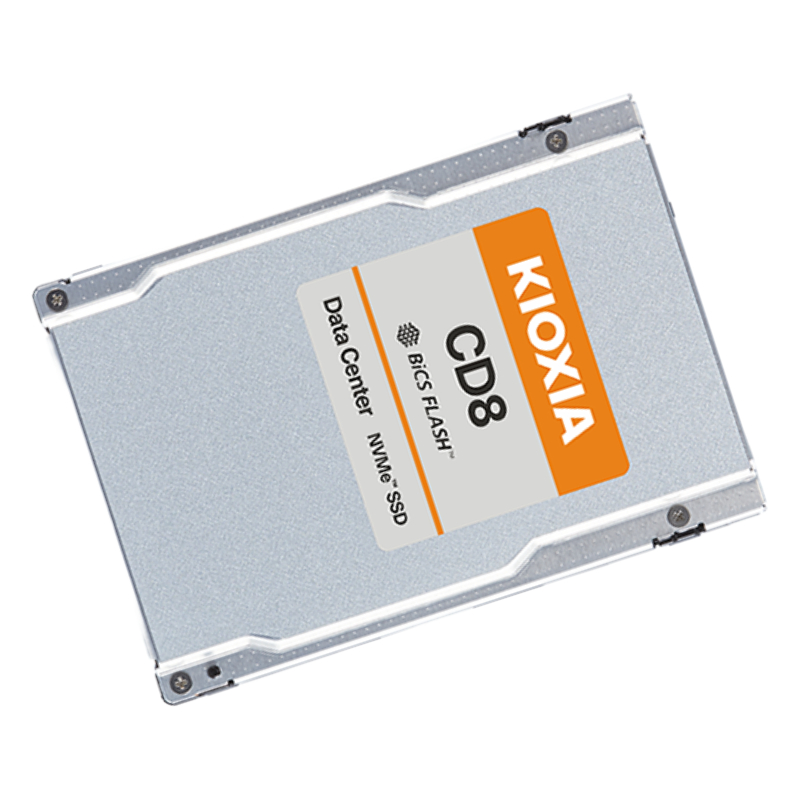
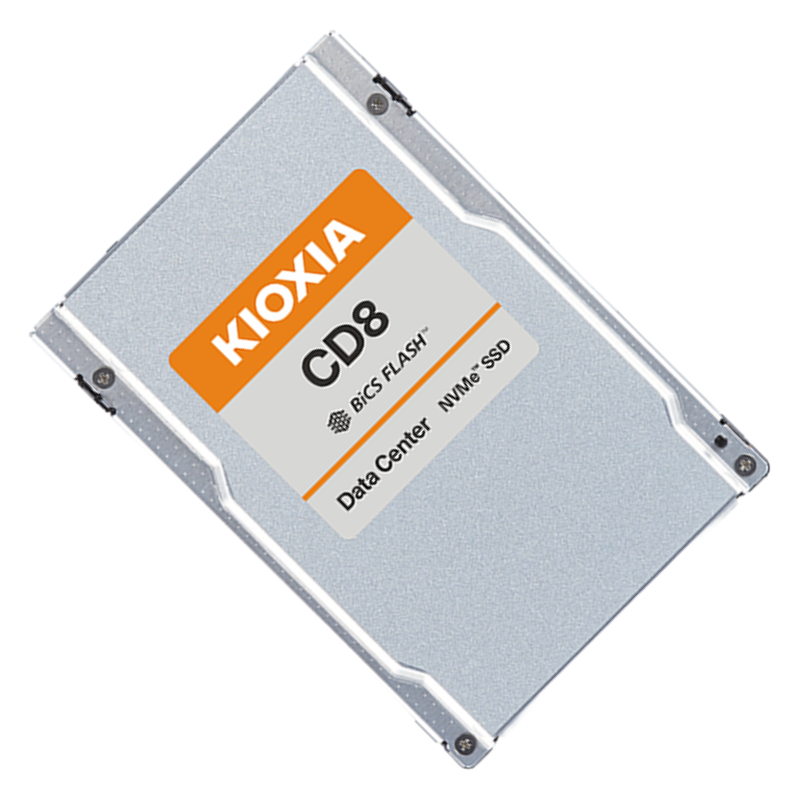
Kioxia KCD8XVUG12T8 CD8-V Series Mixed Use PCI-e 4.0 X4 12.8Terabytes SSD. New Sealed in Box (NIB) with 3 years Warranty
The Kioxia CD8-V Series PCI Express 4.0 (NVMe) solid state drives are engineered for organizations requiring both speed and reliability in mixed-use workloads. Designed with advanced BiCS FLASH TLC memory and cutting-edge NVMe 1.4 protocol, these 2.5-inch SSDs offer impressive performance metrics and outstanding endurance, making them an ideal solution for enterprise-level servers and data centers.
The Kioxia KCD8XVUG12T8 from the CD8‑V Series is a high‑density, enterprise‑grade Mixed Use NVMe SSD engineered for demanding data center workloads. Built on the PCIe 4.0 x4 interface, this 12.8‑terabyte solid‑state drive combines advanced flash management, consistent QoS, and strong endurance characteristics to deliver a balanced blend of performance and reliability for virtualized servers, storage arrays, caching tiers, and mixed read/write applications.
Thanks to the PCIe 4.0 x4 link and Kioxia's controller firmware, sequential read and write speeds are optimized for large block transfers—important for data migration, backup windows, and streaming high volumes of data within and between racks.
Although specifics vary by exact CD8‑V SKU, mixed use drives are typically rated for moderate to high DWPD values, making them suitable for scenarios with sustained, but not extreme, write amplification. Capacity planning should incorporate:
The Kioxia 12.8TB CD8‑V is ideal for consolidation of virtual machines and high‑density VDI pools. Recommendations include:
Packaging 12.8 TB of raw capacity into a 2.5" enterprise SSD simplifies rack density planning and reduces enclosure power and cooling overhead compared with many HDD solutions. Points to consider:
Usable capacity depends on the array’s replication factor, RAID or erasure coding scheme, and any reserved overprovisioning set at the drive or controller level. For maximum endurance and performance consistency, a conservative overprovisioning strategy is recommended for mixed use drives.
Successful deployment depends on platform compatibility and firmware validation. Key integration steps. Firmware controls wear‑leveling, garbage collection, and telemetry. Best practices include staging firmware updates through an integration lab and applying changes at scale only after validation to prevent unintended interactions with RAID controllers, hypervisors, or storage orchestration software.
Features and enterprise readiness
Enterprise SSDs frequently include features to protect sensitive data in multi‑tenant environments. Relevant security capabilities for CD8‑V class drives include:
Kioxia enterprise products typically ship with regulatory and environmental certifications important to enterprise procurement: RoHS, CE, and industry‑standard operating temperature ranges. Verify specific model datasheets for exact compliance details and shock/vibration tolerance required for your deployment.
To evaluate the KCD8XVUG12T8 for a production role, conduct application‑level benchmarks rather than relying on synthetic numbers alone. Recommended evaluation steps. Adjust the read/write ratio, block size, and concurrency to match your production workload. Capture latency percentiles and steady‑state IOPS during the runtime window.
Maintain a small stock of spare drives, especially in large clusters, to speed rebuilds and reduce exposure when drives reach end of life. Oversubscription policies for pools should be designed to account for drive replacement lead times and rebuild performance.
The KCD8XVUG12T8 is suitable for analytic engines and online transaction processing (OLTP) where sustained mixed I/O and low tail latency are business critical. Example approaches:
Edge caching nodes benefit from high capacity and low latency; Kioxia’s 12.8TB drive reduces dependency on larger form factor servers while enabling fast cache hits for frequently requested assets.
Use the CD8‑V as a landing zone for rapid snapshots and backup staging prior to archiving to lower‑cost capacity tiers. Fast restore times reduce RTO and improve recovery SLAs.
Common SSD failure modes often relate to excessive wear, thermal stress, or controller firmware bugs. Mitigation strategies include:
Run workload‑representative tests, validate firmware compatibility, and measure tail latencies under sustained mixed I/O. Consider third‑party independent test reports for additional validation.


 Contact Us
 Information
 Catalog
 Solid State Drives (SSD)
 Network Switches
 Hard Disk Drives
 HBA & Controllers
 PC & Servers
 PC & Server Memory
 CPU & Processors
 Network Routers
 Power Supplies
 Tape Drives & Libraries
 Network Devices
 Computer & Network Cables