(7% discount is applied at checkout)
Cart is empty
Your go-to destination for cutting-edge server products
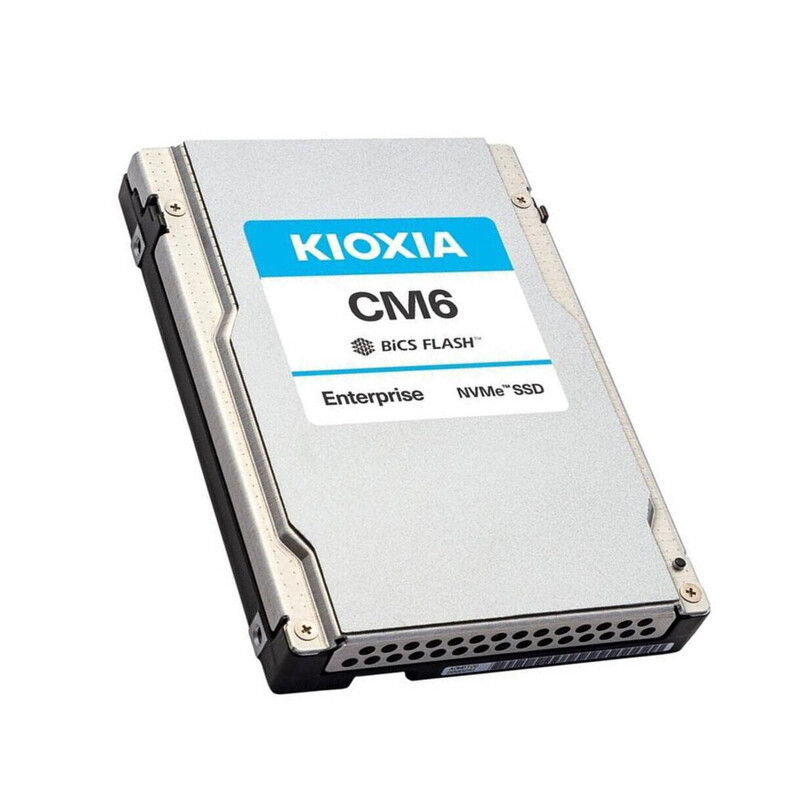


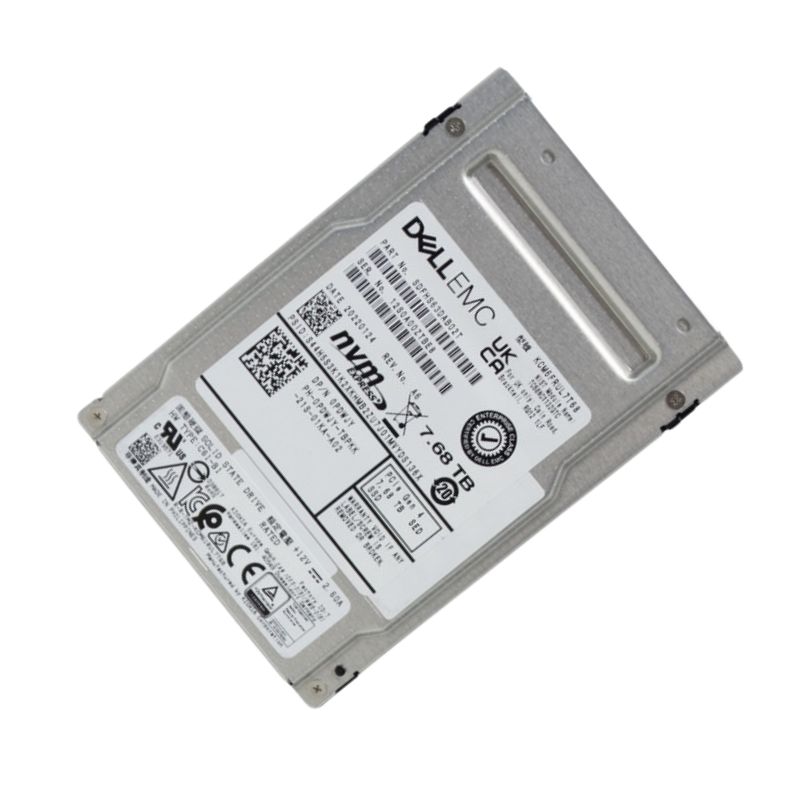
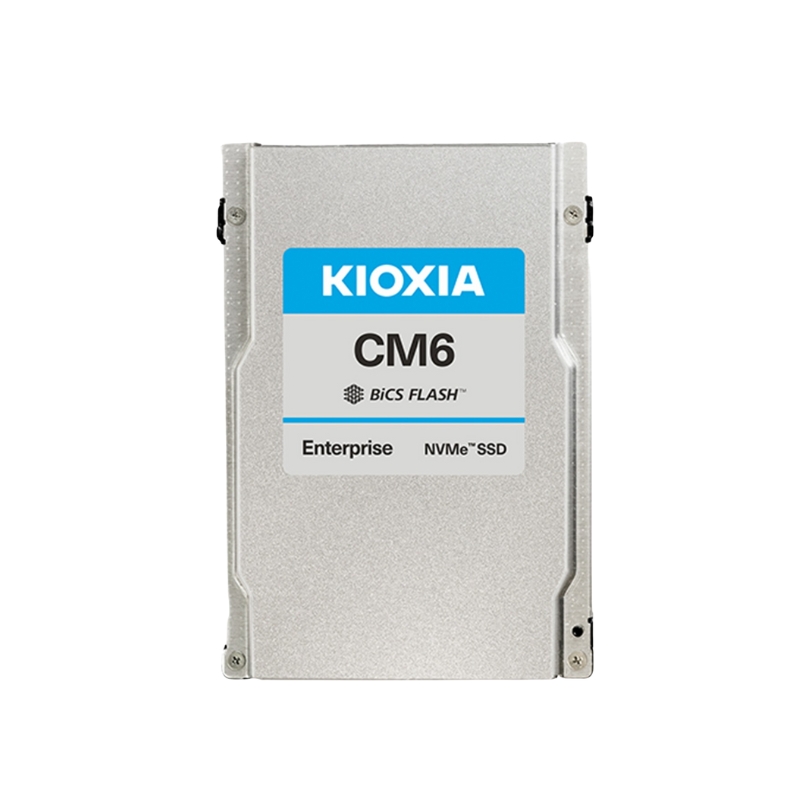
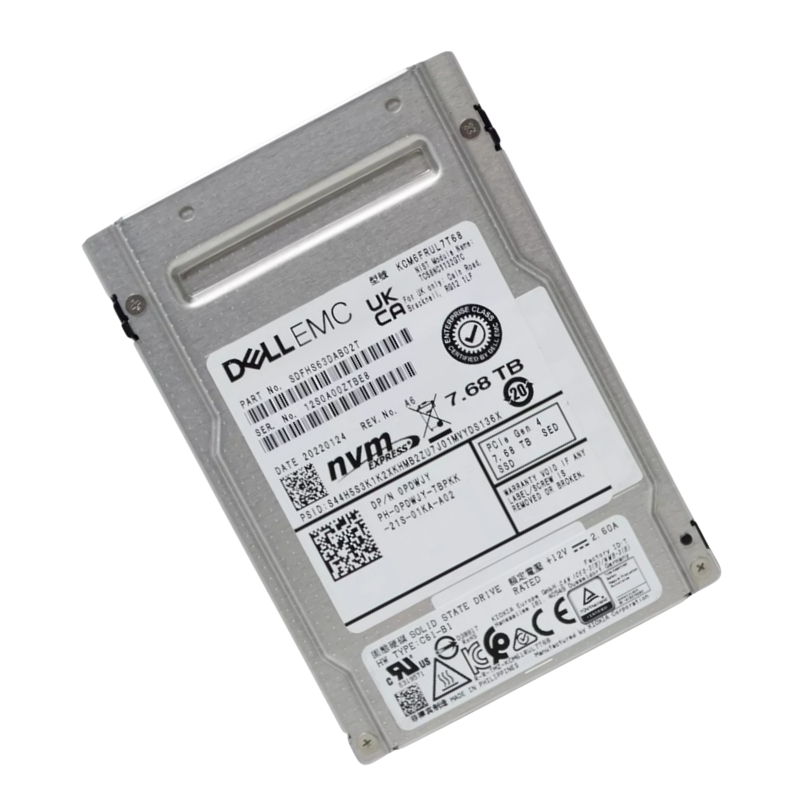
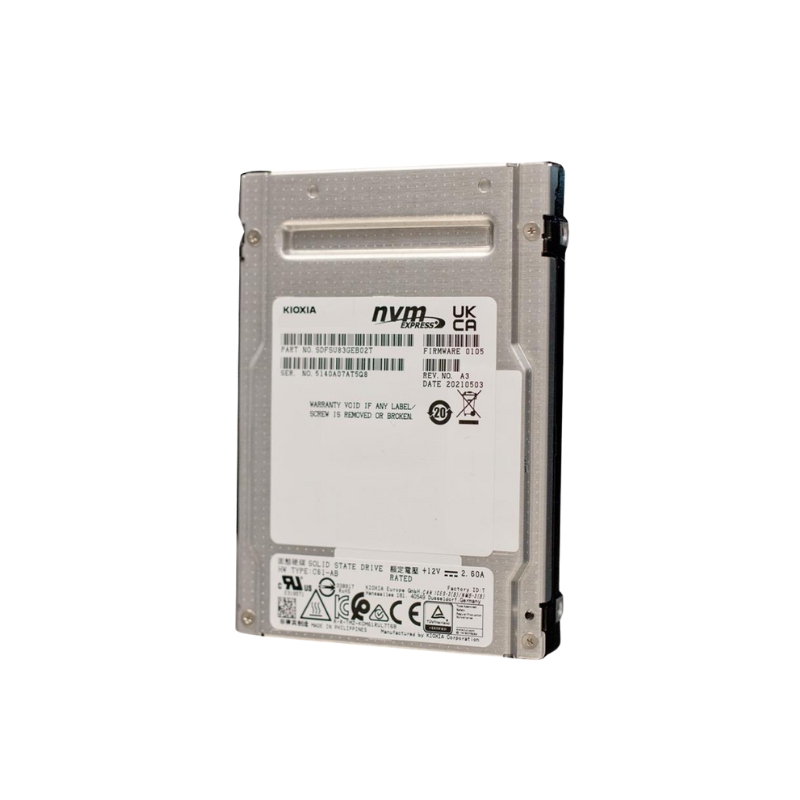
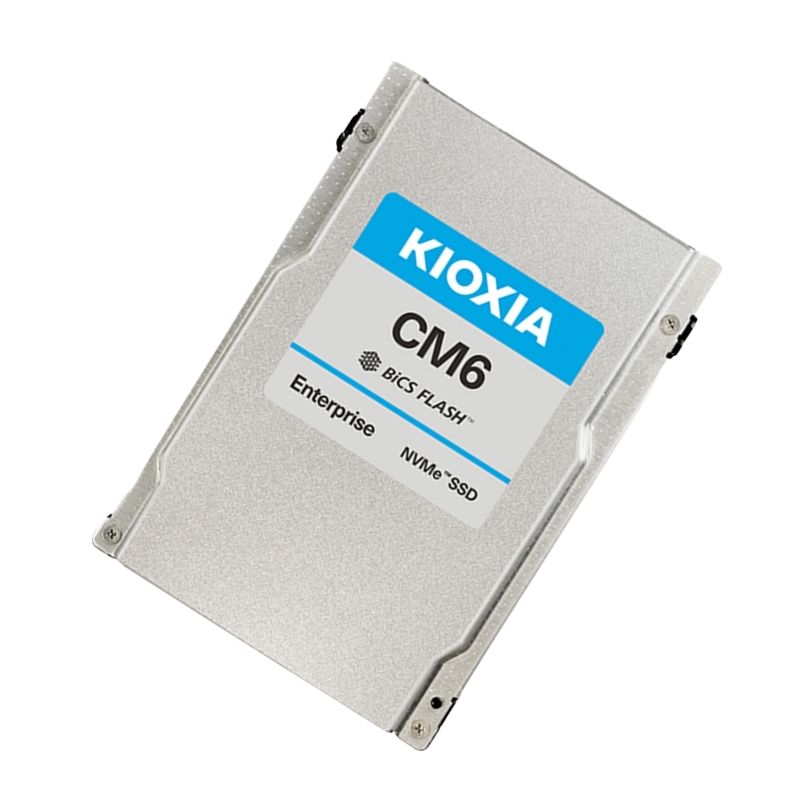
Kioxia KCM6XRUL7T68 7.68TB PCI-E Read Intensive TLC Enterprise Internal SSD. New Sealed in Box (NIB) with 3 Years Replacement Warranty - Dell Version
| SKU/MPN | Warranty | Price | Condition | You save |
|---|---|---|---|---|
| KCM6XRUL7T68 | 1 Year Warranty | Contact us for a price | New Sealed in Box (NIB) | |
| KCM6XRUL7T68 | 1 Year Warranty | $3,319.00 | New Sealed in Box (NIB) | You save: $1,161.65 (26%) |
KIOXIA KCM6XRUL7T68 7.68TB PCIe 4.0 NVMe Enterprise SSD
The KIOXIA Cm6-r KCM6XRUL7T68 is a high-capacity enterprise-grade internal solid state drive engineered for data center storage tiers that require a balance of high read performance, durability and efficient power use. Built on PCI Express 4.0 NVMe technology and KIOXIA’s advanced BiCS Flash TLC, this 2.5" U.3-compatible form factor drive delivers fast sequential throughput, strong random I/O performance and industry-grade reliability metrics.
Key specifications
Key benefits and value propositions
The Cm6-r model is tuned for read-intensive to mixed-use enterprise environments and offers industry-leading throughput for its class.
Enterprise environments demand predictable endurance and long operational lifetimes. The KCM6XRUL7T68 is specified with industry-standard reliability ratings.
When selecting an enterprise NVMe SSD, compare capacity, endurance (DWPD), throughput and form-factor compatibility. The Cm6-r 7.68TB sits in the high-capacity, mixed-use segment — choose higher DWPD models for write-heavy workloads or read-optimized variants for archival/analytics use cases.
Product Overview Of Kioxia KCM6XRUL7T68 7.68TB NVMe
Discover an enterprise-class solid-state drive engineered for data center read-intensive workloads: the Kioxia KCM6XRUL7T68. This 7.68TB NVMe SSD combines high-density NAND, PCI Express Gen4 bandwidth, and multilayer reliability features to deliver consistent low-latency reads, strong random I/O performance, and operational robustness for scale-out storage, caching layers, and read-heavy databases. Use this continuous category description to help purchasers, systems architects, and procurement teams evaluate suitability, integration considerations, and deployment strategies for the Kioxia CM6 family in modern server and storage arrays.
The KCM6XRUL7T68 is designed as a read-intensive enterprise drive with Triple-Level Cell (TLC) NAND — a balance between capacity efficiency and endurance optimized for workloads where reads dominate writes. Key high-level attributes include:
High capacity: 7.68 terabytes of usable flash capacity in a single drive to maximize storage per slot.
PCIe Gen4 x4 interface: Leverages fourth-generation PCI Express lanes for higher sequential throughput and improved IOPS headroom compared to PCIe Gen3 designs.
NVMe protocol: Native NVMe command set for minimal I/O overhead and mature software/ecosystem support in modern operating systems and hypervisors.
TLC NAND with enterprise firmware: Firmware tuned for garbage collection, wear leveling, and consistent latency under multi-tenant or mixed workloads.
Designed for read-intensive endurance profiles: Suited for caching, content delivery, analytics, virtual desktop storage, and read-heavy database query patterns.
For architecture planning, it helps to think of the KCM6XRUL7T68 in terms of three interrelated performance dimensions: sequential throughput, random IOPS, and tail-latency. This drive is tuned to sustain strong sequential reads and excellent random read IOPS at low latency, making it ideal for boot pools, object storage front-ends, read caches, and analytical query engines.
Sequential throughput: The PCIe Gen4 interface increases peak sequential throughput potential compared to Gen3 devices — useful for large file transfers, streaming workloads, and content distribution.
Random IOPS: High queue-depth read performance enables many small, concurrent read requests to be serviced quickly — important for VDI, metadata-heavy systems, and scale-out storage nodes.
Latency consistency: Enterprise firmware, power-loss protection strategies, and thermal controls reduce the likelihood of latency spikes during background operations.
Because the drive is targeted at read-intensive scenarios, endurance metrics and internal write-optimization strategies are balanced against cost per terabyte. This makes the KCM6XRUL7T68 an excellent fit where:
Read activity significantly outweighs write activity (e.g., archival retrieval, media streaming, content distribution).
High capacity per drive is prioritized to reduce rack-level device count and lower total cost of ownership (TCO).
Predictable read performance and capacity density are more important than the absolute highest write endurance available in write-intensive enterprise drives.
Enterprise environments require drives that go beyond raw speed. The Kioxia CM6 series integrates numerous reliability and manageability features to support 24/7 operation in datacenter conditions, including advanced error correction, power-loss protection, secure erase capabilities, and telemetry for drive health monitoring.
Advanced ECC: Multi-bit error correction that increases NAND tolerances and ensures data integrity over the device lifespan.
End-to-end data path protection: Safeguards data from the host to the NAND and back, minimizing the risk of silent data corruption.
Firmware-level consistency checks: Background verification routines that prevent and remediate corruption while minimizing performance impact.
Power-loss protection mechanisms: Design elements that flush volatile metadata and in-flight writes to NAND when unexpected power interruptions occur.
Secure erase and cryptographic erase options: Tools for secure decommissioning of drives or for meeting regulatory data-wiping requirements (implementation may depend on host support).
SMART and telemetry: Rich SMART attributes and vendor telemetry that allow predictive monitoring and capacity planning from storage management platforms and BMCs.
Because dense, high-capacity drives operate under continuous load, thermal management is a crucial planning factor. The CM6 family implements temperature monitoring, thermal throttling policies, and power-optimized idle states to protect NAND and controller health. When integrating 7.68TB SSDs into dense server or appliance platforms, consider front-to-back airflow, drive sled conduction, and rack-level thermal design to sustain performance and longevity.
The KCM6XRUL7T68 is part of a family where multiple form factors may be offered to fit diverse server and storage chassis designs. Typical enterprise options include 2.5-inch U.3/U.2 drives, and variations for direct-board or EDSFF deployments depending on the SKU and vendor. When planning a purchase or retrofit, validate the exact model number and form factor with your vendor or reseller to confirm mechanical and electrical compatibility with your server or backplane.
If the chosen form factor supports hot-swap (e.g., U.3/U.2 trays), follow platform vendor procedures for safe removal and insertion to avoid accidental data corruption. Maintain up-to-date backups and have spare drives available with identical firmware versions and capacity class for rapid replacement in enterprise environments.
High-capacity SSDs reduce the number of drives required to serve large content libraries, which simplifies management and reduces rack space consumption.
Low read latency supports many simultaneous streams and CDN edge cache scenarios, improving end-user experience.
Analytical queries that scan large datasets benefit from sustained sequential read throughput and high random read IOPS.
Lower tail latencies improve query predictability for BI dashboards and interactive analytics workloads.
Boot storms produce thousands of near-simultaneous reads; drives optimized for reads handle these bursts more cost-effectively than higher-endurance write-intensive devices.
Capacity density enables larger user pools per chassis, simplifying storage footprint and reducing the number of spares needed.
When used as a front-end cache for object or distributed storage clusters, these SSDs accelerate reads and reduce latency for metadata and hot-object access.
High capacity per node allows caching of a larger percentage of hot data in front of slower archival tiers.
Choosing 7.68TB drives affects procurement strategy and operational economics. A smaller number of higher-capacity devices reduces per-rack device count, simplifies cabling and maintenance, and often reduces power and cooling overhead. However, higher capacity means fewer spindles for parallel I/O compared to smaller drives multiplied many times — so architecture should match workload concurrency patterns.
High-capacity drives lengthen rebuild times if a drive fails, and rebuild activity increases wear on remaining drives. To mitigate this:
Use erasure coding or modern parity schemes tuned for large devices.
Employ N+M redundancy with automated rebuild throttling to balance rebuild speed and system impact.
Leverage background scrubbing and predictive monitoring to surface failing drives before catastrophic failures occur.
Self-encrypting drive (SED) support: Many enterprise SSDs provide hardware-based encryption options; verify the exact feature set for the chosen SKU and the requirements of your security policy.
Secure erase procedures: Use vendor-recommended erase commands or cryptographic-erase workflows during decommissioning to meet regulatory obligations for data sanitization.
Integrate SMART data, telemetry, and vendor logs into your storage monitoring and SIEM solutions to enable traceability and forensic readiness. Logging I/O errors, thermal events, and firmware updates supports compliance audits and security operations.
When selecting an SSD for enterprise use, teams typically evaluate three broad classes: read-intensive, mixed-use, and write-intensive drives. The KCM6XRUL7T68 sits in the read-intensive bucket — prioritizing capacity and read performance at a favorable price point. Key decision criteria to compare include endurance rating (drive writes per day), warranty duration, performance under sustained mixed loads, and cost per usable GB.
To maximize lifespan and performance of enterprise drives like the KCM6XRUL7T68, follow vendor recommendations and general SSD operational best practices. These practices help avoid premature wear, prevent data loss during unexpected events, and extend mean time between failures (MTBF) at scale.
Collect SMART attributes and vendor telemetry regularly to detect increasing error rates or endurance wear.
Track host-level write amplification and plan capacity thresholds to prevent unexpected write storms that accelerate wear.
Automate alerting for temperature excursions, high media errors, and increasing latency metrics.
Apply firmware updates in maintenance windows after validating in staging environments; firmware updates can include important reliability fixes and performance improvements.
Document firmware versions in your asset inventory and retain rollback plans where possible.
When embedding this content into a product or category page, use schema markup for product and offer data, include clear bullet-point specifications near the top of the page, and place technical datasheets and firmware/compatibility links prominently. Add customer-oriented resources such as deployment guides, thermal and power planning notes, and a concise compatibility matrix for major server OEMs to increase buyer confidence and conversion rates.


 Contact Us
 Information
 Catalog
 Solid State Drives (SSD)
 Network Switches
 Hard Disk Drives
 HBA & Controllers
 PC & Servers
 PC & Server Memory
 CPU & Processors
 Network Routers
 Power Supplies
 Tape Drives & Libraries
 Network Devices
 Computer & Network Cables