(7% discount is applied at checkout)
Cart is empty
Your go-to destination for cutting-edge server products


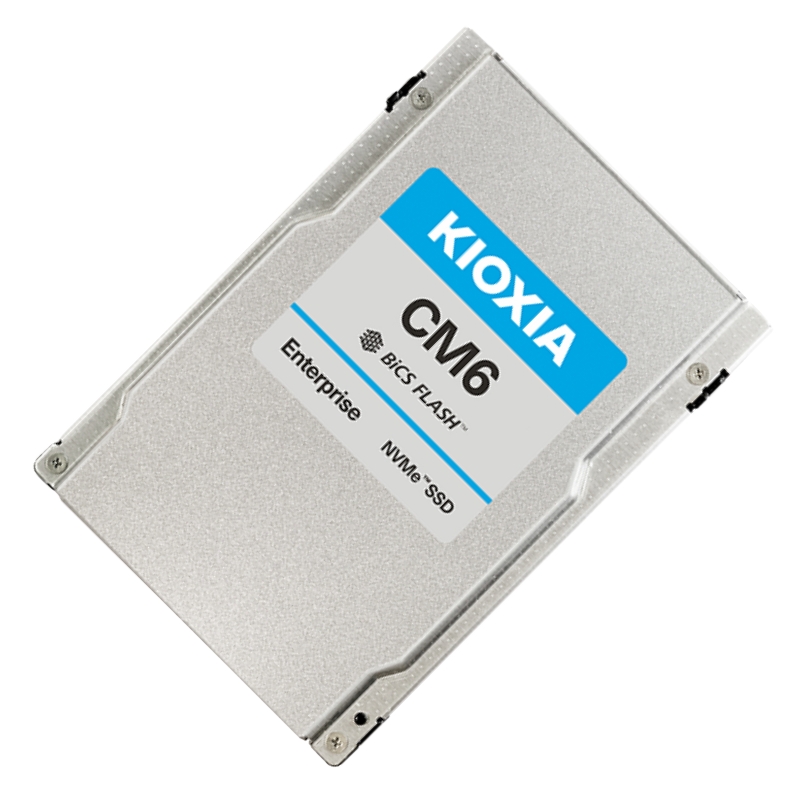
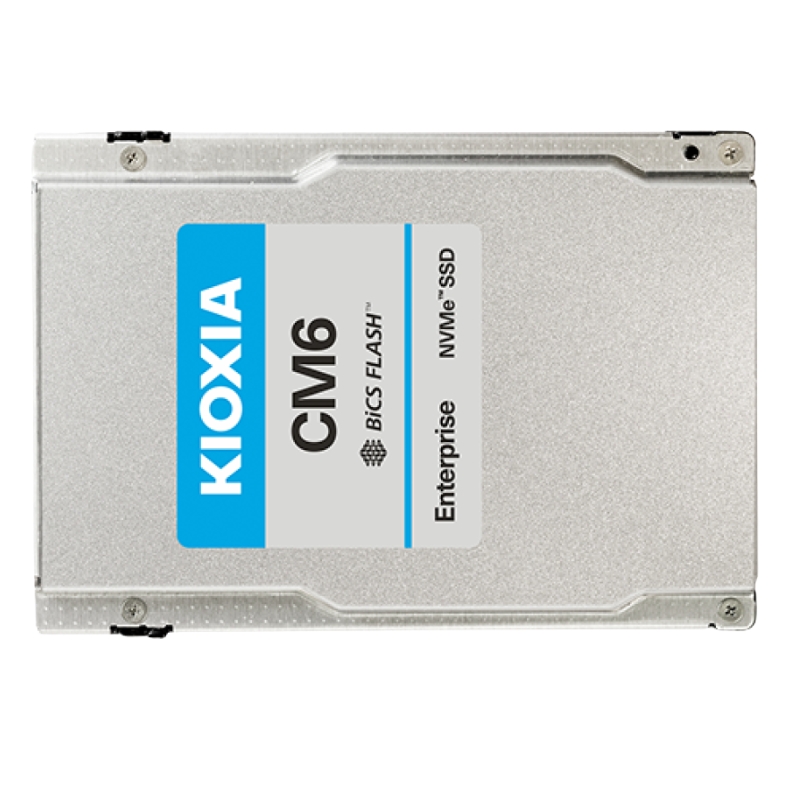
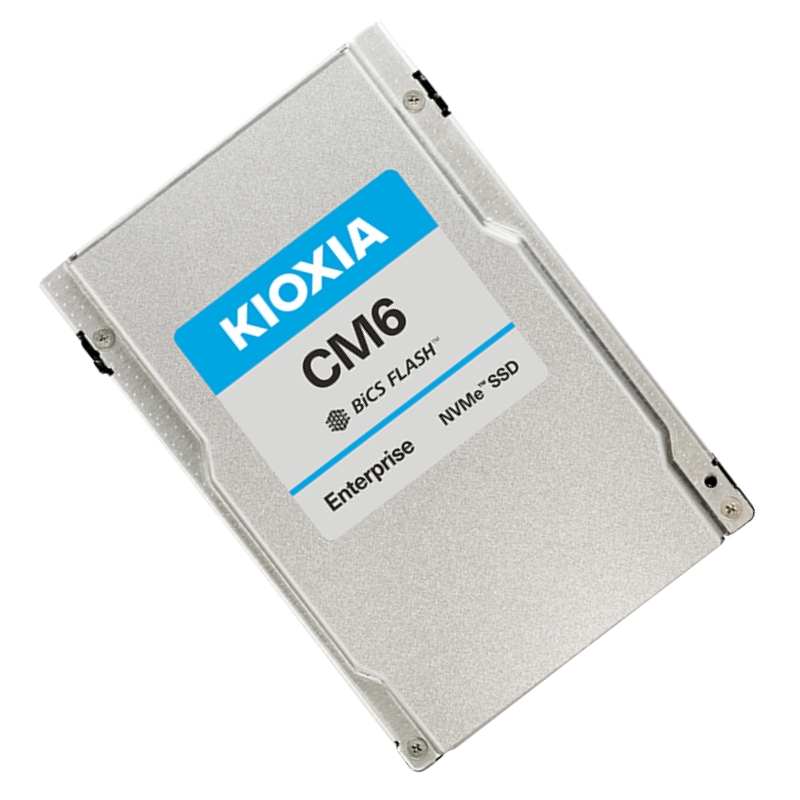
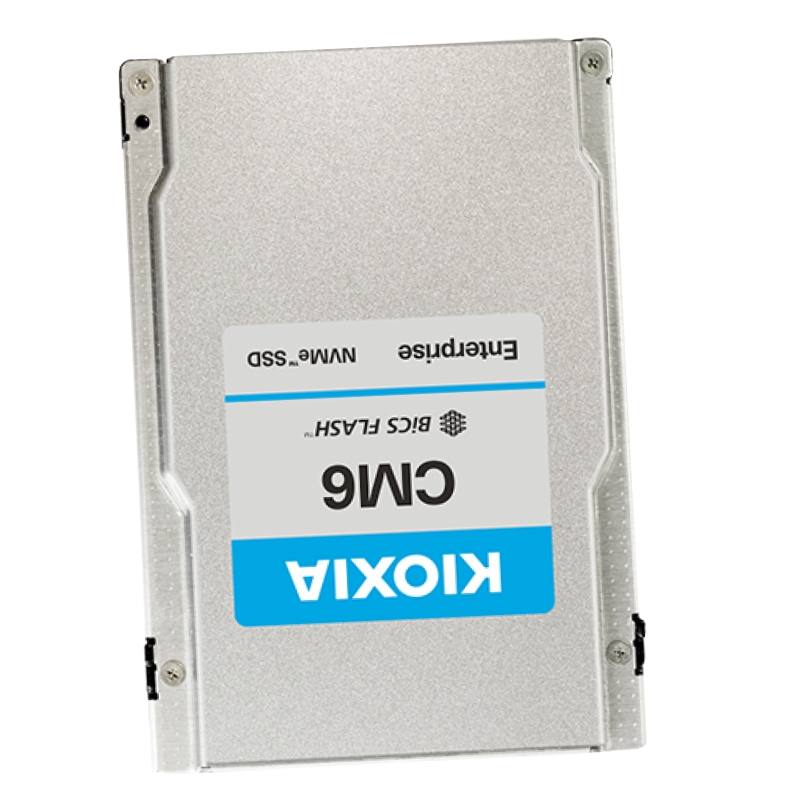
Kioxia SDFHQ81DSB02T 12.8TB Mixed Use CM6V PCIe 2.5Inch NVMe SSD. Excellent Refurbished with 1 year replacement warranty - Dell Version
Engineered for data centers and enterprise applications demanding exceptional throughput and reliability, the KIOXIA SDFHQ81DSB02T is a high-capacity internal solid-state drive. It leverages cutting-edge technology to deliver remarkable speed and unwavering endurance for the most rigorous workloads.
This drive is defined by its formidable set of primary specifications, establishing it as a top-tier storage solution.
The drive achieves staggering transfer rates and input/output operations, redefining expectations for storage speed.
Designed for continuous operation, this SSD offers outstanding reliability metrics crucial for enterprise environments.
Overview — Enterprise Mixed-Use NVMe SSD Optimized for High-Performance Workloads
The Kioxia SDFHQ81DSB02T 12.8TB is a high-capacity, enterprise-grade NVMe SSD designed to deliver consistent, high-speed performance across mixed-use workloads. Engineered for data centers, cloud computing, virtualization, and high-demand enterprise applications, this 2.5-inch, 15mm form factor drive leverages PCIe Gen4 connectivity and NVMe 1.4 protocols to optimize read and write operations while maintaining low latency. Built on advanced BiCS4 3D TLC flash memory, it provides robust performance for environments where balanced endurance and high IOPS are essential.
The SDFHQ81DSB02T employs PCIe Gen4 x4 lanes with NVMe 1.4 protocol support, delivering up to double the bandwidth of Gen3 drives. This interface ensures compatibility with modern server platforms and allows high-speed data transfers for sequential and random workloads. PCIe Gen4 connectivity is particularly beneficial in hyperconverged and cloud architectures, where multiple high-performance SSDs may be deployed in a single node, maximizing throughput and reducing I/O bottlenecks.
The 2.5-inch, 15mm U.2 form factor of the CM6V drive is optimized for enterprise storage racks, providing high-density storage while maintaining ease of replacement and serviceability. With a massive capacity of 12.8TB, this SSD is ideal for hosting mixed-use workloads, including virtual machine storage, database applications, and tiered storage environments. The combination of high capacity and U.2 form factor allows for efficient use of server bays and simplifies deployment across data center clusters.
Leveraging BiCS4 3D TLC NAND, the SDFHQ81DSB02T offers a strong balance of endurance and cost efficiency. The drive is categorized as Mixed-Use (MU), supporting moderate write workloads in addition to read-heavy operations. Its endurance rating, measured in Drive Writes Per Day (DWPD), ensures reliability for enterprise applications that require both performance and longevity. This makes it suitable for high-concurrency applications, database logging, transactional workloads, and other environments that involve a blend of read and write operations.
The CM6V SSD delivers high sequential performance, essential for applications involving large file transfers, backups, and streaming workloads. Typical sequential read speeds can reach up to 7,000 MB/s, while sequential write performance is around 3,500 MB/s. These speeds allow for rapid data movement and improved application responsiveness, particularly in systems that rely on high-throughput storage channels.
Designed for high-density deployments, the CM6V drive features optimized power consumption, typically around 18-20W under peak load and lower idle power states to reduce energy costs. Thermal management is essential for maintaining drive longevity and performance. The drive supports dynamic thermal throttling and monitoring, allowing data center operators to maintain stable operating conditions even during sustained heavy workloads.
The SDFHQ81DSB02T includes integrated power loss protection to safeguard in-flight data during unexpected power events. Capacitor-based backup systems ensure that writes in progress are safely committed to NAND memory, protecting critical enterprise data from corruption and reducing potential downtime.
This mixed-use SSD implements end-to-end data path protection, internal ECC, and RAID-like parity across NAND channels, ensuring data integrity and high reliability. These features are particularly valuable in mission-critical applications such as database storage, virtualization, and large-scale analytics, where even minor data corruption can have significant operational consequences.
Modern data centers require real-time monitoring of storage devices. The CM6V drive exposes SMART attributes, NVMe log pages, and health telemetry, allowing administrators to track media wear, error rates, temperature, and overall drive performance. This proactive monitoring helps plan maintenance, replacement cycles, and ensures consistent system reliability.
Enterprise environments often require data-at-rest encryption. The CM6V supports hardware-based encryption and can integrate with key management systems for secure storage. Optional support for self-encrypting drive (SED) standards ensures that sensitive information remains protected while meeting compliance requirements.
With balanced read and write performance, the SDFHQ81DSB02T is ideal for virtualized workloads, including VDI deployments, database servers, and cloud-native applications. Its low latency and high IOPS enable multiple virtual machines to access storage concurrently without performance degradation, supporting high-density compute environments efficiently.
The mixed-use endurance and high random IOPS make this SSD suitable for relational and NoSQL database workloads. Transactional operations benefit from consistent low latency, while sequential writes support batch processing, backups, and replication tasks. By combining high capacity with MU endurance, organizations can consolidate database storage into fewer drives, optimizing rack density.
The CM6V drive fits well in tiered storage strategies, serving as a high-performance layer for frequently accessed data while slower storage tiers handle archival or cold data. Its 12.8TB capacity allows large datasets to remain in fast NVMe storage, improving analytics performance and reducing time to insight.
Full PCIe Gen4 performance requires host platforms with compatible CPU and motherboard support. Ensure sufficient x4 lanes per drive and proper backplane configurations to avoid bandwidth bottlenecks. The CM6V is backward compatible with Gen3 but will operate at reduced speeds in those configurations.
Up-to-date NVMe drivers and firmware are critical for optimal performance. The CM6V drive supports NVMe 1.4 features such as namespace management, multipathing, and secure erase functions. Regular firmware updates can improve reliability, optimize performance, and provide enhanced features.
Ensure U.2 or U.3 backplanes are compatible with the 2.5-inch, 15mm form factor. Proper airflow is essential to maintain thermal efficiency and avoid throttling during sustained high-performance operations. Adequate bay spacing and chassis airflow planning contribute to consistent performance and drive longevity.
Apply a controlled firmware update process: validate updates in a test environment, monitor for any anomalies, and schedule updates during maintenance windows. Maintain rollback procedures in case of unexpected behavior to minimize disruption.
Mixed-Use (MU) SSDs like the SDFHQ81DSB02T are designed for workloads that require both high read and moderate write performance. Read-Intensive drives are better suited for workloads dominated by reads, whereas Write-Intensive drives are designed for heavy, sustained writes. Choosing the appropriate endurance class ensures optimal cost efficiency, performance, and lifespan.
Its strengths include virtualization, database consolidation, tiered storage, and cloud-scale deployments. The balance of capacity, performance, and endurance allows operators to maximize storage density while ensuring low-latency access and predictable throughput. The 12.8TB capacity per drive also reduces the number of drives needed, improving power and cooling efficiency.


 Contact Us
 Information
 Catalog
 Solid State Drives (SSD)
 Network Switches
 Hard Disk Drives
 HBA & Controllers
 PC & Servers
 PC & Server Memory
 CPU & Processors
 Network Routers
 Power Supplies
 Tape Drives & Libraries
 Network Devices
 Computer & Network Cables