(7% discount is applied at checkout)
Cart is empty
Your go-to destination for cutting-edge server products
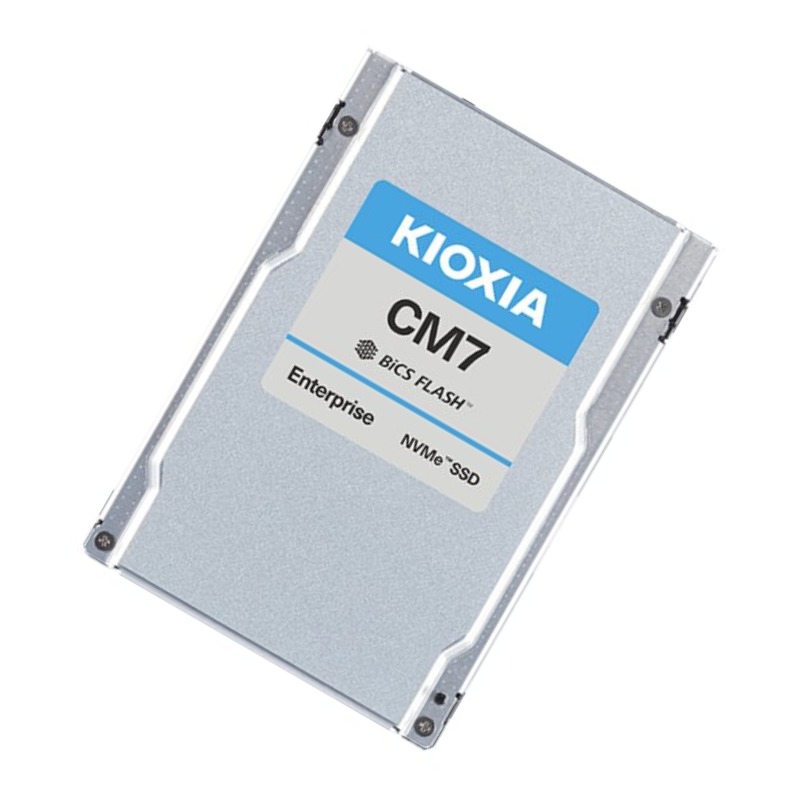


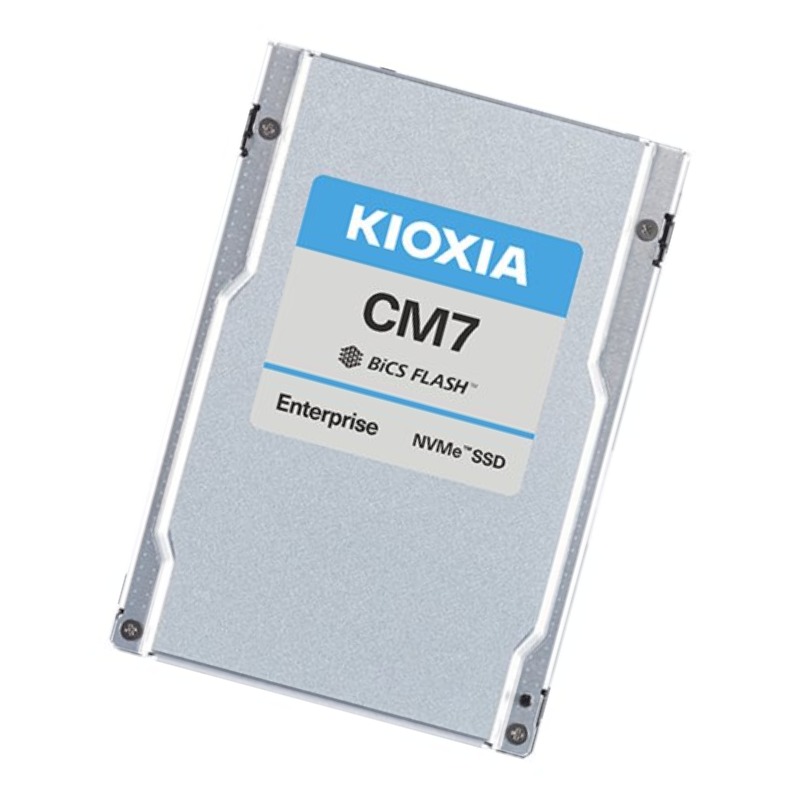
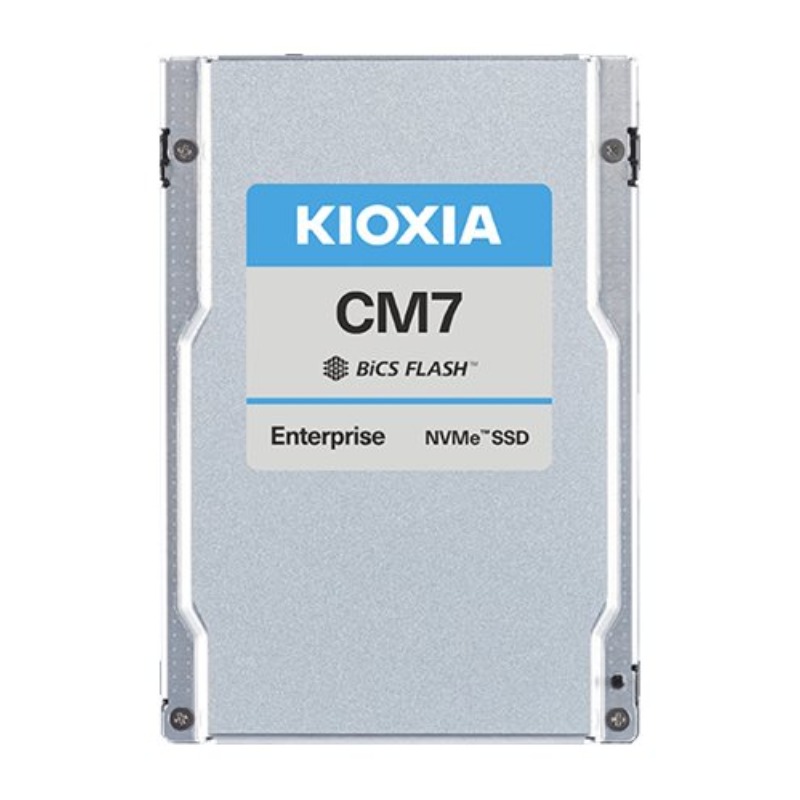
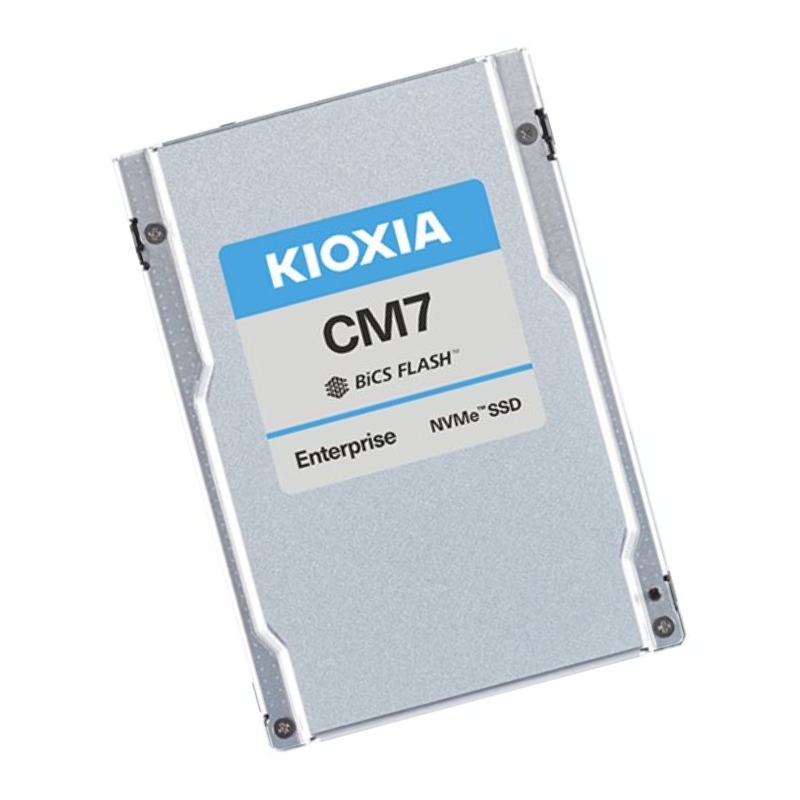
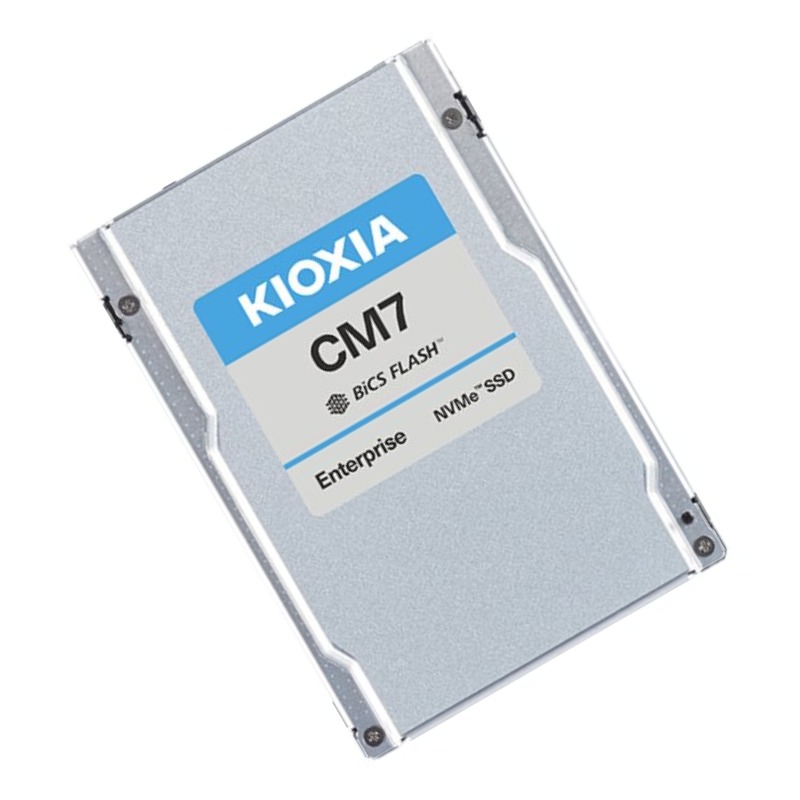
Kioxia SDFU081DHB04T PM7-R Series 15.3TB SAS 24GBPS SIE Read Intensive Bics Flash TLC 2.5inch Enterprise Internal Solid State Drive. New Sealed in Box (NIB) with 3 years Replacement Warranty - Dell Version
Discover a high-end enterprise storage option designed for demanding workloads. The KIOXIA PM7-R Series 3.84TB SAS 24Gb/s read-intensive SSD brings exceptional speed, reliable architecture, and advanced BiCS FLASH TLC technology to modern data centers requiring consistent throughput and robust endurance.
The SDFU081DHB04T Kioxia PM7-R Series 15.3TB SAS 24GBPS SIE Read Intensive TLC Enterprise Internal Solid State Drive belongs to a specialized class of enterprise-grade storage built for the highest levels of reliability, performance consistency, and data security in mission-critical server and datacenter environments. This storage category focuses on high-end SAS SSD solutions engineered for applications such as large-scale analytics platforms, high-volume transaction environments, hyperscale server arrays, enterprise virtualization clusters, and cloud infrastructure requiring both exceptional throughput and robust protection mechanisms. Designed for optimized read-intensive workloads, this drive balances enormous storage capacity with predictable latency and advanced error-handling features, making it an ideal choice for IT operations prioritizing performance predictability and long-term endurance.
Enterprise SAS SSDs like the SDFU081DHB04T differ significantly from standard SATA or consumer NVMe drives due to their enhanced architecture, superior controller design, advanced firmware algorithms, and enhanced power-loss protection. The SIE (Sanitize Instant Erase) capability adds an additional layer of confidence for organizations handling regulated or sensitive data, enabling near-instant secure wiping of onboard flash modules during drive decommissioning. Combined with a 24Gbps SAS interface, which doubles the throughput of previous-generation SAS 12Gbps drives, the technology embedded in the PM7-R Series is engineered for environments where predictable uptime, consistent latency, and long-term operational durability are non-negotiable.
Within this category, the 15.3TB capacity point offers immense scalability for diverse enterprise deployment scenarios. Whether an organization is running massive virtual machine clusters, high-density analytics pipelines, or demanding database workloads, this drive brings optimized read performance and resilience. As a TLC-based enterprise SSD, the PM7-R Series achieves an excellent balance between affordability, density, and read-focused performance metrics, offering exceptionally high read IOPS with sustained speed integrity across heavy workloads.
The architecture of SAS SSDs within this category is specifically engineered to support the rigorous I/O demands of enterprise infrastructure. Compared to consumer-class drives, enterprise SAS SSDs utilize specialized multi-core controllers, advanced NAND wear-leveling technologies, and a communication protocol designed to support dual-port redundancy. These features allow for uninterrupted operations even when one data path encounters issues, ensuring consistent uptime and preventing service interruptions in clustered server configurations.
The 24Gbps SAS interface employed by the Kioxia PM7-R Series represents the modern pinnacle of SAS interface evolution. By offering double the bandwidth of traditional SAS 12Gbps drives, organizations benefit from dramatic improvements in throughput, reduced bottlenecks, and greater flexibility in scaling large arrays. This interface also maintains backward compatibility with 12Gbps systems, providing a smooth upgrade path without forcing immediate full-system infrastructure replacement.
An essential component of this drive category is the inclusion of SIE technology, a secure instant erase feature tailored for organizations that cannot afford delays during decommissioning, reallocation, or repurposing of storage assets. SIE allows the drive to perform a cryptographic erase of all stored data nearly instantaneously, ensuring that sensitive information, regulated data, or protected metadata does not remain accessible after a drive’s operational lifecycle is complete.
In addition to SIE, enterprise SAS SSDs like the PM7-R Series include robust ECC (Error Correction Code) support, end-to-end data path protection, and advanced parity checks. These features collectively safeguard the integrity of the stored information, preventing data loss from bit-flip errors, NAND cell degradation, or unexpected power disruptions. For industries bound by strict data governance rules, these safeguards support adherence to compliance standards such as HIPAA, PCI-DSS, GDPR, SOX, and others.
The read-intensive classification of this SSD category means the drive is optimized primarily for applications with high read operations and moderate write activity. TLC (Triple-Level Cell) NAND provides an excellent compromise between cost-efficiency and high storage density, making these drives suitable for workloads that prioritize read speed, storage capacity, and reliability over heavy write endurance.
Typical environments leveraging this type of drive include content delivery networks (CDNs), virtual desktop infrastructure (VDI) caches, media streaming servers, analytics appliances, and large-scale distributed archival systems. The PM7-R Series stands apart through its consistency of performance, even under peak load, due to intelligent firmware-level read management, adaptive wear-leveling, and thermal throttling safeguards that activate only under extreme conditions.
The 24Gbps SAS interface represents a significant leap forward in enterprise storage technology. It offers double the bandwidth of the preceding 12Gbps generation, providing improved performance, reduced latency, and enhanced scalability for large storage arrays operating under demanding workloads. This new generation interface is engineered to meet the throughput requirements of highly parallel workloads, multi-user environments, and enterprise servers running a high volume of simultaneous processes.
Another key advantage of this interface category is the dual-port functionality, which supports redundancy and multipath I/O (MPIO). In datacenters where uptime and reliability are paramount, dual-port SAS drives allow storage paths to remain active even if one channel experiences a failure, ensuring the continuity of service.
Reliability is a cornerstone of this drive category, with enterprise SAS SSDs engineered to operate continuously in demanding, high-temperature environments common in datacenters. The SDFU081DHB04T model supports advanced thermal management protocols, voltage regulation systems, and built-in redundancy features at both the controller and NAND level.
Consistency is achieved through deterministic firmware behavior, which governs how the drive handles background operations such as garbage collection, wear-leveling, and ECC processes. Unlike consumer drives, enterprise-class SSDs minimize unpredictable performance drops by optimizing these processes around active workloads.
Scalability is a key feature of enterprise SAS SSDs. Organizations investing in this category prioritize solutions that can grow along with increasing data demands. The 15.3TB capacity point offered by the PM7-R Series is substantial on its own, but when deployed in large arrays, it enables petabyte-level storage clusters that provide both density and performance.
Because the 24Gbps interface is compatible with modern SAS infrastructure and can operate alongside older 12Gbps devices, organizations benefit from flexible upgrade paths. This reduces upfront investment and provides the ability to transition toward fully optimized 24Gbps environments in phases without downtime.
While NVMe SSDs attract attention for raw speed, SAS SSDs in this category offer advantages that remain crucial for enterprise deployments. The dual-port capability, consistent performance characteristics, and robust error-handling systems make SAS SSDs indispensable in many production environments.
SATA SSDs, though suitable for smaller environments, lack the performance headroom and features required by high-intensity enterprise ecosystems. Compared to HDDs, enterprise SSDs like the PM7-R deliver exponentially faster performance, greater reliability, and far superior energy efficiency, making them the preferred choice for modern digital infrastructure.


 Contact Us
 Information
 Catalog
 Solid State Drives (SSD)
 Network Switches
 Hard Disk Drives
 HBA & Controllers
 PC & Servers
 PC & Server Memory
 CPU & Processors
 Network Routers
 Power Supplies
 Tape Drives & Libraries
 Network Devices
 Computer & Network Cables