(7% discount is applied at checkout)
Cart is empty
Your go-to destination for cutting-edge server products
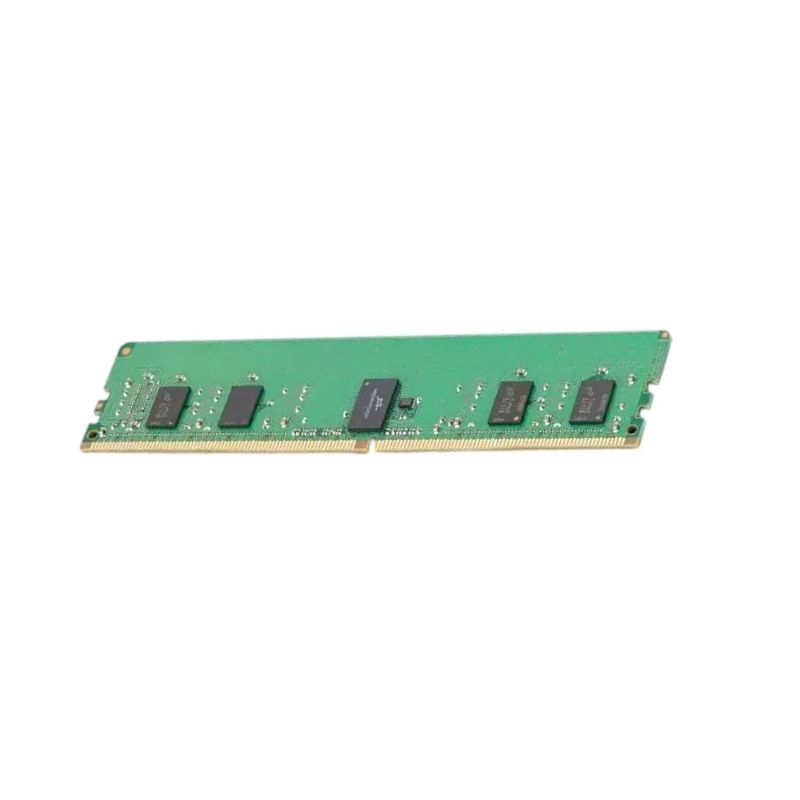


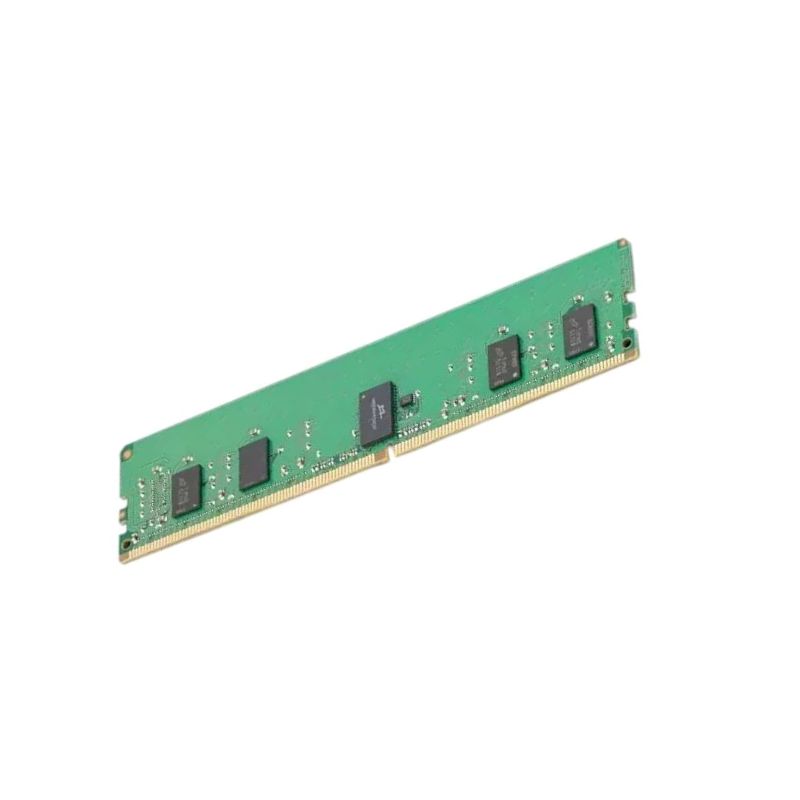
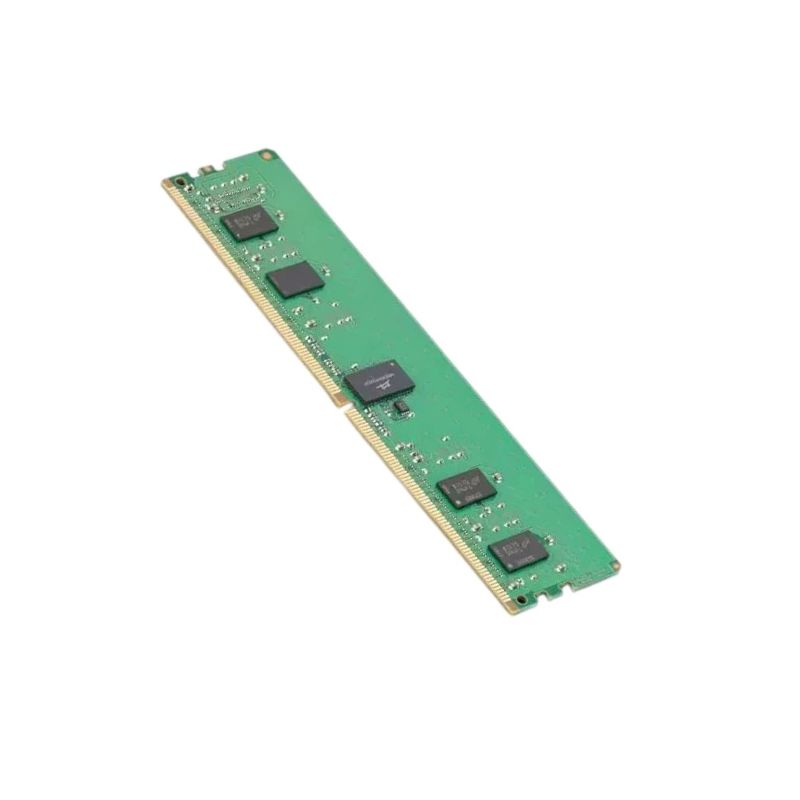
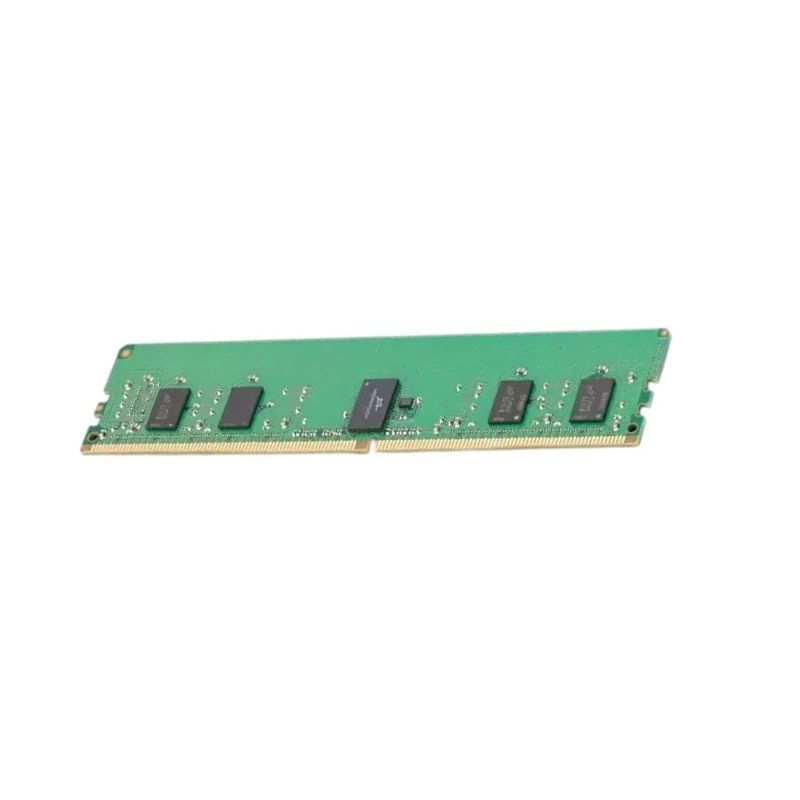
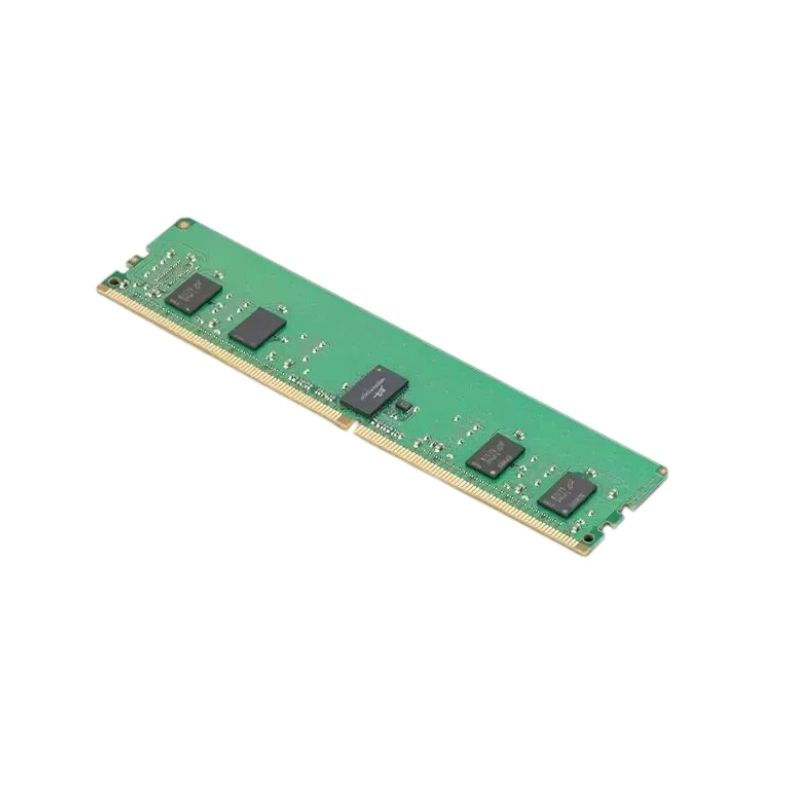
Lenovo 03GX397 32GB Pc5-38400 4800mhz DDR5 SDRAM 288-pin Ecc Rdimm Memory For Server. New (System) Pull with 1 year replacement warranty - Samsung Version
| SKU/MPN | Warranty | Price | Condition | You save |
|---|---|---|---|---|
| 03GX397 | 1 Year Warranty | $1,704.00 | New Sealed in Box (NIB) | You save: $596.40 (26%) |
| 03GX397 | 1 Year Warranty | $1,243.00 | New (System) Pull with 6-Months Replacement Warranty | You save: $435.05 (26%) |
The Lenovo 03GX397 memory module features a substantial 32GB capacity, designed specifically for enterprise server environments where high-density memory configurations are essential. This single module represents the optimal balance between capacity and performance, allowing systems to scale memory resources efficiently while maintaining operational stability. The 32GB capacity per module enables servers to handle memory-intensive applications, large databases, and virtualization workloads without compromising system responsiveness or requiring excessive physical space within server chassis.
Utilizing cutting-edge DDR5 SDRAM technology, this memory module represents the fifth generation of double data rate synchronous dynamic random-access memory. DDR5 architecture delivers significant improvements over previous generations, including doubled burst length, improved channel efficiency, and enhanced power management capabilities. The technological advancement ensures that servers can process data more efficiently while reducing latency and increasing overall system throughput for demanding enterprise applications.
Operating at 4800MHz with a PC5-38400 designation, this memory module delivers exceptional data transfer rates that significantly outperform previous DDR4 generations. The 4800MHz frequency enables rapid data access and processing, crucial for servers handling real-time analytics, financial transactions, and high-volume database operations. The PC5-38400 classification indicates the module's peak transfer rate of 38400 MB/s, ensuring that data-intensive applications can operate at optimal efficiency without memory bottlenecks limiting system performance.
The DDR5 architecture implements a dual sub-channel design that effectively doubles the data access parallelism compared to DDR4. This innovative approach allows for more efficient memory access patterns and reduces contention between memory requests. The improved data transfer mechanism enables servers to maintain consistent performance levels even under heavy multi-threaded workloads, making this memory ideal for multi-processor server configurations and virtualized environments where memory bandwidth is critical.
Designed with a 288-pin DIMM configuration, this memory module adheres to the standard form factor for server-grade memory. The physical design ensures compatibility with Lenovo server memory slots while providing robust mechanical stability within the server environment. The 288-pin arrangement is specifically engineered for DDR5 technology, accommodating the increased signal integrity requirements and power delivery needs of next-generation memory architecture while maintaining backward compatibility with standard DIMM slot designs.
The printed circuit board incorporates advanced signal integrity features, including optimized trace routing, enhanced power delivery networks, and improved thermal management characteristics. The PCB construction utilizes high-quality materials that ensure reliable operation in 24/7 server environments, with particular attention to minimizing electromagnetic interference and maintaining signal integrity at high operating frequencies. The robust physical construction withstands the mechanical stresses of installation and continuous operation in data center environments.
DDR5 architecture introduces on-die ECC (Error Correction Code) capability, which operates independently from the module-level ECC. This dual-layer error correction approach provides enhanced data reliability by correcting errors directly at the memory die level before they can affect system operation. The on-die ECC functionality works in conjunction with the module-level ECC to create a comprehensive error detection and correction system that significantly reduces the risk of data corruption and system crashes due to memory errors.
The memory module incorporates sophisticated buffer technology that manages data flow between the memory chips and the memory controller. This buffering system helps maintain signal integrity, reduces electrical loading on the memory bus, and enables higher operating frequencies than would be possible with unbuffered designs. The advanced buffering architecture is particularly beneficial in multi-DIMM configurations where signal quality must be maintained across numerous memory modules operating simultaneously.
The Lenovo 03GX397 implements full Error Correction Code (ECC) functionality, providing single-bit error correction and multi-bit error detection capabilities. This advanced error correction system continuously monitors data integrity during all memory operations, automatically correcting single-bit errors as they occur and alerting the system to more serious multi-bit errors. The ECC implementation is essential for mission-critical applications where data integrity is paramount, preventing silent data corruption and ensuring the reliability of computational results and stored information.
As a Registered DIMM (RDIMM), this memory module includes register chips that buffer address and command signals between the memory controller and the DRAM chips. This buffering reduces the electrical load on the memory controller, enabling support for higher memory capacities and more DIMMs per channel than would be possible with unbuffered memory. The registered design enhances signal integrity in large memory configurations, making it ideal for servers requiring substantial memory resources while maintaining system stability and performance.
Advanced data protection mechanisms include write protection capabilities, read data bus mirroring, and enhanced failure prediction algorithms. These features work together to prevent data corruption during write operations, verify data accuracy during read operations, and identify potential memory failures before they impact system operation. The multi-faceted protection system is particularly valuable in enterprise environments where data integrity is critical for business operations and regulatory compliance requirements.
The 03GX397 memory module is engineered specifically for compatibility with Lenovo's enterprise server portfolio, including ThinkSystem and System x platforms. This memory is validated for use in servers such as the SR650, SR850, and other Lenovo systems that support DDR5 technology. The module undergoes rigorous compatibility testing within Lenovo's engineering laboratories to ensure seamless integration and optimal performance across the supported server ecosystem, providing enterprise customers with guaranteed compatibility and reliability.
Successful integration requires servers with DDR5 memory controllers and appropriate BIOS/firmware versions that support DDR5 memory technology. The memory modules must be installed in compatible memory slots following Lenovo's specific population guidelines to ensure proper operation and optimal performance. System administrators should consult the server documentation for detailed memory configuration rules, including supported DIMM types, maximum memory capacities, and specific slot population sequences that ensure system stability and performance optimization.
When installed in multi-DIMM configurations, these memory modules demonstrate excellent performance scaling characteristics. The DDR5 architecture maintains high operating frequencies even with fully populated memory channels, unlike previous generations that often required frequency reduction with higher DIMM counts. This consistent performance scaling enables enterprises to maximize their memory investments by populating servers with high-density memory configurations without sacrificing memory bandwidth or increasing access latency.
The DDR5 technology incorporated in the 03GX397 module includes advanced power management features that optimize energy consumption without compromising performance. The module operates at a standard voltage of 1.1V, representing a significant reduction from previous DDR4 generations while delivering substantially higher performance. This improved power efficiency translates to reduced energy costs in data center environments and decreased heat generation, contributing to overall cooling efficiency and environmental control within server installations.
Sophisticated power management capabilities include multiple power-down states, dynamic voltage and frequency scaling, and intelligent refresh mechanisms that reduce power consumption during periods of low memory utilization. These features allow servers to maintain optimal power efficiency across varying workload conditions, automatically adjusting power characteristics based on system demands. The dynamic power management is particularly valuable in virtualized environments and cloud infrastructure where workload patterns can change rapidly and unpredictably.
The high bandwidth and low latency characteristics of the 03GX397 memory make it ideally suited for database management systems and online transaction processing (OLTP) applications. The combination of 4800MHz operating frequency, ECC protection, and high reliability ensures that critical business data remains secure and accessible with minimal access latency. Database servers benefit from the increased memory bandwidth when processing complex queries, managing large buffer pools, and supporting high levels of concurrent user activity without performance degradation.
In virtualized environments, the 32GB module capacity allows for efficient memory allocation across multiple virtual machines while maintaining isolation and performance consistency. The high memory bandwidth supports demanding virtualization workloads, including virtual desktop infrastructure (VDI), application virtualization, and containerized applications. Cloud service providers can leverage these memory modules to maximize server consolidation ratios while ensuring that individual tenant workloads receive consistent memory performance according to service level agreements.
Technical computing applications, including finite element analysis, computational fluid dynamics, and molecular modeling, benefit from the high memory bandwidth and capacity provided by these DDR5 modules. The ECC protection ensures computational accuracy in extended calculations, while the high transfer rates reduce time-to-solution for memory-intensive algorithms. Research institutions and engineering organizations can rely on these memory modules to deliver consistent performance in demanding computational workloads that process large datasets and complex mathematical models.


 Contact Us
 Information
 Catalog
 Solid State Drives (SSD)
 Network Switches
 Hard Disk Drives
 HBA & Controllers
 PC & Servers
 PC & Server Memory
 CPU & Processors
 Network Routers
 Power Supplies
 Tape Drives & Libraries
 Network Devices
 Computer & Network Cables