(7% discount is applied at checkout)
Cart is empty
Your go-to destination for cutting-edge server products
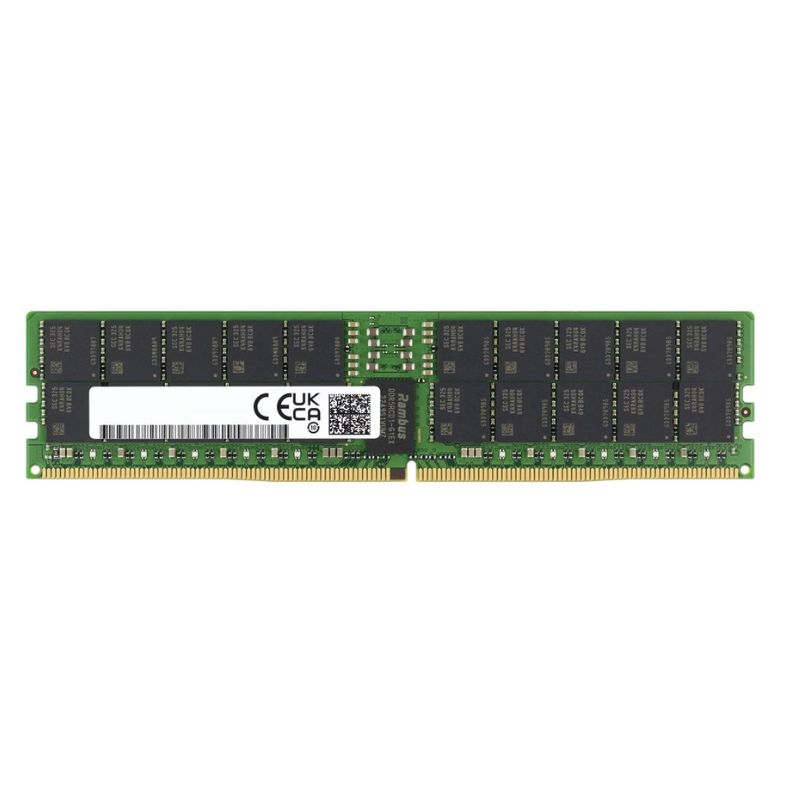


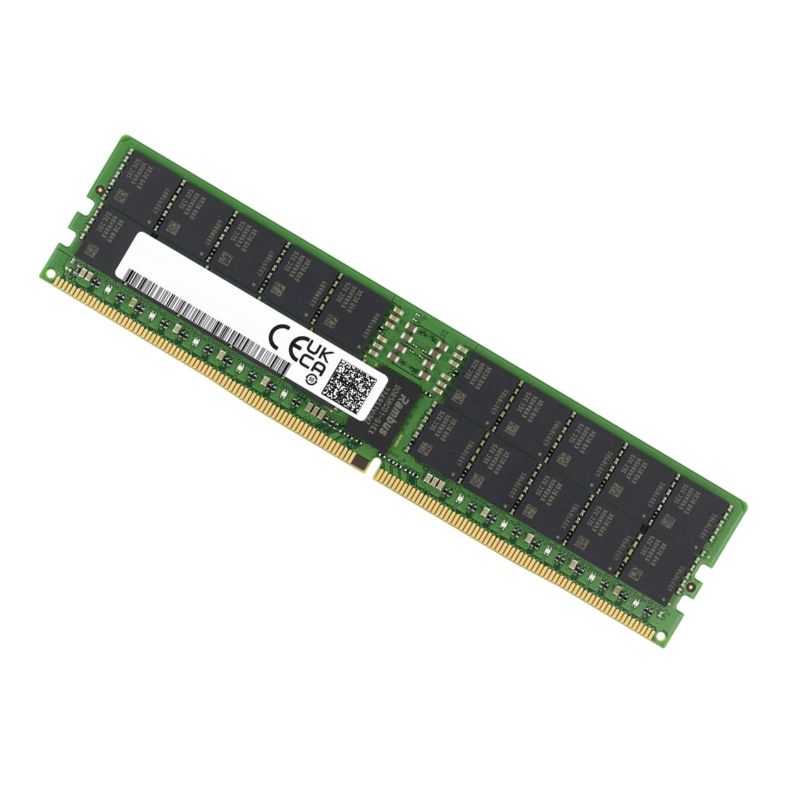
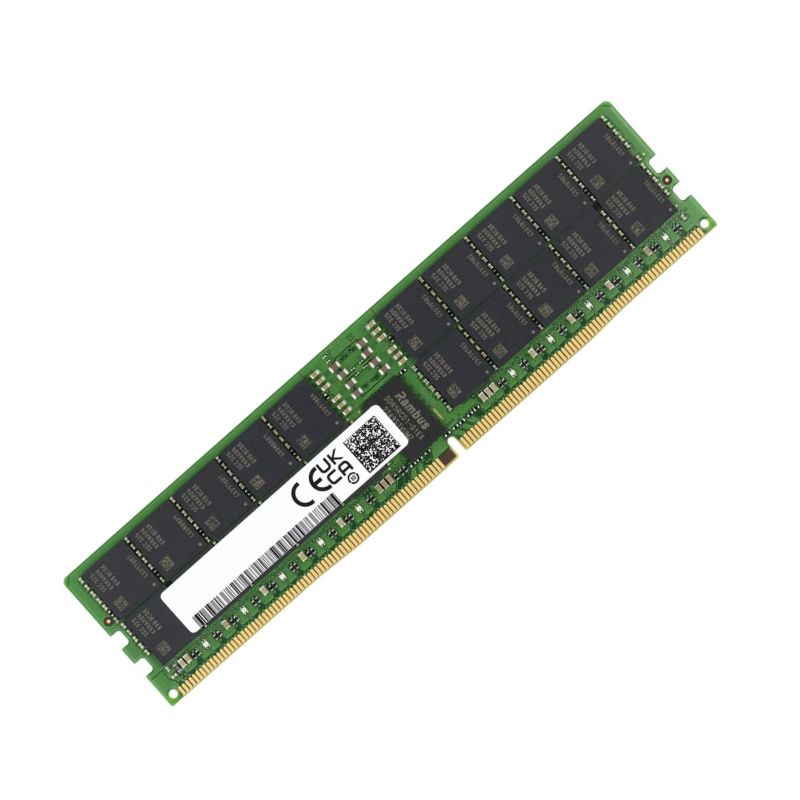
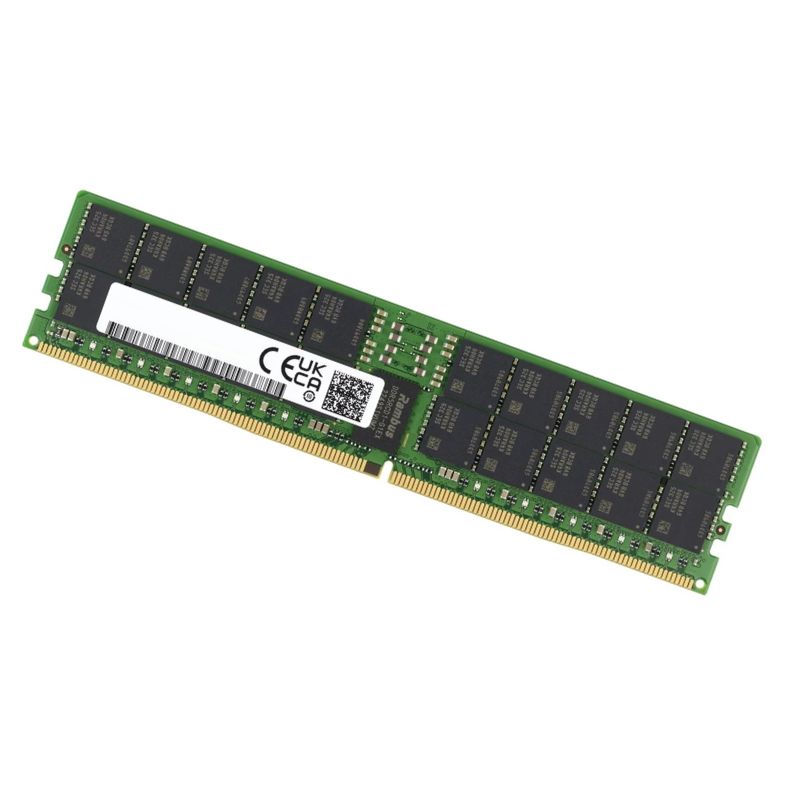
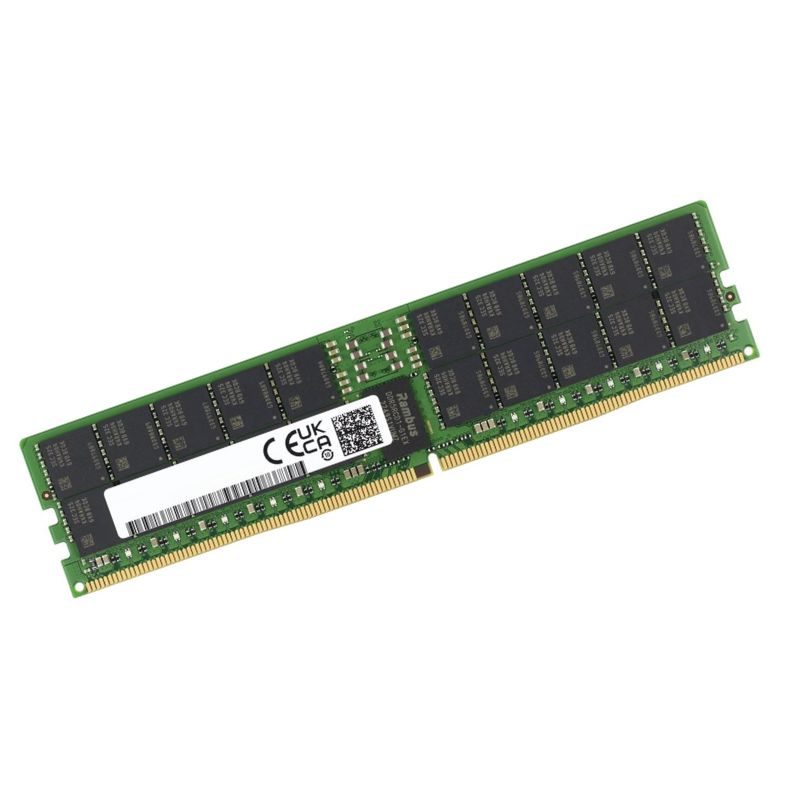
Lenovo 4X77A93529 128GB DDR5 6400Mhz Pc5-51200 DDR5 SDRAM 288-pin Rdimm Memory Module for Server. New Sealed in Box (NIB) with 3 Years Warranty - Samsung Version
| SKU/MPN | Warranty | Price | Condition | You save |
|---|---|---|---|---|
| 4X77A93529 | 1 Year Warranty | Contact us for a price | New (System) Pull | |
| 4X77A93529 | 1 Year Warranty | $6,720.00 | New Sealed in Box (NIB) | You save: $2,352.00 (26%) |
The Lenovo 4X77A93529 is a 128 GB DDR5 SDRAM Registered DIMM (RDIMM) engineered for high-density server configurations that demand exceptional bandwidth, predictable latency, and rock-solid reliability. Built for Lenovo ThinkSystem and other compatible DDR5 server architectures, this dual-rank x4 module combines 6400 MT/s transfer speed with ECC (Error-Correcting Code) and a 1.1 V operating profile to deliver faster data movement, improved power efficiency, and enhanced uptime for critical workloads.
Key Details
The 4X77A93529 is tailored for Lenovo ThinkSystem platforms that support DDR5 RDIMMs. It integrates cleanly with validated server BIOS/UEFI profiles and memory topologies.
Note: Always consult the specific server’s Qualified Vendor List (QVL) or Lenovo documentation for population rules, maximum ranks per channel, and BIOS revisions that ensure optimal stability at 6400 MT/s.
DDR5 represents a fundamental leap in memory technology, enabling higher data rates, better power management, and improved reliability features compared with DDR4. For database engines, virtualization clusters, analytics pipelines, and application servers, DDR5-6400 modules like the 4X77A93529 accelerate memory-bound operations and create breathing room for CPU cores to execute more work per cycle.
This kit delivers 1 × 128 GB RDIMM, ideal for scaling capacity incrementally or standardizing on a high-density baseline. Dual rank (2Rx4) organization enables better interleaving and parallelism, helping sustain bandwidth and minimize stalls under mixed workloads.
Rated at DDR5-6400 (PC5-51200) with CL52, the module targets balanced performance where throughput and latency both matter. For write-heavy services, in-memory analytics, or fast caching layers, this speed class shortens memory queues and improves overall responsiveness.
ECC actively detects and corrects single-bit errors and identifies multi-bit anomalies, reducing the risk of data corruption and silent failures. The Registered buffer stabilizes command and address signals, allowing robust operation in servers populated with multiple DIMMs per channel.
For compact nodes and edge servers, a single 128 GB RDIMM provides ample headroom for microservices, web tiers, and branch analytics. Add DIMMs symmetrically according to the channel layout to preserve top speed.
In mainstream 2P servers, pairing 128 GB modules across both CPUs allows rapid growth to 512 GB, 1 TB, or beyond while maintaining channel balance. Dual-rank modules often deliver favorable real-world throughput via interleaving.
With a theoretical peak bandwidth of 51.2 GB/s per module, DDR5-6400 brings measurable gains to scan-heavy and memory-sensitive tasks. Real-world results depend on CPU generation, memory controller limits, DIMMs per channel, and BIOS memory training.
CL52 is designed to harmonize the latency curve with the high data rate. In practice, well-tuned servers see both improved sustained throughput and more predictable response times under mixed read/write pressure.
While adding DIMMs increases capacity, some platforms may step down memory frequency when channels are heavily populated. Adhering to vendor population rules helps maintain higher speeds while achieving the desired memory footprint.
Memory errors can cause application crashes or silent corruption. The 4X77A93529 mitigates these risks with ECC, parity, and a Registered design that reduces electrical loading on the memory controller. Together, these features strengthen uptime, especially in large configurations where error rates rise with density.
For hypervisors hosting large VM fleets, 128 GB RDIMMs reduce slot count while expanding per-node capacity. This can improve consolidation ratios and cut per-VM memory contention during peak hours.
OLTP systems with heavy index activity and OLAP engines performing broad scans both benefit from high bandwidth and ample RAM. Large caches and buffer pools shorten disk waits, leading to lower query latency and higher transaction throughput.
ECC reduces exposure to data corruption by correcting bit errors in flight. For compliance-sensitive environments—finance, healthcare, government—this safeguards data integrity, minimizes unplanned downtime, and supports auditability through error logs and predictive failure alerts.
CAS latency (CL52) expresses the number of cycles between a read command and when data becomes available. While the cycle count is higher than DDR4-era figures, DDR5’s far higher clock results in competitive or better absolute nanosecond latency. More importantly, DDR5 improvements reduce tail latency outliers—critical for service-level objectives (SLOs). For latency-sensitive databases, consistent median and p99 times often matter more than a single headline CAS value.
Hosting more VMs per node reduces licensing overhead and eases cluster management. With 128GB modules, memory overcommit can be avoided and ballooning reduced, producing steadier VM performance. Hypervisors benefit from DDR5 bandwidth by servicing concurrent guest operations with less contention.
Kubernetes nodes running many microservices experience heavy context switching and inter-pod communication. DDR5-6400’s bandwidth sustains higher pod density, while ECC RDIMM stability preserves node uptime during rolling updates and blue-green deployments.
RDBMS, columnar stores, and in-memory engines (e.g., caches, key-value stores, and OLAP systems) exploit large DRAM pools for buffer caches, sort/aggregation memory, and intermediate result sets. Larger, faster memory shrinks disk I/O amplification and reduces query response times, especially for scan-heavy workloads.
VDI density hinges on available DRAM for session state, app caches, and OS overhead. 128GB RDIMMs let you scale concurrent sessions per host, improving ROI for knowledge-worker and power-user pools while maintaining snappy user experiences.
Beyond ECC correction, server platforms often implement patrol scrubbing, demand scrubbing, and predictive failure analysis. The 4X77A93529 integrates with these platform features to maintain data integrity. In high-availability clusters, reduced corrected error rates (CER) correlate with fewer node evacuations and less failover churn, improving service continuity for mission-critical applications.
Enable channel and rank interleaving for throughput-oriented workloads like analytics and ETL. For deterministic latency on specific services, consider partial pinning and isolating critical processes to dedicated memory channels to reduce contention from background tasks.
While memory itself does not “encrypt data at rest,” DDR5 RDIMMs operate in platforms that may provide memory encryption (e.g., via CPU features). The 4X77A93529 integrates seamlessly with such platform capabilities when available. For compliance regimes (e.g., SOC 2, ISO 27001), the reliability characteristics (ECC, RAS features) contribute to meeting uptime, integrity, and continuity objectives, especially when combined with redundancy strategies at the cluster level.


 Contact Us
 Information
 Catalog
 Solid State Drives (SSD)
 Network Switches
 Hard Disk Drives
 HBA & Controllers
 PC & Servers
 PC & Server Memory
 CPU & Processors
 Network Routers
 Power Supplies
 Tape Drives & Libraries
 Network Devices
 Computer & Network Cables