(7% discount is applied at checkout)
Cart is empty
Your go-to destination for cutting-edge server products
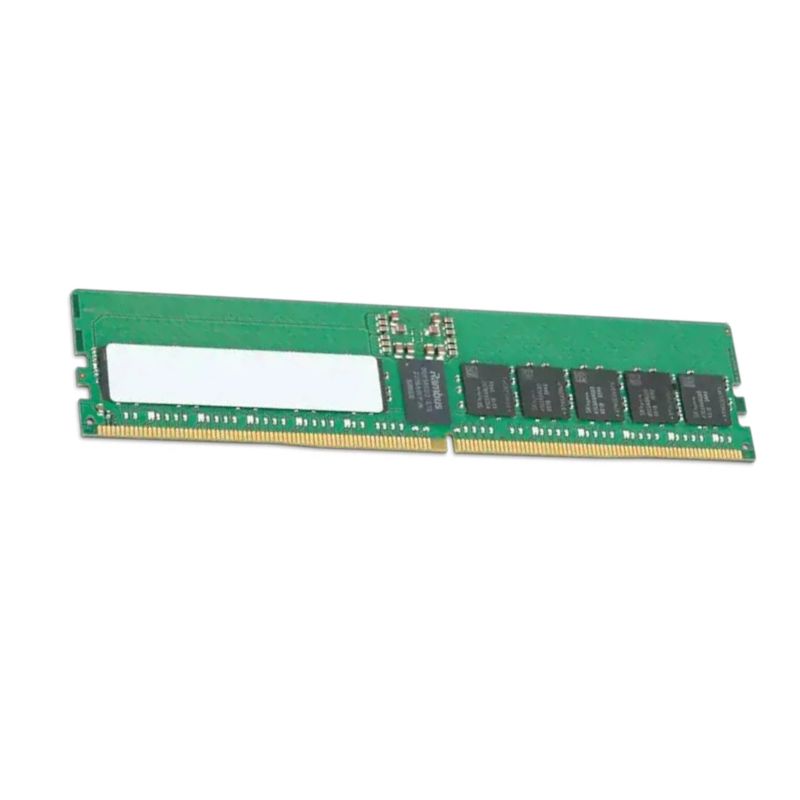


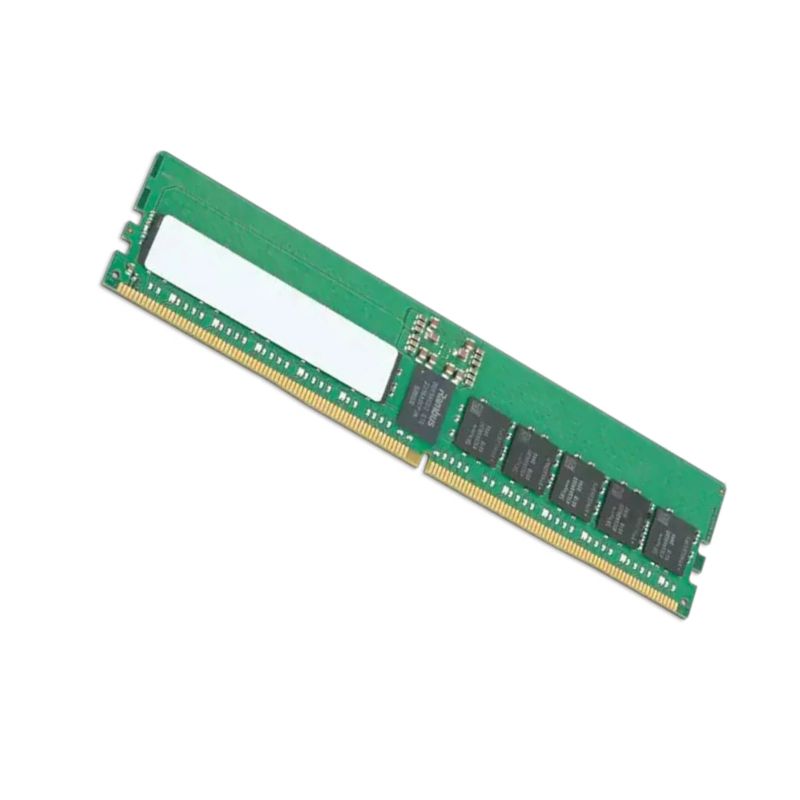
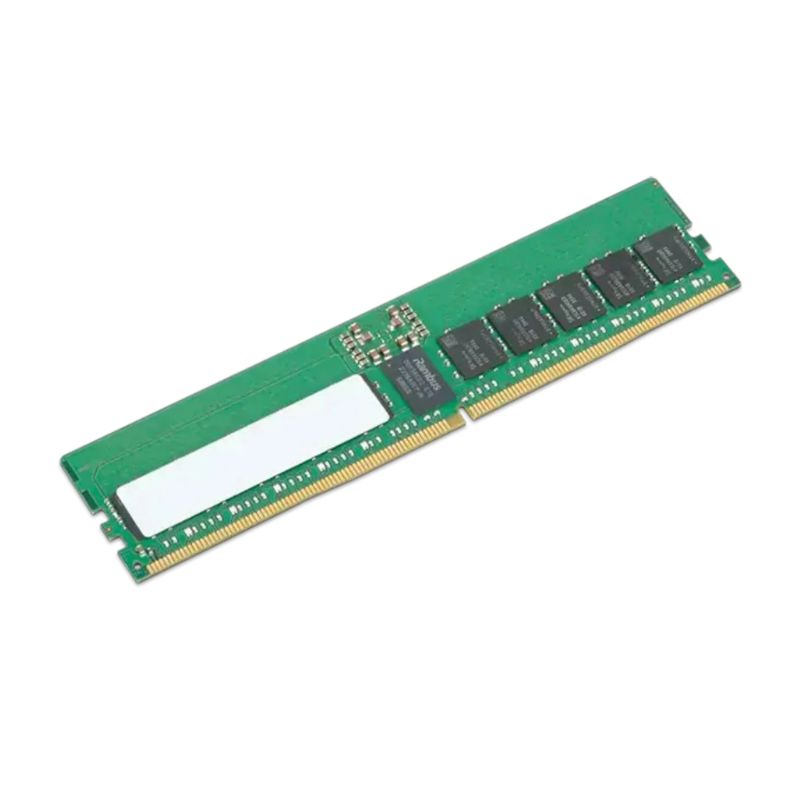
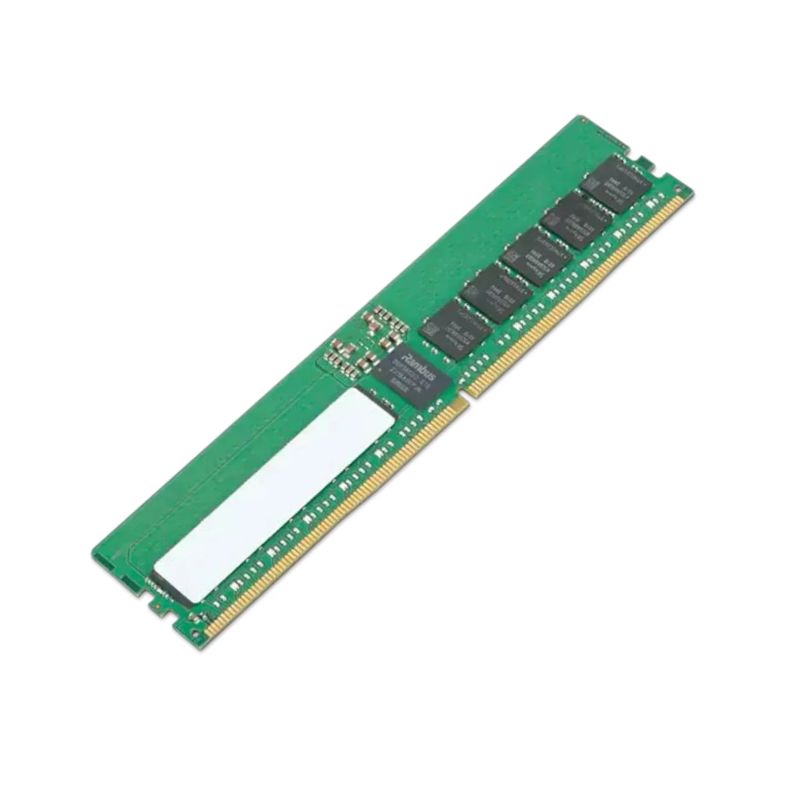
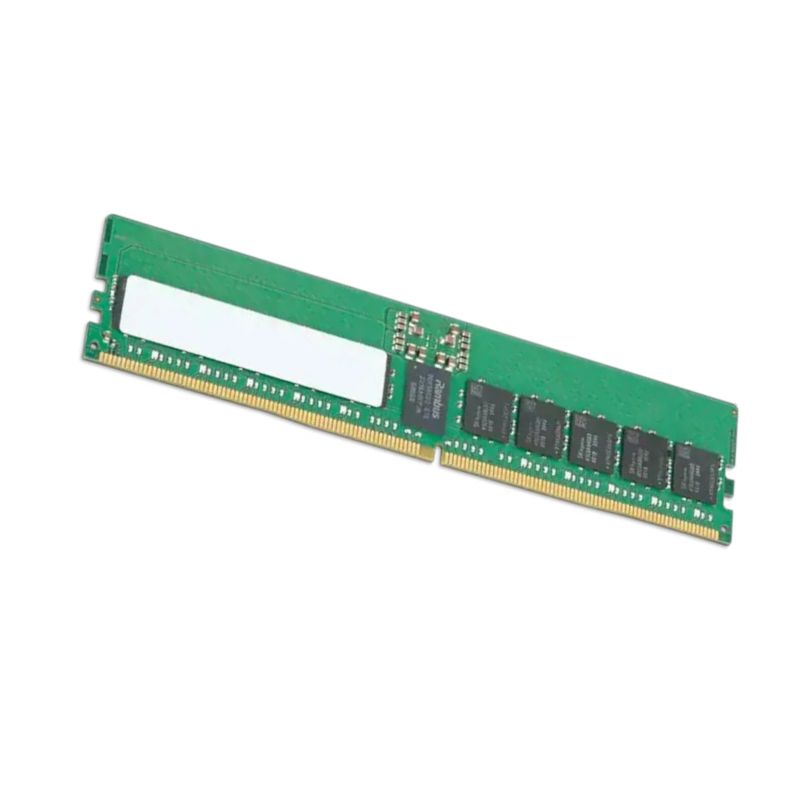
Lenovo 4X77A93887 128GB 5600Mhz Pc5-51200 DDR5 SDRAM 288-pin Rdimm Memory Module For Server. New Sealed in Box (NIB). Samsung Version
A high-capacity, server-grade memory module engineered for demanding enterprise workloads. The LENOVO 4X77A93887 is a single 128GB DDR5 RDIMM built to provide dependable, high-throughput memory for systems that require ECC protection and registered signaling. Optimized for modern platforms, this module balances speed, stability, and power efficiency.
This RDIMM is intended for data centers, virtualization hosts, database servers, and compute clusters where memory capacity and error correction directly affect uptime and performance. Its DDR5 architecture yields higher bandwidth and improved power characteristics compared to legacy DDR4 modules.
This memory is system-specific and designed primarily for servers validated by Lenovo. Before purchasing or installing, verify platform support and firmware compatibility. While the module conforms to PC5 (DDR5) standards, firmware/BIOS revisions and server memory population rules can affect detection and optimal operation.
The Lenovo 4X77A93887 128GB DDR5 5600MHz PC5-51200 2Rx4 ECC Registered 1.1V CL52 DDR5 SDRAM 288-pin RDIMM memory module represents a high-capacity, server-grade DRAM option designed for enterprise servers, data centers, virtualization hosts and memory-dense workloads. This category covers Lenovo-branded and Lenovo-qualified registered DDR5 server memory modules with 128GB capacity, ECC (Error-Correcting Code) support, RDIMM (Registered DIMM) buffering, dual-rank x4 organization (2Rx4), low-voltage 1.1V operation and JEDEC PC5-51200 timing at an effective 5600MT/s (commonly referred to as 5600MHz). Use this category to compare modules by latency (CL52), rank and organization (2Rx4), compatibility matrices for specific Lenovo server models, and to select the right module for scaling memory capacity across dual-socket and multi-socket Intel and AMD server platforms that support DDR5 registered memory.
Mechanically, the module is the industry-standard 288-pin DIMM for DDR5 server sockets. It operates at a low 1.1V supply, contributing to energy savings across dense server racks while maintaining signal integrity through registered buffering.
The x4 chip organization provides a specific arrangement of memory chips on the module that aligns with enterprise memory controller expectations. Coupled with dual-rank placement, this design helps with sustained throughput and reliability under sustained multi-threaded access patterns.
For systems with multiple memory channels, populate modules in matched sets according to the server vendor’s guidelines. Using identical capacity and speed across channels yields the best memory interleaving and performance. When scaling capacity, prefer adding matched RDIMMs rather than mixing RDIMM with UDIMM or other module types.
The module includes ECC (Error-Correcting Code) capabilities which, together with registered buffering, deliver the level of data protection expected in enterprise-class servers. These features reduce the risk of silent data corruption and add a layer of fault tolerance crucial for mission-critical operations.
When buying, reference the Lenovo part number 4X77A93887 to ensure you obtain the correct factory-configured module. Many resellers list compatible or equivalent SKUs—exercise caution and confirm specifications (capacity, speed, RDIMM/ECC, voltage, and rank) before finalizing a purchase.
For people evaluating memory options, compare this 128GB DDR5 RDIMM with alternatives that differ by rank (single vs. dual), form factor (RDIMM vs. LRDIMM), and speed (e.g., 5200 vs. 5600 MHz). Consider LRDIMMs if the target system requires very high per-module capacities, but note LRDIMMs use different buffering and may interact differently with certain server platforms.
Before adding 128GB DDR5 RDIMMs to a server, confirm the following compatibility points to avoid instability:
Not all server CPUs or memory controllers support registered DDR5 or high-density 128GB modules. Check your server’s hardware support list. Many modern Intel Xeon Scalable and AMD EPYC platforms designed for DDR5 support RDIMM densities up to 128GB and beyond, but exact supported configurations (e.g., maximum per-channel DIMM, supported ranks, and population rules) vary by CPU generation and server model.
Updating server firmware (BIOS/UEFI) to the latest vendor release is often required for proper memory training and recognition of high-capacity DDR5 modules. Lenovo certified modules will typically be mentioned in the server’s release notes or hardware compatibility lists. Memory training improvements and performance profile unlocking can be achieved by applying recommended firmware updates from Lenovo.
For optimal performance and stability, follow the server vendor’s memory population rules: symmetrical population across channels, standard slot-by-slot filling order, and mixing rules. Mixing RDIMMs with LRDIMMs (Load-Reduced DIMMs) or mixing capacities and ranks may be unsupported; always consult vendor documentation or the Qualified Vendor List (QVL) before mixing.
When scaling to dual-socket or multi-socket servers, remember that memory per CPU socket and interleaving rules determine effective capacity and bandwidth. Using Lenovo 128GB RDIMMs allows very high memory totals per socket, but system designers should account for DIMM slot count, power and thermal constraints when planning large memory configurations.
After installation, verify system POST reports the full installed memory and the BIOS recognizes each DIMM’s SPD. If available, enable vendor-recommended memory performance profiles that match PC5-51200 operation. For maximum stability, some administrators prefer to run memory at conservative JEDEC default timings until extended stability testing (memtest, stress-ng) is complete.
Multiply the per-DIMM power figure (check Lenovo product specification sheets for exact numbers under different operating states) by the number of populated DIMMs to estimate the memory subsystem draw. Consider worst-case sustained loads for PSU sizing and redundancy.
High density memory populations reduce airflow clearance and can elevate ambient motherboard temperatures. Ensure proper front-to-back airflow, functional server fans and unobstructed rack airflow paths. Monitor DRAM temperature sensors if available and set thresholds or alerts within BMC/ILO settings.
ECC corrects single-bit errors and detects multi-bit errors. When a module logs an increasing number of corrected ECC events, it can be an early warning sign of marginal DIMM health or environmental issues. Track corrected error metrics in telemetry and address repeated events proactively to prevent uncorrected errors.
Selecting 128GB RDIMMs is a strategic decision balancing capacity, slot availability and cost. Consider these decision points:
Advantages: Higher capacity per slot—fewer DIMMs required to reach a memory target, simplified upgrade path and potential to reduce motherboard slot usage for future expansions. Disadvantages: Higher per-module cost and potential for longer lead times; fewer choices from third-party vendors in some cases.
LRDIMMs use buffering techniques to present lower electrical loading on the memory bus, enabling higher total installed memory in some servers. If the platform supports LRDIMM, you may be able to install more memory modules per channel or support higher total system capacity. However, LRDIMMs and RDIMMs cannot be mixed within the same system; choose the module type that aligns with your maximum capacity target, compatibility matrix and latency/power tradeoffs.


 Contact Us
 Information
 Catalog
 Solid State Drives (SSD)
 Network Switches
 Hard Disk Drives
 HBA & Controllers
 PC & Servers
 PC & Server Memory
 CPU & Processors
 Network Routers
 Power Supplies
 Tape Drives & Libraries
 Network Devices
 Computer & Network Cables