
(7% discount is applied at checkout)
Cart is empty
Your go-to destination for cutting-edge server products
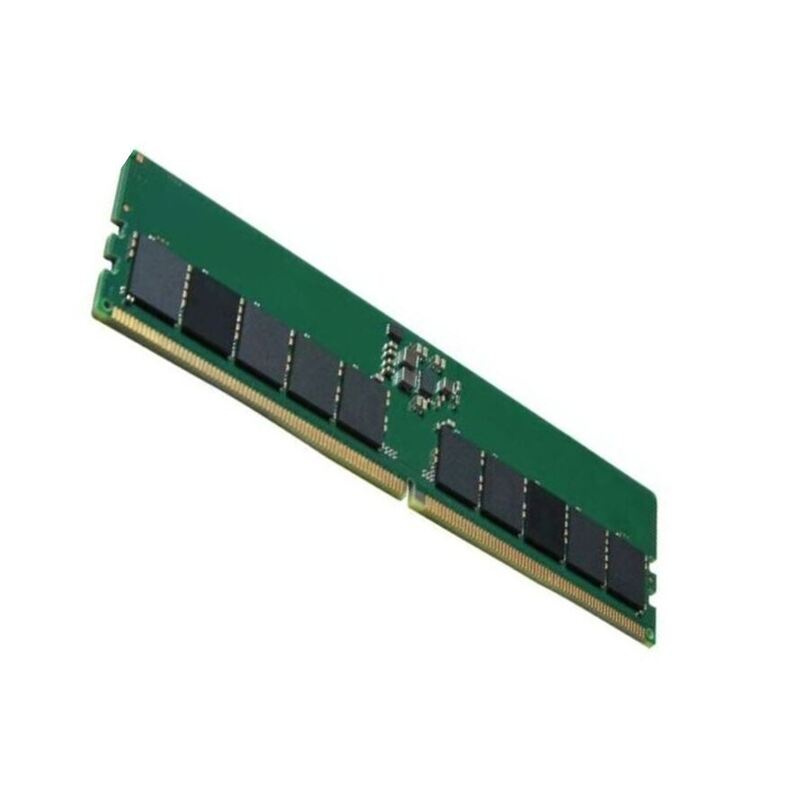
Supermicro MEM-DR412L-CL02-LR26 128GB 2666MHz PC4-21300 CL19 ECC Registered 8Rx4 1.2V DDR4 SDRAM 288-Pin LRDIMM RAM (1x128GB). New Sealed in Box (NIB) with 3 Year Warranty
The Supermicro MEM-DR412L-CL02-LR26 is a high-capacity server memory module designed for enterprise-grade performance. With advanced ECC technology and load-reduced architecture, it ensures stability and efficiency in demanding data center environments.
The Supermicro MEM-DR412L-CL02-LR26 128GB 2666MHz PC4-21300 CL19 ECC Registered 8Rx4 1.2V DDR4 SDRAM 288-Pin LRDIMM RAM represents a high-capacity enterprise memory solution designed specifically for modern data centers, virtualization environments, and high-performance computing platforms. Organizations that rely on intensive workloads such as large-scale databases, cloud virtualization, artificial intelligence training, machine learning pipelines, and enterprise resource planning systems require server memory that delivers consistent reliability, large capacity, and excellent bandwidth performance. This category of DDR4 LRDIMM server memory is engineered to meet those needs while maintaining the stability required for mission-critical infrastructure.
Within enterprise computing environments, memory capacity and reliability play a major role in system performance. The Supermicro MEM-DR412L-CL02-LR26 module offers 128GB of registered load-reduced DDR4 memory, enabling servers to handle extremely demanding applications with improved efficiency. Load Reduced DIMM technology minimizes electrical load on the memory controller, allowing systems to support higher memory capacities compared with standard RDIMM modules. This makes the module an ideal solution for large-scale virtualization hosts, database servers, data analytics platforms, and enterprise application servers.
DDR4 LRDIMM memory technology is specifically designed for large server systems that require maximum memory scalability without compromising signal integrity or performance. The Supermicro MEM-DR412L-CL02-LR26 128GB module uses Load Reduced DIMM architecture to buffer both address and data signals. By reducing the electrical load placed on the processor’s memory controller, the system can support significantly more memory modules per channel compared to traditional memory technologies.
In enterprise servers equipped with multi-socket processors, the ability to scale memory capacity efficiently is critical. Load-reduced memory modules allow IT administrators and system architects to populate more DIMM slots without experiencing performance degradation. This ensures consistent throughput across memory channels while supporting higher density modules such as the 128GB configuration offered in this category.
This category of memory modules uses DDR4 SDRAM technology operating at 2666MHz with PC4-21300 bandwidth. DDR4 improves upon previous generations by offering better energy efficiency, improved data integrity, and higher operating frequencies. The increased bandwidth ensures that high-performance servers can process massive workloads with minimal latency and optimized throughput.
Load Reduced DIMM, commonly abbreviated as LRDIMM, is designed for high-capacity server configurations where memory scalability is essential. Traditional RDIMM modules buffer the command and address signals but leave the data lines unbuffered. LRDIMM modules go a step further by buffering both command/address and data signals, reducing electrical load on the memory controller.
This architecture provides several important benefits in enterprise environments. It enables higher density memory modules such as 128GB DIMMs to function efficiently while maintaining stable signal integrity. It also allows servers to operate with more DIMMs per channel without encountering the limitations that standard memory technologies may impose. For large virtualization clusters and database servers, this capability significantly improves system expandability.
The 128GB capacity of the Supermicro MEM-DR412L-CL02-LR26 module places it among the high-density memory solutions designed for enterprise-grade servers. High-density memory modules reduce the number of DIMMs required to achieve large memory pools, simplifying server architecture while allowing administrators to maximize memory capacity within limited physical slots.
Servers running memory-intensive applications benefit significantly from large memory capacities. Virtual machines can allocate more RAM resources without contention, databases can cache larger datasets in memory, and analytics platforms can process large-scale data sets without constant disk access. This results in lower latency, improved system responsiveness, and greater overall efficiency across enterprise infrastructure.
Performance is one of the defining characteristics of this category of DDR4 LRDIMM server memory. Operating at 2666MHz with PC4-21300 bandwidth, the Supermicro MEM-DR412L-CL02-LR26 module delivers fast data transfer speeds suitable for demanding enterprise workloads. Memory bandwidth is essential for modern processors, particularly in multi-core environments where numerous threads access memory simultaneously.
The 2666MHz frequency allows processors to access memory more quickly compared to lower-speed modules, ensuring that applications receive the data they need without bottlenecks. High-performance memory becomes especially important in virtualization hosts where dozens or even hundreds of virtual machines share the same hardware resources. By delivering reliable high-speed access to memory, this module helps maintain stable performance across all workloads.
CAS latency plays a crucial role in determining how quickly memory responds to requests from the processor. The CL19 timing specification of the Supermicro MEM-DR412L-CL02-LR26 module indicates the number of clock cycles required before data becomes available after a read command. In high-density memory modules, maintaining balanced latency while providing large capacity is essential for ensuring consistent performance across demanding enterprise workloads.
Although latency values may vary across memory technologies, CL19 remains optimized for DDR4 server environments running at 2666MHz. The combination of high frequency and stable latency provides reliable performance for applications requiring continuous memory access such as virtualization, distributed computing, financial modeling, and real-time data analysis.
Power efficiency is a key consideration for modern data centers. DDR4 memory modules operate at a reduced voltage of 1.2V compared with older DDR3 modules that typically required 1.5V or more. This reduction in operating voltage leads to lower power consumption across large server deployments.
In large-scale enterprise environments with hundreds or thousands of servers, reduced power consumption per memory module translates into significant energy savings. Lower power requirements also generate less heat, allowing servers to operate more efficiently and reducing cooling demands within data center facilities. The Supermicro MEM-DR412L-CL02-LR26 module therefore contributes to improved energy efficiency while maintaining high performance.
ECC memory is widely used in enterprise-grade servers because it ensures reliable system operation even under heavy workloads. Systems that process financial transactions, healthcare records, scientific simulations, or mission-critical enterprise applications require absolute accuracy in memory operations. ECC ensures that any minor memory errors are corrected instantly, preventing potential system instability.
In addition to automatic error correction, ECC memory also provides error reporting capabilities that allow system administrators to monitor memory health over time. This enables proactive hardware maintenance and reduces the risk of unexpected downtime in production environments.
Registered DIMM technology adds a register between the memory module and the system memory controller. This register buffers control signals, reducing electrical load and improving signal stability. In servers with multiple memory modules installed, registered memory ensures consistent communication between the processor and DIMMs.
The combination of ECC and Registered DIMM architecture makes the Supermicro MEM-DR412L-CL02-LR26 module particularly well suited for enterprise workloads where stability and reliability are essential. Large-scale applications that run continuously for extended periods rely on this level of hardware reliability to maintain uninterrupted operation.
The Supermicro MEM-DR412L-CL02-LR26 module uses the standard 288-pin DDR4 DIMM form factor designed for enterprise server motherboards. This configuration ensures compatibility with a wide range of server platforms that support DDR4 LRDIMM memory modules. The standardized design allows system integrators and IT professionals to deploy high-capacity memory modules easily within compatible server architectures.
Most modern enterprise servers equipped with Intel Xeon Scalable processors or AMD EPYC processors support DDR4 registered or load-reduced DIMMs. System compatibility depends on motherboard chipset capabilities and memory controller specifications. When deployed within supported server systems, the 128GB module allows organizations to expand memory capacity significantly while maintaining balanced performance across memory channels.
Large enterprise servers often utilize multi-socket processor configurations. Each processor may support multiple memory channels and several DIMM slots per channel. Using high-capacity modules like the 128GB LRDIMM allows administrators to fully utilize these slots while achieving massive memory capacities across the entire system.
For example, servers with dozens of DIMM slots can reach multi-terabyte memory configurations when populated with high-density LRDIMM modules. This level of capacity is essential for workloads involving large databases, in-memory analytics, machine learning training models, and complex simulation tasks.
Virtualization platforms such as enterprise hypervisors rely heavily on system memory to run multiple virtual machines simultaneously. Each virtual machine requires dedicated RAM allocation, and high-density memory modules allow servers to host more virtual machines without performance degradation. A 128GB module provides significant capacity that can be distributed across multiple VMs, enabling efficient resource allocation in private cloud environments.
Cloud infrastructure providers often deploy servers with extremely large memory pools to accommodate dynamic workloads. LRDIMM technology allows these servers to scale memory capacity while maintaining reliable performance under continuous workloads.
Database platforms benefit greatly from large memory capacities because frequently accessed data can be stored in memory instead of slower disk storage. In-memory caching significantly improves database query performance and reduces latency for applications that depend on rapid data retrieval.
Enterprise database management systems such as relational databases and NoSQL platforms often utilize large memory allocations for indexing, caching, and transaction processing. High-capacity memory modules like the Supermicro MEM-DR412L-CL02-LR26 support these operations by providing ample RAM resources within server environments.
Artificial intelligence and machine learning workloads require substantial computing resources, including both processing power and memory capacity. Training machine learning models involves processing large datasets that must be loaded into memory for efficient computation. Servers equipped with high-density DDR4 LRDIMM modules can handle these workloads more effectively by providing large memory pools for data processing tasks.
High-capacity memory is particularly important in AI environments where multiple GPU accelerators operate alongside CPUs. System memory supports data pipelines feeding GPU workloads, ensuring that large datasets are available without bottlenecks.
Enterprise memory modules undergo extensive validation testing to ensure compatibility with supported server platforms. Rigorous testing procedures verify signal integrity, thermal performance, and long-term reliability under heavy workloads. This ensures that the memory modules can operate continuously within data center environments without compromising system stability.
High-quality server memory also includes advanced manufacturing standards that minimize the risk of hardware defects. This level of reliability is essential for businesses that rely on uninterrupted server operations to support critical applications and services.


 Contact Us
 Information
 Catalog
 Solid State Drives (SSD)
 Network Switches
 Hard Disk Drives
 HBA & Controllers
 PC & Servers
 PC & Server Memory
 CPU & Processors
 Network Routers
 Power Supplies
 Tape Drives & Libraries
 Network Devices
 Computer & Network Cables