(7% discount is applied at checkout)
Cart is empty
Your go-to destination for cutting-edge server products
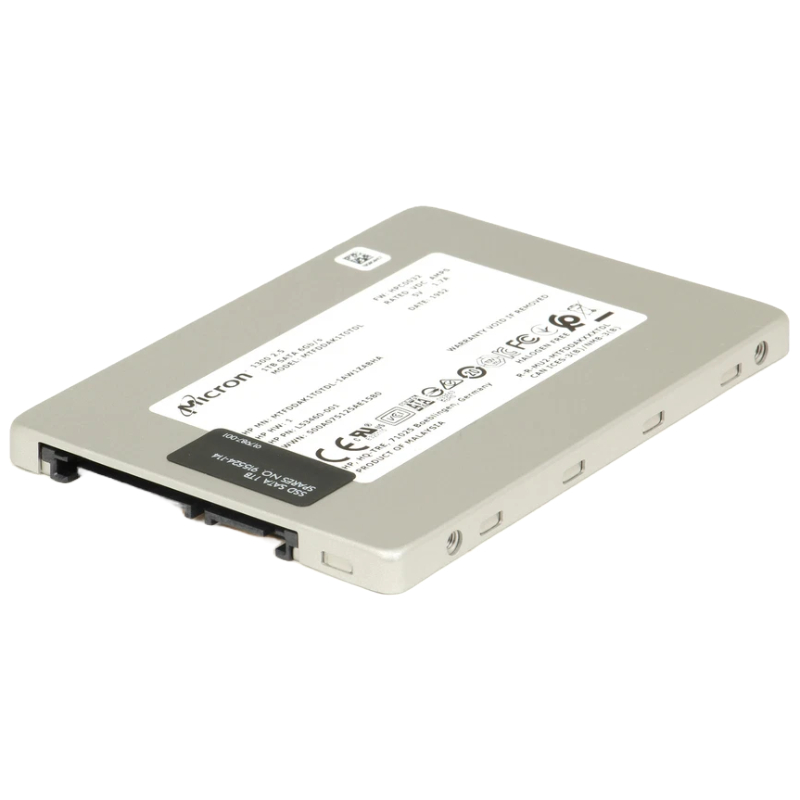


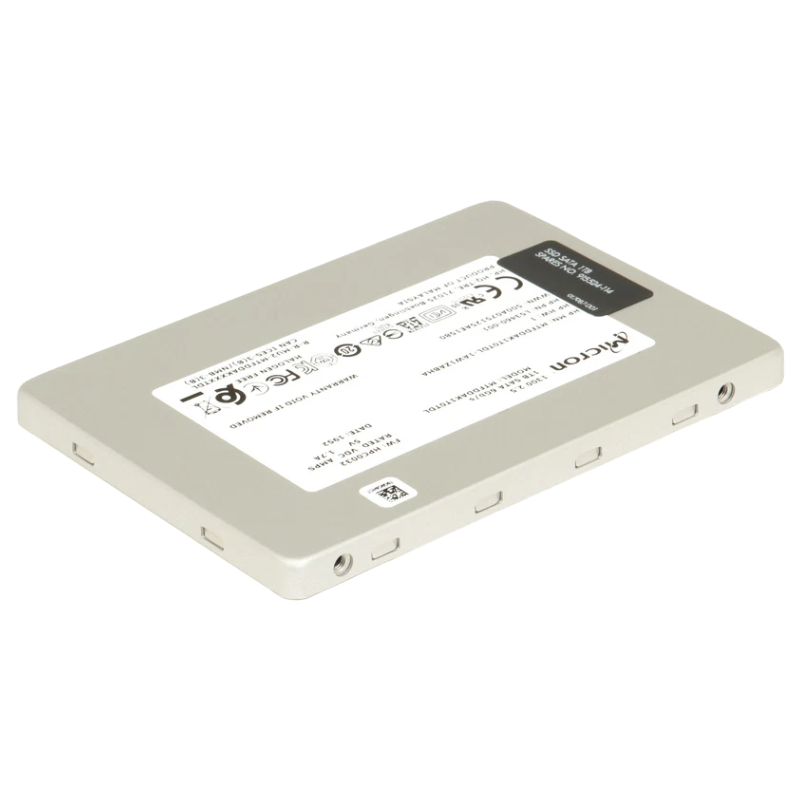
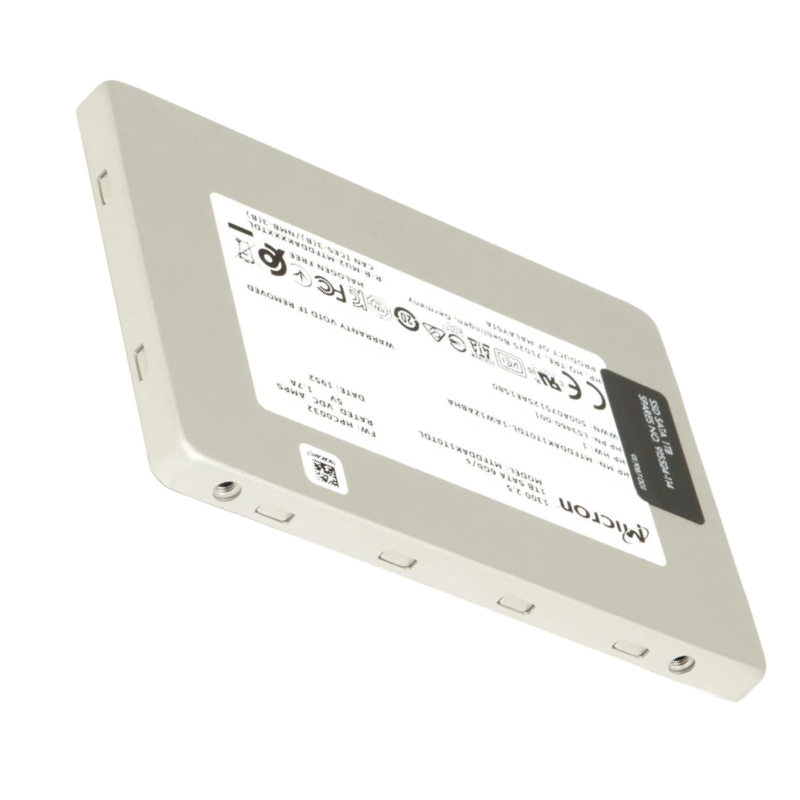
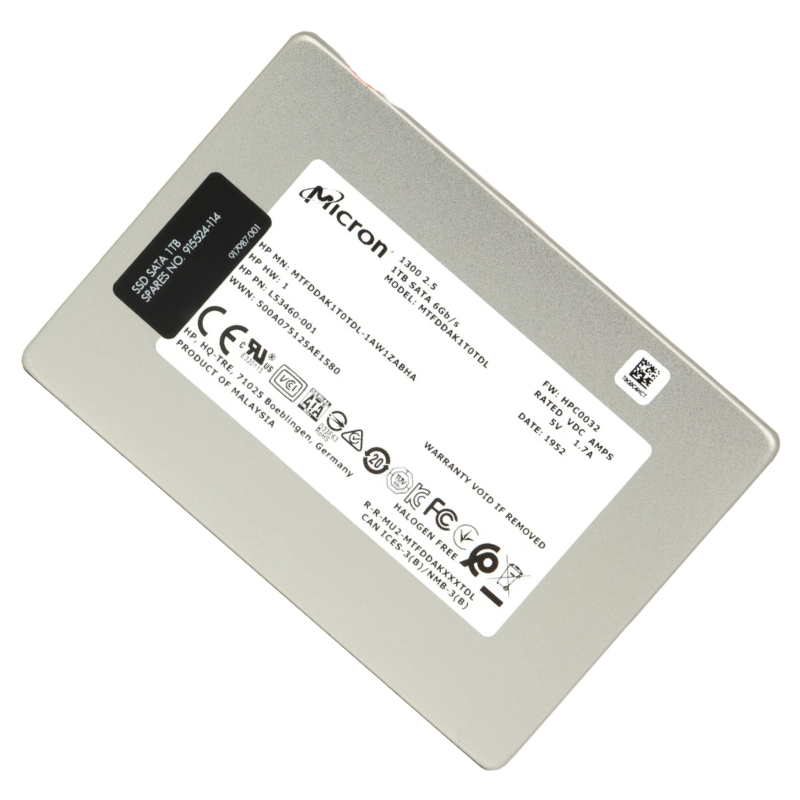
Micron MTFDDAK1T0TDL-1AW1ZABHA 1300 1TB SATA 6GBPS with 3D TLC Solid State Drive. Excellent Refurbished with 1 year replacement warranty - HPE Version
The MTFDDAK1T0TDL-1AW1ZABHA Micron 1300 1TB SATA 6Gbps SSD is a high-performance solid state drive utilizing 3D TLC NAND technology. This drive represents a mature and reliable option in the SATA SSD market, ideal for mainstream and enterprise use cases that require both endurance and cost effectiveness. In this continuous category page description, we explore the features, specifications, comparative advantages, deployment scenarios, reliability metrics, and compatibility details of this specific SSD and its related subcategories.
Here are the key specifications of the MTFDDAK1T0TDL-1AW1ZABHA model:
One of the main advantages of 3D TLC is its ability to offer higher storage capacities. By stacking memory cells vertically, manufacturers can fit more cells in the same physical space, resulting in larger storage capacities. In the case of the Micron Micron 1300 1TB SATA 6GBPS SSD, you get a whopping 1 terabyte of storage space to store all your files, documents, and multimedia content.
While some may argue that TLC-based SSDs compromise on performance compared to SLC or MLC, advancements in technology have significantly improved the performance of 3D TLC SSDs. With the Micron Micron 1300 1TB SATA 6GBPS SSD, you can expect fast and responsive performance, allowing for quick boot times, faster file transfers, and seamless multitasking.
One common concern with TLC-based SSDs is their endurance or lifespan. However, with advancements in manufacturing techniques and error correction algorithms, 3D TLC SSDs have significantly improved their endurance levels. The Micron Micron 1300 1TB SATA 6GBPS SSD boasts a high endurance rating, ensuring that it can withstand intensive read and write operations without compromising its longevity.
The 3D TLC NAND array is organized in multiple planes, blocks, and pages. Because of its 3D stacking, multiple memory layers (e.g. 64, 96, or 128 layers depending on generation) are stacked vertically, increasing density without expanding die footprint. Each cell stores three bits, offering a tradeoff between density and error susceptibility.
The SSD controller acts as the central manager, coordinating read/write operations, wear leveling, ECC, background garbage collection, and mapping translation (logical-to-physical block address mapping). Many implementations include a small DRAM buffer (often called DRAM cache) to accelerate metadata access and mapping tables. The firmware layer dynamically balances performance, endurance, and thermal constraints, ensuring smooth service throughout sustained workloads.
This model typically ships with a reserved overprovisioned area (a hidden reserve of NAND blocks) that is not user addressable. This extra space assists with wear leveling, bad block replacement, and write amplification mitigation. Error correction (ECC) engines detect and repair bit errors using algorithms such as LDPC (Low-Density Parity Check), which is essential for reliability, especially as the NAND wears over time.
As the drive processes writes and delete/trim commands, the firmware schedules garbage collection to free blocks from invalid data. Wear leveling spreads program/erase cycles evenly across the NAND to avoid hotspots and premature failure of certain regions. Combined mechanisms maintain performance consistency throughout the drive’s service life.
Evaluating an SSD requires more than checking peak read/write numbers. This section delves into how the MTFDDAK1T0TDL-1AW1ZABHA performs under different kinds of workloads.
For large file operations (e.g. video files, ISO images), this drive can saturate the SATA 6Gbps interface, achieving ~500–560 MB/s reads and ~450–520 MB/s writes under favorable conditions. Real-world throughput depends on compressibility, host system, and queue depth.
Under random 4K read/write patterns (typical of OS and application operations), the MTFDDAK1T0TDL-1AW1ZABHA delivers high IOPS (tens to hundreds of thousands) depending on the host’s queue depth and concurrency. This helps ensure snappy responsiveness and fast application loading.
Many SSDs employ an SLC cache or pseudo-SLC region to accelerate writes. When that cache saturates, performance often drops sharply. The Micron 1300’s firmware and design aim to mitigate these drops via intelligent write queuing and background optimizations, maintaining throughput more gracefully during long sustained writes.
Real workloads rarely consist of pure read or pure write. Under mixed, asynchronous, or multitasked operations (e.g. compiling software while rendering a video and running antivirus scans), the drive’s efficiency in handling parallel queues and prioritizing I/O ensures consistent performance and minimal stalling.
Low and consistent latency is critical for system responsiveness. The Micron 1300 is designed to maintain latencies in acceptable ranges even under heavy load, thanks to robust firmware optimizations and efficient queue management.
For a storage device to be broadly useful, interface compatibility and system integration matter. The MTFDDAK1T0TDL-1AW1ZABHA is broadly compatible, but some caveats and best practices apply.
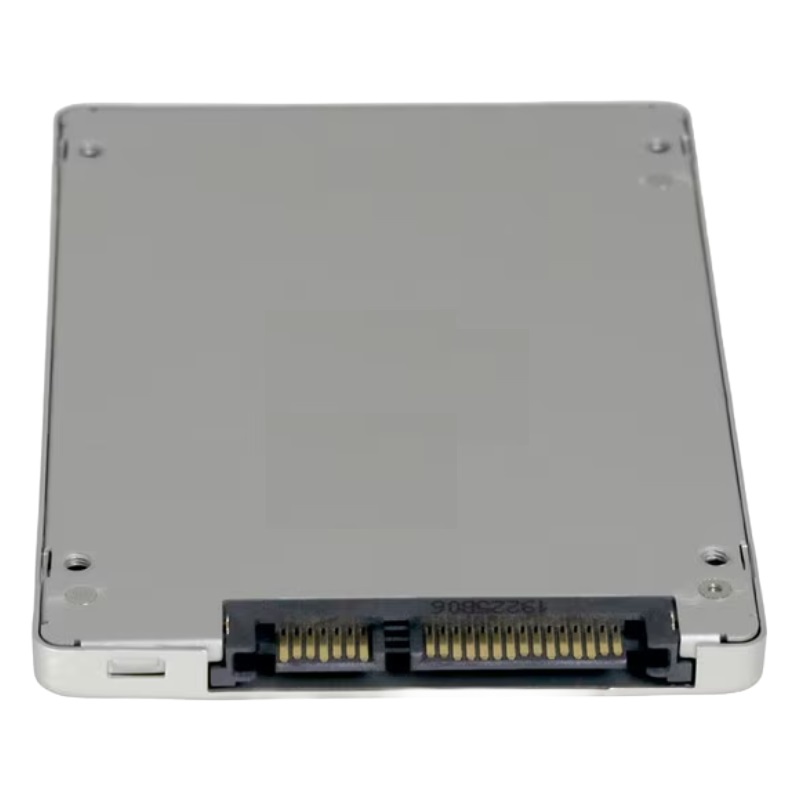
The drive uses the SATA III interface (6Gbps), which is backward compatible with SATA II (3Gbps) and SATA I (1.5Gbps). However, in those latter cases, throughput will be constrained to the lower interface speeds. Modern motherboards and systems universally support SATA III, so the drive can plug into existing systems without requiring specialized adapters.
Most modern BIOS or UEFI firmware will properly detect and allow the SSD to be used as a boot device. For certain older systems, firmware updates may improve compatibility. Many vendors support Advanced Host Controller Interface (AHCI) in BIOS/UEFI, enabling features such as native command queuing (NCQ) and power management.
Common operating systems (Windows, Linux, macOS) natively support SATA SSDs. TRIM / discard support should be enabled to maintain performance over time. On Linux, ensure the file system and kernel are configured to issue discard or use fstrim. On Windows, the default driver (STORAHCI) supports SATA operations, and TRIM is enabled by default in modern versions.
The drive uses a standard 2.5-inch form factor with a 7 mm height, making it compatible with most laptop and desktop drive bays. In compact or ultra-slim systems, double check clearance and mounting adapters. While SATA SSDs run cool, ensure airflow or clearance in tight enclosures, especially in multi-drive installations.
Micron occasionally releases firmware updates to improve performance, fix bugs, or patch compatibility. Users or system integrators should check Micron’s support site for updates and apply them following vendor instructions. Always back up data before a firmware upgrade to avoid any risk of data loss.


 Contact Us
 Information
 Catalog
 Solid State Drives (SSD)
 Network Switches
 Hard Disk Drives
 HBA & Controllers
 PC & Servers
 PC & Server Memory
 CPU & Processors
 Network Routers
 Power Supplies
 Tape Drives & Libraries
 Network Devices
 Computer & Network Cables