(7% discount is applied at checkout)
Cart is empty
Your go-to destination for cutting-edge server products
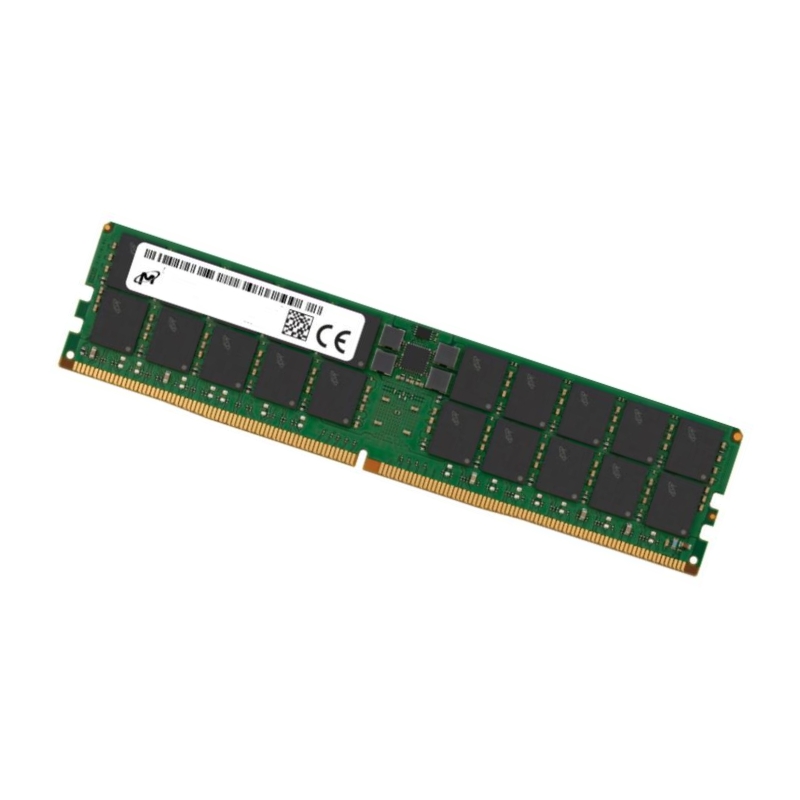


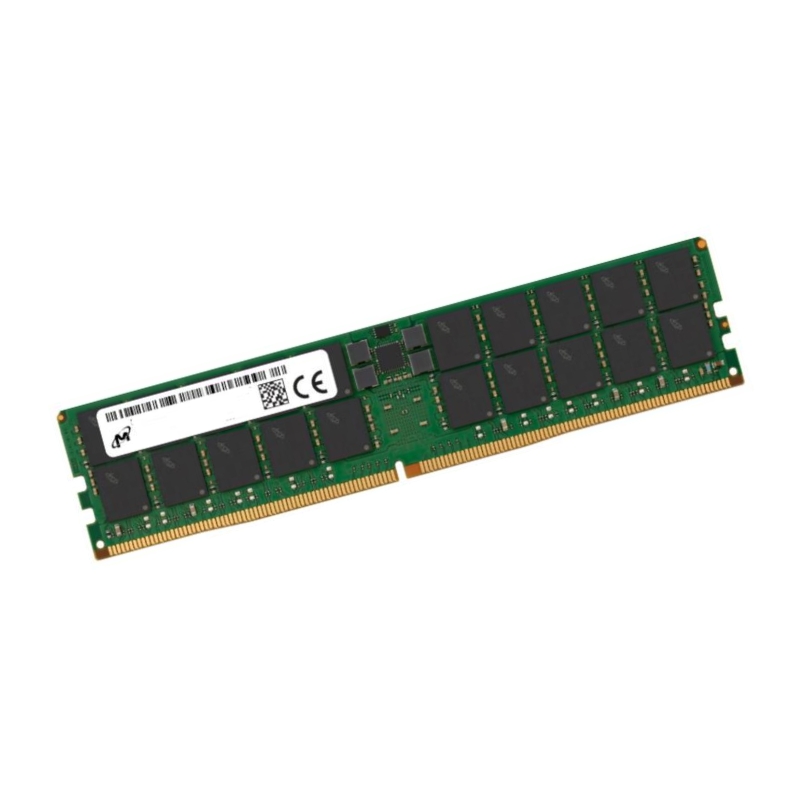
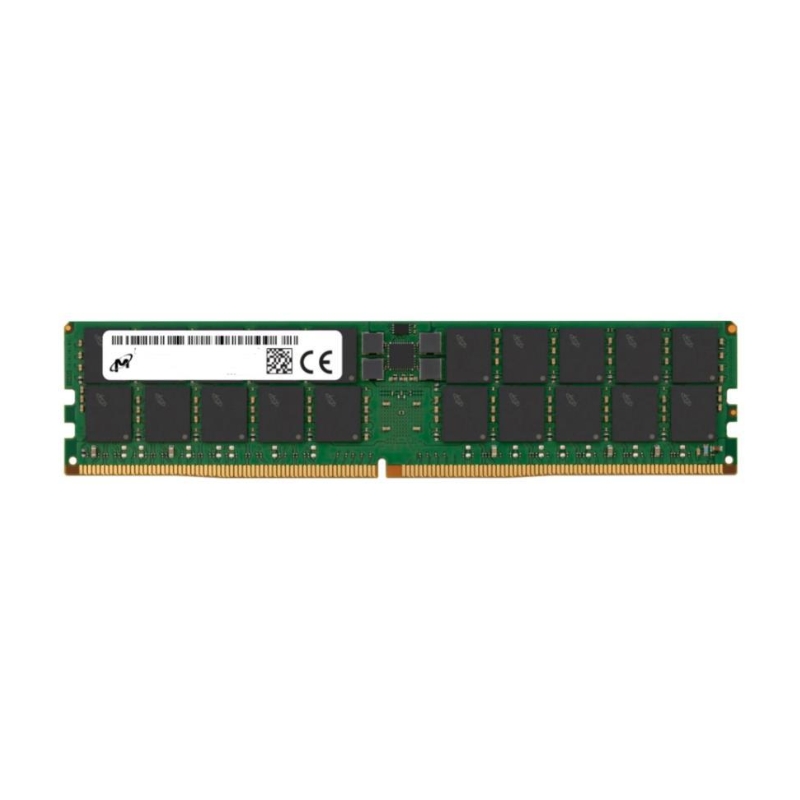
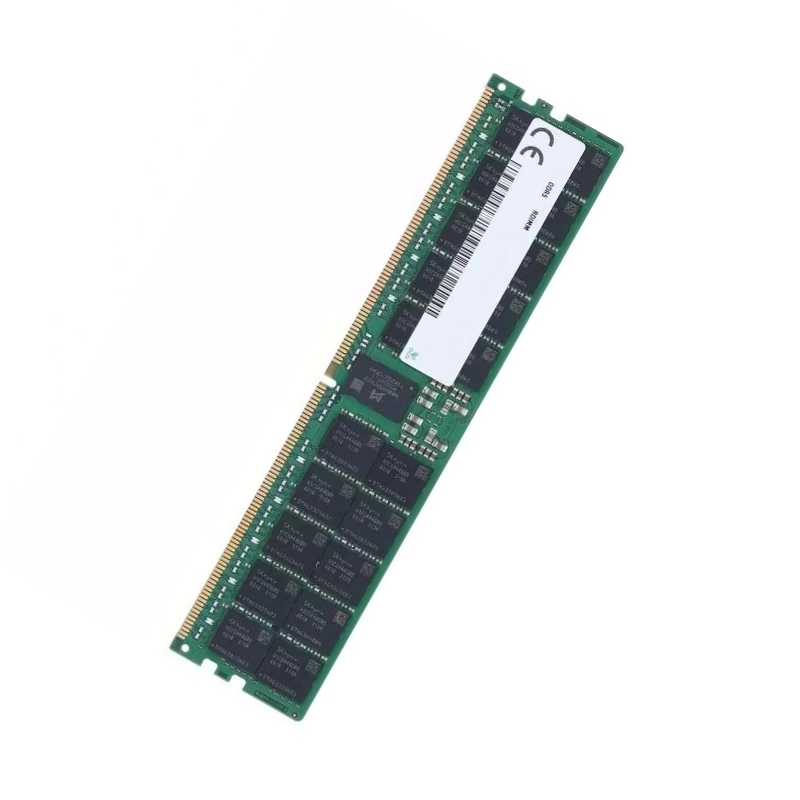
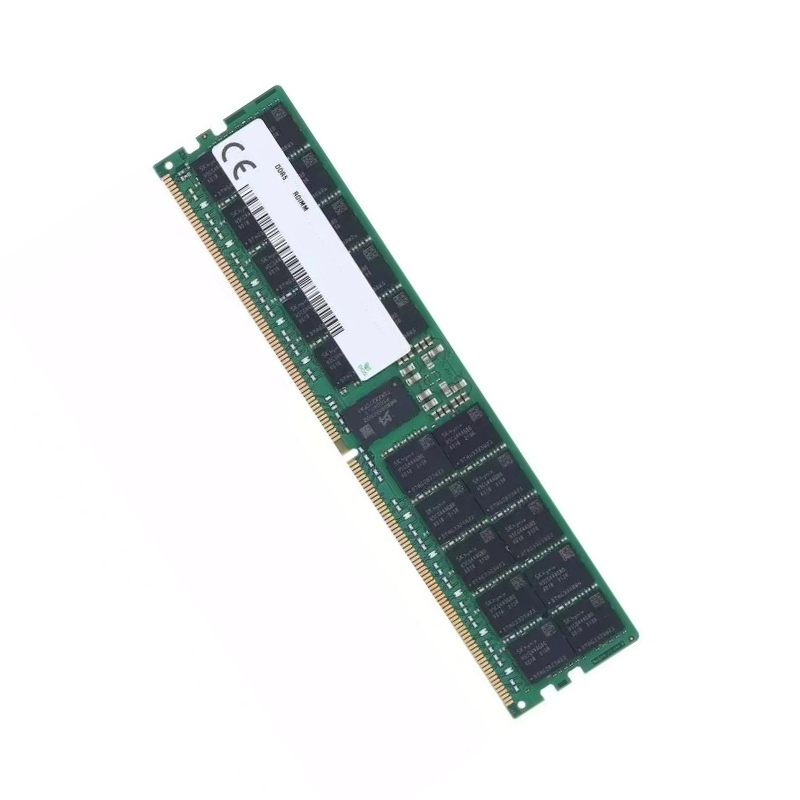
Micron MTC20F104XS1RC48BBZ 48GB 4800MHz PC5-38400 CL40 ECC Registered DDR5 SDRAM 288-Pin RDIMM Memory for Server. New Sealed in Box (NIB) with 3 Year Warranty
The Micron MTC20F104XS1RC48BBZ delivers exceptional performance as a 48GB DDR5 4800MHz PC5-38400 ECC Registered Memory Module, designed for enterprise-grade servers and advanced computing environments.
The Micron MTC20F104XS1RC48BBZ 48GB DDR5 RDIMM belongs to a professional memory category designed specifically for data center servers, enterprise virtualization environments, and mission critical computing platforms that demand stability, scalability, and sustained bandwidth. This category of DDR5 registered memory represents a generational shift from earlier DDR4 server modules by delivering higher data transfer rates, improved power efficiency, and advanced signal integrity features that are essential for contemporary multi-core processors. With a rated speed of 4800MT/s and compliance with the PC5-38400 specification, this memory class addresses the growing performance needs of cloud workloads, analytics pipelines, and transactional databases that operate continuously under heavy load.
DDR5 RDIMM memory modules in this category are engineered to operate within registered memory architectures, meaning the command and address signals are buffered before reaching the DRAM devices. This approach significantly reduces electrical load on the memory controller, enabling support for larger memory capacities per channel while maintaining signal reliability at higher frequencies. The Micron 48GB DDR5 RDIMM exemplifies this design philosophy by balancing capacity density, speed, and error protection within a single 288-pin module form factor.
The 48GB capacity configuration places this Micron memory module in a strategic position between standard mid-capacity and high-capacity RDIMM offerings. This category is particularly valuable for system architects who require flexible memory scaling without overcommitting to extremely large modules that may exceed workload requirements or budget constraints. A 48GB DDR5 RDIMM allows for more granular memory population strategies, enabling balanced channel configurations that optimize bandwidth utilization across modern server CPUs.
In environments such as virtualization hosts and container platforms, memory density directly affects consolidation ratios and performance isolation. The 48GB capacity tier supports higher virtual machine counts or container density compared to traditional 32GB modules while maintaining cost efficiency relative to 64GB or higher capacity RDIMMs. This makes the Micron MTC20F104XS1RC48BBZ a strong fit within this memory category for organizations seeking to scale memory resources incrementally.
This DDR5 RDIMM module is built using a single rank x4 DRAM organization, a configuration that plays a critical role in server memory reliability and throughput. Single rank memory modules reduce complexity within the memory channel, allowing the memory controller to manage signal timing more efficiently at high data rates such as 4800MT/s. The x4 DRAM device layout enhances error correction granularity, improving the effectiveness of ECC mechanisms compared to x8-based configurations.
Within this category, single rank x4 DDR5 RDIMMs are often preferred for enterprise deployments where predictable latency and data integrity are paramount. The architectural choice supports consistent performance under sustained workloads, making it suitable for applications such as in-memory databases, enterprise resource planning systems, and real-time analytics engines that are sensitive to memory access patterns.
Error Correction Code functionality is a defining feature of this memory category, providing automatic detection and correction of single-bit memory errors during operation. The Micron 48GB DDR5 RDIMM integrates ECC at the hardware level, ensuring that data integrity is preserved even in environments exposed to electrical noise, thermal variation, or long operational cycles. ECC is especially important in enterprise servers where undetected memory errors can lead to data corruption, application crashes, or system downtime.
DDR5 technology further enhances ECC capabilities by introducing on-die error correction within the DRAM chips themselves. This layered approach to error management improves reliability before data even reaches the external ECC logic on the RDIMM. As a result, this memory category delivers a higher standard of resilience compared to previous generations, aligning with the operational requirements of always-on infrastructure.
The PC5-38400 classification of the Micron MTC20F104XS1RC48BBZ indicates a theoretical peak bandwidth of 38.4GB per second per module. This level of throughput represents a substantial improvement over DDR4-based RDIMMs and enables faster data movement between the CPU and memory subsystem. Within this category, DDR5-4800 memory is designed to complement the increased core counts and parallel processing capabilities of modern server processors.
Higher memory bandwidth is particularly beneficial for workloads that rely on large data sets and frequent memory access, such as artificial intelligence training, scientific simulations, and high-frequency trading platforms. By reducing memory bottlenecks, DDR5-4800 RDIMMs help ensure that CPU resources are utilized more efficiently, improving overall system performance.
Latency, expressed as CAS Latency or CL, is a critical parameter in memory performance evaluation. This Micron DDR5 RDIMM operates at CL40, a latency profile that is optimized for stability and consistency at high data rates. While DDR5 latency numbers are numerically higher than DDR4 equivalents, the significantly increased clock speed offsets this difference, resulting in comparable or improved real-world performance.
In server environments, predictable latency is often more important than minimal absolute latency. The CL40 specification ensures that this memory category delivers consistent response times under varying load conditions. This predictability is essential for service level agreements and performance-sensitive enterprise applications.
DDR5 memory introduces a new power management architecture that shifts voltage regulation from the motherboard to the memory module itself. The Micron 48GB DDR5 RDIMM incorporates an onboard power management integrated circuit that regulates voltage locally, improving power efficiency and reducing electrical noise. This design enhances signal integrity and contributes to stable operation at high frequencies.
Lower operating voltage compared to earlier memory generations also results in reduced overall power consumption per gigabyte. In large-scale data centers, this efficiency gain can translate into meaningful reductions in energy costs and thermal output. As part of this category, DDR5 RDIMMs are engineered to support sustainable computing initiatives without sacrificing performance.
Enterprise memory modules are expected to operate continuously under elevated thermal conditions. The Micron MTC20F104XS1RC48BBZ is designed to meet stringent thermal specifications, ensuring reliable performance in densely populated server chassis. Effective thermal behavior is achieved through optimized DRAM placement, robust PCB design, and adherence to JEDEC standards.
Within this category, thermal stability is critical for maintaining long-term data integrity and preventing performance throttling. This DDR5 RDIMM supports sustained workloads across extended operational cycles, making it suitable for 24/7 data center environments.
The 288-pin RDIMM form factor is the industry standard for DDR5 registered memory modules used in servers and workstations. This physical configuration ensures compatibility with a wide range of enterprise motherboards and processor platforms that support DDR5 memory technology. The Micron 48GB DDR5 RDIMM adheres strictly to this standard, enabling seamless integration into supported systems.
Registered DIMMs differ from unbuffered memory by incorporating a register that buffers command and address signals. This architectural feature allows for greater memory capacity scalability per system, making RDIMMs the preferred choice for enterprise deployments. The category of DDR5 RDIMMs is specifically targeted at systems requiring high reliability and large memory footprints.
Modern server processors from leading CPU vendors are designed to leverage the capabilities of DDR5 RDIMM memory. This category is optimized for platforms that support registered DDR5 modules, enabling higher memory frequencies and larger capacities per channel. Compatibility with supported chipsets ensures that features such as ECC, memory interleaving, and advanced power management function as intended.
System builders and IT administrators benefit from standardized memory support matrices that list qualified DDR5 RDIMMs for specific platforms. The Micron MTC20F104XS1RC48BBZ aligns with these requirements, making it suitable for certified enterprise server configurations.
Multi-socket server architectures rely heavily on balanced memory configurations to achieve optimal performance. DDR5 RDIMMs in the 48GB capacity class provide flexibility when populating multiple memory channels across dual-socket or quad-socket systems. This enables uniform memory distribution, which is essential for minimizing non-uniform memory access penalties.
Within this category, scalability is a defining attribute. The ability to populate large total memory capacities while maintaining high bandwidth per channel allows enterprises to build systems tailored to specific workload demands.
The Micron MTC20F104XS1RC48BBZ fits within a memory category tailored for a wide range of enterprise use cases. Virtualized infrastructure benefits from increased memory density and bandwidth, enabling higher consolidation ratios and improved workload isolation. Database servers leverage the high throughput and ECC protection to maintain data integrity and responsive query performance.
High-performance computing environments also benefit from DDR5 RDIMM memory, particularly in applications that involve large data sets and parallel processing. The combination of 48GB capacity, DDR5-4800 speed, and registered architecture supports efficient scaling across compute nodes.
In cloud and private virtualization environments, memory performance directly impacts service quality and scalability. This category of DDR5 RDIMM memory supports the memory-intensive nature of hypervisors and container orchestration platforms. The 48GB module size allows for flexible resource allocation while maintaining optimal channel population.
Consistent latency and ECC reliability are essential for maintaining uptime and protecting tenant workloads. The Micron DDR5 RDIMM addresses these requirements through its enterprise-focused design.
Data analytics and artificial intelligence workloads demand rapid access to large volumes of data. DDR5-4800 RDIMM memory provides the bandwidth necessary to feed compute accelerators and multi-core CPUs efficiently. The 48GB capacity tier allows systems to hold larger in-memory datasets, reducing reliance on slower storage tiers.
Within this category, memory reliability is crucial, as data corruption can compromise analytical results. ECC protection ensures that computations are performed on accurate data.
While primarily targeted at servers, DDR5 RDIMM memory is also used in high-end enterprise workstations that require large memory capacities and stable operation. Applications such as computer-aided design, simulation, and content creation benefit from the increased bandwidth and reliability offered by this memory category.
The Micron 48GB DDR5 RDIMM supports these specialized use cases by delivering enterprise-grade performance in a standardized form factor.


 Contact Us
 Information
 Catalog
 Solid State Drives (SSD)
 Network Switches
 Hard Disk Drives
 HBA & Controllers
 PC & Servers
 PC & Server Memory
 CPU & Processors
 Network Routers
 Power Supplies
 Tape Drives & Libraries
 Network Devices
 Computer & Network Cables