(7% discount is applied at checkout)
Cart is empty
Your go-to destination for cutting-edge server products
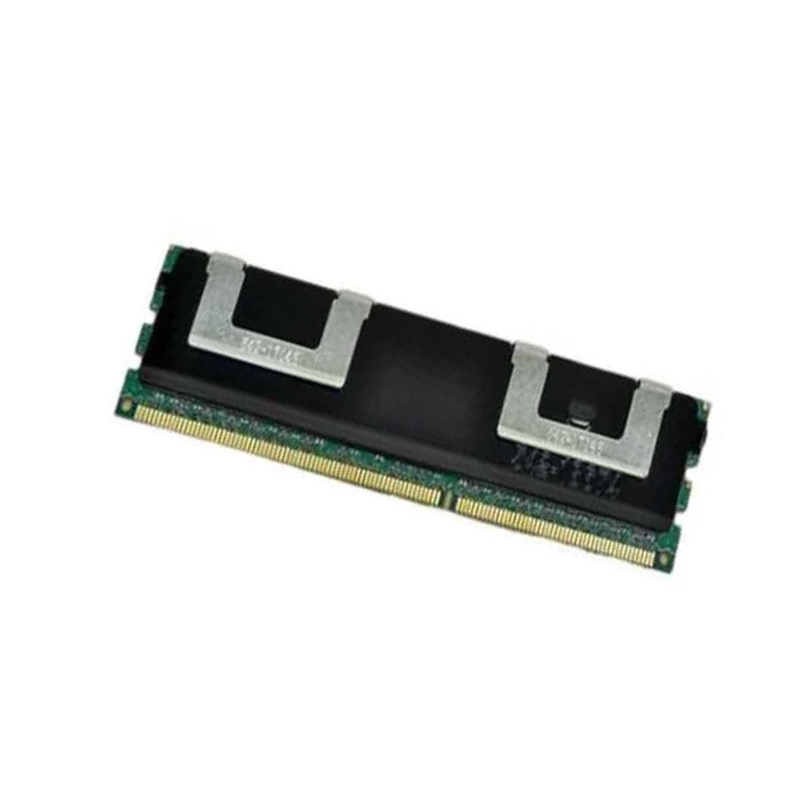


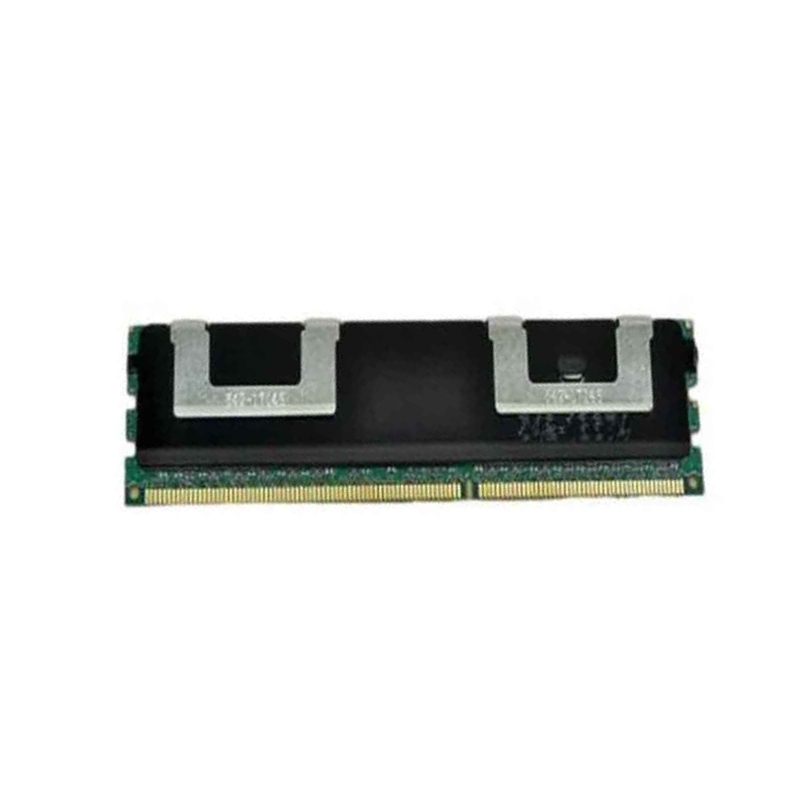
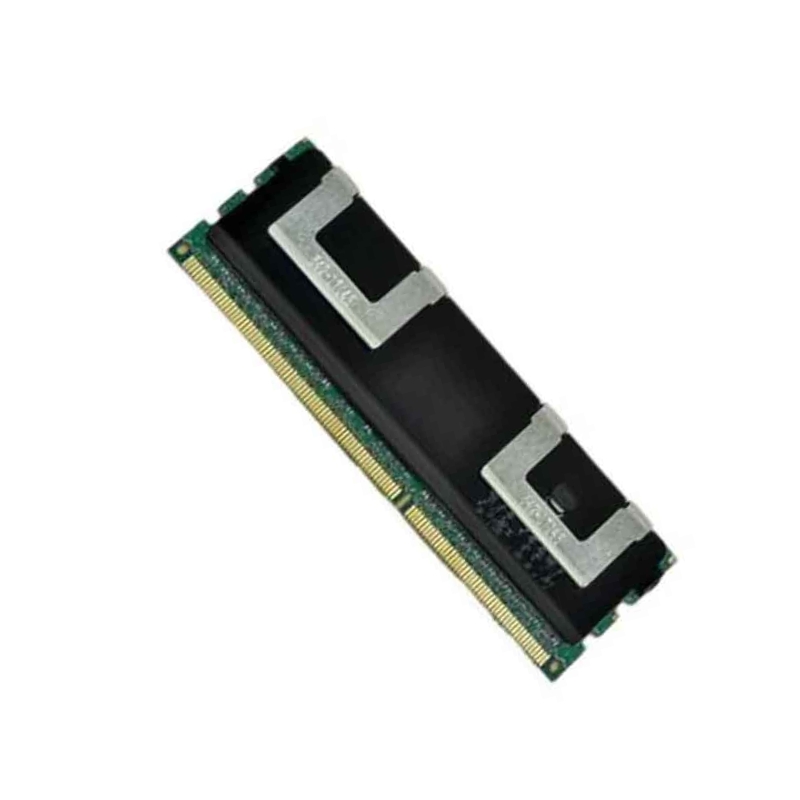
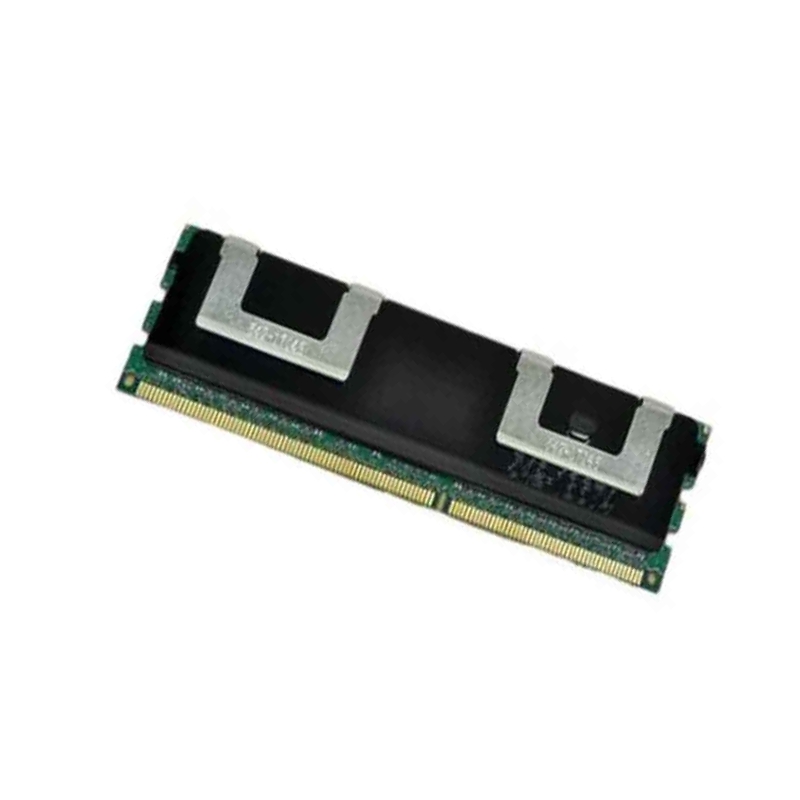
Micron MTA144ASQ16G72LSZ-2S9E1 128GB 8rx4 Pc4-23400 DDR4-2933MHz Registered Ecc Cl21 288-Pin Load Reduced Dimm 1.2v Quad Rank Memory Module. New Sealed in Box (NIB) with 3 Years Warranty
| SKU/MPN | Warranty | Price | Condition | You save |
|---|---|---|---|---|
| MTA144ASQ16G72LSZ-2S9E1 | 1 Year Warranty | $1,699.00 | New (System) Pull | You save: $594.65 (26%) |
| MTA144ASQ16G72LSZ-2S9E1 | 1 Year Warranty | Contact us for a price | New Sealed in Box (NIB) |
In the realm of enterprise servers, high-performance computing (HPC), and data-intensive applications, memory is not merely a component; it is the critical backbone that determines system stability, capacity, and throughput. As server configurations scale to accommodate vast datasets and virtualized environments, the electrical load imposed by traditional memory modules on the memory controller becomes a significant bottleneck.
In the realm of enterprise servers and high-performance computing, memory is not merely a component; it is the lifeblood of data throughput and system stability. The demand for higher capacity, greater bandwidth, and enhanced reliability has driven the evolution of memory module technologies beyond standard Registered DIMMs (RDIMMs). This brings us to the sophisticated category of Load Reduced DIMMs, or LRDIMMs, which represent a critical solution for memory-intensive applications. The Micron MTA144ASQ16G72LSZ-2S9E1 is a quintessential example of this advanced technology, engineered to overcome the electrical loading limitations that constrain traditional server memory configurations.
A Load Reduced DIMM is a specialized type of memory module designed to maximize the total memory capacity and speed achievable in a server system. While RDIMMs use a register to buffer the address and command lines, LRDIMMs incorporate an additional component: a memory buffer (or data buffer) on the data lines. This buffer isolates the DRAM chips on the module from the server's memory controller, dramatically reducing the electrical load. This isolation allows a system to support more DIMMs per channel and higher capacities per module without sacrificing signal integrity or clock speed. For IT administrators and system builders targeting virtualization, large-scale databases, in-memory analytics, or high-performance computing clusters, LRDIMMs are the enabling technology for populating servers with terabytes of RAM.
The core innovation of an LRDIMM lies in its Memory Buffer chip. In an RDIMM, the memory controller "sees" the electrical load of every DRAM chip on the data bus, which limits the number of ranks (sets of DRAMs) that can be placed on a single channel. The LRDIMM's buffer presents a single, consistent load to the memory controller regardless of how many DRAM chips are behind it. This breakthrough effectively decouples the scaling of memory capacity from the degradation of signal quality. Consequently, systems can utilize higher-density DRAM chips and more ranks per module—such as the Octal Rank (8-rank) design of the Micron module—enabling monumental capacity points like 128GB on a single DIMM.
The product code for this memory module is a detailed blueprint of its specifications. Breaking it down provides a clear understanding of its capabilities and intended use case. "MTA" denotes a module from Micron's server DRAM portfolio. "144" indicates a 144-bit data width (128-bit data + 16-bit ECC). "ASQ" refers to the specific product family and technology. "16G72" reveals the module's organization: it is comprised of 16 Gigabit (2GB) DRAM chips, with a total of 72 chips (accounting for data and ECC). The "L" is crucial, signifying "Load Reduced." "SZ" indicates a 288-pin DDR4 Sockets (DIMM) form factor. Finally, "-2S9E1" is a speed bin and configuration identifier, specifying the DDR4-2933 timing and rank count.
This section provides a comprehensive breakdown of the core technical attributes that define the performance and compatibility of the Micron 128GB LRDIMM. Each specification plays a vital role in system integration and operational performance.
With a staggering 128 Gigabytes of storage on a single stick, this module is built for maximum memory consolidation. This capacity is achieved using high-density 16Gb (Gigabit) DRAM components in a complex, multi-rank arrangement. For a dual-socket server with 16 memory slots, this enables a theoretical maximum of 2 Terabytes of RAM using LRDIMMs, a figure that is essential for running numerous virtual machines, massive in-memory databases like SAP HANA, or processing enormous datasets in scientific computing.
The "Octal Rank" designation is a direct result of the LRDIMM architecture. A rank is an independent set of DRAM chips that is accessed simultaneously by the memory controller. Standard modules are typically single, dual, or quad-rank. An 8-rank module, like this Micron LRDIMM, effectively doubles the logical density accessible per module. The memory buffer is essential to managing this complexity, presenting these eight ranks to the memory controller in an electrically efficient manner. This design is the key to achieving such high capacity without moving to more expensive, less mature semiconductor processes.
This module operates at a data rate of 2933 Megatransfers per second (MT/s), commonly referred to as DDR4-2933. The "PC4-23400" is the module's theoretical peak bandwidth rating in megabytes per second (MB/s). It is calculated as (2933 MT/s * 8 bytes/transfer) ≈ 23464 MB/s, rounded to 23400. This high speed ensures that the vast capacity is matched by substantial bandwidth, reducing bottlenecks when the CPU needs to access large swaths of data. In multi-CPU servers with numerous memory channels, this aggregates to a tremendous system-wide memory bandwidth.
While speed (frequency) dictates how fast data can be pumped through the bus, latency refers to the delay between a command and its execution. CAS Latency (CL) is the number of clock cycles between the memory controller requesting data and the first piece of data being available. A CL21 rating at 2933 MT/s represents a balance optimized for server workloads. It is important to note that absolute latency in nanoseconds is a function of both clock speed and CAS latency. The engineering trade-off in LRDIMMs often results in slightly higher CAS latencies compared to RDIMMs of the same speed, due to the additional buffering layer. However, the unparalleled capacity and system loading advantages far outweigh this minor incremental latency for target applications.
This module incorporates two paramount reliability technologies: Error-Correcting Code (ECC) and Registering.
ECC is a non-negotiable feature for enterprise and data center memory. It goes beyond simple parity checking. ECC uses additional bits (the "72" in the 72-bit width per 64-bit data word) to not only detect single-bit errors but to correct them on the fly without any system interruption. It can also detect, though not correct, multi-bit errors. This is critical for ensuring data integrity in financial transactions, scientific calculations, and prolonged server uptime, preventing silent data corruption and system crashes.
Advanced ECC modes, often supported by modern server platforms, include SDDC. This feature can correct errors stemming from the complete failure of a single DRAM chip on the module. When combined with the LRDIMM architecture, SDDC provides a robust fault-tolerant environment for the most critical applications.
The "Registered" aspect refers to the Address/Command Register (or simply, the register) located on the module. This chip buffers the address and command signals from the memory controller, stabilizing them and reducing the electrical load on the controller. This allows for the support of more DIMMs per memory channel—a fundamental requirement for building out large memory configurations. The register introduces a one-clock-cycle delay in the address path, which is a standard and acceptable trade-off for the gains in system stability and capacity.
The module utilizes the standard DDR4 288-pin DIMM (Dual In-line Memory Module) physical layout. The pin count and key notch position are specific to DDR4 technology and prevent insertion into incompatible DDR3 or DDR5 sockets. The operating voltage of 1.2V is a significant reduction from DDR3's 1.5V, contributing to lower power consumption and reduced heat output at the system level, which is a major consideration for data center power and cooling budgets.
Deploying a high-specification LRDIMM requires careful attention to system compatibility. These modules are not for consumer desktop PCs.
The Micron MTA144ASQ16G72LSZ-2S9E1 is designed for modern enterprise servers, primarily from OEMs like Dell EMC (PowerEdge), HPE (ProLiant, Apollo), Lenovo (ThinkSystem), Cisco (UCS), and Supermicro. It is compatible with Intel Xeon Scalable Processors (Skylake, Cascade Lake, and Cooper Lake generations) and compatible AMD EPYC platforms that explicitly support LRDIMM technology. It is imperative to consult the server manufacturer's memory configuration guide or qualified vendor list (QVL) to ensure this specific module, speed, capacity, and rank count is validated for a particular server model and CPU configuration. Mixing LRDIMMs with RDIMMs or UDIMMs within a channel or system is generally not supported.
The combination of massive capacity, high bandwidth, and unwavering reliability makes this memory category the go-to choice for the most demanding server-based applications.
Hypervisors like VMware vSphere, Microsoft Hyper-V, and KVM can leverage terabytes of RAM to host hundreds of virtual machines with high consolidation ratios, improving hardware utilization and reducing physical footprint and overhead.
Platforms such as SAP HANA, Oracle Exadata, Microsoft SQL Server, and various NoSQL stores keep entire datasets in RAM for instantaneous query response and real-time analytics. The 128GB capacity per module directly enables larger, faster-working datasets.
Scientific simulations, financial modeling, genomic sequencing, and machine learning training often involve algorithms that process vast matrices of data. Having this data readily accessible in high-bandwidth, high-capacity memory like LRDIMMs drastically accelerates time-to-solution.
Large-scale ERP (Enterprise Resource Planning), CRM (Customer Relationship Management), and SCM (Supply Chain Management) systems that run global business operations require the rock-solid stability and error correction provided by Registered ECC LRDIMMs to ensure continuous, error-free operation.
Servers have specific rules for populating memory sockets, often detailed in a "population guide." Rules dictate the order in which sockets must be filled to optimize for multi-channel operation (e.g., Intel's Flex Mode or AMD's distributed architecture). Using LRDIMMs typically imposes certain constraints, such as populating only one LRDIMM per memory channel for optimal speed, or specific requirements when using two LRDIMMs per channel. Following these guidelines is essential to achieve the advertised memory speed (2933 MT/s) and to ensure the system posts successfully.
System architects must balance performance and capacity. A configuration with one LRDIMM per channel will generally allow the memory to run at its maximum rated speed (e.g., 2933 MT/s). As more LRDIMMs are added per channel to increase total capacity, the memory speed may step down (e.g., to 2666 MT/s) to maintain signal integrity. The server BIOS/UEFI and platform will automatically manage this, but it is a critical planning consideration when designing a system for a specific workload profile.
Modern server platforms offer features like Intel's Persistent Memory (Optane) or support for NVDIMMs. While distinct technologies, LRDIMMs work in tandem within these heterogeneous memory systems. The vast volatile storage of LRDIMMs is complemented by the persistent, byte-addressable capacity of Optane, enabling even more innovative data tiering and application designs.


 Contact Us
 Information
 Catalog
 Solid State Drives (SSD)
 Network Switches
 Hard Disk Drives
 HBA & Controllers
 PC & Servers
 PC & Server Memory
 CPU & Processors
 Network Routers
 Power Supplies
 Tape Drives & Libraries
 Network Devices
 Computer & Network Cables