(7% discount is applied at checkout)
Cart is empty
Your go-to destination for cutting-edge server products
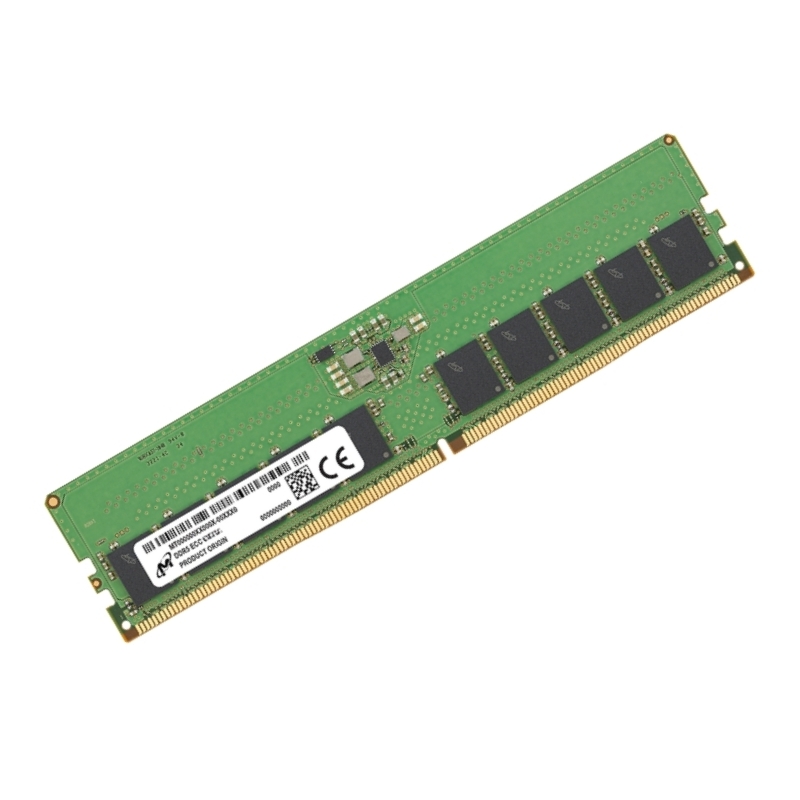


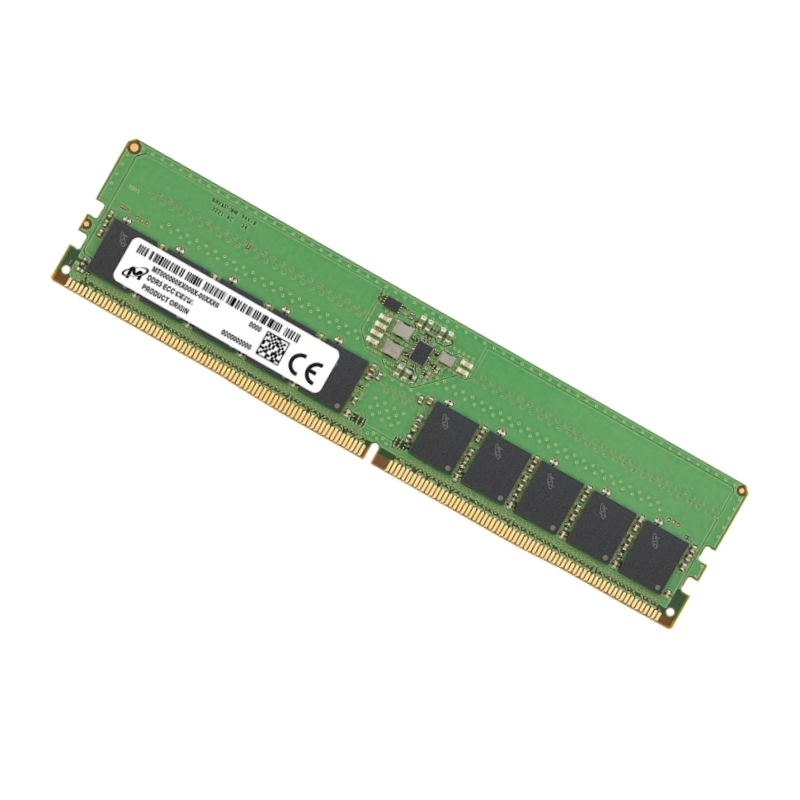
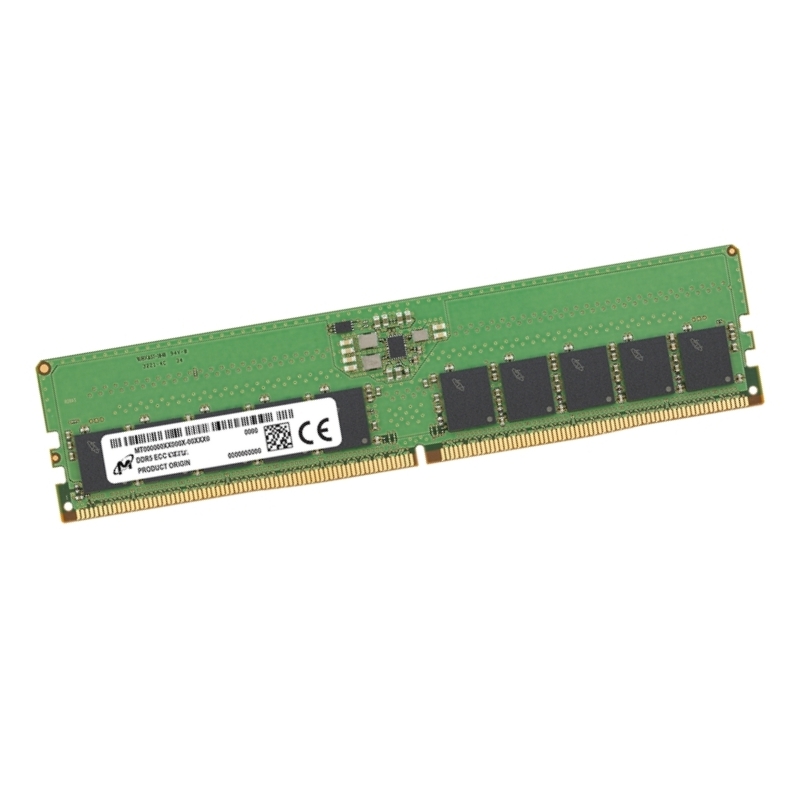
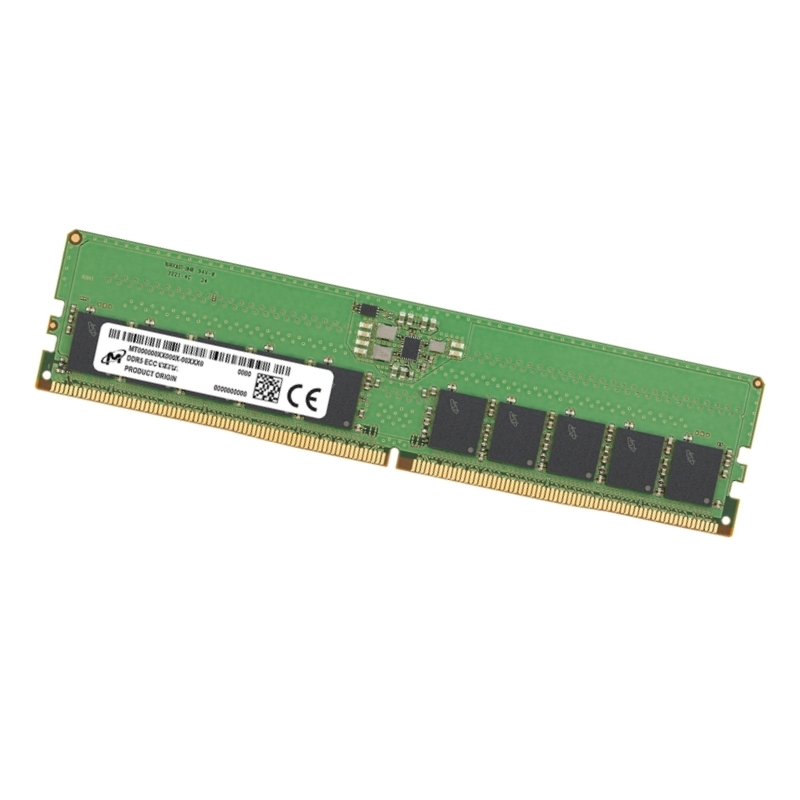
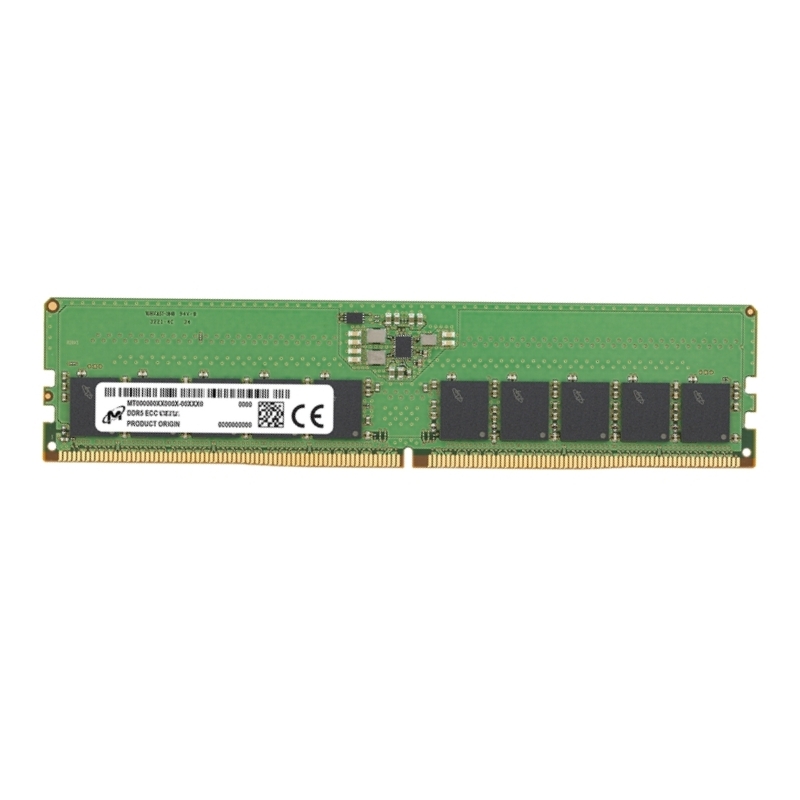
Micron MTC10F1084S1RC64BD2R 16GB DDR5 6400MHz PC5-51200 1rx8 ECC Registered CL52 288-Pin 1.1v DIMM Server Memory Kit. New Sealed in Box (NIB) with 3 Year Warranty
The Micron MTC10F1084S1RC64BD2R is a high-performance DDR5 server memory module designed for enterprise-level computing environments. Built for speed, stability, and efficiency, this RAM module is ideal for data centers, workstations, and mission-critical servers that require consistent and reliable memory performance.
This Micron 16GB DDR5 RDIMM is compatible with systems that support DDR5 ECC Registered memory.
The Micron MTC10F1084S1RC64BD2R 16GB DDR5 6400MHz PC5-51200 ECC Registered DIMM Server Memory Kit represents a premium category of memory designed for modern server environments. As organizations continue to demand higher performance, larger memory footprints, and reliable error correction, this memory solution stands out as a top choice for enterprise-grade applications and data centers.
This category page presents a comprehensive exploration of the key features, advantages, technical specifications, compatibility considerations, use cases, and selection criteria associated with this advanced server memory module. Whether you are upgrading existing infrastructure or specifying memory for new systems, understanding the detailed aspects of this memory kit will help ensure optimal performance and reliability.
The Micron server memory under this category delivers 16GB of DDR5 memory capacity. As part of the DDR5 memory generation, it offers significant improvements in bandwidth and efficiency compared to previous DDR4 modules. DDR5 technology is designed to handle modern workloads that demand higher throughput and more efficient memory management.
Operating at 6400MHz, this module belongs to the high-performance DDR5 speed tier. The designation PC5-51200 indicates the theoretical maximum data transfer rate of 51.2GB/s per module, which translates to faster processing of data-intensive tasks.
In practical terms, this higher frequency benefits workloads that rely on rapid memory access, such as virtualization, in-memory databases, and large-scale computing tasks.
A crucial aspect of this memory category is its ECC (Error-Correcting Code) capability. ECC memory detects and corrects single-bit errors that may occur during data storage and retrieval. In server environments where data integrity is critical, ECC minimizes the risk of data corruption and system crashes.
The inclusion of ECC makes modules in this category ideal for mission-critical applications, financial systems, cloud services, and other environments where uptime and accuracy are essential.
This module uses a registered (or buffered) design. Registered memory includes a register between the memory controller and the DRAM modules, which helps stabilize the electrical load on the memory controller. This results in improved signal integrity and enables support for higher memory capacities in multi-module configurations.
The kit is built on a 288-pin DIMM form factor, which is standard for DDR5 server memory modules. It operates at a nominal voltage of 1.1V, reflecting the energy efficiency improvements inherent in DDR5 technology.
With its high memory frequency and DDR5 architecture, this server memory category provides substantial performance benefits over older memory generations. The combination of fast data rates and efficient resource handling enables systems to better manage high-performance workloads, including virtualization, analytics, and large scale databases.
Organizations that deploy servers with these modules can expect faster processing times, smoother multitasking, and improved responsiveness under heavy load.
Enterprise environments require memory solutions that can handle complex and demanding tasks. This DDR5 memory kit is optimized for use in servers that host enterprise applications, cloud platforms, and critical infrastructure. Its ECC and registered features ensure data accuracy while supporting large memory capacities essential for enterprise workloads.
DDR5 memory operates more efficiently than its predecessors, consuming less power while delivering higher performance. The lower operating voltage of 1.1V not only reduces energy consumption but also contributes to lower heat generation, which can be particularly beneficial in data centers where power and cooling are major operational concerns.
Enterprise servers in data centers benefit from memory that balances speed, capacity, and reliability. This category of server memory supports these requirements by delivering high-speed DDR5 performance alongside ECC protection and registered stability. Common deployments include database servers, file servers, cloud infrastructure, and virtualization hosts.
High-Performance Computing environments demand memory configurations that can handle extensive parallel computations and large data sets. The speed and reliability of this memory category make it well suited for HPC clusters running scientific simulations, data analysis, and engineering workloads.
Databases such as SQL Server, Oracle Database, and large-scale analytics engines like Apache Spark benefit from memory systems that can quickly process large volumes of data. The high throughput of DDR5 6400MHz memory helps accelerate query execution and data processing tasks, resulting in faster insights and improved performance.
ECC Registered memory, like the modules in this category, provides significant reliability advantages that are essential for critical applications. If your environment cannot tolerate data corruption or unexpected system failures, ECC memory is a necessary investment. Registered memory also supports higher memory densities and can improve signal integrity in multi-DIMM configurations.
Compared to DDR4, DDR5 memory delivers higher bandwidth, improved power efficiency, and better scalability. The Micron DDR5 6400MHz modules in this category significantly outperform typical DDR4 modules, which often top out at lower frequencies and provide reduced overall throughput.
Registered ECC memory includes a register that helps manage electrical loads, whereas unbuffered ECC memory does not. For server environments with multiple DIMMs installed, registered memory offers improved signal integrity and supports higher total memory capacity.
Memory rank refers to how the memory chips are organized on the module. Single-rank modules can be slightly faster due to simpler signaling but may not support as high capacities as dual-rank modules. Understanding your system’s memory controller capabilities helps choose the appropriate rank and configuration for optimal performance.


 Contact Us
 Information
 Catalog
 Solid State Drives (SSD)
 Network Switches
 Hard Disk Drives
 HBA & Controllers
 PC & Servers
 PC & Server Memory
 CPU & Processors
 Network Routers
 Power Supplies
 Tape Drives & Libraries
 Network Devices
 Computer & Network Cables