(7% discount is applied at checkout)
Cart is empty
Your go-to destination for cutting-edge server products
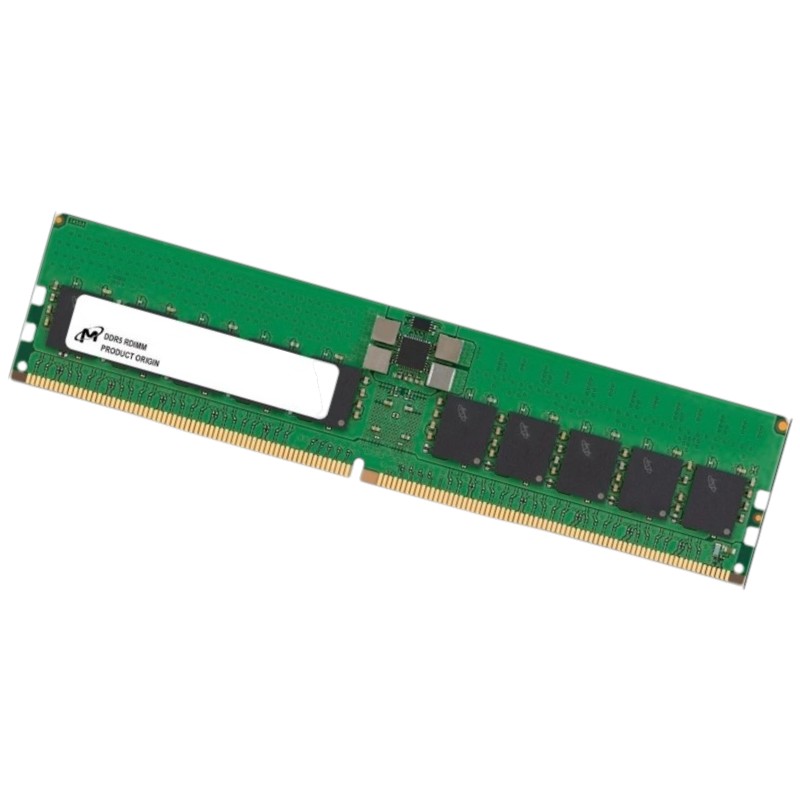


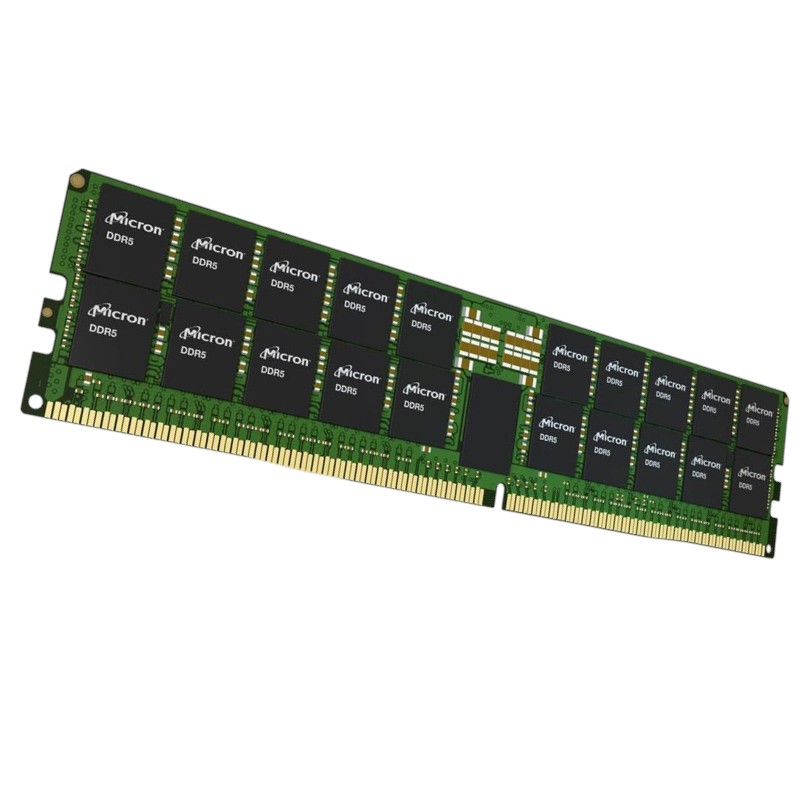
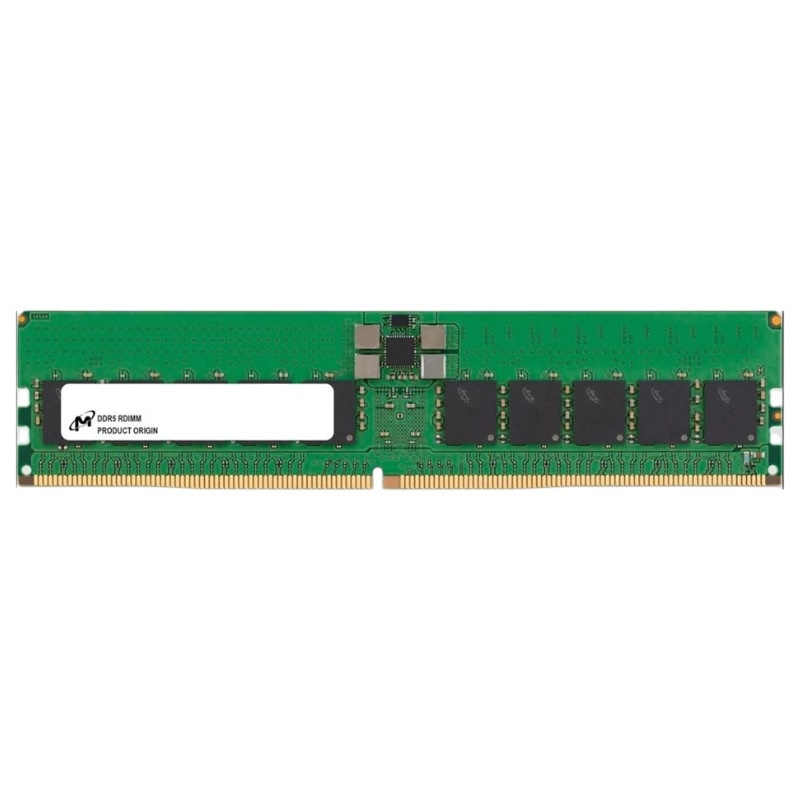
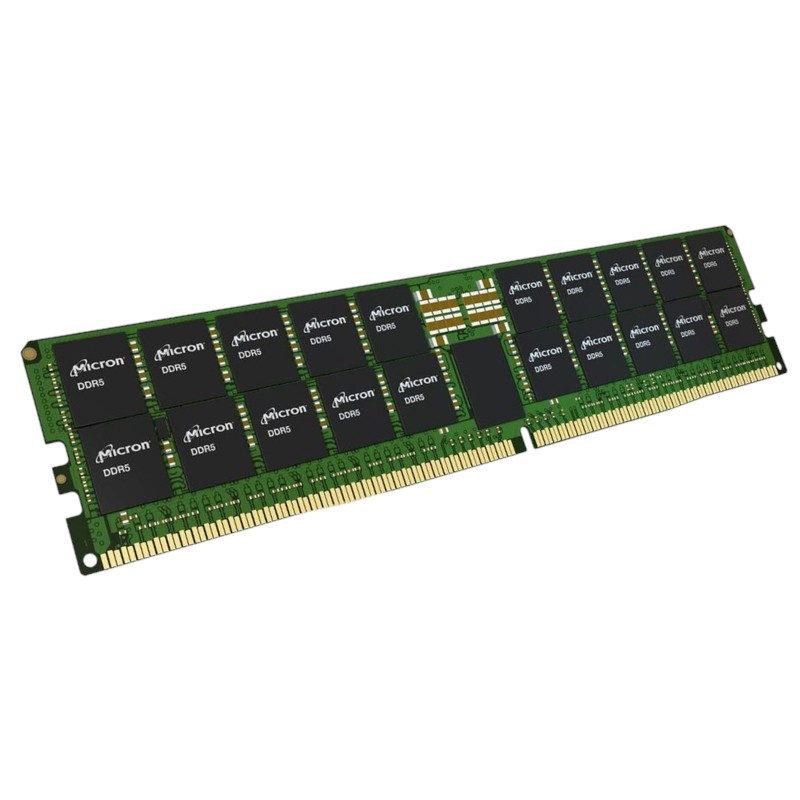
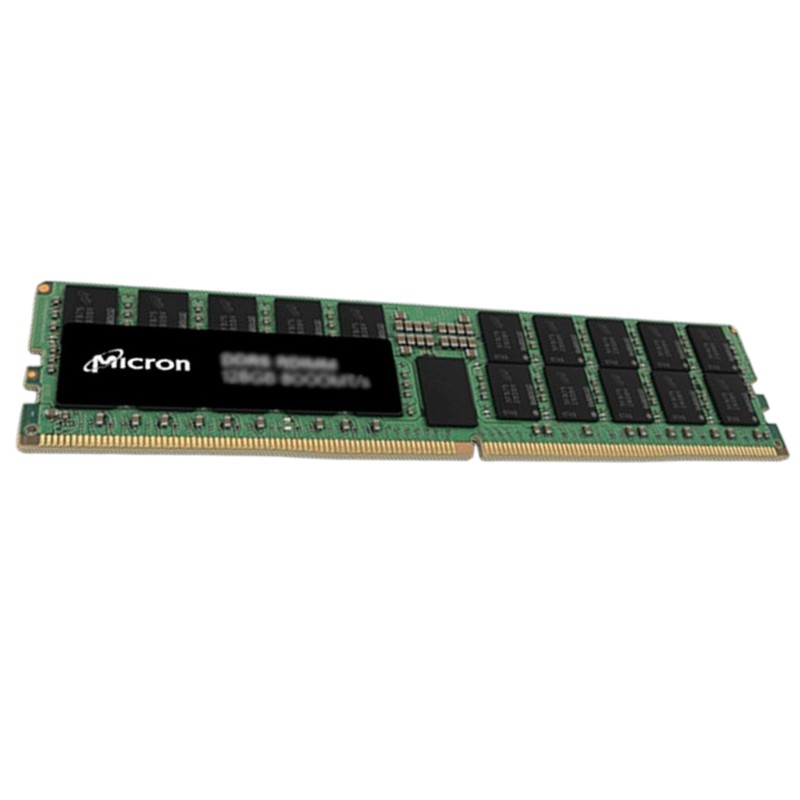
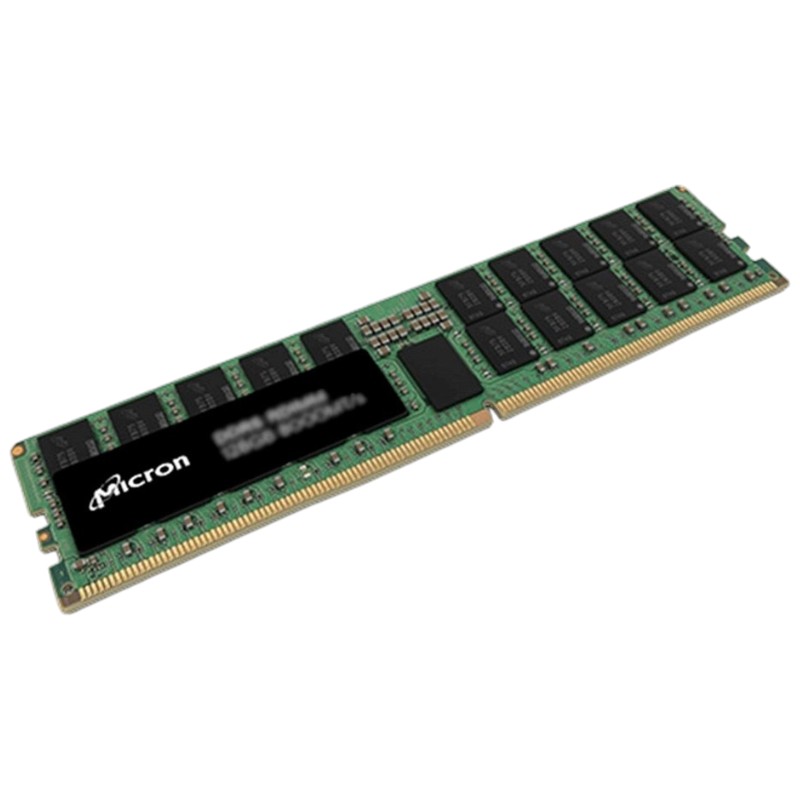
Micron MTC20F104XS1RC64BC1 48GB DDR5-6400MHz PC5-51200 CL52 ECC 288-Pin RDIMM Server Memory Module. New Sealed in Box (NIB) with 3-Years Warranty
The Micron MTC20F104XS1RC64BC1 is a high-performance 48GB DDR5-6400MHz PC5-51200 CL52 ECC 288-Pin RDIMM designed for enterprise-grade servers. This module ensures reliability, speed, and efficiency for demanding workloads.
The Micron MTC20F104XS1RC64BC1 48GB DDR5-6400MHz PC5-51200 CL52 ECC 288-Pin RDIMM Server Memory Module is engineered for enterprise-grade computing platforms that require high bandwidth, advanced reliability, and optimized memory scalability. Designed specifically for modern servers, virtualization hosts, cloud infrastructure systems, edge computing deployments, and data-intensive enterprise applications, this DDR5 registered DIMM delivers substantial improvements in throughput, efficiency, and latency optimization compared to previous-generation memory technologies.
DDR5 server memory technology introduces significant architectural enhancements that improve memory access efficiency, bandwidth density, and workload responsiveness. The 6400MHz operating frequency allows enterprise servers to handle demanding transactional databases, analytics platforms, artificial intelligence workloads, virtualization clusters, and software-defined infrastructure environments with improved responsiveness and reduced processing bottlenecks.
This Micron RDIMM module incorporates Error Correcting Code functionality, which helps maintain system stability and data integrity during intensive server operations. ECC technology is critical in enterprise environments because it detects and corrects memory errors before they affect mission-critical workloads. The registered DIMM architecture further enhances signal integrity by reducing electrical load on the memory controller, enabling improved scalability in multi-DIMM and multi-processor server configurations.
DDR5 memory technology introduces numerous enhancements over DDR4 server memory. One of the most important advancements is the increase in memory bandwidth. With PC5-51200 performance classification, this module supports high-speed data transfer operations that improve application responsiveness across enterprise systems.
The architecture also introduces dual independent 32-bit subchannels per DIMM, allowing memory transactions to occur more efficiently and reducing latency during parallel workload execution. This capability is especially beneficial for virtualization hosts and high-density compute environments where simultaneous memory access operations occur continuously.
Another critical improvement is the onboard power management integrated circuit. DDR5 shifts voltage regulation from the motherboard to the memory module itself, enhancing power delivery precision and improving electrical efficiency. This contributes to lower power consumption and improved thermal management in large-scale data center environments.
The 48GB memory capacity offers a balanced configuration for enterprise systems that require high memory density without excessive resource allocation. This capacity level is particularly beneficial for virtualization servers, hybrid cloud infrastructure, database platforms, and high-performance workstation applications.
In virtualization environments, the 48GB configuration supports higher virtual machine density and improved resource distribution. Hypervisors depend heavily on available memory capacity to maintain performance consistency across multiple guest operating systems. The larger memory pool helps reduce swapping and paging operations, improving overall infrastructure responsiveness.
Database applications also benefit from expanded memory availability because larger in-memory datasets can be cached directly in RAM. This reduces disk access frequency and accelerates query execution performance for enterprise analytics platforms and transactional systems.
Modern enterprise servers often utilize multiple DIMM slots across several CPU memory channels. The Micron MTC20F104XS1RC64BC1 RDIMM module enables scalable memory deployment strategies that align with expanding infrastructure requirements. Organizations can deploy multiple modules to achieve high-capacity memory configurations while maintaining reliable performance characteristics.
The registered DIMM design helps improve signal integrity in large memory deployments. By buffering address and command signals, RDIMM technology minimizes electrical loading on the memory controller, enabling support for larger memory populations within enterprise server systems.
Data centers demand consistent and reliable memory performance to support cloud services, virtualization clusters, containerized applications, and enterprise software platforms. The Micron DDR5-6400 RDIMM module is engineered to meet these requirements through high-frequency operation and optimized bandwidth management.
The 6400MHz operating speed significantly improves memory throughput compared to earlier DDR generations. Increased memory bandwidth enables processors to access data more rapidly, reducing delays in compute-intensive applications and improving workload parallelization efficiency.
Enterprise environments frequently run mixed workloads simultaneously. Database queries, virtualization processes, analytics tasks, and application hosting operations compete for system resources. High-speed DDR5 memory helps reduce congestion within the memory subsystem, ensuring smoother multitasking performance across enterprise workloads.
PC5-51200 memory classification indicates extremely high data transfer capability. High memory bandwidth is essential for modern server processors that feature increasing core counts and parallel processing capabilities. Without sufficient memory throughput, processors may experience bottlenecks that limit computational efficiency.
High-bandwidth memory improves responsiveness for applications such as real-time analytics, machine learning inference, enterprise resource planning platforms, and large-scale virtualization environments. Applications that process large datasets benefit from faster memory access and reduced transaction latency.
In cloud computing environments, memory bandwidth directly affects tenant performance consistency. Servers hosting multiple workloads require memory systems capable of sustaining continuous high-volume access patterns without degradation.
The CL52 latency specification represents optimized timing parameters for DDR5-6400 enterprise memory operation. While DDR5 introduces higher latency values numerically compared to DDR4, the significantly increased operating frequency offsets this difference by improving overall effective responsiveness.
Latency optimization is critical for enterprise applications that rely on rapid memory access. Transactional databases, financial analytics systems, and AI inference engines all benefit from balanced latency and bandwidth characteristics.
Micron engineering focuses on maintaining reliable timing stability under sustained workloads. Enterprise servers frequently operate continuously for extended periods, making memory timing consistency essential for maintaining predictable application performance.
Modern server CPUs contain large numbers of processing cores designed for parallel execution. High-speed DDR5 memory enables these processors to maintain efficient data access patterns during concurrent operations. The Micron MTC20F104XS1RC64BC1 module helps ensure that CPU cores receive adequate memory throughput for sustained computational performance.
Applications such as virtualization platforms, distributed databases, scientific simulations, and software-defined networking solutions depend heavily on multi-core processor efficiency. Memory bottlenecks can significantly reduce server responsiveness and workload scalability.
Error Correcting Code functionality is one of the most important aspects of enterprise-grade server memory. The Micron DDR5 ECC RDIMM module provides advanced data integrity protection by automatically detecting and correcting memory errors during system operation.
Memory errors can occur due to electrical interference, cosmic radiation, thermal fluctuations, or component wear over time. In enterprise environments, even minor memory corruption can result in application instability, data loss, or unexpected system failures.
ECC technology continuously monitors memory transactions and corrects single-bit errors before they impact applications or operating systems. This helps maintain infrastructure reliability and reduces the risk of downtime in mission-critical deployments.
Enterprise servers operate continuously under demanding workloads, making reliability a primary requirement. ECC memory provides an additional layer of protection against data corruption, which is especially important for applications involving financial transactions, healthcare systems, cloud infrastructure, and enterprise databases.
Organizations deploying virtualization platforms benefit from ECC protection because multiple virtual machines depend on shared physical memory resources. Preventing memory corruption helps ensure stable operation across all hosted workloads.
Cloud service providers also rely heavily on ECC memory to maintain service availability and customer data integrity. Reliable memory operation reduces maintenance incidents and contributes to improved infrastructure uptime.
Registered DIMM technology improves memory subsystem stability by buffering command and address signals between the memory controller and DRAM modules. This reduces electrical stress on the processor memory controller and enables support for larger memory capacities.
RDIMM memory is widely used in enterprise servers because it provides superior scalability compared to unbuffered DIMM configurations. Large-scale servers with multiple DIMMs per channel depend on RDIMM architecture to maintain signal integrity at high operating frequencies.
The combination of DDR5 technology and RDIMM architecture allows enterprise systems to achieve greater memory density while maintaining reliable performance under demanding conditions.
Data center servers frequently operate twenty-four hours per day in mission-critical environments. The Micron MTC20F104XS1RC64BC1 memory module is engineered for long-term reliability under sustained workloads and elevated thermal conditions.
Micron utilizes extensive validation testing procedures to ensure compatibility with enterprise platforms and consistent operational stability. Reliability-focused engineering helps organizations minimize unexpected downtime and infrastructure maintenance disruptions.
The Micron 48GB DDR5 RDIMM module is designed for compatibility with enterprise server motherboards and workstation platforms that support DDR5 registered memory technology. Compatibility considerations include processor generation support, BIOS validation, memory channel architecture, and platform-specific configuration guidelines.
Modern server processors from major enterprise vendors are designed to leverage DDR5 memory bandwidth advantages. This module supports advanced server architectures used in cloud infrastructure, virtualization clusters, analytics systems, and enterprise application environments.
The 288-pin DIMM form factor represents the standard physical interface for DDR5 server memory modules. The module layout is engineered for optimized signal transmission, thermal efficiency, and secure motherboard connectivity.
Server manufacturers design memory slots specifically for RDIMM configurations to ensure compatibility with enterprise-grade memory architectures. The registered DIMM interface supports improved electrical performance in high-capacity server deployments.
Proper installation and population sequencing are important for achieving optimal memory performance. Enterprise motherboards often provide multiple memory channels and DIMM slots per processor, enabling flexible scaling strategies.
Multi-socket enterprise servers benefit significantly from high-speed DDR5 RDIMM memory configurations. Large-scale virtualization environments, enterprise databases, and high-performance computing platforms often utilize multiple processors with dedicated memory channels.
The Micron DDR5-6400 RDIMM module supports balanced memory distribution across CPU channels, helping maintain efficient NUMA performance characteristics and reducing memory access latency between processors.
Balanced memory population improves throughput consistency and helps maximize the performance capabilities of enterprise server processors.
Enterprise server platforms frequently include BIOS-level optimizations for DDR5 memory technologies. Firmware enhancements may improve memory training efficiency, timing stability, thermal monitoring, and power management behavior.
Micron memory modules are validated for compatibility with enterprise firmware ecosystems to ensure stable operation under varying workload conditions. Updated firmware support helps organizations maximize memory performance and long-term platform reliability.
Power efficiency and thermal management are increasingly important in modern data center operations. The Micron DDR5 RDIMM module incorporates advanced power optimization technologies that improve electrical efficiency and reduce operational overhead.
DDR5 memory introduces onboard voltage regulation through integrated power management circuitry. This architecture improves power delivery precision and enhances overall efficiency compared to previous-generation memory technologies.
Lower power consumption contributes to reduced thermal output, which is beneficial for high-density server environments where cooling infrastructure plays a critical operational role.
Enterprise organizations continuously seek methods to improve data center energy efficiency. Memory modules operating across large server clusters can significantly influence overall power consumption patterns.
The Micron DDR5-6400 module helps reduce energy usage while delivering higher performance levels. Improved power efficiency enables organizations to support increased computational workloads without proportionally increasing operational energy costs.
Energy-efficient memory technology also contributes to sustainability initiatives by lowering overall power demand within enterprise facilities.
Server memory modules frequently experience sustained workloads in enterprise environments. Thermal stability is essential for maintaining consistent performance and preventing hardware degradation over time.
Micron engineers enterprise memory solutions to operate reliably under continuous high-load conditions. Thermal optimization features help maintain stable operating temperatures during demanding compute tasks.
Efficient thermal management also improves component longevity and contributes to overall infrastructure reliability.
Enterprise server chassis are designed with controlled airflow systems that maintain consistent cooling across processors, storage devices, and memory modules. The Micron DDR5 RDIMM module integrates effectively within these airflow architectures.
Proper airflow management helps maintain stable operating temperatures and supports continuous high-performance operation in rack-mounted server environments.
The Micron MTC20F104XS1RC64BC1 DDR5 ECC RDIMM module is suitable for a wide range of enterprise applications requiring dependable memory performance and scalability.
Cloud computing platforms benefit from high-density memory configurations that support large numbers of virtual machines and containerized workloads. High-speed DDR5 memory helps maintain responsive application performance across shared infrastructure resources.
Artificial intelligence environments also depend heavily on memory throughput. Machine learning inference systems and data analytics platforms process large datasets that require rapid memory access for efficient computation.
Virtualization remains one of the most memory-intensive enterprise workloads. Hypervisors allocate physical memory resources across multiple guest operating systems, making memory capacity and bandwidth critical infrastructure considerations.
The 48GB configuration supports increased VM density and improved workload distribution across enterprise servers. High-speed DDR5 memory reduces resource contention and improves responsiveness within virtualized environments.
Enterprise virtualization platforms benefit from ECC protection because memory reliability directly impacts hosted workloads and service availability.
Database systems rely heavily on memory performance for caching, indexing, and transactional processing operations. High-bandwidth DDR5 memory improves query responsiveness and accelerates analytics workloads.
In-memory databases particularly benefit from expanded capacity and improved throughput. Faster memory access reduces latency during complex data operations and supports real-time analytics capabilities.
Enterprise organizations processing large datasets require memory systems capable of sustaining continuous high-volume operations without compromising stability.


 Contact Us
 Information
 Catalog
 Solid State Drives (SSD)
 Network Switches
 Hard Disk Drives
 HBA & Controllers
 PC & Servers
 PC & Server Memory
 CPU & Processors
 Network Routers
 Power Supplies
 Tape Drives & Libraries
 Network Devices
 Computer & Network Cables