(7% discount is applied at checkout)
Cart is empty
Your go-to destination for cutting-edge server products
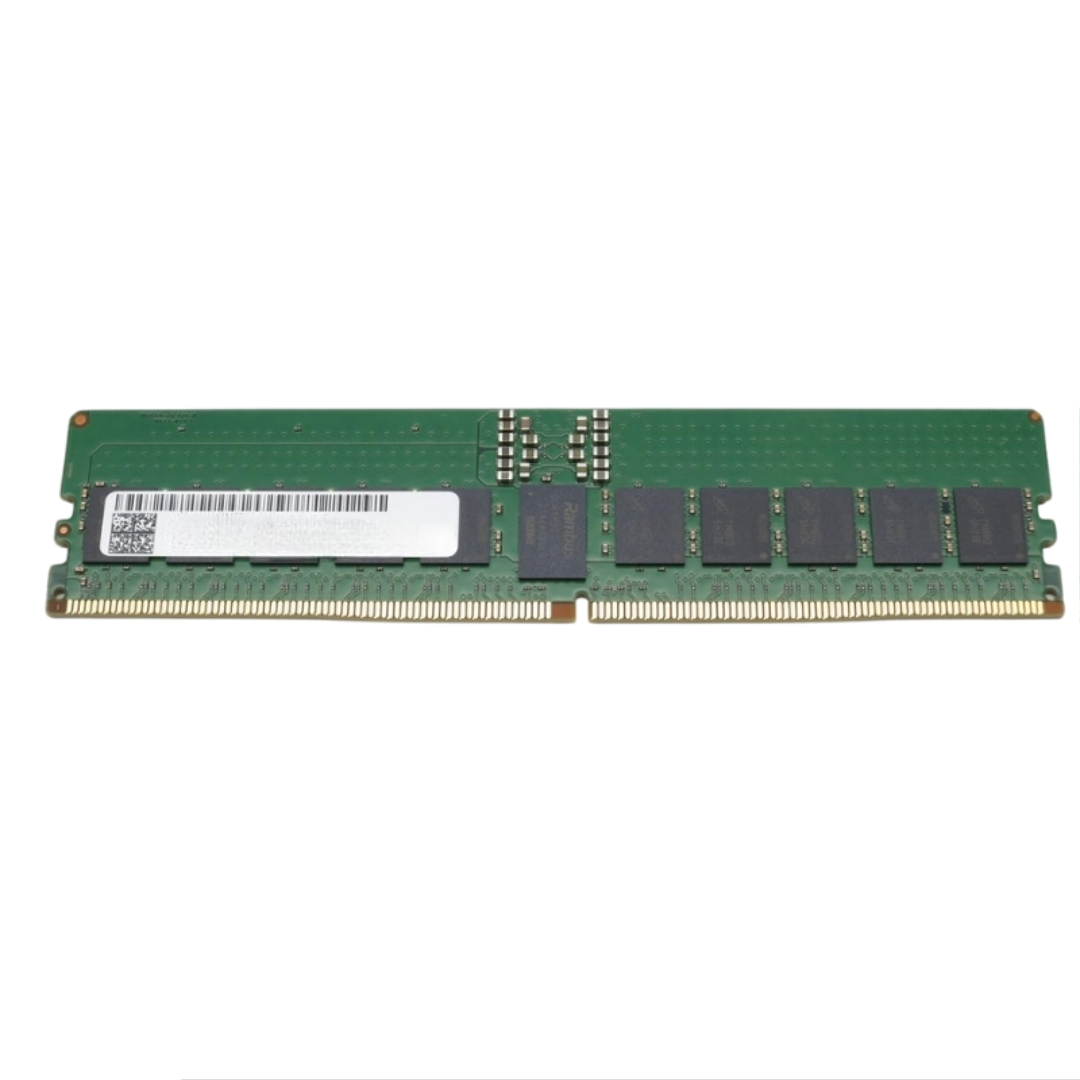


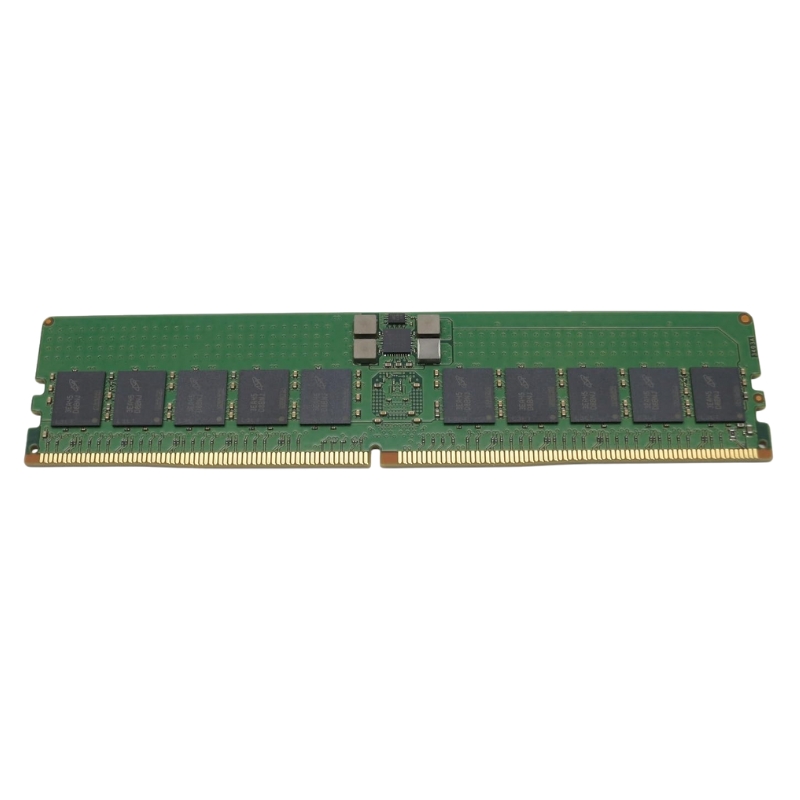
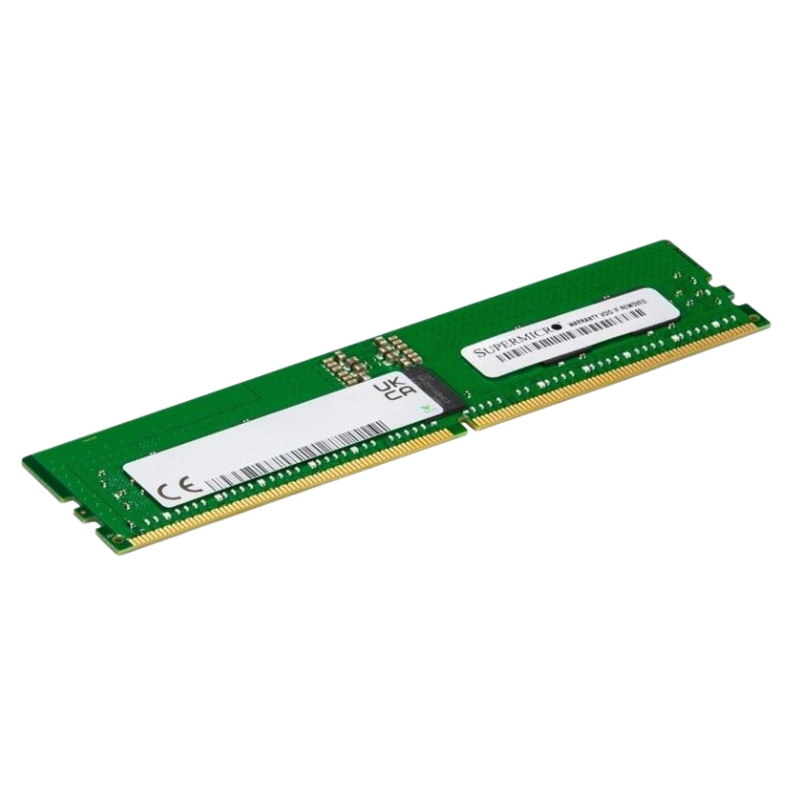
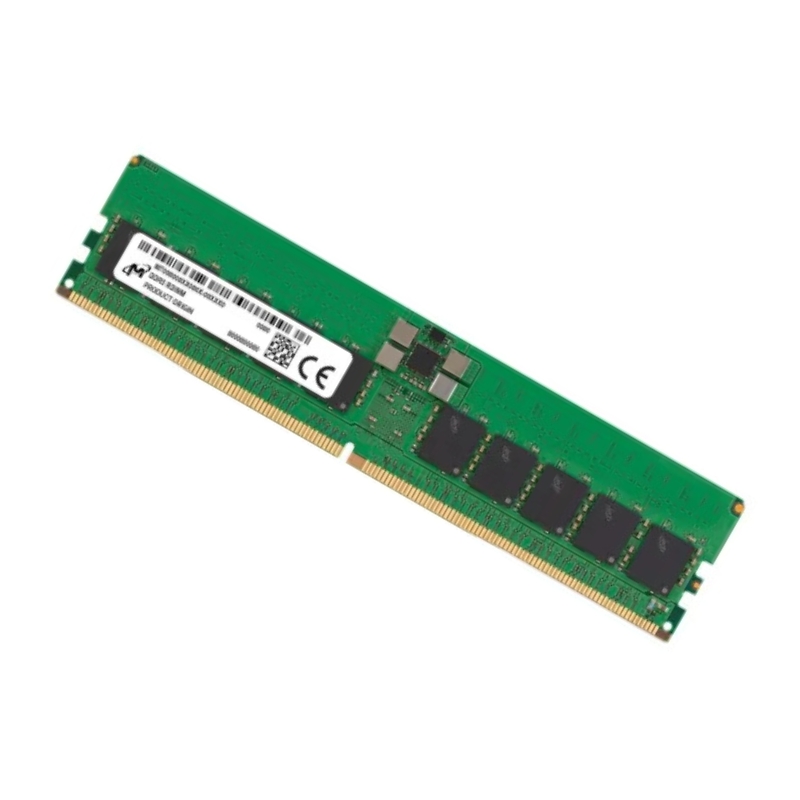
Micron MTC40F2046S1HC88XD1 64GB DDR5 8800Mt/s ECC 287 Pin Mrdimm Memory Module. New Sealed in Box (NIB) with 3 Year Warranty. Call
The Micron MTC40F2046S1HC88XD1 64GB DDR5-8800 ECC RDIMM MRDIMM Server RAM delivers exceptional performance for enterprise-grade systems, ensuring reliability, speed, and advanced error correction for mission-critical workloads.
The Micron MTC40F2046S1HC88XD1 64GB DDR5-8800 MR-DIMM memory module represents a significant advancement in server memory technology. Designed for enterprise-grade servers and data centers, this memory module delivers exceptional performance, reliability, and efficiency for workloads demanding high-speed data access. With a massive 64GB capacity, it supports large-scale applications, virtualization, and data-intensive tasks without compromising system stability or speed.
This category of DDR5 memory modules operates at an impressive 8800 MT/s transfer rate, ensuring rapid data throughput for modern server architectures. The Micron MTC40F2046S1HC88XD1 leverages the latest DDR5 technology to provide higher bandwidth, improved power efficiency, and reduced latency compared to previous DDR4 standards. Its MR-DIMM configuration allows dual-rank memory operation, optimizing server memory channels and enhancing multi-core processing performance.
Each module in this category is engineered as a 2Rx4 MR-DIMM, supporting dual-rank memory architecture that allows simultaneous access to multiple memory banks. This design enhances overall server performance by increasing memory interleaving efficiency and providing better resource utilization for high-performance computing workloads. Dual-rank memory modules are particularly suitable for database servers, virtualization platforms, and high-performance computing clusters that require consistent memory access speeds.
Micron’s MR-DIMM memory modules include advanced ECC functionality, ensuring data integrity and reducing the risk of errors that can disrupt server operations. ECC technology automatically detects and corrects single-bit memory errors while identifying multi-bit errors, providing robust fault tolerance for mission-critical applications. This makes these memory modules an ideal choice for enterprise environments where data reliability is paramount, such as financial systems, cloud servers, and enterprise storage solutions.
The Micron MTC40F2046S1HC88XD1 operates at a low voltage of 1.10V, which significantly reduces power consumption while maintaining peak performance. Energy efficiency is crucial for large-scale server deployments, where power usage and thermal output can directly impact operational costs and data center sustainability. DDR5 memory modules in this category include power management features that enable dynamic voltage scaling, ensuring optimal energy usage without sacrificing performance under heavy workloads.
Each module provides a substantial 64GB memory capacity, allowing server administrators to maximize memory density within limited server slots. This category supports high-capacity memory configurations, making it ideal for applications requiring large memory footprints, including virtualization, big data analytics, artificial intelligence, and high-performance computing. The ability to deploy multiple 64GB MR-DIMM modules in a server ensures scalability and future-proofing for growing enterprise requirements.
The Micron MTC40F2046S1HC88XD1 memory module is compatible with a wide range of server platforms, supporting both legacy and next-generation server architectures. Its 287-pin configuration ensures seamless integration with supported DDR5-capable motherboards, offering plug-and-play reliability for enterprise IT environments. This category of memory modules is designed for use in high-density servers, rack-mounted systems, and mission-critical data center infrastructures.
Memory modules in this category are engineered to handle the rigorous demands of modern data centers, where high-speed data access and low latency are essential. By supporting DDR5-8800 speeds, these modules reduce memory bottlenecks, improve multi-threaded application performance, and enhance the responsiveness of virtualized server environments. The MR-DIMM architecture ensures consistent signal integrity across high-speed memory channels, contributing to reliable server operation under maximum load conditions.
Thermal performance is a critical consideration in server memory modules, and Micron’s DDR5 MR-DIMMs are designed with effective heat dissipation mechanisms. These modules include advanced thermal monitoring capabilities that allow servers to manage temperature efficiently and prevent thermal throttling. By maintaining optimal operating temperatures, this memory category ensures long-term reliability and stability even under continuous heavy workloads.
This category emphasizes not only speed and capacity but also data security and operational reliability. ECC functionality, combined with robust error detection and correction, minimizes the risk of memory-related system crashes or data corruption. Enterprises relying on high-performance servers can benefit from the Micron MR-DIMM’s ability to provide consistent uptime, which is crucial for mission-critical applications such as financial transactions, cloud computing, and large-scale virtualization.
Memory modules in this category offer excellent scalability, enabling IT teams to expand server memory configurations as organizational demands increase. By deploying multiple 64GB DDR5-8800 MR-DIMM modules, enterprises can achieve memory capacities exceeding several terabytes per server, supporting high-density workloads and complex computational tasks. This flexibility ensures that the infrastructure can grow with business requirements without the need for frequent hardware replacements.
Within this memory category, subcategories include high-performance DDR5 MR-DIMMs with different speed grades, voltage optimizations, and latency configurations. Some modules are tuned for ultra-low latency applications, while others prioritize energy efficiency for large-scale deployments. Enterprises can select modules based on workload requirements, balancing between peak performance, power consumption, and thermal efficiency.
The Micron MTC40F2046S1HC88XD1 DDR5-8800 MR-DIMM module exemplifies the future of server memory. With DDR5 technology rapidly becoming the standard for high-performance computing, this category ensures that enterprise servers are equipped with the speed, capacity, and reliability required for emerging applications. From AI and machine learning to high-performance virtualization and in-memory databases, these memory modules provide the foundation for next-generation server infrastructure.
One of the defining features of this memory category is its exceptional bandwidth. DDR5-8800 speeds allow servers to process massive datasets with minimal latency, improving application response times and system throughput. Enterprises running data-intensive workloads such as simulation, scientific computing, or real-time analytics will benefit significantly from the increased bandwidth offered by these MR-DIMM modules.
The dual-rank MR-DIMM design ensures that multi-core processors can efficiently access memory across different channels, reducing contention and improving parallel processing efficiency. This makes the Micron DDR5-8800 MR-DIMM category ideal for multi-threaded applications and virtualization, where multiple processes demand concurrent memory access without performance degradation.


 Contact Us
 Information
 Catalog
 Solid State Drives (SSD)
 Network Switches
 Hard Disk Drives
 HBA & Controllers
 PC & Servers
 PC & Server Memory
 CPU & Processors
 Network Routers
 Power Supplies
 Tape Drives & Libraries
 Network Devices
 Computer & Network Cables