Your go-to destination for cutting-edge server products
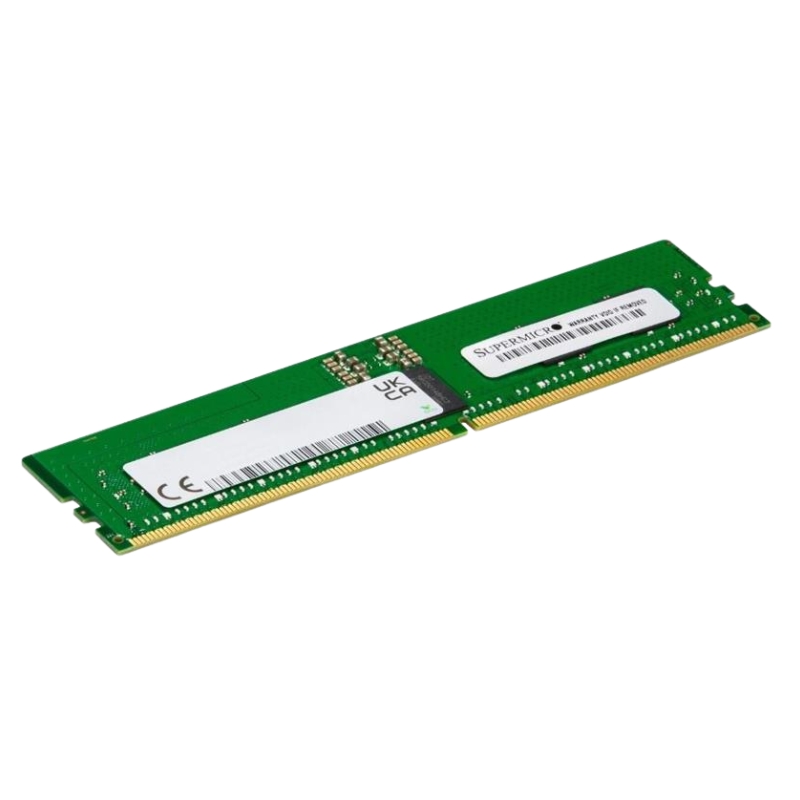
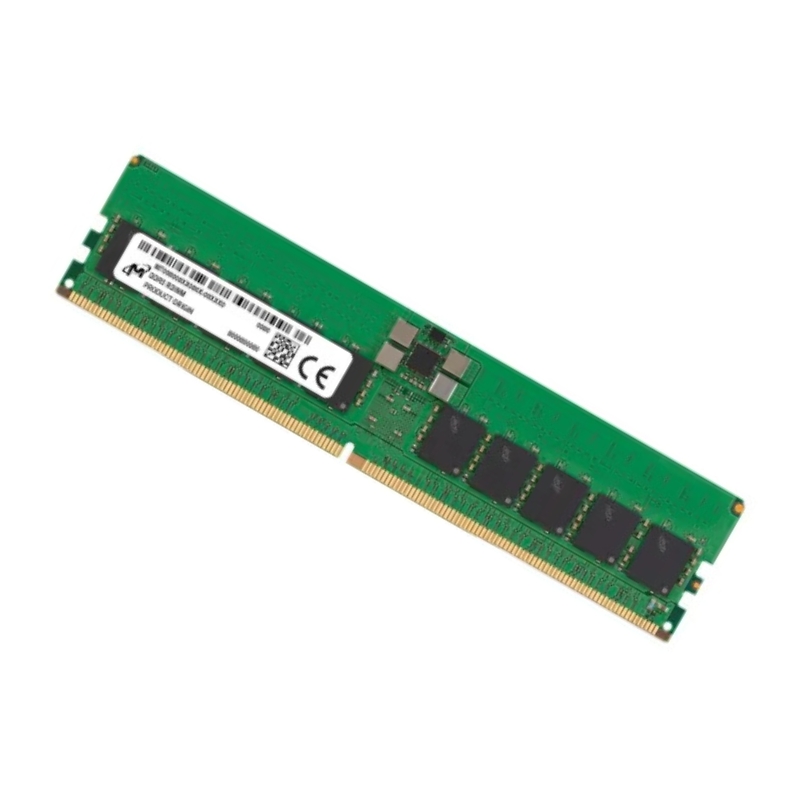
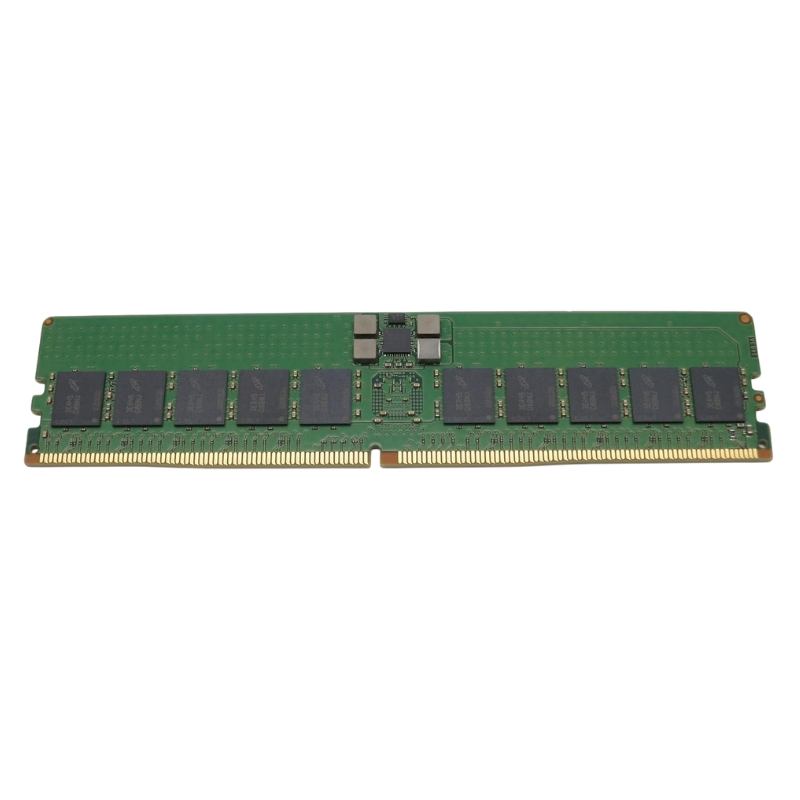
Micron MTC40F2046S1HC88XD1R 64GB DDR5 8800mt/s Cl36 ECC 287 Pin Mrdimm Memory Module.

MTC40F2046S1HC88XD1R
* Product may have slight variations vs. image
Hover on image to enlarge

Brief Overview of MTC40F2046S1HC88XD1R

Micron MTC40F2046S1HC88XD1R 64GB DDR5 8800mt/s Cl36 ECC 287 Pin Mrdimm Memory Module. New Sealed in Box (NIB).Call.

$1,173.15
$869.00
You save: $304.15 (26%)
Ask a question
Price in points: 869 points
+
Quote
Additional 7% discount at checkout
SKU/MPNMTC40F2046S1HC88XD1RAvailability✅ In StockProcessing TimeUsually ships same day ManufacturerMICRON Product/Item ConditionNew Sealed in Box (NIB) ServerOrbit Replacement Warranty1 Year Warranty
Google Top Quality Store Customer Reviews
Our Advantages
Payment Options
  • — Visa, MasterCard, Discover, and Amex
  • — JCB, Diners Club, UnionPay
  • — PayPal, ACH/Bank Transfer (11% Off)
  • — Apple Pay, Amazon Pay, Google Pay
  • — Buy Now, Pay Later - Affirm, Afterpay
  • — GOV/EDU/Institutions PO's Accepted 
  • — Invoices
Delivery
  • — Deliver Anywhere
  • — Express Delivery in the USA and Worldwide
  • — Ship to -APO -FPO
  • For USA - Free Ground Shipping
  • — Worldwide - from $30
Description

Product Overview Micron MTC40F2046S1HC88XD1R 64gbGB DDR5 8800mt/s PC5-7040 CL36 ECC 287 Pin MRDIMM Memory Module

The MICRON MTC40F2046S1HC88XD1R delivers outstanding performance as a 64GB DDR5-8800 MRDIMM 2Rx4 CL36 PC5-70400 server memory module. Designed with reliability and high-speed data handling in mind, it is ideal for enterprise servers, advanced data centers, and mission-critical workloads.

Key Attributes

  • High-capacity 64GB DDR5 module optimized for demanding server applications
  • Ultra-fast 8800 MT/s data transfer rate for superior efficiency
  • Dual-rank 2Rx4 architecture supporting enhanced stability
  • Error-Correcting Code (ECC) functionality to maintain system integrity
  • CL36 latency for balanced performance and responsiveness
  • Energy-efficient 1.10V operating voltage

General Specifications

This MICRON memory module ensures superior performance while keeping compatibility in focus:

  • Manufacturer: MICRON
  • Part Number: MTC40F2046S1HC88XD1R
  • Product Name: 64GB DDR5-8800 MRDIMM Server Memory

Technical Highlights

Memory Features

  • Capacity: 64GB
  • Technology: DDR5 SDRAM
  • Standard: DDR5-8800 / PC5-70400
  • Speed: 8800 MT/s
  • Rank: 2Rx4 (Dual-Rank)
  • Error Correction: ECC (Error-Correcting Code)
  • CAS Latency: CL36
  • Operating Voltage: 1.10V

Physical Details

  • Form Factor: MRDIMM
  • Pin Count: 287-pin
  • Thickness: 200 mil
  • Width: 1.2 in
  • Length: 5.2 in
  • Weight: Approx. 0.99 oz

Compliance and Standards

The module complies with global environmental and safety standards, ensuring long-term reliability and sustainability:

  • REACH (Registration, Evaluation, Authorization, and Restriction of Chemicals)
  • RoHS (Restriction of Hazardous Substances)

Key Attributes and Performance Highlights

High‑Speed Data Rate at 8800 MT/s

With a rated transfer rate of 8800 mega‑transfers per second, this Micron MRDIMM enables rapid memory transactions for data‑intensive applications. The elevated I/O rate helps shrink bottlenecks in multi‑socket servers, virtualization hosts, and AI inference nodes where memory bandwidth often constrains CPU and accelerator utilization. The PC5‑7040 classification signals a premium bandwidth tier designed to keep pace with cutting‑edge server processors and memory controllers tuned for next‑gen throughput.

64 GB Capacity for Balanced Scaling

The 64 GB capacity per module provides a practical building block for scaling memory footprints while maintaining slot efficiency. Whether populating a dual‑socket board with balanced channel pairs or expanding a dense memory topology with many DIMM slots, this density supports large working sets, high VM densities, larger in‑memory caches, and smoother batch windows for analytics workloads.

CL36 Latency Optimization

Configured at CL36, the module pairs high data rates with tuned timing to curb effective latency. In IO‑sensitive tasks—such as real‑time risk modeling, time‑series databases, or microservice platforms—lower cycles‑per‑access mapping to tight absolute timings can sharpen responsiveness and reduce tail latency outliers that impact user experience or SLAs.

ECC for Data Integrity

ECC (Error‑Correcting Code) protects the integrity of in‑flight data by detecting and correcting common memory errors. On mission‑critical systems, ECC reduces the risk of corruption, silent data errors, and application instability. Combined with DDR5’s on‑die ECC approach and server‑grade parity mechanisms, this MRDIMM helps maintain consistent reliability during 24×7 operation.

287 Pin MRDIMM Form Factor

Utilizing a 287‑pin MRDIMM connector layout and signal scheme, the module integrates into platforms built for multiplexed DDR5 memory topologies. The specialized routing supports higher effective speeds by optimizing signal integrity and reducing electrical loading, enabling stable operation in channel‑dense configurations where conventional designs may struggle to maintain timing margins.

Architecture Advantages of DDR5 MRDIMM

Multiplexed Rank Design

The MRDIMM concept employs a multiplexing strategy that decouples the memory controller from heavy electrical loading, facilitating higher effective speeds. By managing ranks and data lines with greater efficiency, MRDIMM allows platforms to achieve superior bandwidth without sacrificing capacity per channel.

On‑Module Power Management (PMIC)

DDR5 introduces a PMIC on the module for improved power delivery, noise suppression, and voltage regulation. This enables more granular control of power rails, tighter tolerances at high speeds, and better thermal behavior under sustained load, which translates into steadier performance during peak utilization.

Improved Bank Groups and Burst Length

DDR5 increases bank groups and adjusts burst length mechanisms to heighten parallelism and transaction efficiency. For multi‑threaded applications, this architectural shift allows more outstanding operations to be serviced in flight, reducing contention and improving overall throughput on memory‑bound workloads.

On‑Die ECC and Reliability Enhancements

In addition to module‑level ECC, DDR5 leverages on‑die ECC to mitigate bit‑level anomalies at the DRAM device level. This layered protection model bolsters data fidelity, reduces error propagation, and complements server RAS (Reliability, Availability, Serviceability) features to help sustain continuous operation.

Workload Fit: Where This Module Excels

High‑Frequency Trading and Real‑Time Analytics

Time‑sensitive analytics stacks—ingesting market data or streaming telemetry—benefit from the 8800 MT/s throughput combined with CL36 latency. Low jitter and strong burst performance support microbatch pipelines and real‑time dashboards that depend on millisecond‑level responsiveness.

In‑Memory Databases and Caching Layers

Large, hot working sets in in‑memory stores and distributed cache tiers rely on fast, predictable memory. The 64 GB density enables efficient scaling per node, while the MRDIMM architecture improves parallel servicing of reads and writes under concurrency, minimizing stalls and queue buildup.

Virtualization, Containers, and Microservices

Hypervisor and container platforms thrive on abundant, fast memory. The Micron MTC40F2046S1HC88XD1R module supports high consolidation ratios, steady per‑pod memory access, and smooth autoscaling under mixed tenant loads. ECC ensures resilience even when nodes operate near saturation.

AI Inference and Model Serving

AI inference services and feature stores that pair CPUs with accelerators often become memory‑bound when fetching embeddings and features at scale. 8800 MT/s data rates alleviate contention between threads and improve the cadence of feature retrieval, helping keep inference pipelines fed and latency tight.

HPC and Scientific Computing

In simulation, genomics, fluid dynamics, or computational chemistry, bandwidth dictates the pace of iteration. MRDIMM’s electrical optimization at high speeds, together with DDR5’s expanded parallelism, enhances performance in kernels that constantly shuttle datasets between caches and main memory.

Compatibility and Platform Considerations

Server and Workstation Platforms

This 287‑pin DDR5 MRDIMM targets server‑class motherboards and select high‑end workstations designed specifically for MRDIMM technology. Always verify that the CPU memory controller, BIOS/UEFI, and motherboard qualify the 8800 MT/s PC5‑7040 speed grade and the MRDIMM form factor before deployment.

Channel Population and Topology

Achieving the advertised data rate depends on proper channel population, rank distribution, and firmware settings. Consult platform guidance for supported DIMM per channel (DPC) rules, recommended slot order, and whether mixed capacities or mixed speed grades are permitted. Balanced channel filling is recommended for optimal interleaving.

Firmware and BIOS Settings

For best results, ensure you are on the latest qualified BIOS/UEFI release. Power policies, memory training algorithms, and microcode updates may improve stability at high speeds. Some platforms expose profiles or presets to align timings, voltage targets, and signal optimizations for MRDIMM modules at 8800 MT/s.

Operating System and Hypervisor Support

Modern operating systems and hypervisors natively support DDR5 with ECC. For advanced RAS telemetry, consider enabling platform logging, memory patrol scrubbing where available, and proactive alerting to monitor error rates over time.

Reliability, Availability, and Serviceability (RAS)

ECC and Parity Pathing

ECC corrects single‑bit errors and detects multi‑bit faults to prevent corrupted data from propagating into applications. Combined with parity checks and on‑die correction, the Micron module contributes to a multi‑layer protection strategy that reduces unplanned downtime.

Thermal Design and Cooling

Sustained operation at 8800 MT/s requires adequate airflow. Ensure chassis fans, shrouds, and heatsink layouts meet platform guidelines. Monitoring DIMM temperatures helps verify that thermal headroom remains consistent, which is especially important in densely populated servers.

Scrubbing and Predictive Maintenance

Where supported, background scrubbing, patrol reads, and predictive failure analysis can be enabled to catch anomalies early. Pairing logs with baseline error rates enables data‑driven maintenance windows before performance degradation or service impact occurs.

Power Efficiency and Sustainability

DDR5 Power Improvements

DDR5’s on‑module PMIC and refined signaling allow better power distribution and lower noise at high frequency. This leads to improved performance per watt, especially under memory‑intensive loads. Energy savings accumulate significantly across large clusters where hundreds of DIMMs run continuously.

Workload‑Aware Power Policies

Administrators can optimize for either performance or efficiency by tuning power policies. In latency‑sensitive services, an aggressive performance profile may be preferred, while batch analytics can exploit efficiency‑focused settings without compromising SLAs.

Cooling Synergy

Efficient cooling complements power management. Aligning fan curves to real‑time thermal telemetry reduces unnecessary overcooling while maintaining safe operating thresholds for the 287‑pin MRDIMM modules.

Use‑Case Scenarios and Deployment Patterns

Scale‑Out Analytics Clusters

Deploying the Micron MTC40F2046S1HC88XD1R across a scale‑out analytics fabric reduces data shuffle times between tasks and improves the speed of in‑memory joins. Higher bandwidth helps mitigate skew and keeps CPU cores busy rather than stalled on memory waits.

Edge Data Centers and Telco

Edge environments demand compact, high‑reliability memory that can handle bursts and varying thermal conditions. The combination of ECC, high MT/s, and robust PMIC regulation supports deterministic behavior for packet processing, content delivery, and RAN functions.

Content Platforms and CDN Nodes

For caching layers and content delivery nodes, fast memory shrinks cache miss penalties and speeds up TLS handshakes and request routing. The 64 GB capacity per slot allows flexible per‑node sizing to match traffic patterns.

DevOps, CI/CD, and Build Farms

Large compilation tasks and parallel test suites benefit from abundant, high‑speed memory. The MRDIMM’s bandwidth accelerates linking, dependency resolution, and container image assembly, reducing cycle time for developers.

Performance Tuning Guidelines

Populate Symmetrically

Follow motherboard guidelines to populate channels symmetrically, maximizing interleaving opportunities. Matching capacities and speed grades across channels yields more deterministic performance.

Leverage Memory Profiles

Where available, load vendor memory profiles that align timings with the 8800 MT/s PC5‑7040 target and CL36 settings. Profiles simplify setup and reduce manual tuning errors.

Monitor Training and Error Logs

On first boot and during burn‑in, check system logs for memory training messages, voltage margins, and any ECC corrections. Early detection of marginal slots or airflow issues avoids production surprises.

Validate Under Realistic Load

Before going live, subject the platform to representative workloads: synthetic stress for thermal verification and application‑level tests for latency behavior. Observe tail latency and throughput at 95th and 99th percentiles to confirm stability.

Security and Data Protection Considerations

Physical Security and Tamper Awareness

In colocations and shared environments, ensure physical safeguards, chassis locks, and chain‑of‑custody for memory upgrades. Inventory controls and serial tracking provide traceability for Micron MTC40F2046S1HC88XD1R modules throughout their lifecycle.

Firmware Hygiene

Keep BIOS, BMC, and out‑of‑band firmware current. Security patches often include improvements for memory training and RAS paths, reducing risk while enhancing performance stability.

Data at Rest and In Transit

While DIMMs operate on volatile memory, many stacks pair fast memory with encryption at rest and secure transport. Ensure that software layers are tuned so cryptographic overhead does not re‑introduce memory‑bound bottlenecks; the high bandwidth of 8800 MT/s helps maintain headroom for crypto operations.

Core Specifications

  • Capacity: 64 GB per module
  • Speed Grade: 8800 MT/s (PC5‑7040)
  • CAS Latency: CL36
  • Error Correction: ECC
  • Form Factor: 287‑pin DDR5 MRDIMM
  • Voltage and PMIC: DDR5 on‑module power management

Target Environments

  • Enterprise servers and HPC clusters
  • Virtualization hosts and container platforms
  • AI inference nodes and feature stores
  • In‑memory databases and real‑time analytics
  • Edge compute and telco infrastructure

Detailed Benefits for Administrators and Architects

Predictable Latency Under Load

CL36 timing at 8800 MT/s helps maintain consistent response times across mixed, bursty workloads. This steadiness simplifies capacity planning and SLA design, as performance remains resilient even when peaks approach hardware limits.

Higher Effective CPU Utilization

With more memory bandwidth, processors spend less time waiting on data fetches. The result is improved instruction retirement rates, better throughput per core, and increased return on investment for premium CPUs.

Easier Horizontal and Vertical Scaling

64 GB modules make it straightforward to scale up memory capacity per node or scale out across a cluster while preserving high per‑channel bandwidth. This flexibility avoids disruptive re‑architectures as datasets and user bases grow.

Best Practices for Mixed Deployments

Avoiding Bottlenecks

When mixing this MRDIMM with other capacities or speed bins, ensure the platform negotiates to a stable, supported common denominator. Although the Micron module is rated for PC5‑7040, the effective speed will reflect the slowest installed DIMM if mixing occurs.

Thermal Zoning

Organize DIMMs to even out thermal hotspots. Alternate modules across banks if airflow patterns suggest uneven cooling, and validate with temperature telemetry during stress.

Firmware Profiles per Workload

Some platforms allow per‑profile tuning. Maintain a performance profile for latency‑critical services and an efficiency profile for batch processing. Switching profiles during maintenance windows can optimize power and cost without hardware changes.

Quality Assurance and Testing Methods

Memory Diagnostics

Run comprehensive diagnostics to validate address, data, and control paths. ECC counters should remain close to baseline after extended testing. Intermittent corrections may suggest airflow or seating issues rather than DRAM faults.

Application‑Level Validation

Benchmark representative workloads (e.g., OLTP, OLAP, or key‑value store benchmarks). Compare p95 and p99 latencies before and after upgrade to quantify the impact of the 8800 MT/s Micron MRDIMM on your stack.

Observability Integration

Expose memory health and performance data to your monitoring system. Aggregate DIMM temperature, error rates, and throughput metrics alongside CPU and I/O to catch cross‑domain anomalies quickly.

Proven Memory Expertise

Micron’s track record in DRAM design, validation, and manufacturing supports consistent quality and predictable performance across server generations. This pedigree matters when pushing memory interfaces to 8800 MT/s and beyond.

Consistency Across Batches

For fleet deployments, batch consistency reduces variance between nodes. Stable silicon characteristics and tightly controlled production processes contribute to reliable aggregate behavior under orchestration.

Ecosystem Collaboration

Close collaboration with CPU, motherboard, and firmware partners helps ensure compatibility and high‑speed stability for MRDIMM platforms.

Long‑Term Operations and Monitoring

Telemetry Collection

Export DIMM temperature, ECC event counts, and training status to centralized monitoring. Correlate with CPU, I/O, and application metrics for holistic visibility.

Capacity Planning

Track memory utilization trends to decide when to add more 64 GB modules or introduce larger densities. The MRDIMM architecture supports graceful scaling without sacrificing speed.

Lifecycle Upgrades

Plan staggered upgrades aligned with maintenance windows. Keep spares from the same speed grade to maintain predictable performance across the cluster.

Extended Technical Notes

Signal Integrity at High Data Rates

At 8800 MT/s, trace length, impedance control, and vias become critical. MRDIMM designs alleviate controller loading and maintain eye margins, enabling consistent timing closure across populated channels.

Bank Group Interleaving

Effective utilization of expanded bank groups improves concurrency. Workloads that interleave across banks benefit from fewer conflicts and better pipeline utilization, particularly under multitenant pressure.

Row Activation and Refresh Behavior

DDR5 refines refresh schemes to reduce performance cliffs during maintenance cycles. Applications with sustained random access patterns see smoother throughput when refresh overhead is better hidden by increased parallelism.

Quick Reference for Product Naming and Search

Common Variants and Synonyms

  • Micron 64gbGB DDR5 MRDIMM 8800 MT/s
  • Micron PC5‑7040 CL36 ECC 287‑pin memory
  • MTC40F2046S1HC88XD1R high‑speed server RAM
  • DDR5 MRDIMM 64 GB ECC enterprise module

Use This Product For

  • Accelerating analytics, databases, and microservices
  • Increasing VM density and container packing
  • Reducing tail latency in real‑time systems
  • Supporting high‑bandwidth HPC kernels

Troubleshooting Pointers

No POST or Training Failures

Reseat the module, verify the correct slot order, confirm MRDIMM support, and apply the latest firmware. Reduce the DPC temporarily to validate a marginal slot or channel.

Intermittent ECC Corrections

Check airflow, temperature, and voltage telemetry. If corrections correlate with thermal peaks, improve cooling or rebalance module placement to lower hotspot intensity.

Lower‑Than‑Expected Throughput

Verify the negotiated speed in system logs. Mixed DIMM speeds or suboptimal population can cap performance; align all modules to PC5‑7040 and ensure symmetric channel fill.

Capacity Planning Examples

Balanced Dual‑Socket Configuration

Populating eight Micron MTC40F2046S1HC88XD1R 64 GB modules across two sockets yields 512 GB of high‑speed DDR5 memory with strong interleaving across channels for consistent bandwidth.

Dense Virtualization Host

Using twelve modules achieves 768 GB total capacity, suitable for high VM density while preserving 8800 MT/s bandwidth per channel on qualified motherboards.

HPC Node with Large Working Set

Scaling to sixteen modules provides 1 TB of memory capacity for memory‑bound kernels, ensuring compute units stay fed with minimal wait states.

Value Proposition Summary

Performance

8800 MT/s data rate and CL36 timings maximize bandwidth while controlling latency, allowing modern CPUs to execute at their potential.

Reliability

ECC, on‑die protections, and MRDIMM electrical benefits deliver robust uptime for mission‑critical services.

Scalability

64 GB density and MRDIMM architecture enable flexible scaling across diverse server topologies.

Final Notes on Deployment Strategy

Standardize on Qualified Kits

Adopting a standard Micron 64 GB 8800 MT/s MRDIMM kit per node reduces heterogeneity, simplifies spares management, and ensures predictable performance.

Document and Automate

Automate inventory, validation, and monitoring workflows. Consistency in deployment yields consistent performance and easier incident response.

Iterate Based on Telemetry

Use ongoing telemetry to refine thermal profiles, power settings, and memory interleaving strategies. Small adjustments can unlock additional stability and efficiency at scale.

Post‑Deployment Review

Measure Latency and Throughput

Collect baseline metrics immediately after installation. Compare against pre‑upgrade values to quantify the benefit and validate SLA assumptions.

Evaluate Scaling Options

With 64 GB per module, plan capacity growth in even increments that preserve channel symmetry. Add modules per socket in matched sets for predictable results.

Refine Based on Error Telemetry

If ECC corrections occur, investigate thermals, seating, and firmware. Persistently elevated rates may indicate environmental adjustments are needed.

Summary of Advantages in One View

Throughput

8800 MT/s delivers top‑tier memory bandwidth for modern server CPUs.

Latency

CL36 timing strikes a strong balance for latency‑sensitive tasks.

Resilience

ECC and DDR5 reliability features safeguard data integrity.

Scalability

64 GB per DIMM supports flexible capacity planning across channels and sockets.

Features
Product/Item Condition:
New Sealed in Box (NIB)
ServerOrbit Replacement Warranty:
1 Year Warranty
Similar products
Customer Reviews