(7% discount is applied at checkout)
Cart is empty
Your go-to destination for cutting-edge server products
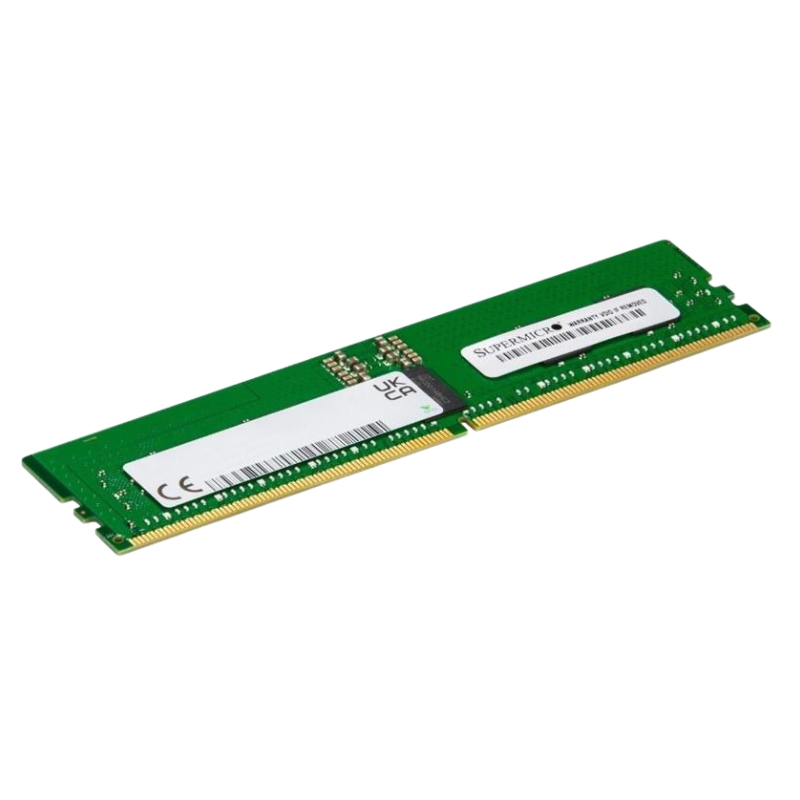


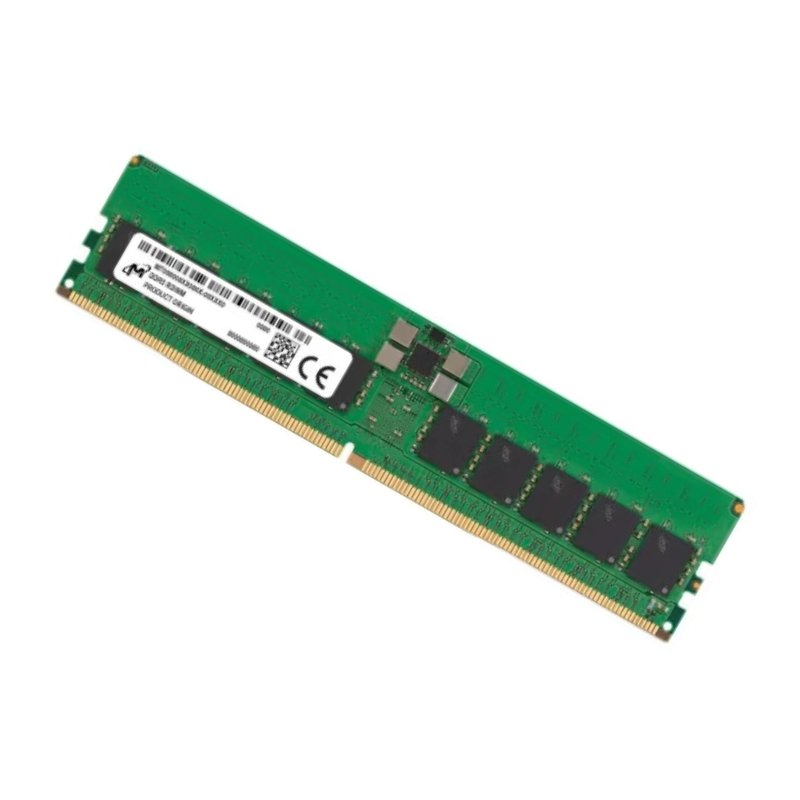
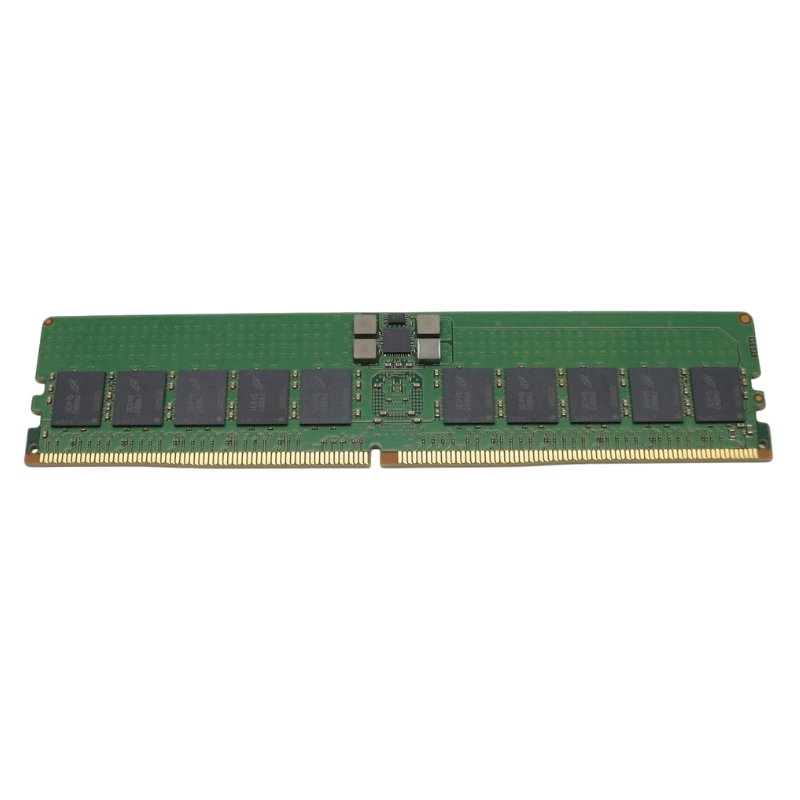
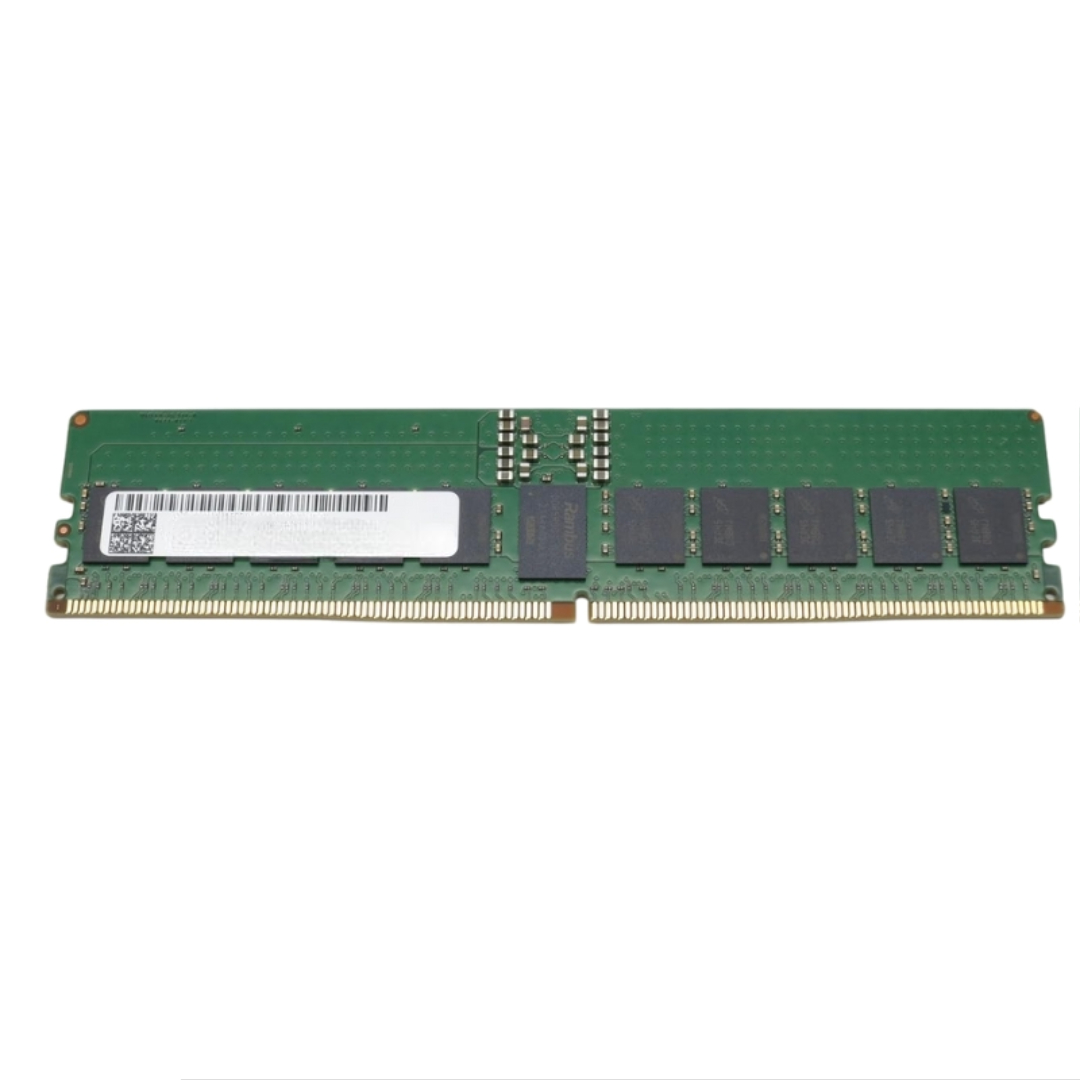
Micron MTC40F2046S1RC56BD2R 64GB DDR5 5600mhz PC5-44800 ECC Cl46 Rdimm Memory Module. New Sealed in Box (NIB) with 3 Years Warranty
The Micron MTC40F2046S1HC88XD1R and MTC40F2046S1RC56BD2R 64GB DDR5 server memory modules are engineered for modern datacenters, providing unmatched speed, efficiency, and dependability. With cutting-edge DDR5 technology, advanced ECC support, and precise form factors, these modules ensure maximum system performance under demanding workloads.
Both modules are designed with robust physical attributes that ensure longevity and reliable heat dissipation. Their compact yet durable builds make them ideal for high-density server racks.
Both modules deliver enhanced server stability for cloud-based services, virtualization, and enterprise workloads. Their ECC and registered features prevent data corruption and improve uptime.
The DDR5-8800 MRDIMM is particularly suited for AI workloads, deep learning training models, and advanced research requiring ultra-fast data transfers.
With excellent memory bandwidth and advanced reliability, these Micron modules support modern datacenter environments where speed, scalability, and efficiency are paramount.
These spec attributes combine to deliver high throughput, controlled latency, and enterprise-class stability for demanding workloads.
At 5600 MT/s, this module falls into the PC5-44800 performance band, which provides a significant uplift in sustained memory throughput compared with many early DDR4 solutions. The CL46 timing reflects the internal trade-offs of DDR5 at this frequency: while absolute CAS numbers may be numerically higher than DDR4 timings, the much faster transfer rate typically yields lower effective latency in real workloads. For memory-bound databases, large-scale in-memory caches, and analytics jobs, increased memory bandwidth often translates directly into reduced query latency and improved throughput per core.
When evaluating modules, remember that memory performance is a function of both clock rate and timings. CL46 at DDR5-5600 should be compared in the context of transfer rate: higher MHz compensates for higher CAS cycles. For server administrators, this typically results in a net gain in data-transfer capability for multi-threaded workloads even if single-thread latency numbers appear similar to or slightly higher than lower-frequency parts.
Enterprise-grade memory must safeguard data integrity. This Micron RDIMM supports ECC, meaning the module, together with a compatible memory controller, detects and corrects single-bit errors and detects multi-bit errors — preventing silent data corruption that can cripple databases, storage arrays, and compute clusters. The registered buffer (the “R” in RDIMM) further improves system reliability by reducing signal reflections and ensuring proper timing across mirrored or heavily populated channels. For mission-critical systems running 24/7, ECC RDIMMs are standard practice.
Micron is a leading DRAM supplier and the MTC40F2046S1RC56BD2R is offered through Micron’s RDIMM portfolio and authorized resellers. Manufacturing traceability, product testing, and JEDEC conformance are key trust signals when procuring large quantities for servers — Micron’s product pages and authorized distributors list part numbers, revision details, and controlled documentation for enterprise procurement teams.
This module targets server platforms that support DDR5 RDIMM modules — commonly Intel Xeon Scalable (4th gen and later) and AMD EPYC processors that explicitly support DDR5 RDIMMs. Always confirm platform memory support lists (vendor memory compatibility or Qualified Vendor List—QVL) before large-scale purchases. Firmware or BIOS updates may also affect how the motherboard enumerates memory and the highest supported speeds when multi-rank modules are installed.
The module uses a 288-pin DIMM footprint commonly adopted for server memory. Its operating voltage is 1.1V nominal — consistent with DDR5 JEDEC standards — and typical thermal characteristics assume airflow from standard server chassis cooling. When designing or selecting server chassis, ensure DIMM cooling and spacing support densely populated memory trays.
Virtualized environments benefit directly from higher per-socket memory capacity and faster memory throughput. With 64GB per DIMM, system architects can increase VM density per host or assign larger memory pools to memory-intensive VMs (databases, in-memory caches). The RDIMM design helps maintain stability when dozens of DIMMs are present in multi-socket cloud servers.
Large in-memory datasets for analytics, columnar databases, and inference caches in AI services demand both capacity and bandwidth. This module’s 5600 MT/s speed class and ECC resilience suit these workloads where sustained streaming and accurate results are crucial. For inference nodes with moderate model sizes, memory bandwidth can be as important as CPU/GPU throughput.
HPC clusters often run tightly-coupled simulations and data-parallel workloads where memory throughput and low interconnect latency are performance multipliers. Dual-rank modules with high speed enable improved interleave patterns and better utilization of memory channels for parallel tasks.
Avoid unnecessary handling of module contacts; hold by the edges and follow antistatic protocols. Maintain adequate airflow across DIMM banks — server cooling designs usually account for densely-populated RDIMM arrays, but aftermarket or custom chassis should be verified for temperature rise under sustained load. Periodically inspect memory error logs (if your platform supports ECC reporting) to detect early signs of failing cells or signaling issues.
Compared to DDR4, DDR5 RDIMMs like the MTC40F2046S1RC56BD2R deliver higher raw bandwidth and greater per-module densities. For organizations standardizing on DDR5 platforms, the upgrade unlocks both performance and future scalability; however, DDR5-compatible motherboards and CPUs are required. The total system TCO must account for platform migration costs versus performance gains.
Higher and lower frequency DDR5 RDIMMs (e.g., DDR5-4800, DDR5-6400 classes) exist; selection depends on platform capability, budget, and desired balance of latency vs. bandwidth. For many enterprise workloads, DDR5-5600 represents a sweet spot between price and top-tier performance. When comparing parts, match rank, voltage, and ECC features to ensure compatibility and predictable behavior at scale.
If a system logs corrected ECC errors frequently, it may indicate marginal DIMM health, signaling issues, or thermal stress. Start by reseating modules, checking DIMM slot population rules, and reviewing BIOS memory voltage/timing settings. Replace suspect modules and retest. Enterprise monitoring systems can centralize DIMM error counters for long-term trend detection.
Dimensions and thermal profile conform to standard server DIMM specifications; operating temperature ranges and moisture sensitivity vary by packaging and storage — consult Micron or the authorized distributor datasheet for exact thermal ratings and storage instructions when planning deployment in extreme environments.


 Contact Us
 Information
 Catalog
 Solid State Drives (SSD)
 Network Switches
 Hard Disk Drives
 HBA & Controllers
 PC & Servers
 PC & Server Memory
 CPU & Processors
 Network Routers
 Power Supplies
 Tape Drives & Libraries
 Network Devices
 Computer & Network Cables